The agricultural sector operates at the crossroads of production, distribution and consumption, presenting a myriad of challenges and opportunities in the global market. This article explores key stress points in modern supply chains, focusing on logistical bottlenecks, market volatility and the drive towards sustainability. Each section delves into practical solutions designed to enhance efficiency, resilience and transparency across diverse geographies and stakeholder groups.
Global Market Dynamics and Volatility
Price Fluctuations and Risk Management
Price swings in commodities like grains, oilseeds and dairy products reflect the influence of weather events, geopolitical tensions and shifting consumer behavior. Producers and traders face significant exposure to market uncertainty, prompting a need for robust hedging strategies. Forward contracts, futures and options provide financial instruments that can stabilize revenues, but smallholders often lack access to these tools. Public–private partnerships and cooperatives can bridge this gap by aggregating production volumes and negotiating more favorable terms with intermediaries.
Demand Shifts and Consumer Preferences
Urbanization and rising incomes have fueled demand for higher-value products, such as fresh fruits, organic produce and specialty proteins. This trend underscores the importance of traceability systems to track product origin and quality. Retailers are investing in digital platforms that record every step of the supply chain, using barcodes, RFID tags and even blockchain ledgers to guarantee authenticity. Meanwhile, producers must adapt planting decisions and post-harvest handling to meet stringent safety standards and evolving dietary trends.
Trade Policies and Tariff Barriers
Global trade policies can either facilitate or hamper agricultural flows. Export restrictions, import tariffs and sanitary measures shape the competitive landscape. To navigate complex regulatory frameworks, exporters need comprehensive market intelligence and compliance support. Collaborative efforts between governments, exporters and certification bodies are critical to streamline processes and reduce transaction costs. Export promotion agencies can also play a pivotal role by organizing trade missions, offering technical assistance and negotiating bilateral agreements that open up new markets for small-scale farmers.
Logistics, Infrastructure and Cold Chain Management
Transport Bottlenecks and Last-Mile Challenges
In many regions, underdeveloped roads, limited rail links and congested ports impede timely delivery. Perishable goods suffer quality losses when transit times stretch beyond safe thresholds. Strengthening rural infrastructure and optimizing route planning through GPS-based systems can minimize delays. Emerging solutions include drone deliveries for remote areas and mobile processing units that bring value addition closer to farms, reducing dependency on distant facilities.
Cold Chain Development
Maintaining uninterrupted cold chain conditions is essential to preserve freshness and prevent spoilage of fruits, vegetables, dairy and meat products. Investments in refrigerated storage, transport vehicles and on-site cooling systems at collection centers have shown dramatic reductions in post-harvest losses. Integrating temperature sensors with IoT-enabled monitoring platforms allows real-time alerts, ensuring corrective actions before quality is compromised. Collaborative financing models, such as leasing schemes and result-based grants, can help smallholder cooperatives adopt these technologies without prohibitive upfront costs.
Digital Platforms for Transparency
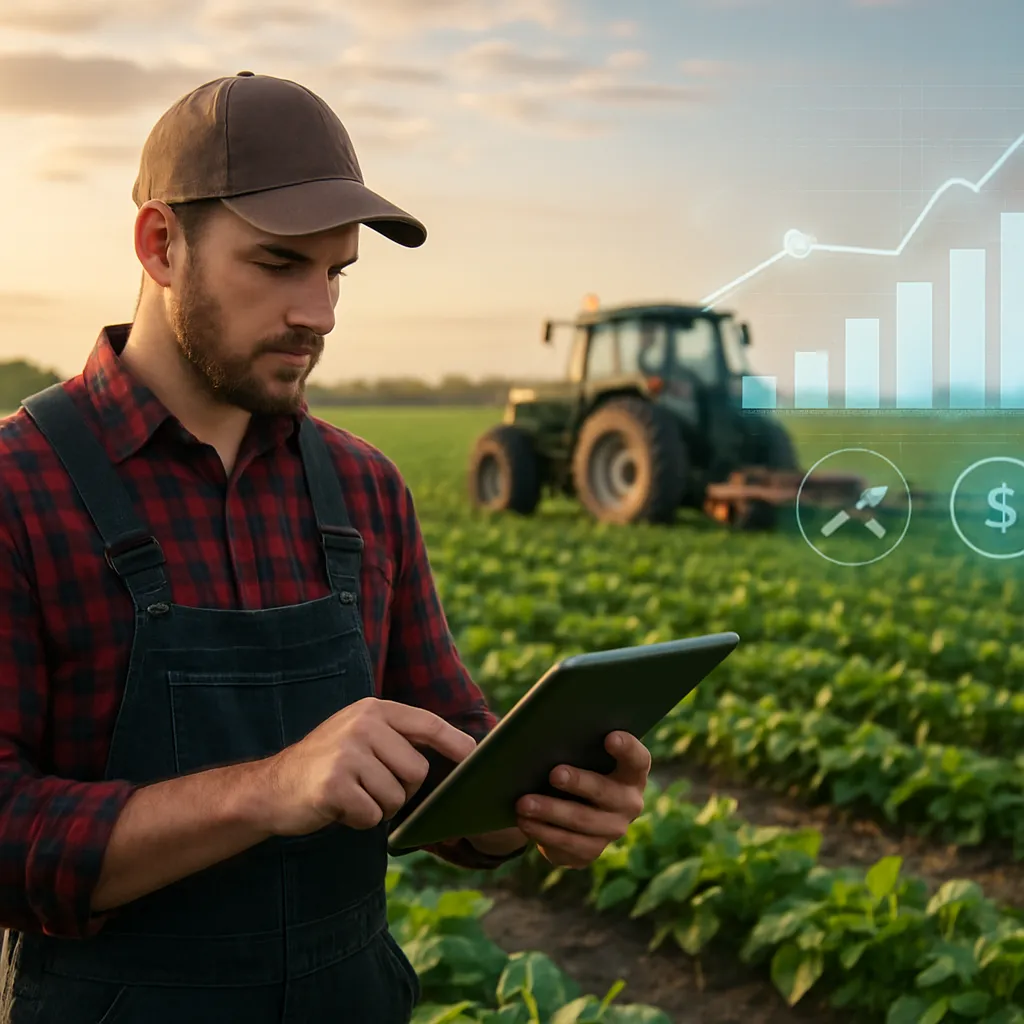
Smart logistics solutions unify multiple stakeholders—producers, transporters, processors and retailers—on a single digital platform. Cloud-based dashboards present key performance indicators (KPIs) such as transit time, spoilage rates and compliance records. Such systems enhance transparency, facilitate accountability and enable rapid decision-making. Additionally, mobile apps empower farmers to book transport slots, track shipments and receive timely payment confirmations, reducing dependence on informal and opaque networks.
Sustainability, Innovation and Future-Ready Strategies
Climate-Smart Agriculture
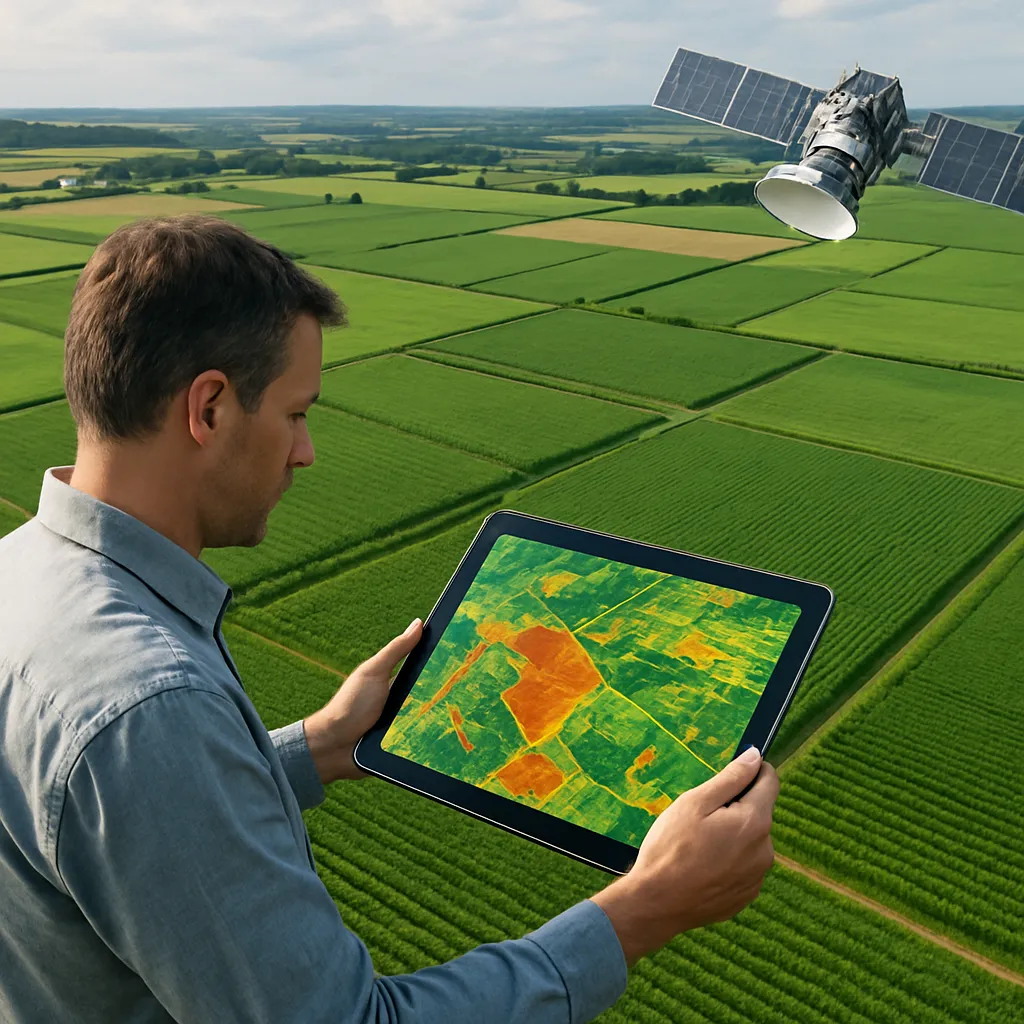
Addressing climate change impacts requires both mitigation and adaptation measures. Agroforestry, precision irrigation and conservation tillage reduce greenhouse gas emissions while enhancing soil health. Satellite imaging and remote-sensing data guide site-specific interventions, optimizing input use and improving yields. Carbon credit schemes offer supplementary revenue streams to farmers who sequester carbon through reforestation and cover-cropping initiatives.
Technological Digitalization and Innovation
Emerging technologies such as AI-driven demand forecasting, automated sorting machines and drone-based crop monitoring streamline operations and reduce human error. Machine vision systems detect pests and diseases at early stages, enabling targeted treatments and limiting pesticide overuse. Mobile-based advisory services deliver agronomic recommendations directly to farmers, promoting best practices and boosting productivity. These innovations foster a culture of continuous improvement and drive competitive advantage in a crowded marketplace.
Community Engagement and Capacity Building
Empowering local communities through training, knowledge-sharing and financial literacy programs ensures sustainable adoption of improved practices. Farmer field schools, demonstration plots and peer-to-peer networks serve as hubs for experimentation and knowledge dissemination. Microfinance institutions and digital lending platforms provide flexible credit products tailored to seasonal cash flow needs. By strengthening human capital, stakeholders build a foundation for resilient value chains that can weather market shocks and environmental stresses.
- Enhanced risk management via hedging instruments
- Integrated cold chain solutions to reduce post-harvest losses
- Digital platforms for improved transparency and market access
- Climate-smart practices for sustainable production
- Collaborative frameworks to support smallholder inclusion