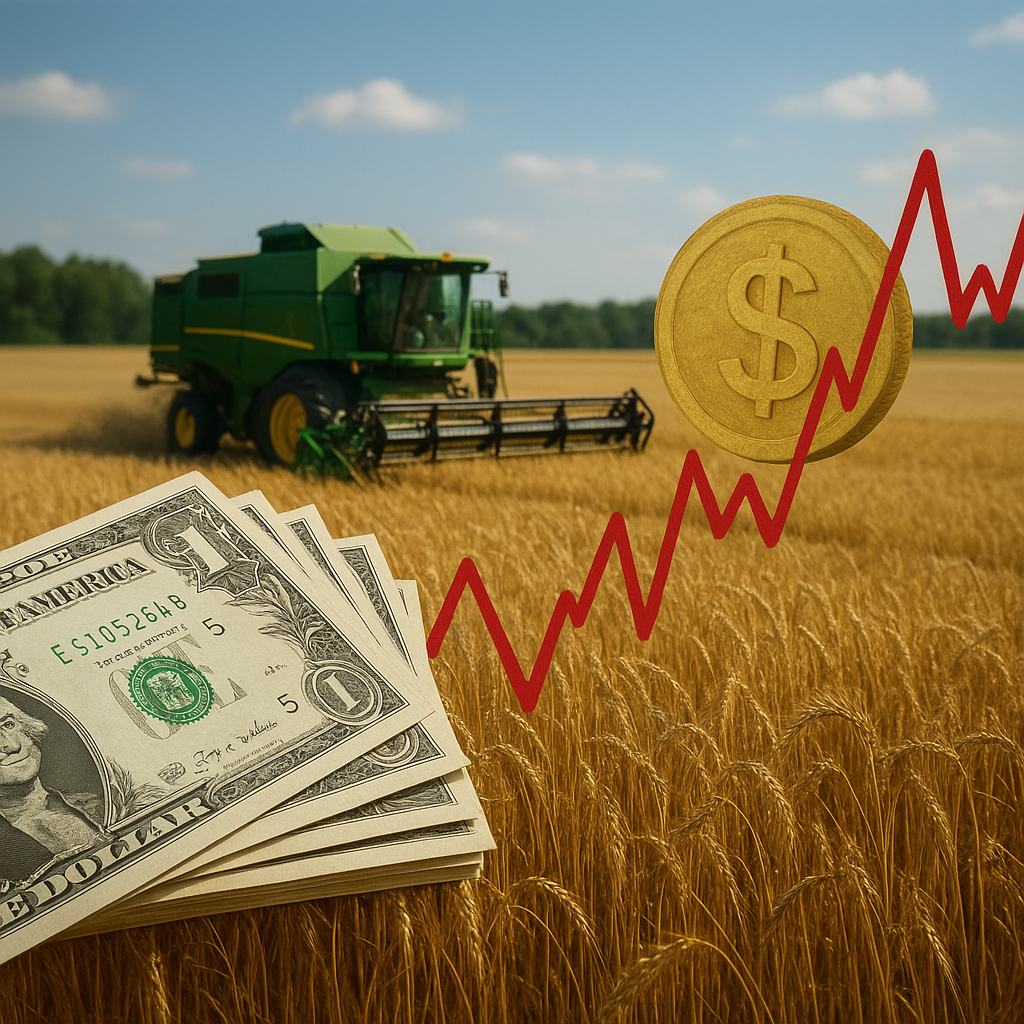
The global agricultural sector operates at the intersection of diverse economic forces. Among them, currency fluctuations stand out as a pivotal factor shaping trade flows, price dynamics, and the financial well-being of stakeholders. From smallholder farmers in emerging markets to multinational agribusiness conglomerates, every participant in the commodities chain feels the impact of shifting exchange rates. This article explores the mechanisms behind currency volatility, examines its direct and indirect effects on exports and imports, and outlines strategic approaches to manage risk and sustain growth in an unpredictable environment.
Factors Driving Currency Volatility and Agricultural Trade
Exchange rates rarely remain static. A multitude of economic, political, and market forces constantly exert pressure on national currencies. In the context of agriculture, these currency swings can significantly influence production costs, revenue streams, and competitive positions on the global stage. Below are some of the primary drivers:
Macroeconomic Indicators and Monetary Policies
- Interest rate decisions by central banks. Higher rates often attract foreign capital, strengthening the local currency, while cuts can trigger depreciation.
- Inflation disparities. Countries with low and stable inflation generally cultivate confidence in their currency, enhancing its purchasing power abroad.
- Fiscal deficits and public debt. Elevated government borrowing may undermine currency valuation and raise concerns among international investors.
Commodity Price Interactions
- Agricultural commodities such as wheat, corn, soybeans, and sugar are priced in major reserve currencies (e.g., USD, EUR). When the US dollar strengthens, local producers in other regions often earn less in domestic terms per metric ton exported.
- Exchange rate correlations. Exporters in commodity-dependent economies face heightened vulnerability when currency depreciation coincides with falling global prices.
Political and Geopolitical Risks
- Trade disputes and tariffs. Sudden imposition of duties can provoke currency reactions, altering bilateral trade balances in agricultural goods.
- Geopolitical tensions. Conflicts or sanctions may force exporters to reroute shipments, accept different currencies, or engage in barter arrangements.
Effects on Exporters, Importers, and Commodity Prices
Fluctuating exchange rates exert a ripple effect throughout the agricultural value chain. From farmgate revenues to consumer prices, currency movements dictate who wins and who loses under varying scenarios.
Impacts on Exporters
- Revenue volatility. A depreciating home currency can boost local earnings when converted from exported volumes. However, sudden appreciation may erode profit margins.
- Competitive positioning. Cheapening of the home currency often makes agricultural goods more attractive to foreign buyers, stimulating demand but also risking export taxes or quotas to protect domestic supply.
- Hedging costs. To mitigate risk, many exporters purchase currency derivatives. While hedging offers stability, it adds financial expense that may not always align with actual currency moves.
Effects on Importers
- Input costs. Fertilizers, machinery, and energy resources are often sourced internationally. A weaker domestic currency raises the local price of these critical inputs, squeezing margins.
- Feed and livestock sectors. Meat and dairy producers reliant on imported grain encounter cost pressures when local currency falls, potentially passing prices onto end consumers.
- Risk of shortages. Rapid currency depreciation can deter importers from sourcing abroad, leading to tightness in supply chains and volatile domestic prices.
Consequences for Global Commodity Prices
Overall demand and supply must adjust to shifting relative prices. Key outcomes include:
- Price contagion. Major currency swings in one region can transmit through international markets, amplifying global volatility.
- Inventory adjustments. Traders and speculators may hoard or liquidate stocks in anticipation of further currency moves, exacerbating short-term price spikes or drops.
- Spillover effects. Fluctuations in one commodity’s exchange rate can influence the pricing of substitutes and complements across agricultural sectors.
Global Strategies to Mitigate Risks and Enhance Resilience
Given the pervasive impact of currency dynamics, industry participants and policymakers have devised a multifaceted arsenal of strategies to preserve profitability, ensure supply chain continuity, and safeguard farmers’ livelihoods.
Financial Instruments and Corporate Policies
- Forward contracts and futures. Locking in exchange rates provides predictability for budgeting and investment decisions, though it requires collateral and expertise.
- Options strategies. Currency options allow exporters to benefit from favorable moves while limiting downside exposure to specified strike prices, at the cost of premium payments.
- Natural hedges. Companies with geographically diversified operations can balance currency inflows and outflows to neutralize net exposure.
Governance and Policy Interventions
- Export credit agencies. Governments may offer subsidized funding or currency insurance to help agribusinesses weather sharp devaluations.
- Flexible exchange rate regimes. Managed float systems allow policymakers to moderate extreme swings while preserving some market-driven adjustments.
- Strategic reserves. Building grain or oilseed stocks can reduce domestic price spikes during times of currency-induced import cost inflation.
Supply Chain and Operational Adjustments
- Local sourcing promotion. Reducing dependence on imported inputs diminishes vulnerability to external currency shocks.
- Product differentiation. Value-added processing and branding can insulate producers from raw commodity price swings by commanding a premium.
- Collaborative networks. Cooperatives and producer associations enhance bargaining power for bulk purchasing of inputs and collective negotiation of export terms.
Technological and Data-Driven Approaches
- Real-time analytics. Integrating currency forecasting models into farm management software enables proactive risk mitigation.
- Blockchain traceability. Transparent supply chain records foster trust among international buyers, potentially securing contracts in multiple currencies.
- Smart contracts. Automated execution of trade agreements based on pre-specified currency thresholds streamlines hedging and settlement processes.
Conclusion
In an era of intensifying global interdependence, exchange rate movements wield profound influence over agricultural markets. While volatility poses challenges for producers, traders, and policymakers alike, a combination of prudent financial planning, innovative technologies, and policy support can foster a more resilient sector. By understanding the intricate interplay between currency dynamics and agricultural trade, stakeholders can anticipate disruptions, secure stable revenue streams, and promote sustainable growth in the face of an ever-changing economic landscape.