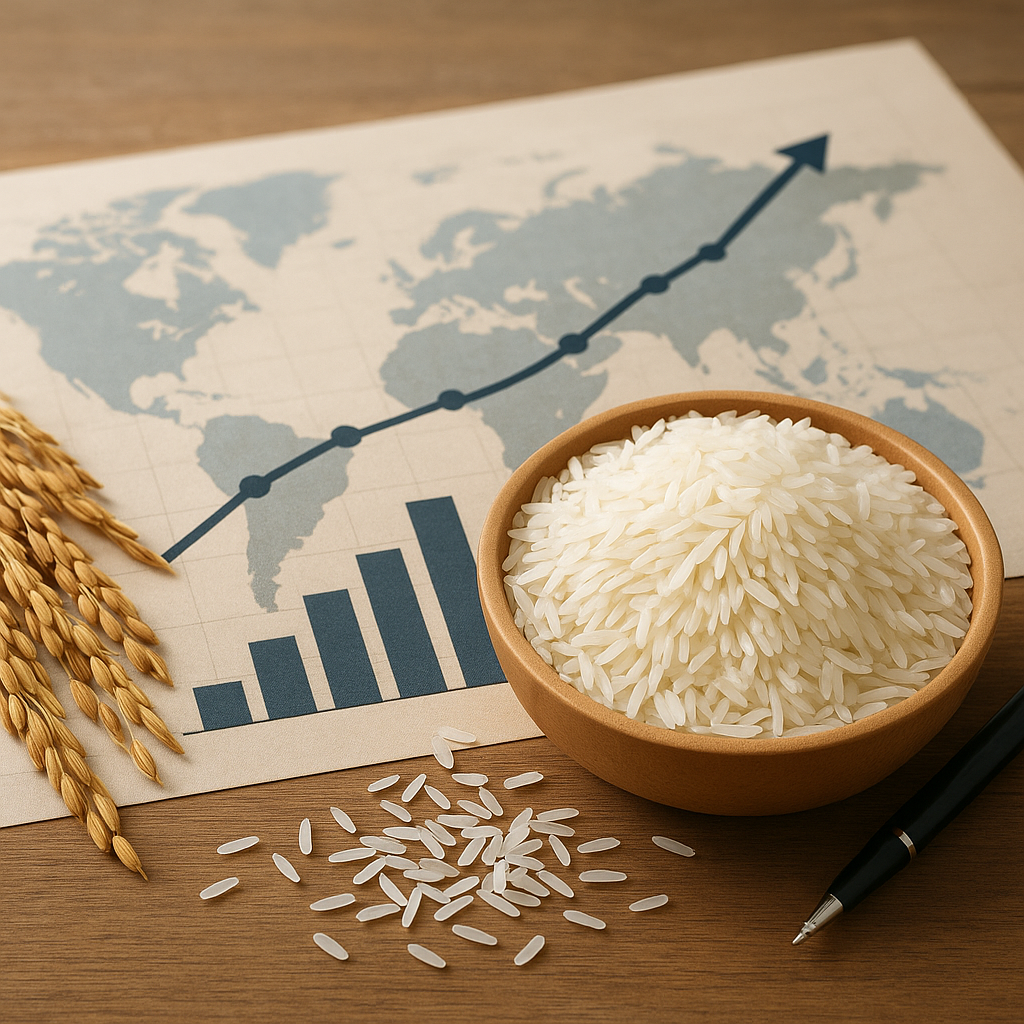
Rice remains a cornerstone of global **food security**, feeding more than half of the world’s population. This analysis delves into the evolving patterns of **supply** and **demand**, explores regional dynamics, and projects future trajectories within the global rice market. Key drivers such as **climate change**, **innovation**, **investment**, and socio-economic trends will be examined to understand how rice production and trade will shape agricultural sustainability and economic prosperity worldwide.
Global Market Overview
The rice market has witnessed significant shifts over the past decade. Rapid population growth in Asia and Africa has propelled **consumption** levels, while production centers in Southeast Asia and South Asia have scaled output through mechanization and yield improvements. Latin America and Africa are also emerging as dynamic participants, leveraging improved seed varieties and enhanced irrigation systems to boost productivity.
According to recent estimates, global rice production has surpassed 500 million metric tons, with the top three producers—China, India, and Indonesia—accounting for nearly 60% of total output. However, per capita consumption varies widely, from over 100 kilograms annually in several Asian nations to less than 20 kilograms in many Western countries.
Market prices have exhibited considerable **volatility**, influenced by fluctuating input costs, weather disruptions, and shifting trade policies. For example, export restrictions imposed by major producers during periods of low stocks have triggered price spikes, prompting import-dependent nations to seek alternative suppliers or invest in domestic production capacities.
- Major exporters: India, Thailand, Vietnam
- Key importers: China, Philippines, Nigeria
- Average global price range: USD 350–450 per metric ton
The interplay between import demand and export supply will continue to shape price trends, making risk management and strategic reserves critical for national food security strategies.
Production Dynamics and Technological Innovations
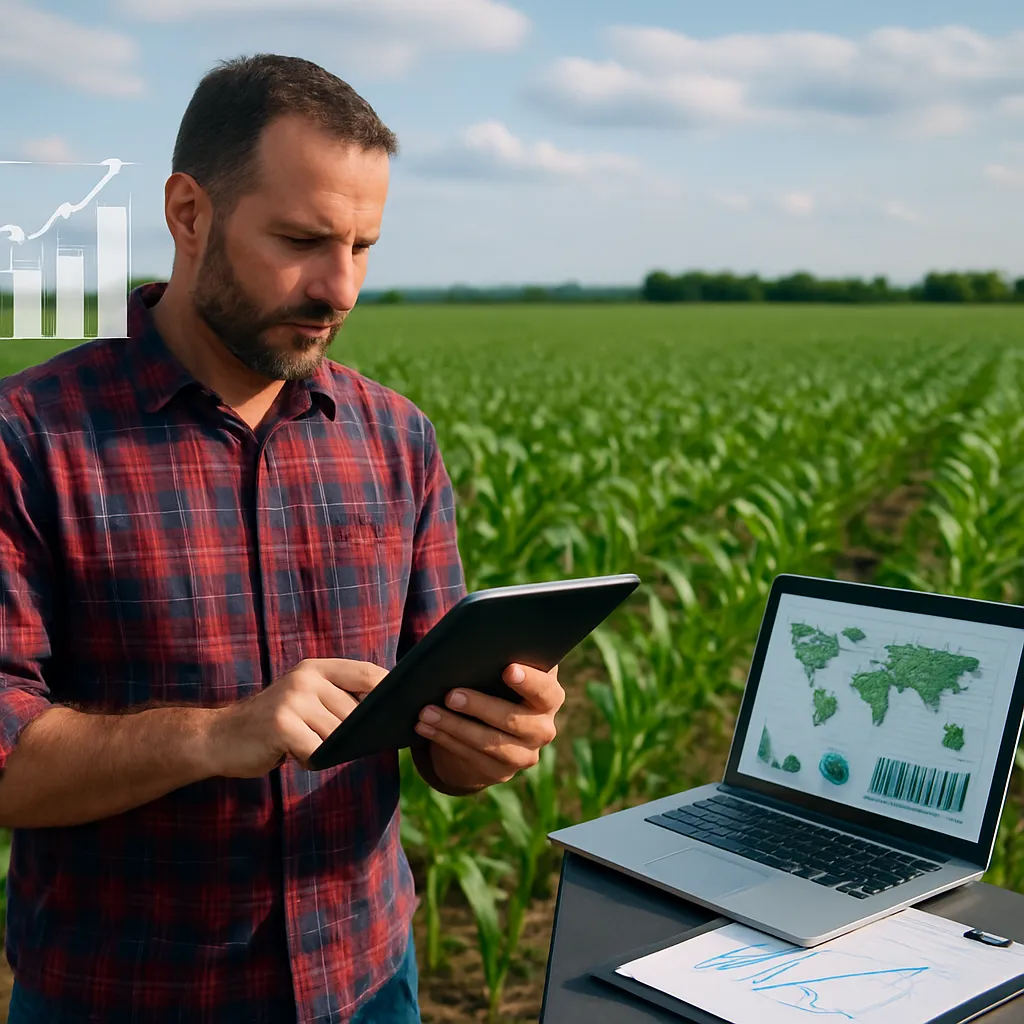
Enhancing **productivity** is central to meeting rising demands without expanding cultivated areas excessively. Innovative agricultural practices, including direct seeding, precision farming, and remote sensing, have gained traction among progressive rice producers. These technologies enable optimized water management, targeted fertilizer application, and timely disease detection.
Genetic improvement programs have also delivered high-yielding, stress-tolerant varieties that withstand drought, salinity, and pest pressures. For instance, recently commercialized lines developed through marker-assisted selection demonstrate yield gains of 10–15% under suboptimal conditions. Biotechnological advances, such as genome editing and hybrid rice development, promise further breakthroughs in **sustainability** and climate resilience.
Mechanization remains uneven across regions. Smallholder farmers in South and Southeast Asia often rely on manual transplanting, while larger operations in the United States, Australia, and parts of Latin America utilize fully mechanized planting and harvesting equipment. Addressing this disparity through custom-hiring centers and financing schemes can accelerate technology adoption among resource-poor farmers.
Water scarcity and declining soil health pose persistent challenges. Improved irrigation infrastructures, such as alternate wetting and drying (AWD) systems, have reduced water usage by up to 30% without sacrificing yields. Moreover, integrated soil fertility management—combining organic amendments with judicious agrochemical use—helps maintain long-term **resilience**.
Regional Trade Patterns and Forecast
The global rice trade is dominated by a handful of exporters, but consumption growth in Sub-Saharan Africa and the Middle East is reshaping import patterns. Forecasts indicate that global rice trade volume could rise by 25% over the next decade, driven by urbanization, dietary diversification, and rising incomes.
In South Asia, domestic production meets most local needs, yet quality preferences for premium-grade white rice spur imports in markets like India and Bangladesh. Conversely, African nations heavily depend on imports from Asia, with Nigeria and Senegal ranking among the top global rice importers. To bolster **resilience**, several African governments are investing in local milling facilities and improved seed distribution networks.
Trade agreements and tariff revisions will influence future flows. The Comprehensive and Progressive Agreement for Trans-Pacific Partnership (CPTPP) and regional trade pacts in Asia can reduce barriers, enhancing market access for competitive suppliers. Meanwhile, export taxes or quotas in response to domestic food security considerations may create supply bottlenecks.
- Projected trade growth: 3% annually
- Emerging importers: Kenya, Saudi Arabia, Brazil
- Key policy factors: export restrictions, tariff adjustments, phytosanitary measures
Strategic storage and improved logistics, including cold chain solutions and digital tracking systems, will become essential in reducing post-harvest losses and ensuring timely deliveries.
Challenges, Opportunities, and Future Outlook
Despite the sector’s growth prospects, rice producers face multifaceted risks. **Climate change** exacerbates weather extremes, leading to flooding, droughts, and pest outbreaks. Moreover, rising input costs, land fragmentation, and labor shortages add to operational complexities. Addressing these issues requires coordinated research, policy support, and private-sector partnerships.
Investment in rural infrastructure—roads, electricity, and communication networks—can unlock productivity gains and connect farmers to markets. Financial institutions are designing tailored credit products and crop insurance schemes to mitigate risks. Meanwhile, traceability platforms built on blockchain technology enhance supply chain transparency, satisfying consumer demands for ethically sourced and sustainable food products.
Value addition through processing, branding, and diversification into rice-based snacks and ready-to-eat meals offers new avenues for **investment**. Companies focusing on premium, organic, and fortified rice varieties can capture niche segments in health-conscious markets. Public–private partnerships aimed at extending extension services and farmer training can further drive adoption of climate-smart practices.
Looking ahead, the global rice market is poised for steady expansion. Meeting the dual goals of increased production and environmental stewardship will hinge on advancing **innovation**, fostering inclusive value chains, and aligning policy frameworks with sustainable development objectives. By leveraging technology and knowledge-sharing, stakeholders can ensure rice continues to nourish billions while preserving the planet’s vital resources.