The intricate interplay between agricultural output and the stability of food systems has never been more critical. As global demand for nourishment rises, stakeholders in the global market must navigate a complex environment shaped by changing demographics, environmental shifts, and evolving policy frameworks. This article delves into the multifaceted dimensions of ensuring food security through robust agricultural production and strategic approaches at both local and international levels.
Global Agricultural Trends and Market Dynamics
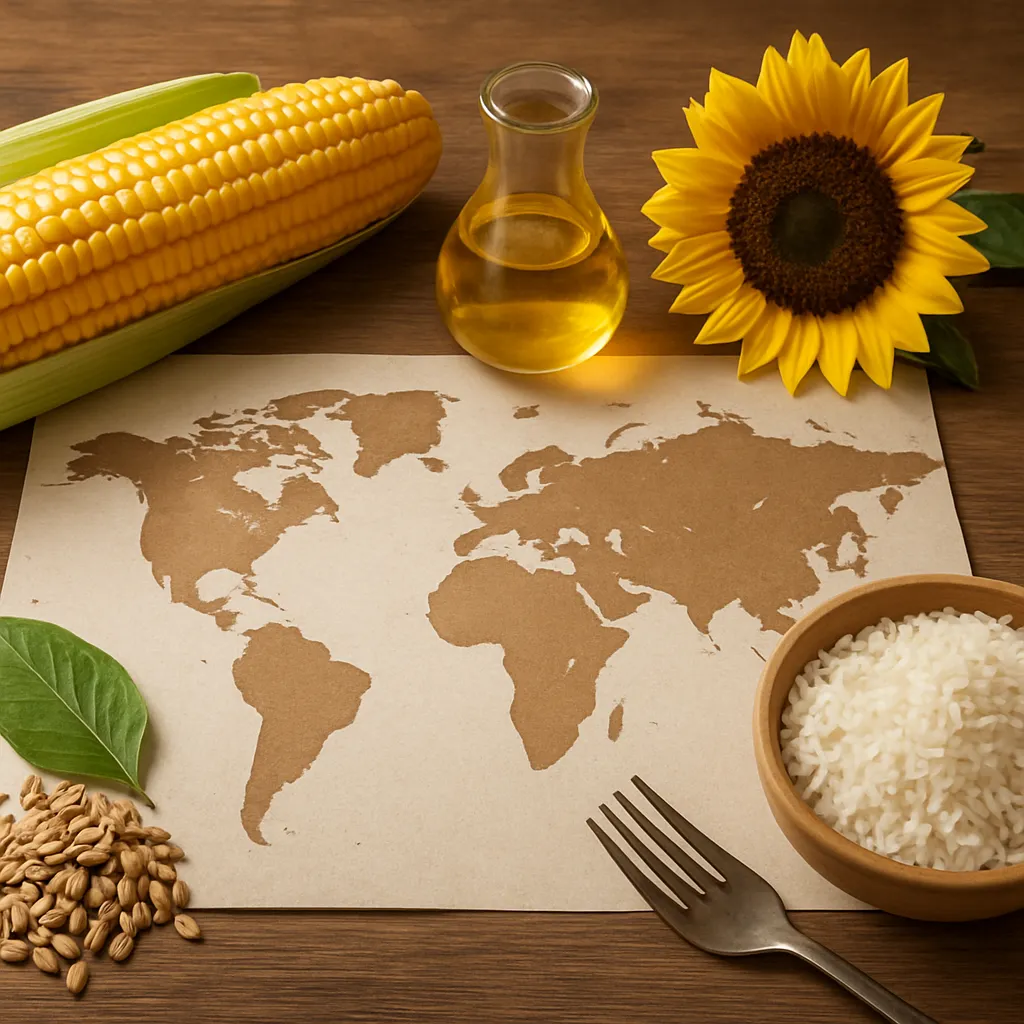
Over recent decades, the evolution of the global market for agricultural commodities has been dramatic. Rapid urbanization and population growth in emerging economies have spurred demand for staples such as rice, wheat, and maize, as well as higher-value products like meat and dairy. According to projections by leading research institutes, total food demand could increase by more than 50 percent by 2050. This surge places unprecedented pressure on farmers to boost yield per hectare, while simultaneously conserving natural resources.
Consolidation within agribusiness has also reshaped distribution channels. A handful of multinational corporations now dominate the supply chain, controlling seeds, fertilizers, and distribution networks. While this concentration has led to efficiency gains and economies of scale, it raises concerns over market access for smallholder farmers and the resilience of food systems in the face of supply shocks.
Emerging trade partnerships and regional trade agreements present both opportunities and risks. On one hand, reduced tariffs can facilitate the flow of grains from surplus to deficit regions, enhancing resilience. On the other, increased dependence on imports can expose nations to volatile international commodity prices. Strategic diversification of trade partners, along with local production capacity building, is essential for cushioning potential price swings.
Key Challenges to Achieving Food Security
The road to universal sustainability in agricultural output is fraught with obstacles. Climate change stands as arguably the greatest threat. Rising temperatures, shifting precipitation patterns, and more frequent extreme weather events compromise crop performance and expand the range of pests and diseases. For instance, prolonged droughts in major breadbasket regions can trigger cascading impacts on global grain prices, threatening access to affordable food in vulnerable communities.
Land degradation and soil erosion further undermine productivity. Intensive monocropping practices, especially without adequate soil management, deplete essential nutrients and erode topsoil. Addressing this requires adopting regenerative farming techniques, such as conservation tillage, agroforestry, and organic amendments, which restore soil health over time.
Water scarcity has emerged as a critical constraint, particularly in arid and semi-arid zones. Agriculture accounts for roughly 70 percent of global freshwater withdrawals. As aquifers are tapped and rivers diverted, competition for water among agricultural, industrial, and municipal users intensifies. Adopting efficient irrigation technologies, like drip systems and soil moisture sensors, can optimize water use and reduce waste.
Technological Innovations Driving Productivity
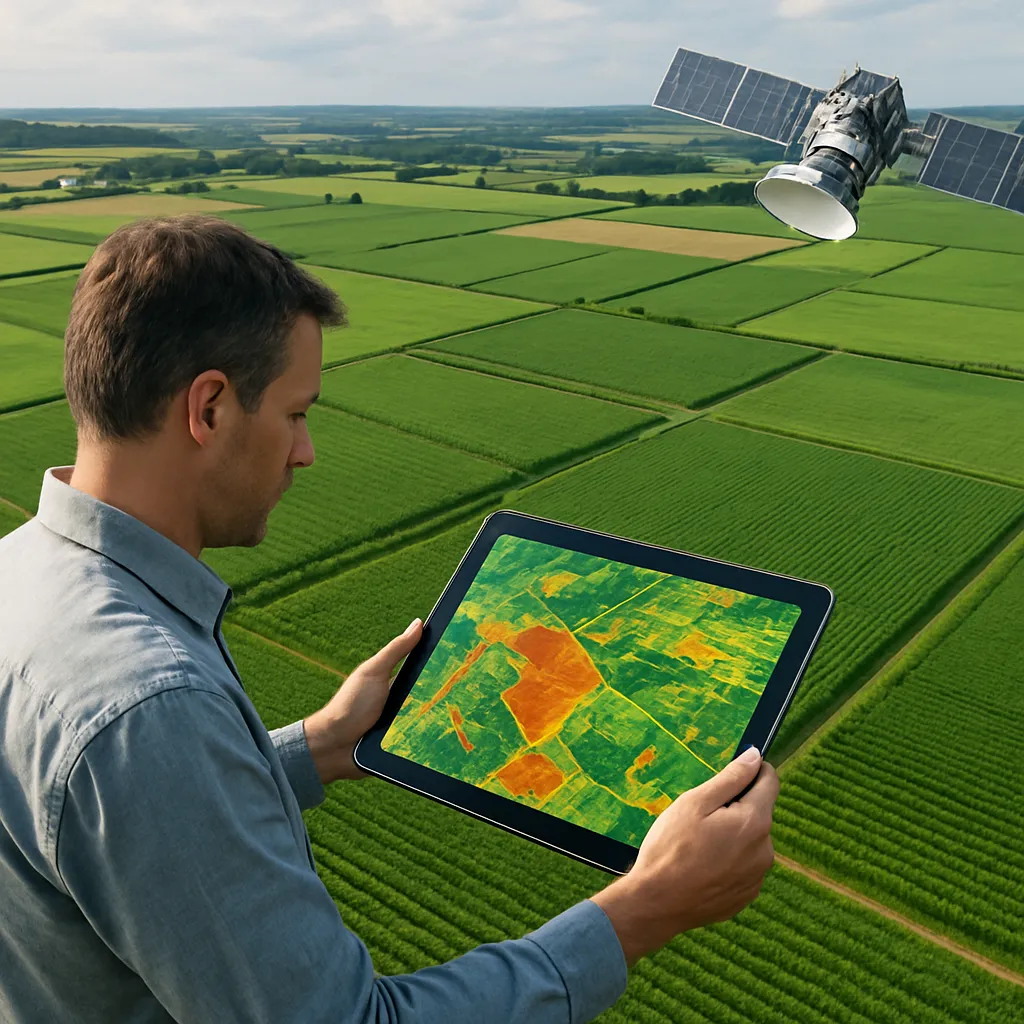
Recent advancements in technology offer promising avenues to overcome long-standing agricultural challenges. Precision agriculture, powered by satellites, drones, and on-the-ground sensors, enables farmers to apply inputs—water, fertilizers, and pesticides—with pinpoint accuracy. This reduces costs, minimizes environmental impact, and enhances yields.
Genetic improvement of crops continues to advance through both traditional breeding and modern biotechnology. Developing stress-tolerant varieties, resistant to drought, salinity, or emerging pests, helps stabilize production in variable climates. However, equitable access to improved seed varieties remains critical, especially for small-scale producers in low-income regions.
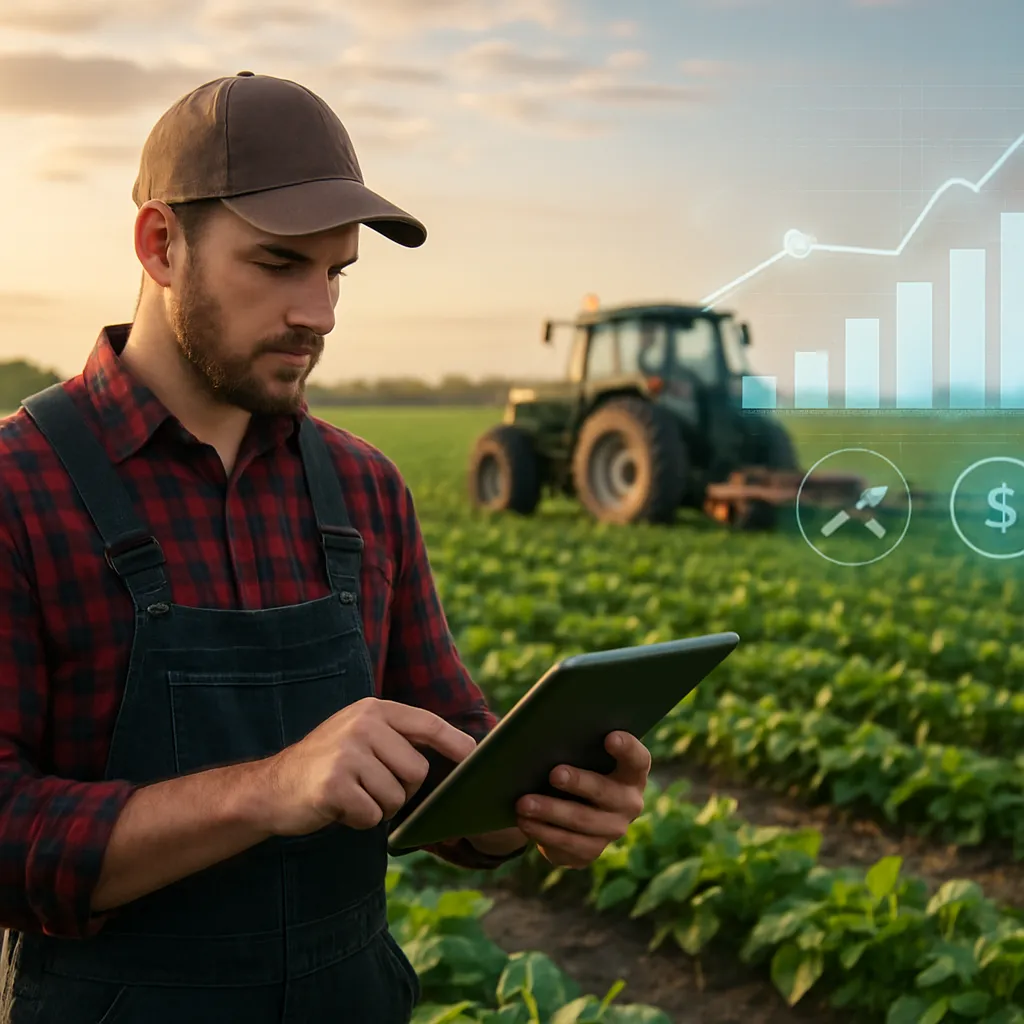
Digital platforms and mobile applications have democratized access to market information, weather forecasts, and extension services. Farmers in remote areas can now receive tailored agronomic advice in real time, improving decision-making. Furthermore, blockchain-based supply chain tools enhance traceability, ensuring food safety and building consumer trust.
Policy Frameworks and International Collaboration
Effective governance and well-designed policies are fundamental to aligning the incentives of diverse stakeholders toward common goals. Subsidies, when targeted appropriately, can encourage sustainable practices such as precision nutrient management or cover cropping. Conversely, misaligned subsidies may perpetuate environmentally harmful practices or distort markets.
Regulatory harmonization across borders facilitates trade, but it also demands robust standards for quality, safety, and environmental stewardship. International bodies, such as the Food and Agriculture Organization (FAO) and the World Trade Organization (WTO), play pivotal roles in establishing guidelines that balance national sovereignty with global cooperation.
Public–private partnerships (PPPs) are increasingly recognized as vehicles for mobilizing investments in rural infrastructure, research and development, and capacity-building programs. By pooling resources, PPPs can accelerate the diffusion of innovations and help bridge financing gaps for smallholder farmers. In tandem, civil society organizations provide grassroots insights, ensuring that interventions remain inclusive and socially equitable.
Strategies for Building Resilience in Food Systems
Resilience in agricultural systems involves the capacity to absorb shocks, adapt to evolving conditions, and transform when necessary. A key strategy is crop diversification, which reduces farmers’ reliance on a single commodity and spreads risk. Crop rotation, intercropping, and integrating livestock can also enhance soil fertility and break pest cycles.
Developing robust infrastructure—storage facilities, rural roads, and cold chains—is essential for minimizing post-harvest losses, which can account for up to 30 percent of total production in developing regions. Improved logistics ensure that surplus harvests reach markets efficiently, reducing both waste and price volatility.
Empowering women and youth in agriculture unlocks significant productivity gains. Women comprise nearly half of the agricultural labor force in many countries, yet often face barriers to land ownership, credit access, and training. Policies that enhance gender equity and youth engagement, including vocational programs and microfinance initiatives, can catalyze innovation and drive local economic development.
Finally, fostering local food systems and community-based initiatives enhances adaptability. Urban agriculture, farmers’ markets, and farm-to-table networks strengthen connections between producers and consumers, reduce carbon footprints, and promote dietary diversity.
Future Directions and Emerging Opportunities
The intersection of finance and agriculture is gaining traction through initiatives like impact investing and green bonds. Channeling private capital toward climate-smart agriculture can meet dual objectives of financial return and social impact. Blended finance models, leveraging public funds to de-risk private investments, hold promise for scaling sustainable innovations.
Research on alternative protein sources, such as plant-based meats and insect-derived proteins, is expanding. These offerings require less land, water, and greenhouse gas emissions than conventional livestock, representing a complementary pathway to meet protein demand sustainably.
Finally, integrating artificial intelligence and machine learning into farm management systems will unlock new efficiencies. Predictive analytics can forecast crop performance under various climate scenarios, enabling preemptive adaptation measures. As digital literacy grows among farmers worldwide, these cutting-edge tools will become increasingly accessible.