Water scarcity has emerged as a critical challenge shaping the future of agriculture within the global market. As demand for food intensifies alongside population growth and changing dietary patterns, the competition for finite water resources places pressure on farmers, policymakers, and corporations. Recognizing the intricate relationship between water availability and crop performance is essential to ensure food security, maintain economic stability, and drive sustainable growth in the agri-food sector.
Background and Context
Across regions spanning arid landscapes to once fertile plains, water scarcity disrupts traditional farming calendars and forces stakeholders to rethink cultivation methods. Rising temperatures linked to climate change accelerate evaporation rates, reduce snowpack in mountainous watersheds, and alter precipitation patterns. These shifts compound existing stressors—population growth, industrial uses, and urban development—that compete for the same water supply.
Historically, irrigation infrastructure fueled the expansion of agricultural frontiers. Ancient civilizations harnessed river systems to nourish sorghum, rice, and wheat fields. In modern contexts, large-scale canal networks, pumped wells, and drip systems aim to optimize water distribution. Yet mismatches between infrastructure capacity and water availability often trigger conflicts between upstream and downstream users, rural and urban communities, and even between neighboring countries. The Global Water Partnership highlights that nearly two-thirds of irrigated cropland faces moderate to high water stress.
Economic projections reveal that without effective management, water shortages could slash cereal production by up to 20 percent in vulnerable regions. Given that agriculture accounts for roughly 70 percent of freshwater withdrawals worldwide, any decline in water supply directly undermines the productivity of staple crops and export commodities. As nations grapple with food price volatility, ensuring reliable yields becomes both a social imperative and a matter of geopolitical stability.
Impacts of Water Scarcity on Crop Yields
Insufficient water supply translates into multiple physiological and economic consequences for crops and farmers:
- Stunted Growth: Water stress during critical growth phases limits cell expansion, leading to smaller biomass and reduced yield potential.
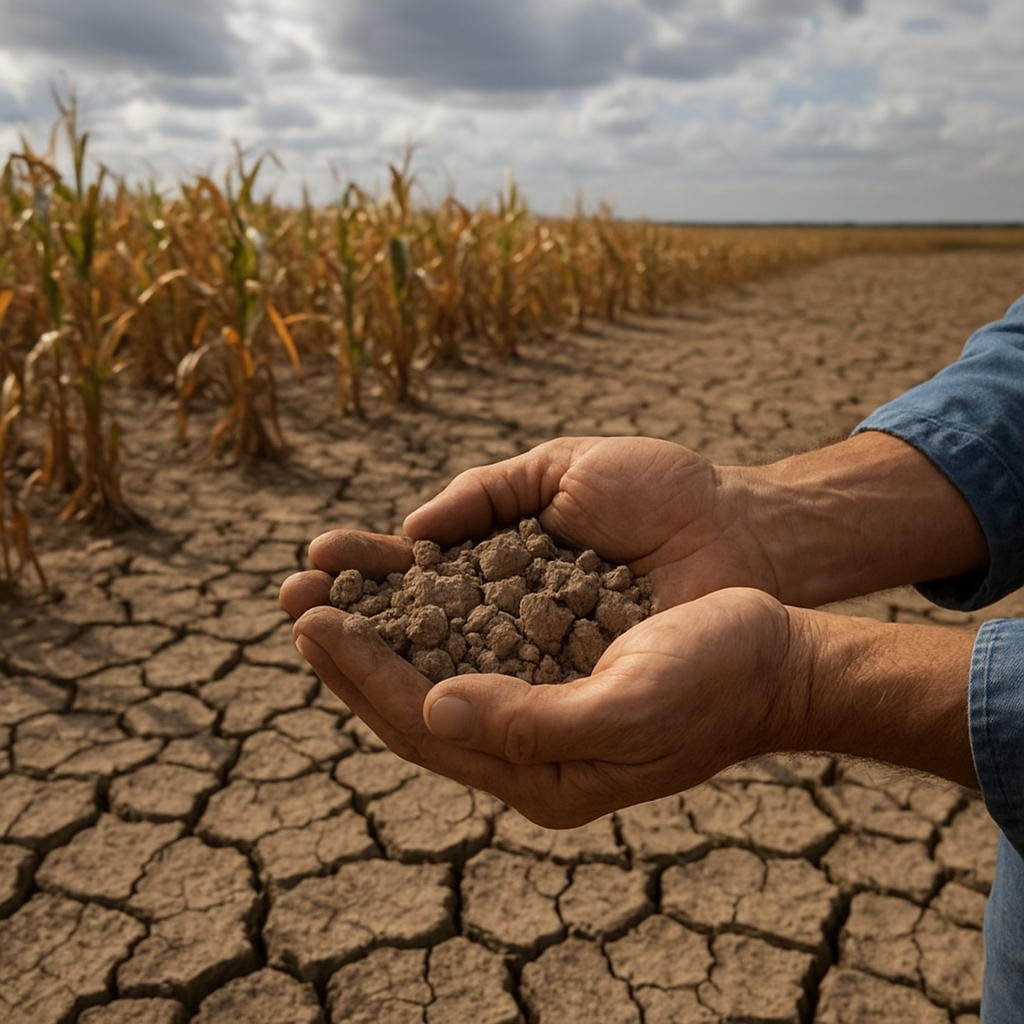
- Poor Pollination: Drought conditions can impair flowering and pollen viability, diminishing fruit set in crops like maize and soybeans.
- Increased Pest Incidence: Weakened plants become more susceptible to pests and diseases, which thrive under warm, dry conditions.
- Soil Degradation: Repeated irrigation without proper drainage fosters salinization and erosion, compounding land degradation.
- Economic Losses: Lower output reduces farm incomes, undermines export revenues, and may inflate global food prices.
Key cereal belts in Asia and North America face mounting risks. In South Asia, for example, groundwater unwinding due to over-extraction in the Punjab region threatens rice-wheat systems that feed millions. Meanwhile, the U.S. Midwest confronts the prospect of diminished irrigation from the Ogallala Aquifer, potentially curbing corn and soybean output. These trends underscore the urgency of aligning agricultural expansion with water resource limits.
Adaptation Strategies and Innovations
To counteract the pressures of water scarcity, a suite of technical, managerial, and policy tools has emerged. Farmers, agribusinesses, and governments are collaborating to bolster resilience and safeguard agricultural productivity.
Technological Advances
- Irrigation Efficiency: Precision drip and micro-sprinkler systems deliver water directly to plant roots, reducing losses to evaporation and runoff.
- Soil Moisture Sensors: Data-driven devices inform irrigation scheduling, ensuring crops receive water when and where it is most needed.
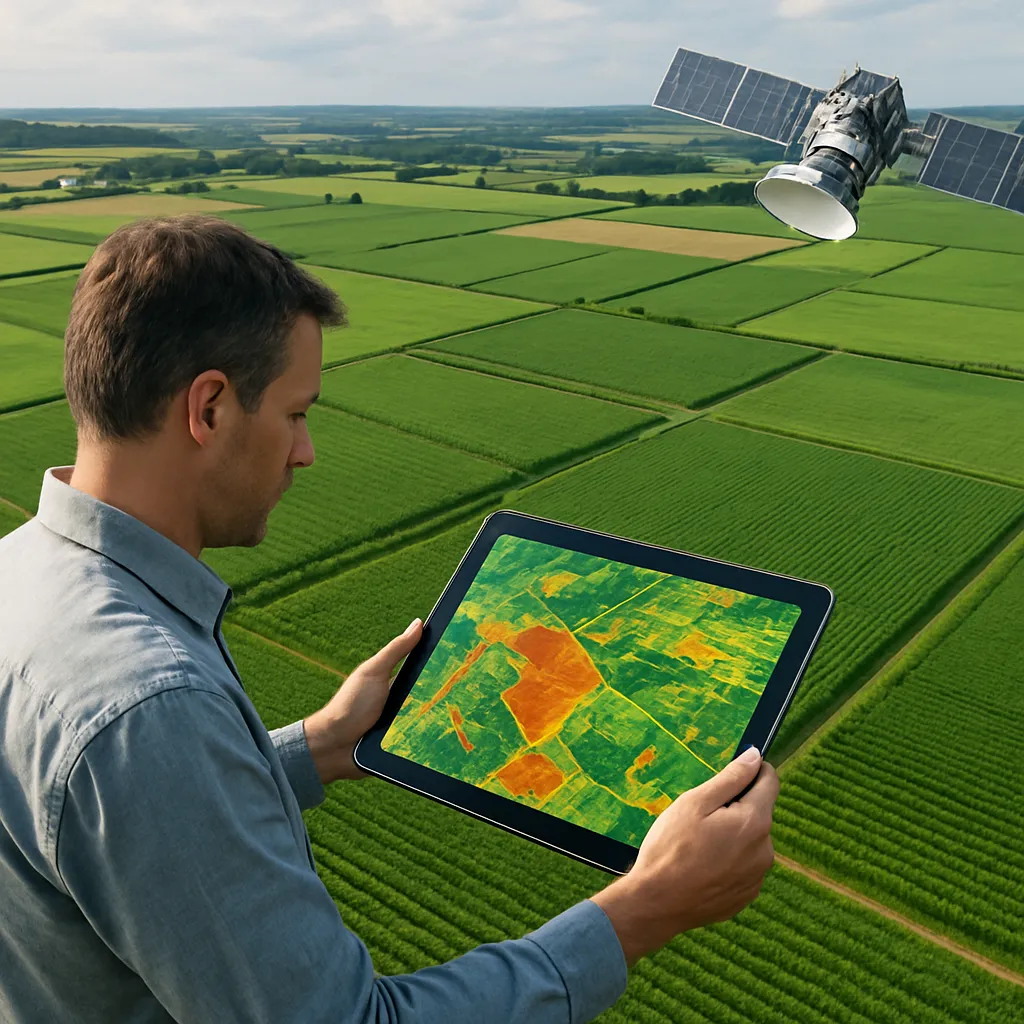
- Remote Sensing and Drones: Satellite imagery and unmanned aerial vehicles monitor vegetation health across large tracts, detecting moisture stress before symptoms become visible.
- Biotech Crops: Genetic engineering aims to develop drought-tolerant varieties that maintain yields under water-limited conditions.
Policy Measures and Institutional Frameworks
- Water Rights Reform: Clear allocation rules, tradable entitlements, and community-based management can mitigate overuse and conflict.
- Subsidy Realignment: Redirecting incentives from water-intensive to water-saving crops encourages farmers to adopt conservation practices.
- Integrated Basin Planning: Coordinated policies among sectors—agriculture, industry, domestic—optimize overall water use within river basins.
- Public-Private Partnerships: Collaborative investments in infrastructure rehabilitation and new storage facilities extend water availability for multiple seasons.
Role of Global Market Dynamics
The interconnection between water scarcity and the global market for agricultural commodities shapes trade patterns, price signals, and investment flows. As water-constrained regions scale back crop production, they may rely more heavily on imports, shifting the balance of supply and demand.
Emerging trends include:
- Virtual Water Trade: Countries effectively import water by acquiring crops grown elsewhere, alleviating domestic water stress but embedding resource dependencies.
- Supply Chain Transparency: Companies face growing pressure from consumers and investors to disclose the water footprint of sourced ingredients and implement sustainable procurement policies.
- Price Volatility: Water-driven yield fluctuations lead to unpredictable market swings, compelling producers to invest in risk management tools such as crop insurance and futures contracts.
- Foreign Investment: Wealthy nations and conglomerates finance large-scale agricultural projects in water-rich regions, potentially sparking local tensions over resource control.
Disruptions in one region can ripple across global markets. A severe drought in major exporters like Brazil or Australia can tighten world supplies, driving up prices and prompting importers to diversify sources or invest in storage and processing facilities closer to production hubs. Trade agreements increasingly incorporate water stewardship clauses, reflecting its strategic role in food security and economic growth.
Challenges and Future Outlook
Despite promising innovations, significant barriers persist. High upfront costs deter smallholder farmers from upgrading irrigation systems. Fragmented policy landscapes hinder large-scale cooperation. And climate models forecast increasing frequency of extreme events—prolonged droughts, erratic rainfall, and heatwaves—that will exacerbate water stress.
Moving forward, stakeholders must emphasize:
- Collaboration: Cross-sectoral partnerships to align incentives, share knowledge, and co-finance infrastructure projects.
- Capacity Building: Training programs that equip farmers with skills in water management, crop diversification, and digital tools.
- Innovation Scaling: Mechanisms to accelerate adoption of proven technologies, from mobile-based advisory services to community solar-powered pumps.
- Financial Instruments: Development of green bonds, water funds, and microloans tailored to resource-saving agricultural investments.
By integrating the latest advances in technology with robust institutional frameworks and well-functioning infrastructure, the agricultural sector can adapt to evolving water constraints. Ensuring that markets reward sustainability and equitable access to water will be crucial in maintaining food production levels and stabilizing prices. In an era of uncertainty, a coordinated approach to water scarcity and crop yields will define the resilience of global food systems.