From the moment seeds meet soil to the final delivery at consumer tables, modern agribusiness has undergone a profound transformation. Powered by AI and Big Data, companies and smallholders alike harness cutting-edge tools to optimize operations, reduce waste, and secure sustainable growth. This article explores the key trends shaping the global market for agricultural technology, highlighting breakthroughs in Precision farming, supply chain transparency, and the challenges that lie ahead.
The Role of AI in Crop Management
Artificial intelligence has shifted crop management from intuition-driven decisions to data-driven strategies. Farmers now rely on smart models to anticipate pest outbreaks, forecast yield potentials, and adjust inputs with unprecedented accuracy. By integrating Algorithms that learn from historical patterns and real-time observations, agronomists optimize nutrient delivery and irrigation schedules at the plant level. As a result, resource consumption drops while overall performance climbs—an essential trade-off in regions facing water scarcity and escalating production costs.
Smart Irrigation and Fertilization
Traditionally, irrigation followed fixed timetables, often leading to overwatering or drought stress. Today, soil moisture sensors and weather forecasts feed AI engines that schedule water applications with surgical precision. Key benefits include:
- Reduced water usage by up to 40 percent through adaptive scheduling.
- Optimal fertilizer distribution driven by nutrient mapping algorithms.
- Lower energy bills thanks to predictive pump operation controls.
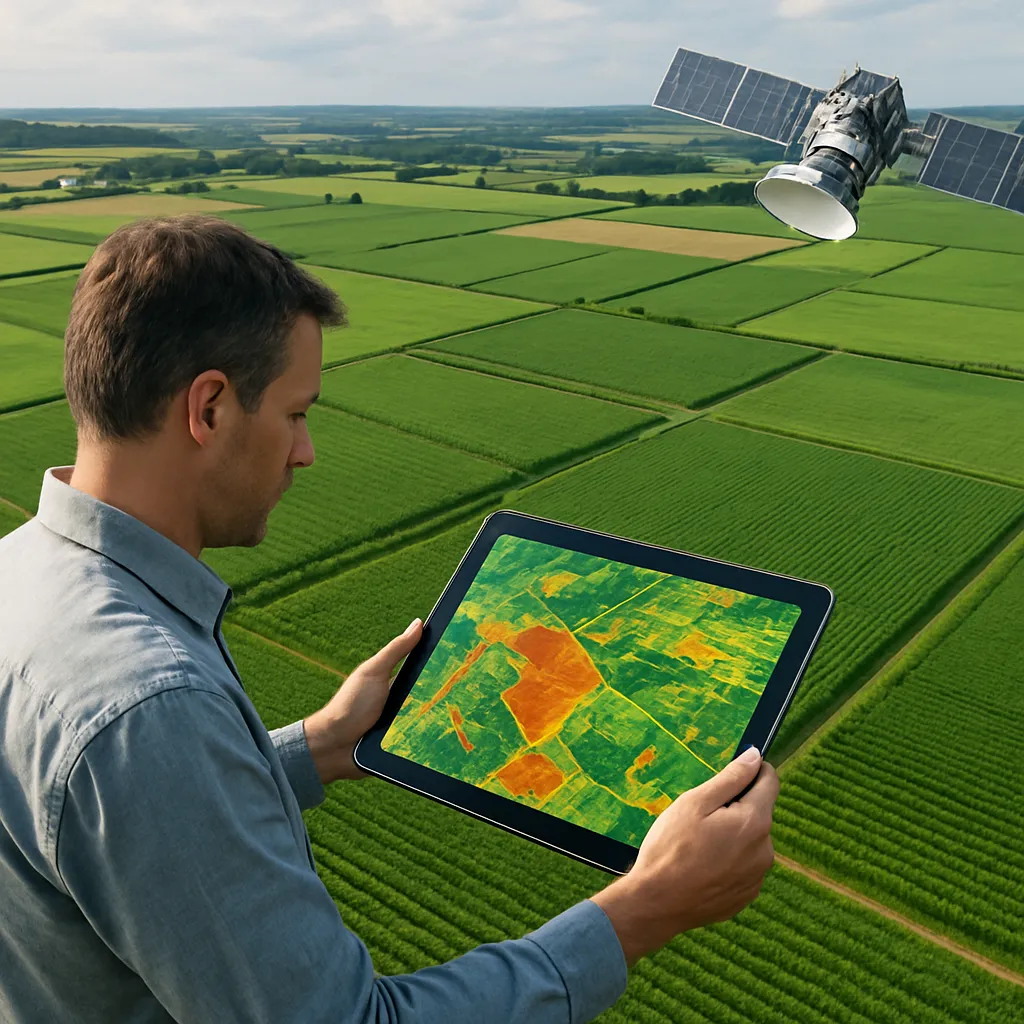
Such systems capture data from satellite imagery, ground-based probes, and farm machinery. All inputs converge into centralized platforms where models continuously refine predictions. This continuous learning loop enhances Efficiency and fosters a new era of Sustainability in field operations.
Early Pest and Disease Detection
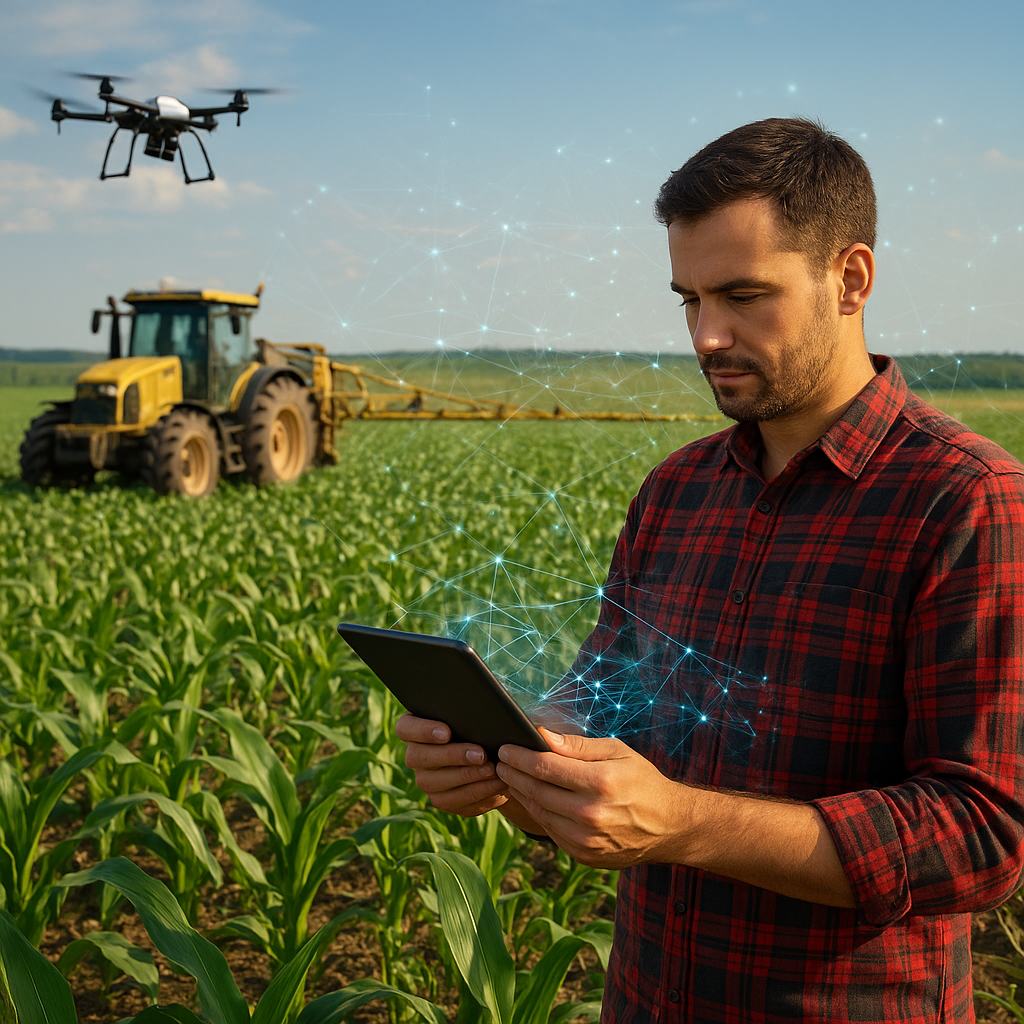
Incidence of pests and diseases can decimate yields within weeks, but machine vision and cloud computing are closing the gap between detection and intervention. Unmanned aerial vehicles equipped with hyperspectral cameras scan hectares of crops, transmitting high-resolution images for immediate analysis. When an anomaly emerges—such as defoliation patterns or chlorophyll deficiency—an alert triggers targeted treatment.
- Deep learning models distinguish between multiple stress factors, minimizing false positives.
- Mobile apps guide farmers through on-site inspections, reinforced by AI-driven recommendations.
- Precision sprayers apply pesticides only where needed, reducing chemical runoff.
By catching issues at their inception, producers preserve plant health, maximize Yields, and lower dependency on broad-spectrum agrochemicals.
Big Data Analytics for Supply Chain Optimization
As the world’s population rises, efficient movement of agricultural commodities becomes critical. Big Data analytics unlocks hidden patterns in trade flows, logistics, and consumption trends. Retailers and food processors monitor vast datasets—covering weather events, transportation bottlenecks, and market prices—to make proactive decisions that limit spoilage and satisfy demand peaks.
Traceability and Quality Control
Consumers increasingly demand transparency about origin, cultivation methods, and safety standards. Blockchain technologies, underpinned by robust data repositories, enable end-to-end traceability. Each batch of produce bears a unique digital identity, tracking:
- Harvest date, field location, and handling procedures.
- Storage temperature logs from collection centers to distribution hubs.
- Test results for pesticide residues and microbial analysis.
When quality deviations arise, stakeholders pinpoint weak links swiftly. This level of granularity not only bolsters food safety but also enhances brand reputation in competitive markets.
Demand Forecasting and Inventory Management
Misalignment between supply and demand leads to wasted resources or missed sales. Predictive analytics platforms draw from point-of-sale data, social media sentiment, and economic indicators to forecast consumption patterns. In practical terms, this translates into:
- Dynamic pricing models that adjust to seasonal fluctuations.
- Automated reordering alerts for retailers based on projected shortfalls.
- Optimized transport routes that minimize fuel costs and delivery times.
By synchronizing production schedules with market needs, agribusinesses achieve higher turnover rates, reduce inventory spoilage, and strengthen supply chain resilience against unexpected disruptions.
Challenges and Future Prospects
Despite impressive gains, the integration of high-tech solutions in agriculture presents several hurdles. First, smallholder farmers often lack access to reliable internet connectivity and sophisticated hardware. Bridging this digital divide requires public-private partnerships that subsidize equipment costs and expand rural broadband. Second, data privacy concerns emerge as personal and farm-level information is collected at scale. Establishing clear governance frameworks will be vital to maintain trust and comply with international regulations.
Moreover, the diversity of agroecological zones presents a complex modeling challenge. Algorithms trained on temperate climates may underperform in tropical or arid regions. To overcome this, global consortia of researchers and industry players collaborate on open data initiatives, sharing annotated datasets that fuel cross-regional breakthroughs. As AI models become more robust and inclusive, their recommendations will drive higher efficiency gains across different farming systems.
Looking ahead, the convergence of robotics, edge computing, and advanced sensor networks heralds a new phase of agricultural modernization. Field robots capable of selective harvesting, weeding, and plant phenotyping are already in pilot stages. Combined with real-time analytics performed at the farm edge, these machines reduce latency, cut down on cloud processing costs, and enable instantaneous decision-making.
Ultimately, the synergy between Innovation, technology providers, and end users will determine whether these tools achieve mainstream adoption. By fostering training programs, standardizing data protocols, and demonstrating clear return on investment, stakeholders can unlock the full potential of smart farming. As the race for global food security intensifies, the alliance of Sensors, data scientists, and agricultural experts promises to transform every acre into a more productive, resilient, and environmentally responsible enterprise.