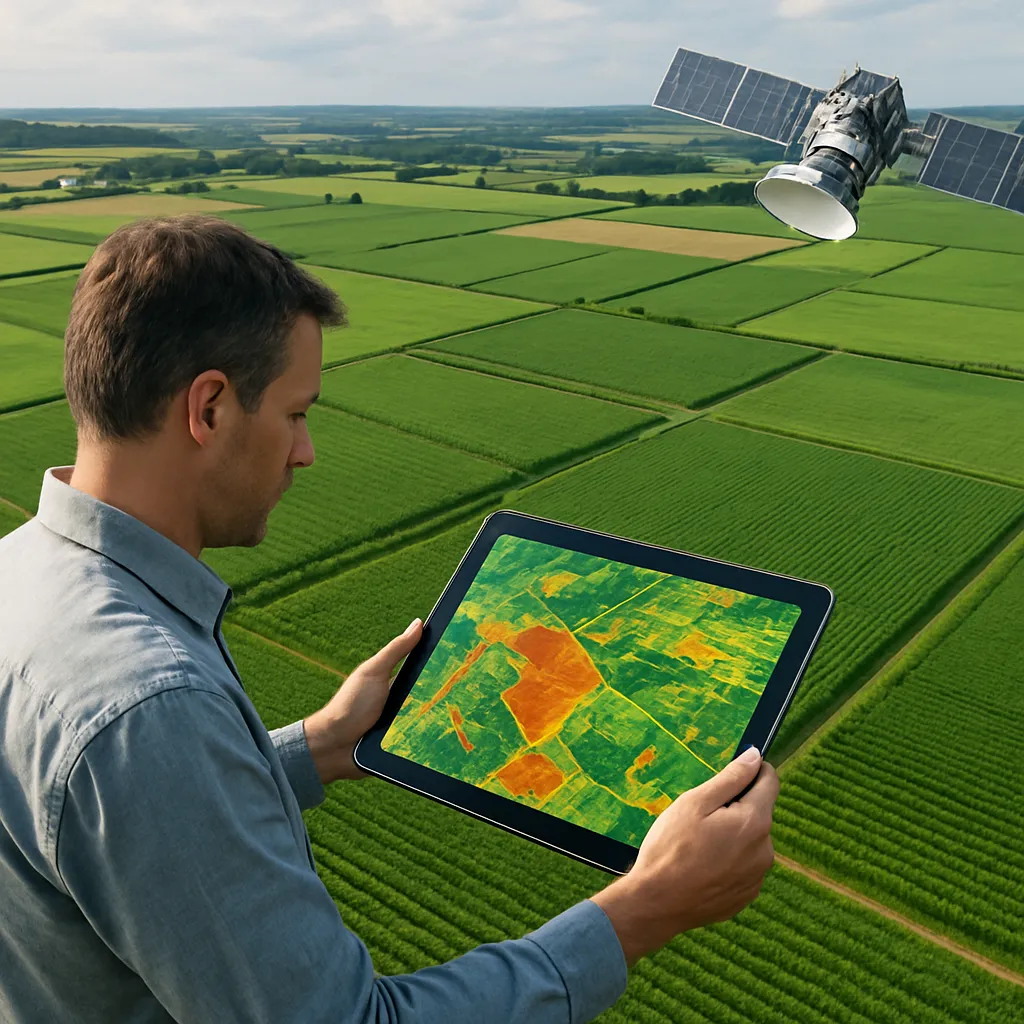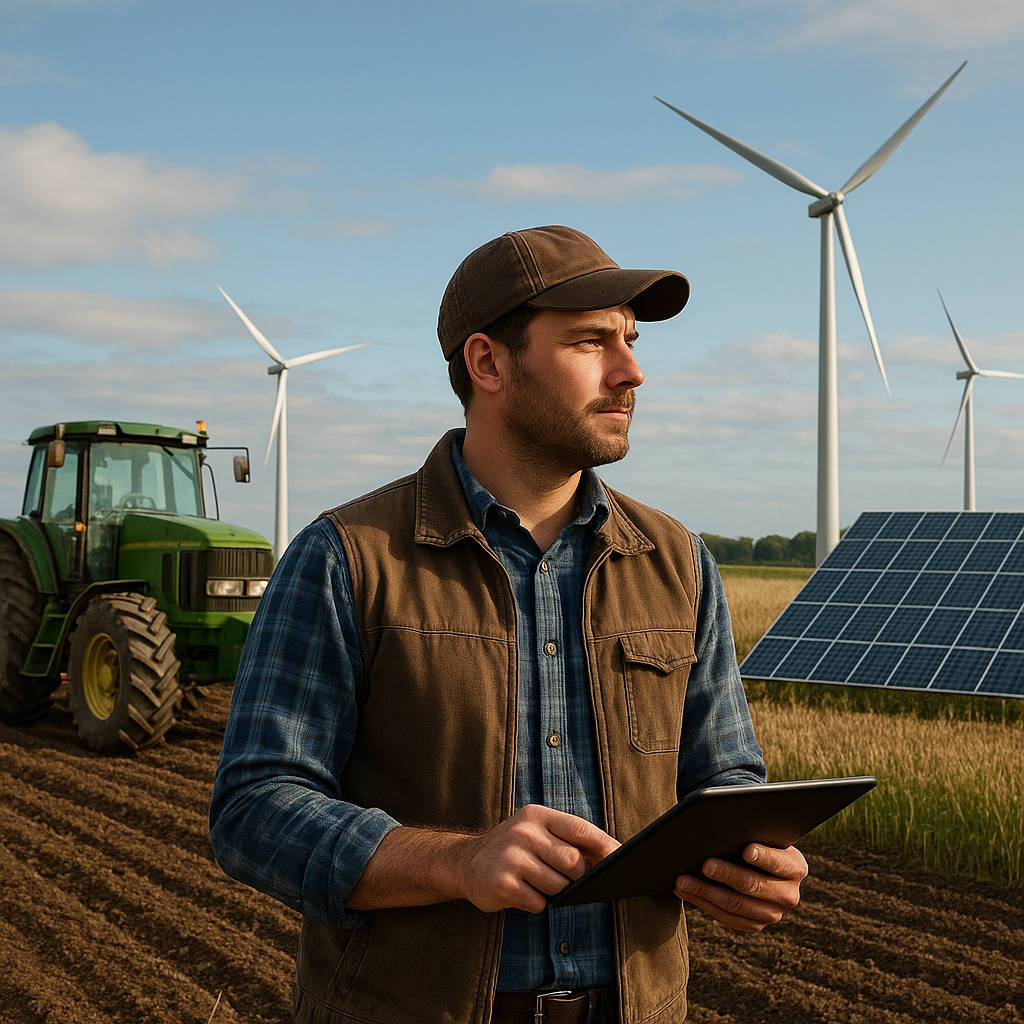
The agricultural sector stands at the crossroads of tradition and technological progress, with rising energy demands shaping its future trajectory. As global markets evolve, farmers seek to reduce costs, improve efficiency, and enhance long-term sustainability. The integration of renewable energy sources into farming operations offers a pathway to achieve these goals. This article examines multiple facets of how modern farms harness solar, wind, and biomass resources, evaluates the economic and environmental impacts, and explores the role of innovation in driving resilient agribusinesses.
Farming and Energy Demands
Farms around the world rely heavily on electricity and fuels to power irrigation pumps, refrigeration units, tractors, and other machinery. Traditional dependence on fossil fuels exposes producers to price volatility and supply disruptions. As the scale of the global agriculture market expands, so does the urgency to adopt cleaner, cost-effective energy solutions. Promoting innovation in energy procurement and usage equips farmers with the tools to:
- Lower operational expenses through on-site power generation
- Reduce greenhouse gas emissions linked to food production
- Enhance resilience against fluctuating energy prices
- Improve compliance with emerging environmental standards
Key challenges include the initial capital investment required for renewable installations, the need for technical expertise, and regulatory hurdles in certain regions. Partnerships between government agencies, equipment manufacturers, and financial institutions are instrumental in creating access to grants and favorable loans. As a result, an increasing number of agricultural enterprises recognize that long-term gains far outweigh up-front costs.
Solar Power Integration
Scalable Photovoltaic Systems
Solar photovoltaic (PV) panels have emerged as a leading choice for farm-based power generation. By installing ground-mounted arrays or rooftop systems on barns and storage facilities, producers can generate electricity at rates cheaper than retail grid prices in many regions. Highlights of solar deployment include:
- Modular expansion: Additional panels can be added as energy demand grows
- Net metering: Farmers can feed surplus electricity back to the grid
- Minimal maintenance: Few moving parts and long service life
Case studies from vineyards in Southern Europe and vegetable growers in California demonstrate average payback periods of 5 to 7 years—often accelerated by government incentives. Technological advances such as high-efficiency monocrystalline cells and bifacial panels further boost energy yields per square meter.
Solar-Powered Irrigation
Irrigation represents a significant portion of on-farm energy consumption. Solar-powered pumps, paired with battery storage or water-harvesting strategies, deliver a reliable supply without reliance on diesel generators. Benefits include:
- Reduced fuel logistics and associated emissions
- Improved water-use efficiency via precision scheduling
- Enhanced crop yields through consistent watering cycles
Innovative controllers monitor soil moisture levels and weather forecasts, optimizing pump operation. Integrating technology solutions with solar arrays empowers farmers to transition from manual oversight to automated irrigation networks.
Wind Energy on Farms
Small-Scale Turbines
For locations with steady wind resources, small-scale turbines offer an appealing alternative or complement to solar arrays. Designs ranging from 5 kW to 100 kW can offset a significant portion of a farm’s electrical load. Advantages include:
- Round-the-clock generation, especially useful during low-sun periods
- Compatibility with diverse terrains
- Resilience against grid outages when paired with microgrid setups
Selecting the optimal turbine involves assessing average wind speeds, turbulence factors, and zoning restrictions. Installation costs vary, but in areas with average speeds above 5 m/s, wind power often competes favorably with diesel alternatives.
Community Wind Projects
Collaborative ventures allow groups of farmers to co-invest in larger turbines or wind farms. By sharing capital costs and maintenance responsibilities, participants benefit from economies of scale. Community wind projects can:
- Drive down per-farm energy expenses
- Create local jobs in construction and upkeep
- Strengthen rural economies through retained energy revenues
Legal structures such as cooperatives or limited liability companies streamline governance. Clear agreements on output allocation and cost sharing ensure equitable gains for all stakeholders.
Biomass and Biogas Solutions
On-Farm Biomass Utilization
Agricultural residues—crop stalks, husks, and pruning waste—represent an untapped reservoir of energy. Converting these byproducts into heat or electricity via combustion or gasification reduces disposal cost and supplies discrete power. Key considerations include:
- Feedstock collection logistics
- Moisture content control for optimal combustion
- Emission management via particulate filters and scrubbers
Biomass boilers can service greenhouses, dairy barns, and processing facilities. By integrating heat recovery systems, farms can achieve over 80% utilization of the feedstock’s calorific value.
Biogas Digesters
Livestock operations generate significant quantities of manure, which holds potential for biogas production. Anaerobic digesters break down organic matter in oxygen-free tanks, yielding methane-rich biogas and nutrient-rich digestate. Farmers leverage these systems to:
- Produce captured biogas for on-site electricity generation
- Utilize waste heat for building climate control or drying grain
- Apply digestate as a low-grade fertilizer, closing nutrient loops
Modern digesters incorporate microbial monitoring and mixing controls to maximize gas output. Partnerships with local utilities or microgrid operators can allow excess electricity to be sold back to the grid, creating an additional revenue stream.
Economic and Environmental Impacts
Adopting renewable energy technologies reshapes the competitive landscape of global agribusiness. On the economic front, farms that invest in on-site power generation secure predictable energy costs, enhancing budgeting accuracy and reducing vulnerability to market swings. Renewable installations also qualify for carbon credits in many jurisdictions, providing monetization opportunities for environmental stewardship.
From a climate perspective, transitioning away from fossil fuels curbs greenhouse gas emissions associated with fertilizer manufacturing, transport, and machinery operation. Renewable systems foster biodiversity by minimizing air and water pollution and mitigating soil degradation caused by heavy equipment.
Critically, the synergy of multiple energy sources—solar, wind, and biomass—creates a robust microgrid capable of sustaining continuous operations. This hybrid approach addresses intermittency, ensures farm resilience, and supports the wider rural power network during emergencies.
As the agriculture global market continues to expand, embracing clean energy solutions will distinguish forward-looking producers. By leveraging technology and strategic partnerships, farming operations can achieve a greener, more profitable, and adaptable future.