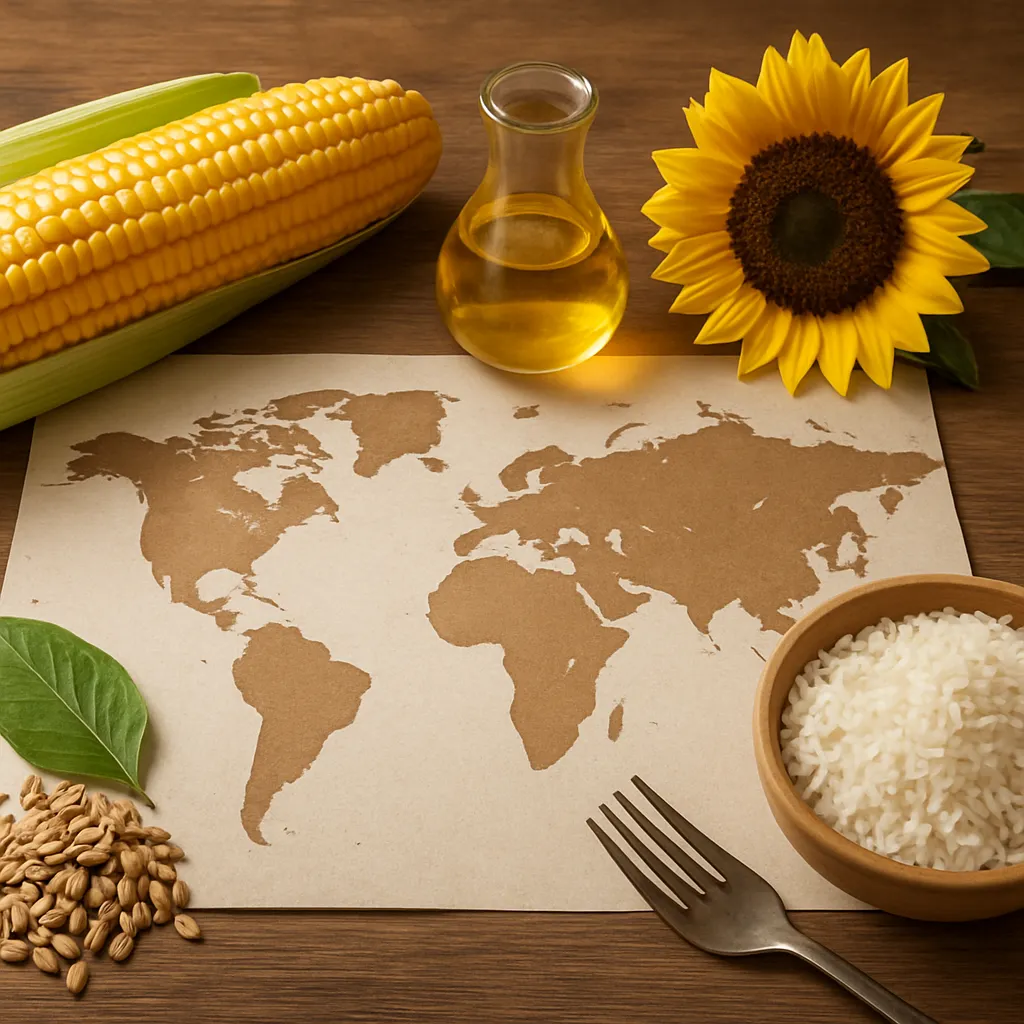
The Future of Crop Insurance in Global Markets explores how evolving risks, technological breakthroughs, and policy shifts are reshaping the ways farmers and insurers collaborate to protect harvests. With rising volatility due to climate change, supply chain disruptions, and shifting consumer demands, stakeholders seek innovative mechanisms to foster sustainability and financial resilience across diverse agricultural regions.
The Evolving Landscape of Global Crop Risks
Crop insurance has traditionally addressed localized hazards such as droughts, floods, pests, and diseases. However, globalization of trade and the emergence of complex supply networks have magnified systemic exposures. In regions where smallholders rely on rainfed agriculture, a single season’s failure can push entire communities into poverty. At the same time, large-scale producers contend with market price volatility driven by geopolitical tensions and fluctuating input costs.
Key risk factors include:
- Climate variability leading to unpredictable rainfall patterns and temperature extremes.
- Emerging pests and pathogens that thrive under warmer conditions.
- Market disruptions such as trade embargoes, tariff changes, and logistic bottlenecks.
- Financial risks linked to currency devaluation and inflation of farm inputs.
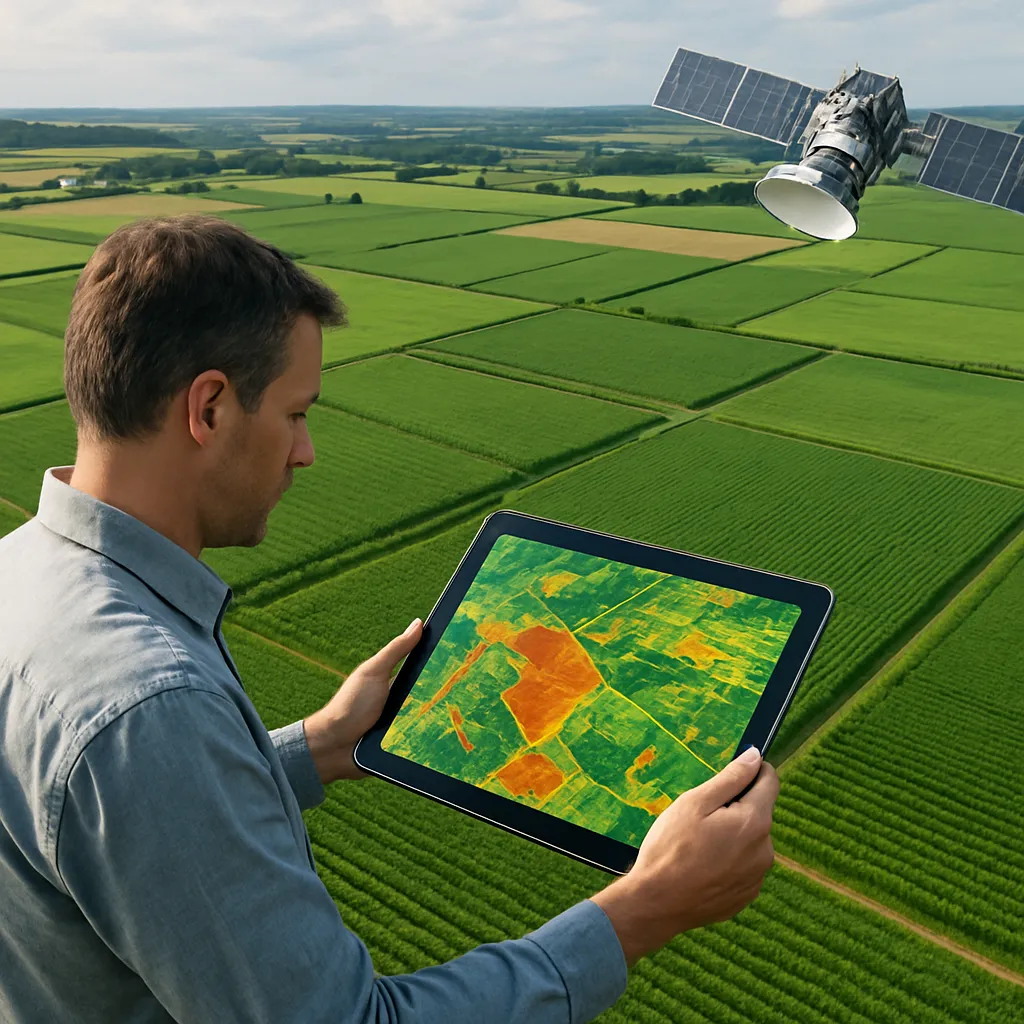
Insurers and policymakers must integrate risk assessments at multiple scales, from farm-level vulnerability to global commodity market dynamics. Sophisticated models now leverage satellite imagery, remote sensing, and data analytics to quantify exposures. These tools enable more precise mapping of risk zones and the design of tailored coverage products.
Innovations in Crop Insurance Models
Traditional indemnity-based policies rely on post-harvest loss assessments, which can be time-consuming and costly to verify. In recent years, parametric and index-based approaches have gained traction:
- Index insurance triggers payouts when predetermined thresholds—such as accumulated rainfall below a set level—are breached, bypassing the need for field inspections.
- Microinsurance products offer low-premium, simplified insurance for smallholders, often bundled with agronomic advice and input financing.
- Customized hybrid schemes combine indemnity and parametric features to balance accuracy with affordability.
Blockchain and distributed ledger technologies are being piloted to streamline claims processing and enhance transparency. By storing weather and yield data on immutable ledgers, insurers can automate settlement upon the verification of trigger events, reducing administrative costs and fraud risks. The integration of digitalization in underwriting and claims also facilitates real-time monitoring, enabling insurers to adjust risk parameters dynamically as conditions evolve.
Case Study: East African Index Initiative
In East Africa, a consortium of insurers, NGOs, and governments launched an index insurance platform for maize and sorghum producers. Farmers purchase coverage through mobile money, paying premiums based on satellite-derived rainfall indices. When seasonal precipitation falls below 70% of the long-term average, automated payouts are disbursed within days, enabling timely input purchases for the next planting season. This model has demonstrated how microinsurance can bolster food security while fostering financial inclusion.
Challenges and Opportunities in Implementation
Despite technological promise, several hurdles must be addressed to unlock the full potential of modern crop insurance:
- Affordability: Premiums must remain accessible to resource-poor farmers. Subsidy schemes and public-private partnerships often play a vital role in lowering costs.
- Basis risk: The risk that index triggers may not accurately reflect individual losses can deter adoption. Continuous improvement of weather station networks and high-resolution remote sensing is crucial to minimize this gap.
- Regulatory frameworks: Many emerging markets lack comprehensive insurance regulations, leading to market fragmentation and inconsistent consumer protection standards.
- Capacity building: Training local agents, brokers, and extension officers is essential to increase awareness and trust in new products.
Governments and development agencies are exploring cross-subsidization models where revenues from higher-value commodity coverage help underwrite smallholder schemes. Additionally, climate adaptation funds and multilateral development banks are increasingly channeling grants to scale up index-based programs. As insurers refine pricing using artificial intelligence, there is an opportunity to extend customized solutions even in remote regions with sparse data.
Emerging Technologies and Future Trends
As the agricultural sector undergoes digital transformation, several trends will shape the next decade of crop insurance:
- Internet of Things (IoT) sensors deployed in fields to capture soil moisture, crop health, and microclimate data in real time.
- Machine learning algorithms capable of predicting outbreak patterns of pests and diseases based on historical and current environmental variables.
- Peer-to-peer and parametric micro-pools that allow farmers to collectively share risk, reducing reliance on large insurers.
- Satellite constellations offering daily coverage at sub-meter resolution, enabling more precise yield estimation and faster claim validation.
These innovations will deepen integration between agronomic practices and financial tools, fostering a comprehensive risk management ecosystem. Insurers will increasingly partner with agtech startups and research institutions to co-develop platforms that combine advisory services, real-time monitoring, and automated claims.
Looking ahead, the convergence of blockchain transparency, IoT connectivity, and advanced analytics will empower farmers to take ownership of data and negotiate fairer terms. As global markets demand consistent supply volumes and quality, robust crop insurance mechanisms will become an indispensable component of farm resilience strategies, ensuring that producers can adapt to changing conditions while maintaining economic viability across diverse agricultural landscapes.