The expansion of agricultural exports has reshaped trade patterns, national economies and rural communities around the world. As nations seek to harness competitive advantages in production and logistics, shifting consumer preferences, geopolitical developments and environmental considerations drive evolving trends. This article explores the major forces shaping global agri exports today, highlights the impact of technological advancements and identifies emerging opportunities that lie ahead for producers, traders and policymakers.
Agricultural Export Dynamics in the 21st Century
Changing Supply and Demand Patterns
Global agricultural markets have become increasingly interconnected due to globalization and the liberalization of trade policies. Rapid economic growth in regions such as Southeast Asia and Sub-Saharan Africa has led to rising incomes and urbanization. These social transformations drive a surge in demand for high-protein foods, specialty crops and convenience products. Meanwhile, traditional grain and oilseed exporters in the Americas and Black Sea region continue to expand output, leveraging economies of scale and advanced agronomic techniques.
Trade Policy and Geopolitical Shifts
Trade agreements and regulatory frameworks play a defining role in determining market access and competitiveness. Multilateral pacts like the CPTPP and regional initiatives such as the African Continental Free Trade Area reduce tariffs and encourage diversification of export destinations. Conversely, trade disputes and sanitary measures can introduce volatility. Recent shifts toward protectionist measures in some economies highlight the importance of robust biosecurity standards, transparent certification processes and diplomatic engagement to sustain long-term trade flows.
Infrastructure and Logistics Challenges
Efficient supply chains are essential for perishable commodities, value-added food products and bulk grains alike. Many emerging exporters face gaps in storage, transport and port facilities. Investments in roads, railways and cold chains can dramatically reduce post-harvest losses and strengthen competitiveness. Innovative financing models, such as public-private partnerships, are being deployed to upgrade critical infrastructure in key export corridors from Latin America to Central Asia.
Technological Innovations and Sustainability
Precision Agriculture and Smart Farming
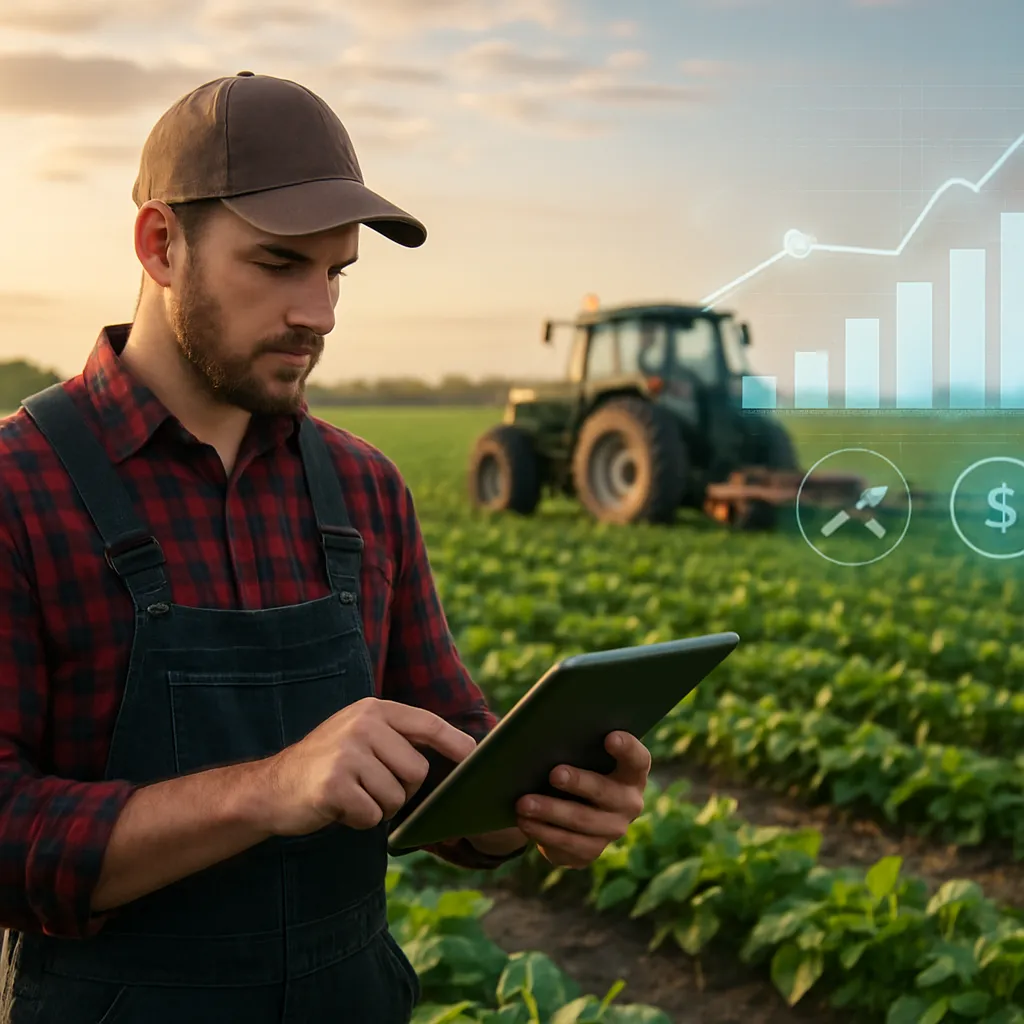
Technologies like GPS-guided machinery, soil sensors and satellite imagery enable farmers to optimize input use, increase yields and minimize environmental impact. The rise of digitalization platforms helps producers monitor crop health in real time, forecast weather-related risks and apply fertilizers with pinpoint accuracy. These tools not only boost productivity but also enhance traceability, which is increasingly demanded by importers seeking assurance on quality and safety.
Sustainable Practices and Certifications
Consumers and retailers are placing a premium on ethically sourced and eco-friendly products. Certifications such as Rainforest Alliance, Organic and Fair Trade open doors to high-value markets but require investments in training, audits and compliance systems. The integration of sustainable water management, reduced chemical usage and regenerative soil practices contributes to long-term resilience. Through sustainability initiatives, exporters can command price premiums and secure contracts with multinational buyers committed to environmental goals.
Biotechnology and Crop Improvement
Advancements in plant breeding, gene editing and bio-stimulant applications are transforming crop resilience and nutritional value. Improved seed varieties tolerate drought, salinity and pests more effectively, safeguarding harvests in the face of climate volatility. The responsible deployment of biotech solutions, guided by rigorous risk assessments and transparent communication, addresses both productivity needs and consumer concerns over food safety.
Emerging Markets and Future Opportunities
Expanding Demand in Asia and Africa
With populations exceeding four billion people, Asia and Africa represent vast potential for agricultural exports. Rising middle classes in India, Nigeria and Indonesia are diversifying diets to include more meats, dairy and processed foods. Exporters from Europe, the Americas and Oceania are forging trade partnerships to meet these evolving tastes. Building local distribution networks, forging joint ventures with regional processors and tailoring products to cultural preferences are key strategies for success.
High-Value and Niche Products
- Specialty coffee and cocoa blends targeting artisan roasters
- Organic fruits, vegetables and superfoods marketed via e-commerce
- Plant-based protein ingredients catering to flexitarian diets
- Functional foods enriched with probiotics or micronutrients
These segments rely heavily on branding, consistent quality and sustainable sourcing claims. Companies that invest in robust value chains collaboration, from farm to consumer, can unlock higher margins and customer loyalty in competitive markets.
Risk Management and Financial Instruments
Price volatility, weather events and currency fluctuations pose significant threats to export revenues. Commodity exchanges, futures contracts and weather-indexed insurance products offer tools to hedge against uncertainty. Strengthening access to trade finance—such as export credits, working capital guarantees and supply chain financing—empowers small and medium agribusinesses to scale operations and respond swiftly to market shifts.
Leveraging Digital Trade Platforms
Online marketplaces and blockchain-based traceability systems are revolutionizing how agricultural commodities are marketed and tracked. Digital platforms connect growers directly with global buyers, reducing transactional frictions and enhancing transparency. Blockchain records enable real-time verification of origin, quality and sustainability attributes, building trust among stakeholders and facilitating compliance with international standards.
Strategies for Enhancing Global Competitiveness
Product Diversification and Market Intelligence
Diversifying export portfolios mitigates risks associated with single-commodity dependence. Market research, consumer analytics and scenario planning inform product innovation and strategic positioning. Tailored offerings—such as fortified grains in aging-population regions or gluten-free grains for specialized diets—meet emerging nutritional demands.
Building Resilience Through Collaboration
Public-private partnerships, producer cooperatives and multilateral development programs foster capacity building, knowledge transfer and investment in resilience measures. Collaborative efforts reduce barriers to entry, share best practices and strengthen negotiation leverage for small-scale farmers in global value chains.
Boosting Operational Efficiency and Sustainability
Enhancing operational efficiency through lean management principles, renewable energy integration and waste valorization reduces costs and environmental footprint. Circular economy approaches—such as converting crop residues into bioenergy or compost—generate additional revenue streams while addressing sustainability goals.
Outlook and Strategic Imperatives
As the global demand for safe, nutritious and sustainably produced food continues to rise, stakeholders across the supply chain must embrace innovation, leverage advanced technologies and foster inclusive partnerships. Strengthening quality standards, optimizing logistics and expanding digital trade networks will be crucial to capture emerging opportunities. With an unwavering focus on sustainability and resilience, agricultural exporters can navigate uncertainties and contribute meaningfully to food security and economic development worldwide.