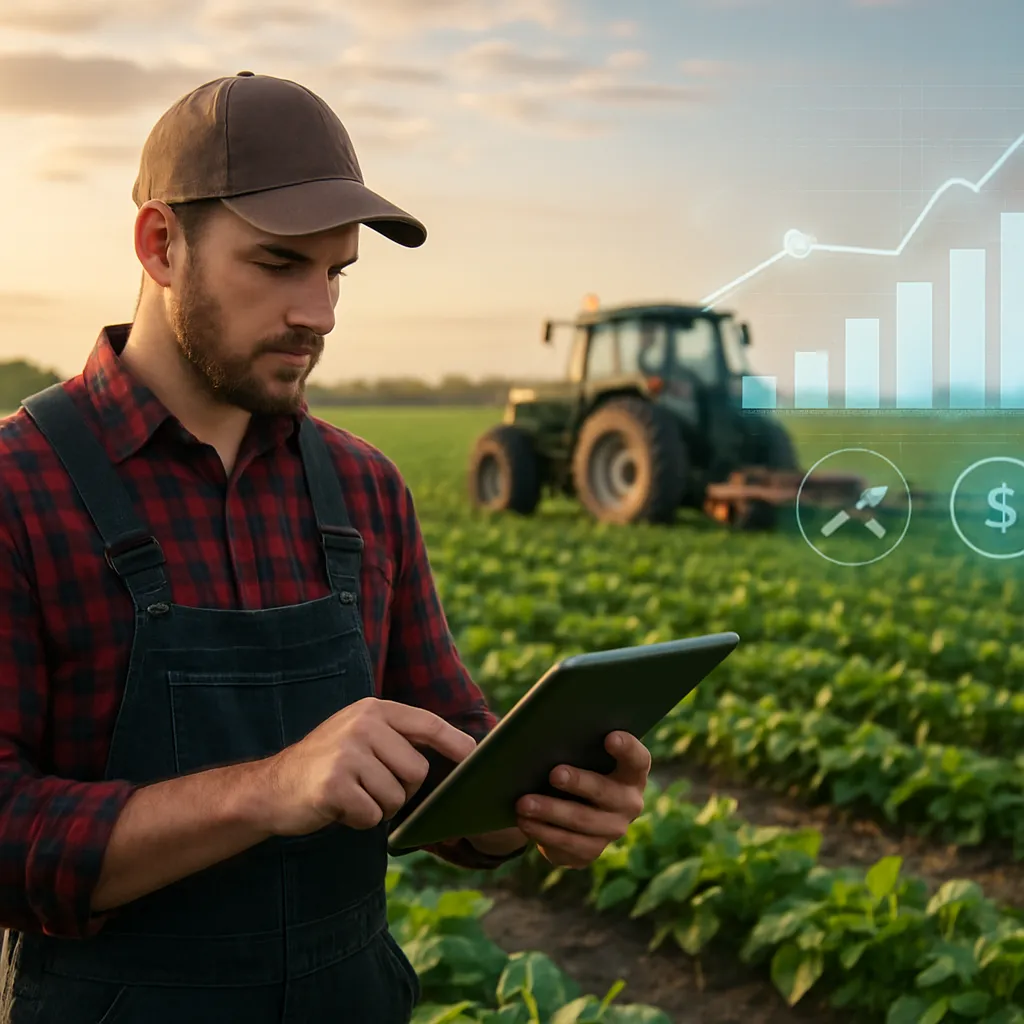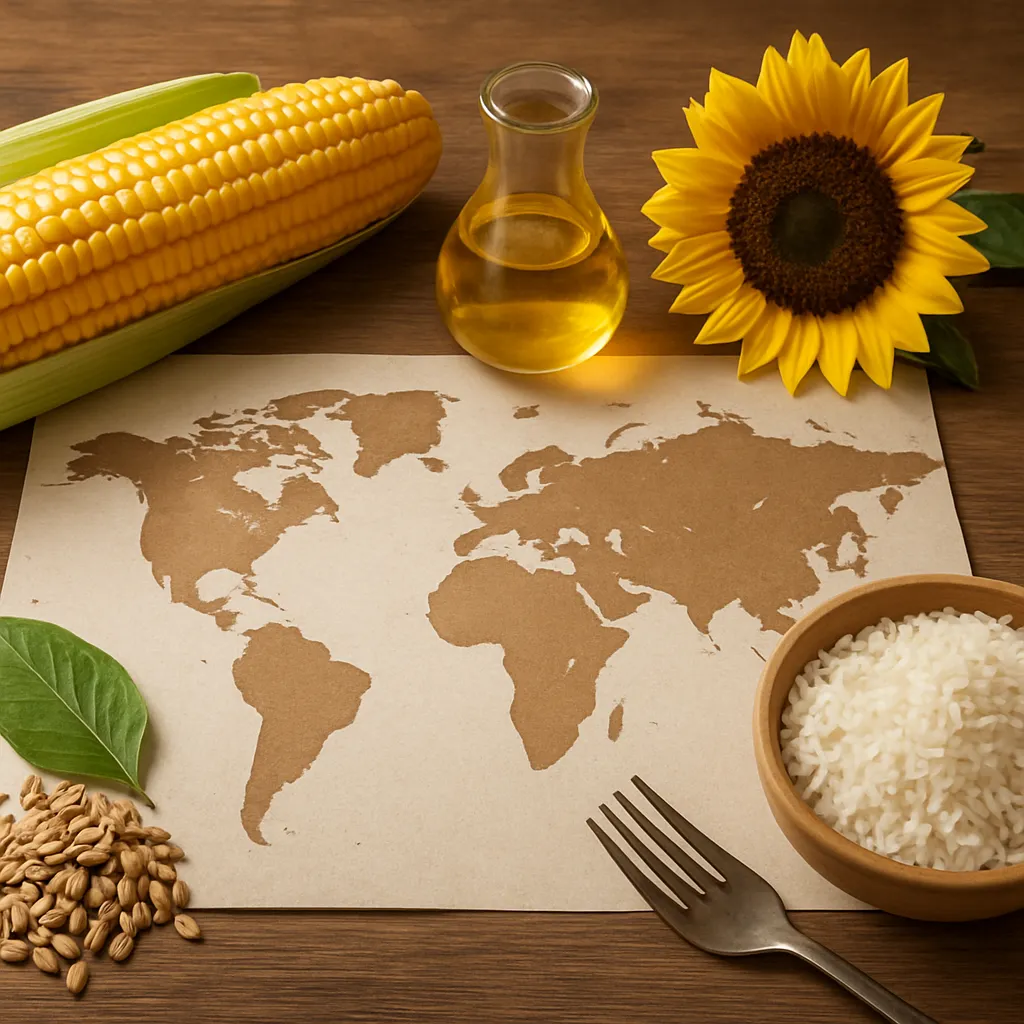
The surge in global population has intensified the strain on our agricultural systems, demanding a profound reevaluation of production methods, distribution channels, and market structures. As communities expand and diets diversify, meeting the escalating demand for safe, nutritious food becomes an urgent priority. This article examines how demographic trends shape the agriculture sector, the innovations fueling enhanced productivity, and the evolving roles of global markets in ensuring equitable access to sustenance.
Population Dynamics and Agricultural Pressure
Rapid demographic expansion is a key driver behind the rise in food requirements. Projections indicate that the global population will surpass 9.7 billion by 2050, exerting unprecedented pressure on arable land and water supplies. Urbanization further amplifies this trend, as individuals shift from traditional subsistence farming to city-based consumption patterns. Consequently, producers face mounting expectations to scale output while preserving ecological integrity.
- Expanding Middle Class: As incomes grow, dietary preferences shift toward protein-rich foods, heightening nutrition demands and straining livestock systems.
- Rural-to-Urban Migration: Urban growth alters supply chains, requiring efficient cold storage and transport to reduce post-harvest losses.
- Dietary Diversity: Greater access to diverse cuisines boosts the need for fruits, vegetables, and specialty crops, challenging monoculture practices.
These shifts compel stakeholders to rethink resource allocation. With land conversion limited in many regions, intensification of existing farms must be balanced against potential environmental degradation.
Adapting Agricultural Practices to Meet Rising Demand
To address burgeoning food needs, farmers and policymakers are embracing methods that enhance yields and optimize resource use. Techniques ranging from precision farming to integrated pest management are instrumental in boosting sustainability and reducing input waste.
Precision Agriculture and Technology
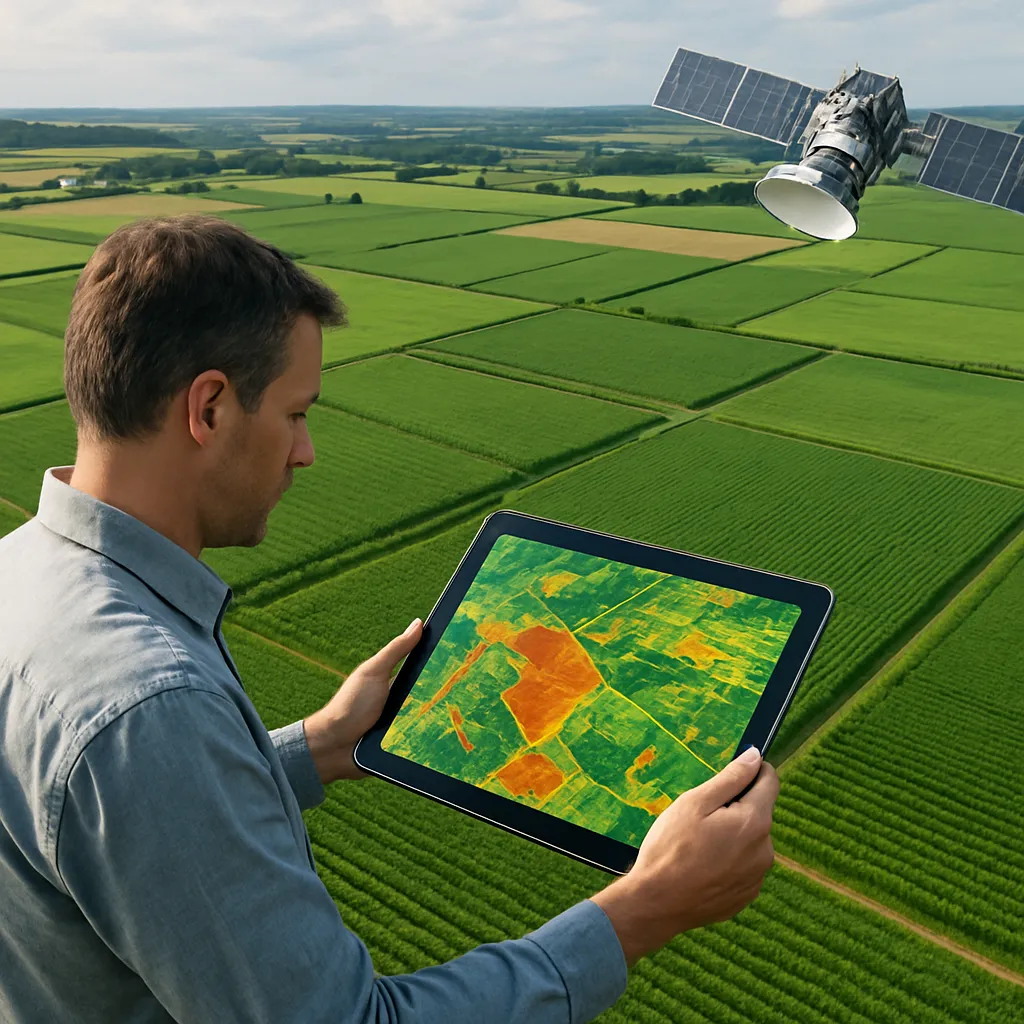
Digital tools—such as satellite imagery, soil sensors, and drone monitoring—enable data-driven decisions at the plot level. By assessing plant health, moisture content, and nutrient deficiencies in real time, producers can apply fertilizers and water only where necessary. Such precision reduces costs, conserves water, and diminishes chemical runoff into surrounding ecosystems.
Sustainable Intensification
Rather than expanding farmland, sustainable intensification focuses on raising yields per hectare while minimizing environmental footprints. Key strategies include:
- Crop Rotation: Alternating crop families to maintain soil fertility and break pest cycles.
- Agroforestry: Integrating trees with crops to enhance carbon sequestration and biodiversity.
- Cover Cropping: Planting non-harvested species to prevent erosion and suppress weeds.
By combining these practices, farmers can bolster long-term soil health and boost resilience against climate variability.
Global Market Trends and Trade Implications
International trade serves as a vital mechanism for balancing surpluses and deficits across regions. While some nations enjoy abundant harvests, others face chronic shortages. Global market integration can smooth price volatility and facilitate food security, but it also introduces dependencies and geopolitical considerations.
- Export Restrictions: In response to domestic shortages, exporting countries may impose bans, disrupting supply chains and driving up world prices.
- Trade Agreements: Regional pacts can lower tariffs and harmonize standards, promoting smoother cross-border flows of grains, dairy, and produce.
- Commodity Speculation: Financial markets often treat staple crops as tradable assets, injecting volatility that can harm vulnerable consumers.
Effective governance of trade regimes requires transparency, dispute resolution mechanisms, and safeguards against protectionism. Cultivating diverse trade partners and investing in resilient logistic networks are essential strategies for mitigating supply shocks.
Environmental Challenges and Resource Management
Climate change, land degradation, and water scarcity are formidable obstacles to sustainable food production. As weather patterns shift, droughts, floods, and erratic temperature fluctuations threaten crop stability. Addressing these issues demands coordinated efforts across science, policy, and industry.
- Water Efficiency: Drip irrigation and rainwater harvesting can conserve precious freshwater and reduce competition between agriculture and urban use.
- Climate-Resilient Varieties: Breeding or genetically improving crops for heat and drought tolerance helps maintain yields under stress.
- Soil Carbon Sequestration: No-till farming and organic amendments enhance carbon storage, mitigating greenhouse gas emissions.
Maintaining a balance between productivity and conservation is at the heart of long-term food system stability. Investments in research and extension services empower farmers to adopt best practices tailored to local conditions, promoting resource stewardship and enhancing ecosystem services.
Financing the Future of Global Agriculture
Mobilizing capital for agricultural innovation and infrastructure is crucial to meeting surging demand. Public-private partnerships, impact investments, and agile financing mechanisms can channel funds into areas with the greatest potential for transformation.
- Microfinance Initiatives: Smallholder farmers often lack collateral; microloans enable them to procure quality seeds and adopt modern equipment.
- Green Bonds: Issued to fund environmentally beneficial projects—such as irrigation upgrades or renewable energy installations on farms—these bonds attract socially conscious investors.
- Development Funds: Multilateral agencies and philanthropic foundations provide grants and concessional loans to support capacity building and policy reform.
By aligning financial incentives with sustainability goals, stakeholders can de-risk agricultural ventures and scale promising innovations. Transparent monitoring and impact measurement ensure that investments yield tangible benefits for producers and consumers alike.
Innovations Shaping Tomorrow’s Food Systems
Emerging technologies are poised to revolutionize how we produce, process, and distribute food. From cellular agriculture to blockchain-enabled traceability, innovation offers pathways to greater efficiency and safety.
- Vertical Farming: Controlled-environment agriculture in urban settings can deliver fresh produce year-round, reducing transport emissions and land use.
- Alternative Proteins: Plant-based and lab-grown meats provide protein sources with lower environmental footprints compared to conventional livestock.
- Digital Traceability: Blockchain platforms allow end-to-end tracking of commodities, improving food safety and building consumer trust.
Adopting these tools at scale requires robust policy frameworks, cross-sector collaboration, and workforce training. Equipping farmers and agribusinesses with the skills to leverage digital solutions will be critical to modernizing value chains and enhancing competitiveness.
End