The global agricultural landscape is undergoing a profound transformation driven by cutting-edge innovation and rapid technological adoption. Farmers around the world are increasingly investing in advanced machinery that enhances efficiency, reduces waste, and maximizes yields. This article explores major trends shaping the modern farm equipment sector, highlighting breakthroughs in automation, the rise of precision agriculture, the push towards sustainability, and the shifting dynamics of the global marketplace.
Technological Breakthroughs in Farm Machinery
Automation and Robotics
Farmers are embracing robotics to handle labor-intensive tasks such as planting, weeding, and harvesting. Autonomous tractors equipped with advanced sensors and GPS guidance systems can operate around the clock, optimizing routes and minimizing soil compaction. Key features include:
- Automated steering and obstacle detection via LiDAR and computer vision
- Self-loading combines that adjust header height and speed in real time
- Robotic milking parlors for dairy operations, increasing efficiency and animal comfort
Internet of Things and Connectivity
The integration of IoT devices across farm equipment is enabling real-time data exchange. Telematics systems monitor fuel consumption, machine uptime, and performance metrics. Connectivity solutions include:
- Wireless networks for seamless data transfer between field sensors and cloud platforms
- Fleet management tools that track equipment location, maintenance schedules, and operator behavior
- Mobile applications offering remote diagnostics, firmware updates, and predictive alerts
Artificial Intelligence and Data Analytics
Artificial AI algorithms process vast amounts of field data to deliver actionable insights. Farmers can leverage machine learning models to anticipate pest outbreaks, optimize irrigation scheduling, and forecast yields. Benefits encompass:
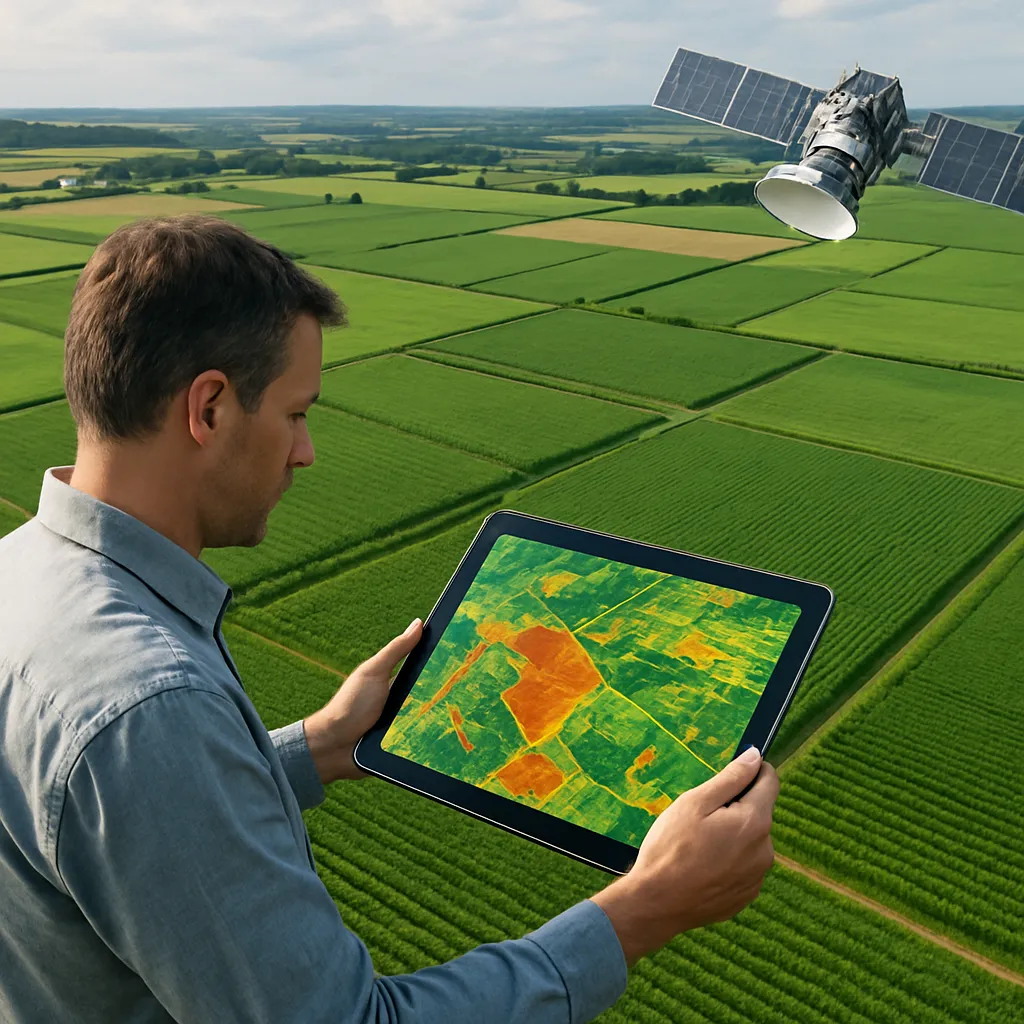
- Enhanced decision-making based on crop health imaging and environmental variables
- Adaptive machinery settings that respond to soil moisture, nutrient levels, and weather forecasts
- Cost savings through targeted application of fertilizers, herbicides, and water
Sustainable Machinery and Environmental Stewardship
Alternative Power Sources
To reduce carbon footprints, manufacturers are developing farm equipment powered by electricity, hydrogen fuel cells, and biofuels. Electric tractors and implements promise lower operating costs, quieter operation, and zero tailpipe emissions. Examples include:
- Battery-electric utility vehicles for orchard and vineyard operations
- Hydrogen-powered combines with rapid refueling capabilities
- Biofuel-compatible engines that run on locally produced feedstocks
Conservation Tillage and Soil Health
Modern tillage machines are designed to minimize soil disturbance, preserving organic matter and reducing erosion. Conservation tillage implements feature variable-depth coulters and residue managers. Key advantages are:
- Improved water infiltration and retention in the root zone
- Enhanced microbial activity and nutrient cycling
- Lower fuel consumption and reduced greenhouse gas emissions
Precision Application Systems
Precision spray booms and variable-rate nutrient applicators target inputs where they are needed most, cutting costs and environmental impact. These systems rely on GPS mapping, real-time flow control, and crop-sensing cameras. Outcomes include:
- Reduced chemical runoff into waterways
- Optimized fertilizer use, minimizing nitrous oxide emissions
- Higher profitability through input savings and yield gains
Global Market Dynamics and Adoption Patterns
Regional Growth Hotspots
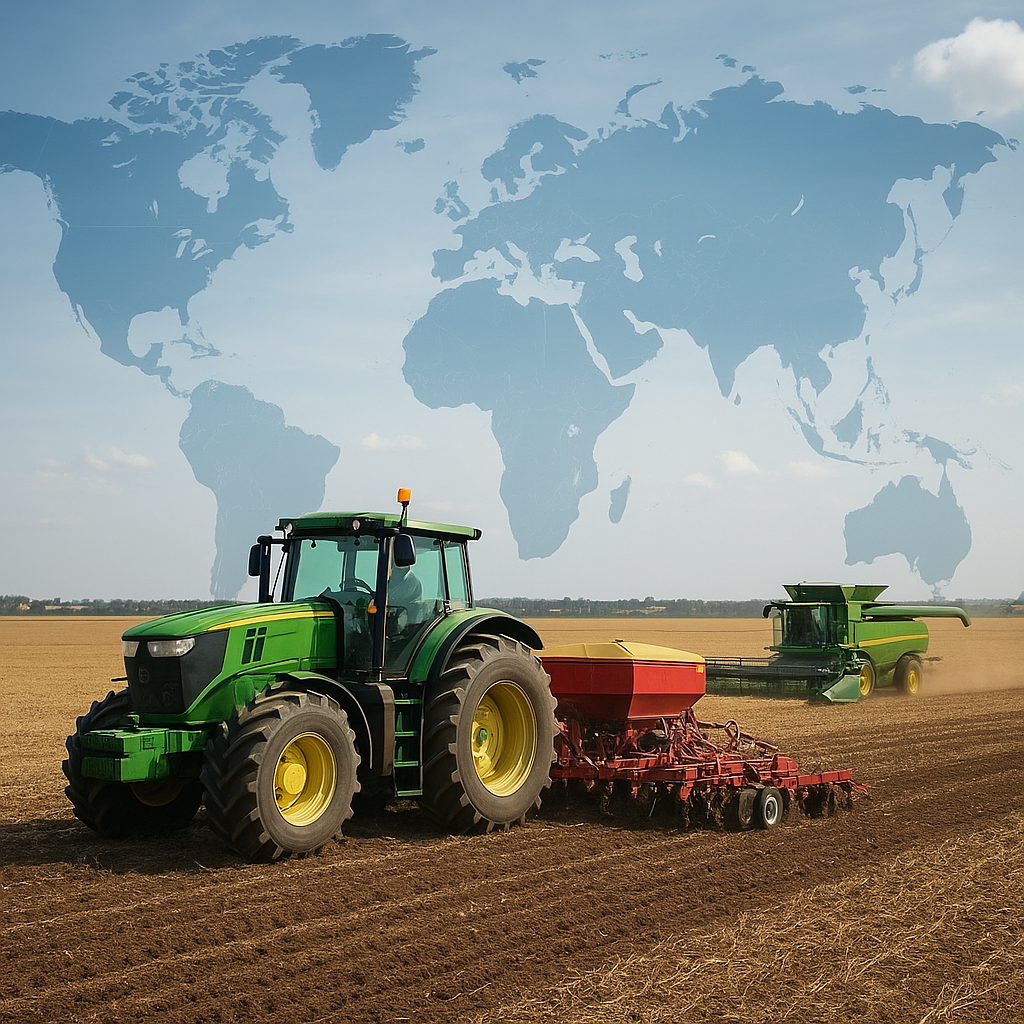
Emerging economies in Latin America, Southeast Asia, and Africa are witnessing rapid mechanization. Growing labor costs and a push for higher productivity are driving demand for modern equipment. Meanwhile, mature markets in North America and Europe focus on upgrading fleets with smart tractors and implements. Market drivers include:
- Government subsidies and financial incentives for innovation adoption
- Collaborations between OEMs and agri-tech startups to accelerate product development
- Rising consumer demand for sustainably produced food
Competitive Landscape and Consolidation
Major manufacturers are pursuing mergers and strategic alliances to expand their technology portfolios and geographic reach. Consolidation trends have led to the emergence of agri-tech giants offering end-to-end solutions. Key aspects:
- Acquisitions of precision software firms by equipment OEMs
- Joint ventures to co-develop electric drivetrains and autonomous platforms
- Subscription-based service models bundling equipment, data analytics, and maintenance
Emerging Business Models
The traditional sales model is shifting toward leasing, rental, and pay-per-use arrangements. Flexible ownership schemes allow smaller farms to access advanced machinery without large capital outlays. Notable trends:
- Equipment-as-a-Service (EaaS) platforms offering usage-based billing
- Shared ownership cooperatives pooling resources for high-end machinery
- Blockchain-based traceability systems ensuring transparency in supply chains
Challenges and Opportunities Ahead
Infrastructure and Connectivity Gaps
Rural internet access remains patchy in many regions, hindering the full potential of digitalization. Investments in broadband and rural 5G networks are essential to support real-time monitoring and remote control of equipment.
Workforce Skills and Training
The shift to high-tech machinery requires operators and technicians with advanced skill sets. Training programs and digital learning platforms are critical to equip the next generation of farmers and service providers with expertise in robotics, data science, and machine maintenance.
Regulatory and Standardization Hurdles
Harmonizing regulations around autonomous vehicle operation, emissions standards, and data privacy is an ongoing task. Industry stakeholders must collaborate with policymakers to establish unified frameworks that foster innovation while ensuring safety and consumer trust.