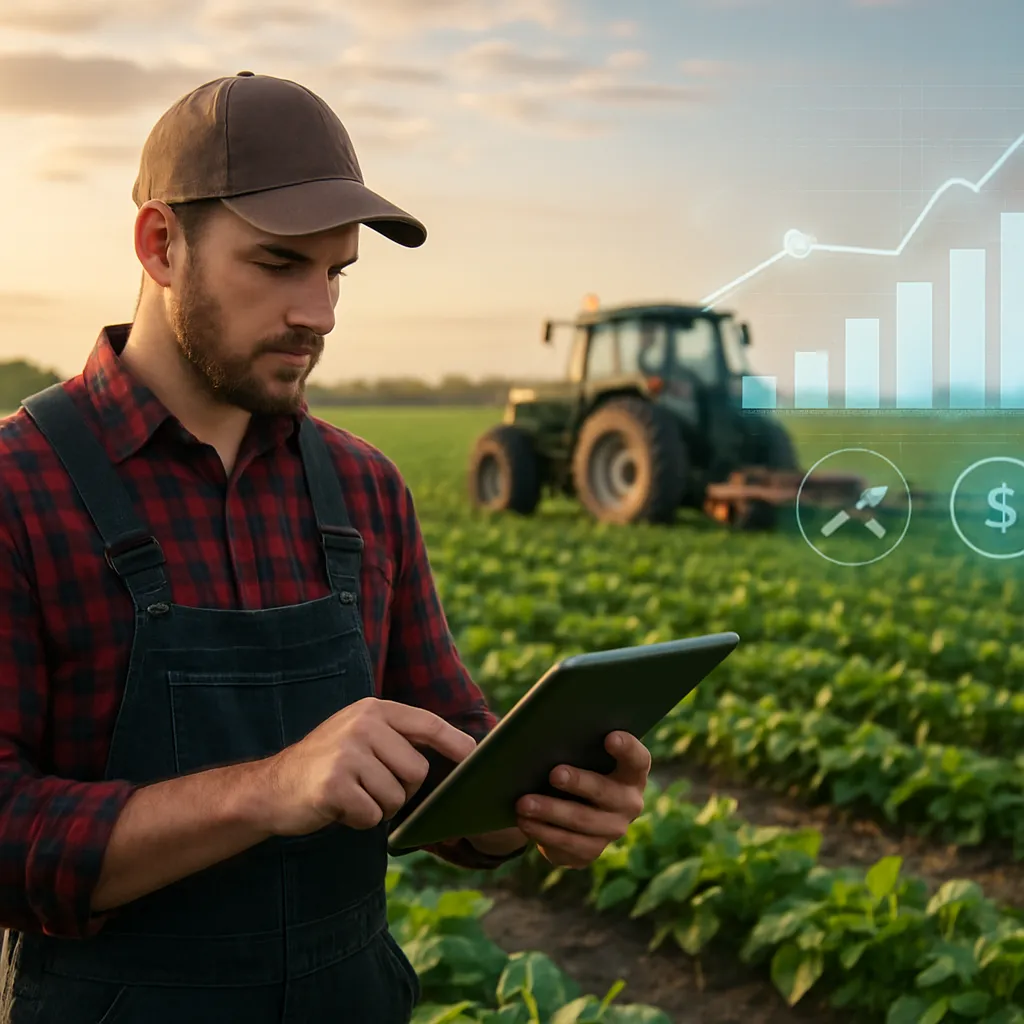
The global agriculture sector has faced unprecedented levels of uncertainty in recent years, driven by shifting weather patterns, geopolitical tensions and rapid changes in consumer demand. Effective management of risk has become a strategic priority for farmers, traders and policymakers alike. This article delves into the complex environment of agricultural markets, examining key drivers of price swings, financial tools for protection, operational responses and the role of technology in building a more resilient food system.
Understanding Volatile Commodity Markets
Price movements in grains, oilseeds and soft commodities can be dramatic, catching producers and buyers off guard. Several factors contribute to this heightened volatile environment:
Key Drivers of Price Fluctuations
- Weather Extremes: Droughts, floods or unseasonal frosts can severely impact yields, triggering immediate supply shocks.
- Geopolitical Events: Trade disputes, export bans and sanctions alter trade flows, prompting sudden market reactions.
- Currency Movements: A stronger local currency can make exports less competitive, whereas depreciation can inflate costs of imported inputs.
- Energy Prices: Rising oil and gas prices escalate fertilizer and transport costs, translating into higher production expenses.
- Speculative Activity: Financial investors seeking returns may drive prices beyond fundamental supply-demand balances.
Producers must monitor both fundamental indicators and macroeconomic signals to anticipate potential market swings. Building an awareness of intermarket correlations—such as the link between crude oil futures and corn markets—provides actionable insights for strategic planning.
Financial Instruments and Hedging Strategies
A robust financial toolkit allows participants to transfer or mitigate exposure to price risk. Key mechanisms include:
Futures and Options
- Futures Contracts: Lock in a future sale price today, reducing uncertainty about revenues at harvest time.
- Options Contracts: Pay a premium for the right, but not obligation, to buy or sell a commodity at a predetermined strike price, offering greater flexibility.
Over-the-Counter (OTC) Products
- Swaps and Forward Contracts: Customized agreements between counterparties to exchange commodity price exposures at a specified date.
- Basis Contracts: Hedge the differential between the local cash price and the benchmark futures price, protecting against local market deviations.
While hedging can limit upside potential, it secures a consistent price floor and aids in budgeting and loan servicing. Optimal hedging strategies often combine partial futures hedges with selective options, balancing cost and protection.
Index Insurance and Weather Derivatives
- Index-Based Insurance: Pay out based on an objective index (e.g., rainfall level) rather than actual crop loss, reducing administrative complexity.
- Weather Derivatives: Financial contracts tied to temperature, precipitation or wind indices, enabling risk transfer to capital markets.
Such instruments introduce advanced risk transfer avenues for farmers facing climate-linked yield variability. However, basis risk—when the index does not perfectly match local losses—remains a challenge.
Operational Resilience and Supply Chain Management
Beyond financial hedges, operational measures strengthen a farm’s capacity to absorb shocks. These include:
Crop Diversification
- Rotating Cereals, Legumes and Oilseeds: Diversifying crop rotations improves soil health and spreads revenue risk across products.
- Integrated Livestock Systems: Combining cropping with livestock provides alternative income streams and nutrient recycling benefits.
Sourcing and Distribution Networks
- Multiple Offtake Agreements: Establish relationships with domestic processors and international buyers, avoiding overreliance on a single channel.
- Strategic Storage and Logistics: Investing in on-farm or regional storage facilities allows for deferred sales when prices peak, capturing added value.
Supply chain disruptions—whether from port closures, shipping bottlenecks or labor shortages—underscore the need for diversification of logistics partners and flexible distribution plans. By establishing contingency protocols and digital tracking systems, stakeholders can maintain continuity during unforeseen events.
Innovations and Sustainable Practices
Emerging technologies and sustainable approaches offer new pathways to reduce exposure and build long-term resilience:
Precision Agriculture
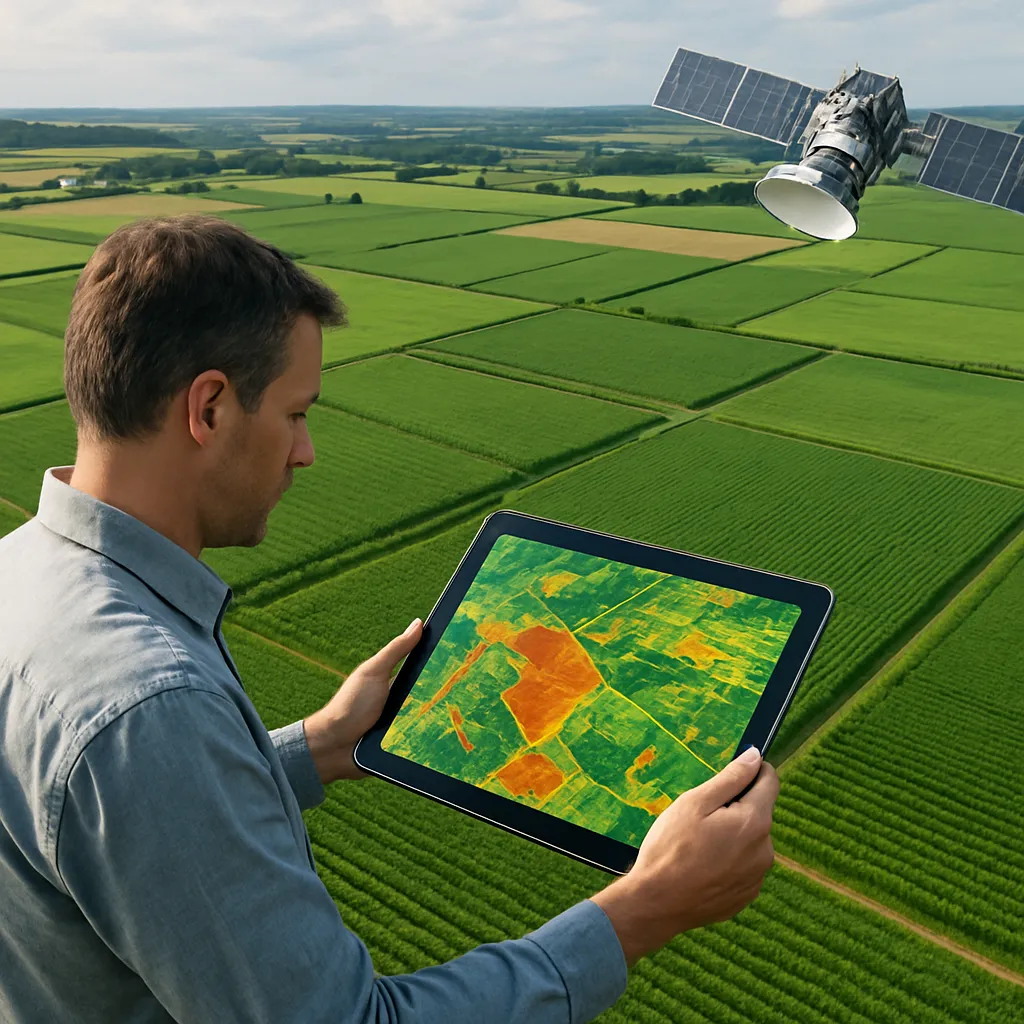
- Remote Sensing and IoT: Drones, satellites and field sensors generate real-time data on soil moisture, nutrient levels and crop health.
- Variable Rate Applications: Automated equipment adjusts input rates—fertilizer, seed or irrigation—optimizing yields and cutting waste.
Climate-Smart Techniques
- Conservation Tillage: Minimizing soil disturbance enhances carbon sequestration and moisture retention.
- Cover Cropping: Protects topsoil, suppresses weeds and supports beneficial microbial activity.
Adoption of these practices not only mitigates production risks but also aligns with increasingly stringent sustainability standards demanded by international buyers. A focus on sustainability can unlock premium markets, such as those requiring low-carbon or biodiversity-friendly certifications.
Digital Platforms and Data Analytics
Advanced analytics and blockchain solutions enable transparent record-keeping and more accurate demand forecasting. Platforms that consolidate weather, market and input-cost data empower decision-makers to perform scenario analyses, enhancing preparedness for extreme events.
Policy Frameworks and International Cooperation
Governments and multilateral institutions play a pivotal role in shaping an environment conducive to effective risk management:
- Supportive Subsidy Schemes: Targeted subsidies for crop insurance premiums or weather derivatives can lower barriers to adoption.
- Trade Facilitation Agreements: Reducing non-tariff barriers and streamlining customs procedures stabilizes export pathways.
- Research and Extension Services: Public investment in agronomic research and farmer training disseminates best practices widely.
Collaboration among nations, through platforms like the Food and Agriculture Organization or regional trade blocs, fosters information sharing on climate forecasts and emerging pest threats. Harmonized regulations for cross-border insurance and digital identification of produce further enhance market liquidity and trust.
Building Long-Term Agricultural Resilience
In a world where shocks can reverberate across continents, proactive risk management is essential. By combining financial tools—such as futures, options and insurance—with operational strategies that emphasize diversification, supply chain agility and technological innovation, stakeholders can navigate an increasingly complex landscape. Integrating sustainable practices not only reduces exposure to environmental hazards but also unlocks premium market opportunities. Collaborative policy efforts and data-driven decision-making will continue to underpin the evolution of a more robust, adaptive global agricultural system.