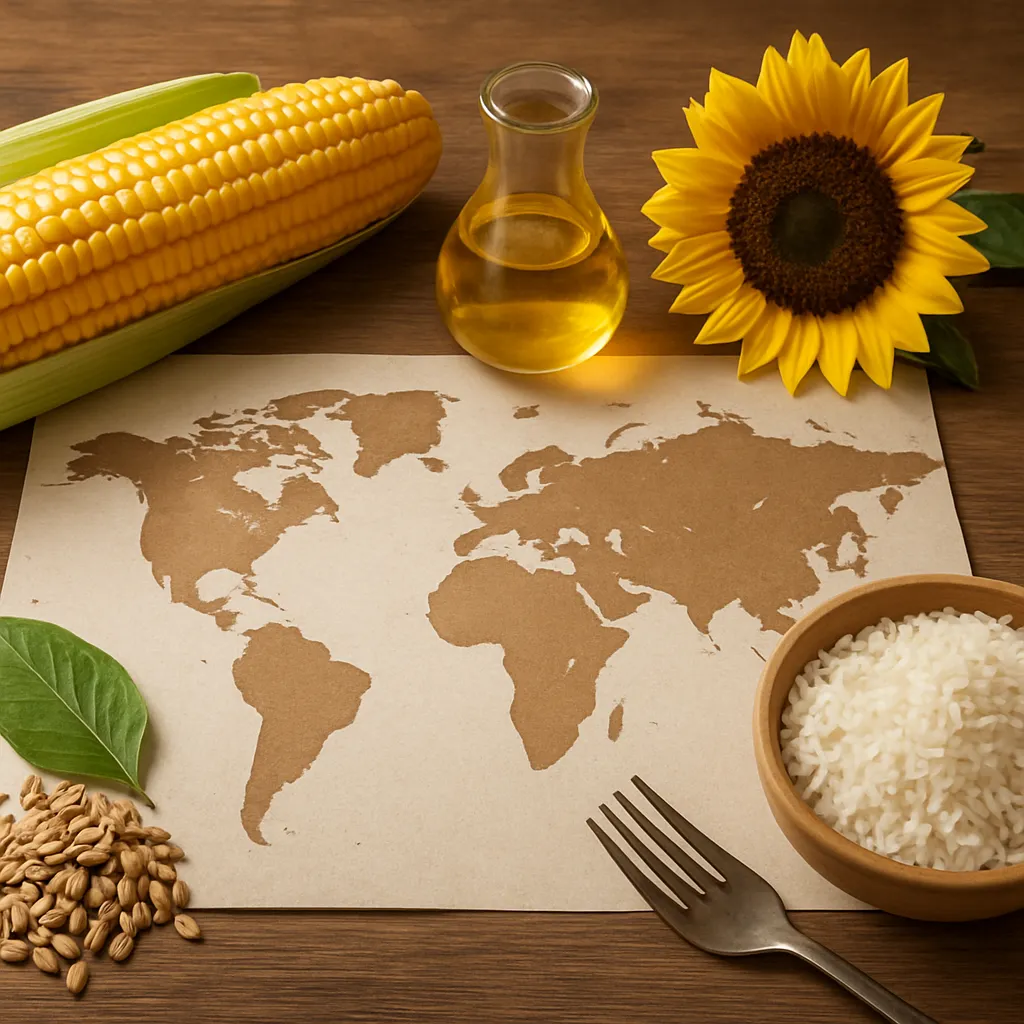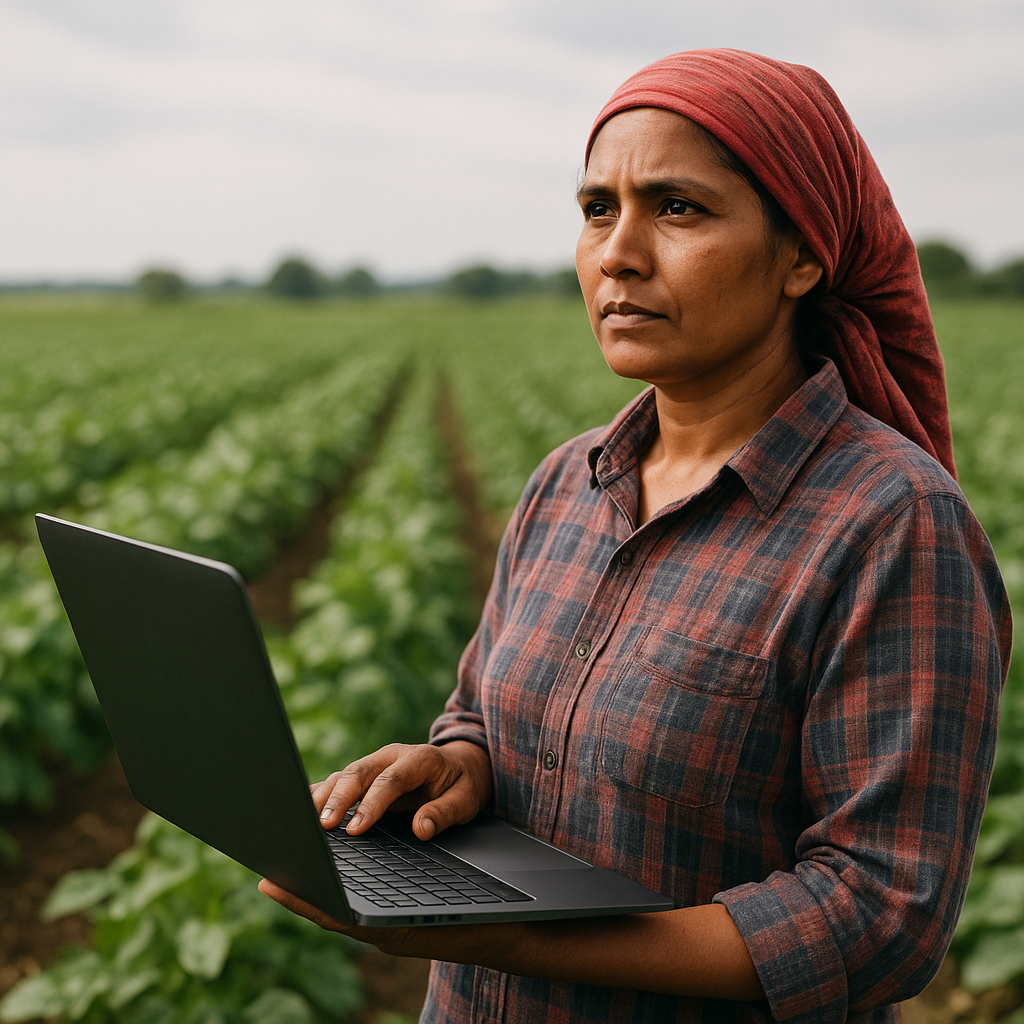
The intricate tapestry of the global agribusiness sector is increasingly shaped by the dynamic contributions of women. Across continents, female farmers, entrepreneurs, and policymakers are forging new pathways toward sustainability, innovation, and enhanced productivity. As supply chains expand and markets diversify, understanding the pivotal role women play in this ecosystem is crucial for achieving equitable growth and securing food systems. This exploration delves into their leadership, challenges, and the transformative policies that can further their impact on the worldwide agricultural landscape.
Breaking Barriers: Women as Leaders in Agribusiness
Despite traditional constraints, women are stepping forward to assume leadership positions within agribusiness associations, cooperatives, and family farms. Their presence is reshaping decision-making processes and fostering more inclusive approaches to resource allocation and market access.
Resilience and Entrepreneurship
Women entrepreneurs in agriculture often demonstrate remarkable resilience when confronting climatic shocks, financial setbacks, or social biases. They leverage local knowledge—ranging from seed selection to soil management—to launch innovative enterprises, such as:
- Organic seed banks preserving biodiversity.
- Agroforestry ventures blending tree crops with staple grains.
- Value-added processing units for dairy, fruits, or spices.
These initiatives not only generate income but also strengthen community-based supply chains, ensuring that rural families reap lasting benefits.
Leadership in Cooperatives
Cooperatives led by women have shown higher rates of financial stability and social cohesion. By adopting transparent governance models and equitable profit-sharing schemes, female-led groups often achieve:
- Improved access to microfinance and credit facilities.
- Collective bargaining power in export markets.
- Enhanced training modules on modern agronomy and digital tools.
Enhancing Sustainability Through Female Engagement
Integrating women’s perspectives into agribusiness planning can amplify environmental stewardship and reduce ecological footprints. Their hands-on roles in planting, harvesting, and processing underpin sustainable practices tailored to local contexts.
Conservation Agriculture and Gender
Adoption of conservation agriculture—characterized by minimal soil disturbance, cover cropping, and crop rotation—has surged where women farmers lead field activities. They meticulously monitor:
- Soil moisture levels to optimize water use.
- Multi-cropping systems that deter pests naturally.
- On-farm composting techniques for nutrient cycling.
Such methods not only raise yields but also buffer communities against the adverse impacts of climate variability.
Technology Adoption and Digital Inclusion
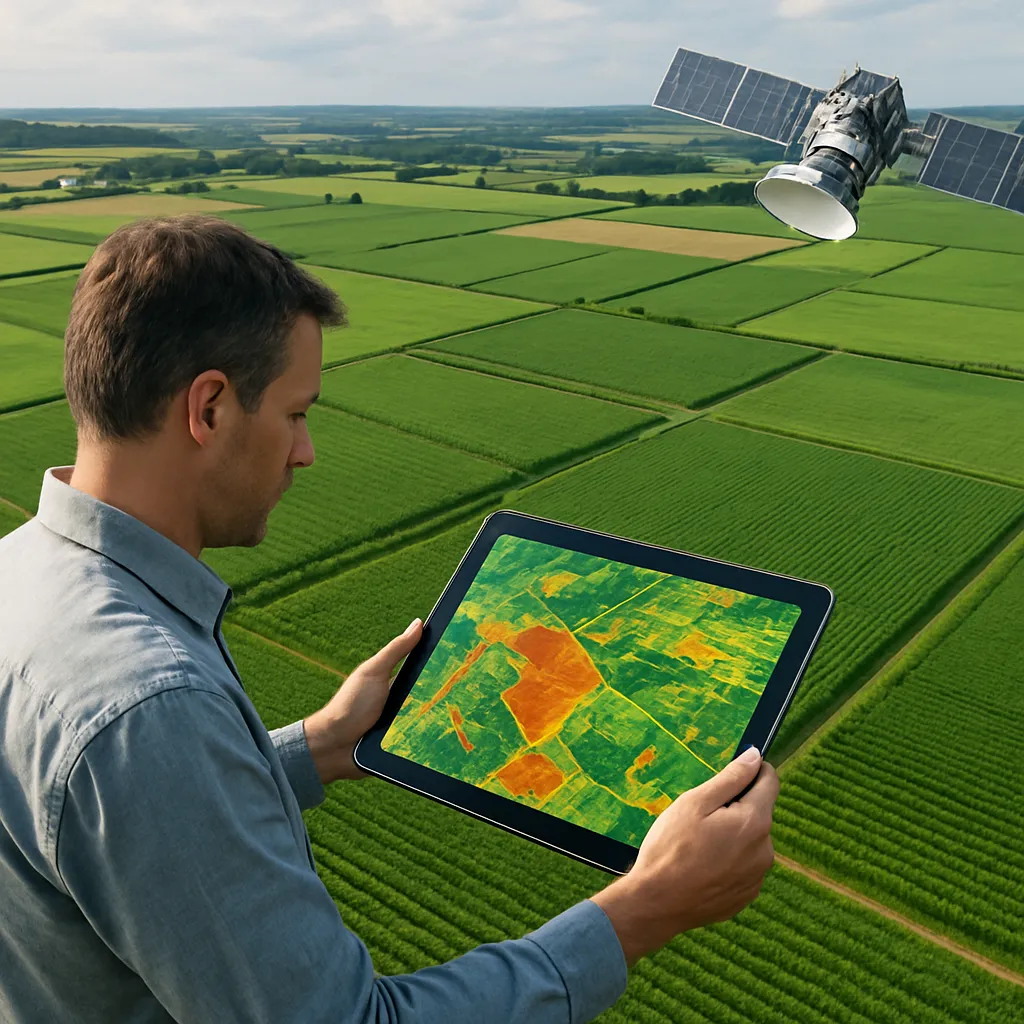
Digital tools—from smartphone apps to remote sensing platforms—offer real-time insights on weather forecasts, market prices, and pest outbreaks. When women gain access to these technologies, they report:
- Faster decision-making in crop management.
- Better negotiation outcomes with buyers.
- Improved record-keeping for loans and subsidies.
Ensuring equity in digital literacy programs is essential to close the gender gap in technology use within agriculture.
Value Chains and Market Linkages
Women play critical roles at every node of value chains—from farmgate production to processing, packaging, and retail. Their contributions enhance efficiency, product quality, and consumer trust.
From Farm to Fork: Diversifying Products
Female entrepreneurs frequently pioneer niche products—such as artisanal cheeses, specialty oils, and heirloom grains—that command premium prices in domestic and international markets. Their ventures drive:
- Local branding strategies highlighting geographic origin.
- Adherence to quality standards and certifications.
- Promotion of agro-tourism experiences connecting consumers to producers.
Export Opportunities and Barriers
While women-led enterprises exhibit strong performance in export segments, they face hurdles including:
- Lengthy compliance processes for sanitary and phytosanitary measures.
- Lack of collateral for trade finance and insurance.
- Restricted networks in global buyer circles.
Closing these gaps requires targeted interventions that bolster women’s negotiating capacities and access to international exhibitions.
Policy and Institutional Reforms to Empower Women
Systemic change hinges on policies that dismantle legal barriers and promote gender-sensitive frameworks. Governments, NGOs, and donors must collaborate to craft enabling environments for women’s full participation.
Land Rights and Tenure Security
Secure land tenure is foundational to women’s ability to invest in long-term improvements, such as irrigation or soil amendments. Reform measures include:
- Joint land titling that recognizes women as co-owners.
- Subsidized land registration fees targeted at female farmers.
- Awareness campaigns on inheritance laws and property rights.
Financial Inclusion and Credit Access
Access to affordable credit scales up operations and enables the adoption of modern machinery. Effective mechanisms involve:
- Microfinance products designed for small-scale female producers.
- Group lending models reducing perceived risks for lenders.
- Digital payment solutions empowering women to manage finances securely.
Capacity Building and Extension Services
Extension programs must integrate gender-responsive training modules, delivered by female agents where possible. Such services should cover:
- Advanced agronomic techniques and pest management.
- Business planning, marketing, and bookkeeping.
- Climate-smart agriculture and disaster risk reduction.
Future Outlook: Scaling Women’s Impact Globally
As the global agribusiness landscape evolves, women’s roles will continue expanding in significance. By reinforcing their leadership and ensuring access to resources, stakeholders can unlock a multiplier effect across entire rural economies. Achieving this vision demands a holistic approach—uniting leadership, policy innovation, and sustained investment in human capital. When women thrive, agricultural systems become more resilient, communities more prosperous, and markets more inclusive.