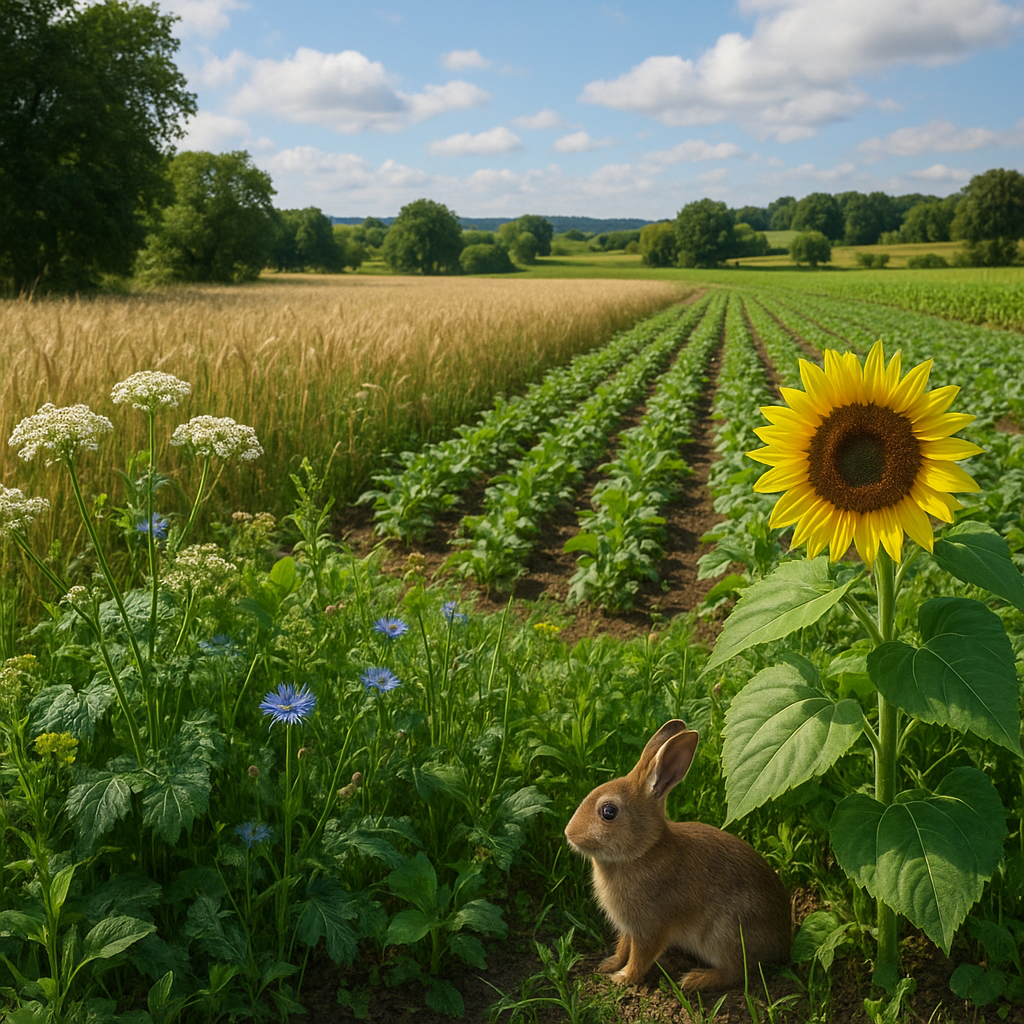
Agriculture stands at the intersection of ecological balance and global economic demand. The intricate relationship between **biodiversity** and crop productivity has emerged as a vital factor shaping the future of farming systems. On a global scale, markets respond to both supply constraints and shifting consumer preferences, intensifying the need to optimize **ecosystem services**. This article examines the multifaceted role of biodiversity in enhancing agricultural productivity, assessing practical strategies and market implications.
The Importance of Agrobiodiversity for Crop Performance
Agrobiodiversity refers to the variety and variability of animals, plants, and microorganisms used directly or indirectly for food and agriculture. This concept extends beyond individual species to include the genetic differences within those species. Maintaining a diverse gene pool in crops and livestock brings numerous advantages:
- Resilience: Genetic diversity helps populations withstand pests, diseases, and environmental stressors.
- Yield Stability: Diverse cropping systems often buffer against yield fluctuations caused by weather extremes.
- Pollination Services: A rich assemblage of pollinators boosts fruit set and seed production.
- Soil Health: Varied root systems and cover crops improve soil structure and nutrient cycling.
In regions ranging from smallholder farms in sub-Saharan Africa to industrial operations in North America, farmers are integrating heirloom varieties and mixed-species plantings to harness these benefits. Studies show that intercrops of legumes and cereals can enhance nitrogen availability while reducing reliance on synthetic fertilizers.
Ecological Mechanisms Driving Productivity Gains
Complementarity and Facilitation
Complementarity occurs when species use resources at different times or in distinct ways, reducing competition and increasing overall resource use efficiency. For example, deep-rooted plants can access water and nutrients beyond the reach of shallow-rooted companions. Facilitation goes further when one species modifies the environment to the benefit of another, such as nitrogen-fixing legumes enriching the soil for subsequent cereal crops.
Pest and Disease Control
Monocultures provide uniform habitats that favor pest outbreaks. In contrast, diverse ecosystems harbor natural enemies—predators, parasitoids, and pathogens—that suppress pest populations. Integrated pest management (IPM) strategies leverage biodiversity by establishing hedgerows, flower strips, and refuges for beneficial insects. Research highlights a reduction of up to 40% in pesticide use where such practices are adopted.
Water Regulation and Climate Mitigation
Plant diversity influences water infiltration, evapotranspiration, and microclimate. Agroforestry systems, combining trees with crops or livestock, enhance water retention and sequester carbon in biomass and soils. These multifunctional landscapes contribute to climate change adaptation and mitigation, meeting consumer demand for **sustainable** products.
Global Market Impacts and Trade Dynamics
The global agricultural market is shaped by supply chain resilience, consumer trends, and policy frameworks. Biodiversity-rich systems can affect market dynamics in several ways:
- Product Differentiation: Specialty grains, heritage fruits, and organic vegetables command premium prices due to perceived quality and environmental stewardship.
- Risk Management: Diversified portfolios of crops reduce financial risk for producers facing volatile commodity prices.
- Regulatory Incentives: Subsidies and certifications encourage adoption of biodiversity-friendly practices, influencing international trade flows.
- Supply Chain Resilience: Multiple production sources guard against disruptions caused by climate extremes or disease outbreaks.
In regions such as the European Union, the Common Agricultural Policy (CAP) rewards farmers for maintaining ecological focus areas and crop rotations. Similarly, investor interest in sustainable agriculture funds is growing, underlining the financial sector’s recognition of biodiversity’s **long-term** value.
Challenges in Scaling Biodiversity-Friendly Practices
Despite clear advantages, several barriers hinder widespread adoption of biodiversity-enhancing approaches:
- Knowledge Gaps: Farmers and advisors may lack information on suitable species combinations and management techniques.
- Short-Term Profit Pressure: Conventional methods often promise higher immediate yields, discouraging transition investments.
- Infrastructure and Logistics: Handling diverse crops requires specialized storage, processing facilities, and marketing channels.
- Policy Misalignment: Subsidies favoring monocultures can undermine biodiversity objectives.
To overcome these challenges, multi-stakeholder collaboration is essential. Extension services, research institutions, and private sector partners must co-develop localized protocols, demonstrating economic viability and environmental benefits.
Sustainable Intensification and Future Directions
Sustainable intensification aims to increase food production from existing farmland while minimizing pressure on the environment. Biodiversity underpins this approach by offering ecosystem services that reduce external input needs and enhance productivity. Key innovations include:
1. Precision Agriculture Coupled with Agroecology
Combining data-driven technologies—such as remote sensing and soil sensors—with agroecological principles enables targeted interventions. Variable-rate application of water and nutrients, guided by real-time data, supports diverse cropping systems without sacrificing efficiency.
2. Participatory Plant Breeding
Farmers collaborate with breeders to develop varieties adapted to local conditions and resilient to **climate change**. This approach fosters genetic diversity and accelerates the release of cultivars that meet both yield and quality criteria.
3. Payment for Ecosystem Services (PES)
Incentive schemes reward land managers for carbon sequestration, water filtration, and habitat conservation. By monetizing **ecosystem services**, PES programs make biodiversity-friendly practices financially competitive.
4. Digital Market Platforms
Online marketplaces and certification tools connect producers of diverse, sustainably grown goods with consumers and retailers worldwide. Transparency in supply chains enhances trust and enables niche products to reach broader audiences.
As global populations grow and climate uncertainties intensify, prioritizing agrobiodiversity is indispensable. Through an integrated approach encompassing ecological science, policy innovation, and market mechanisms, agriculture can meet future demands while preserving the planet’s invaluable biological heritage.