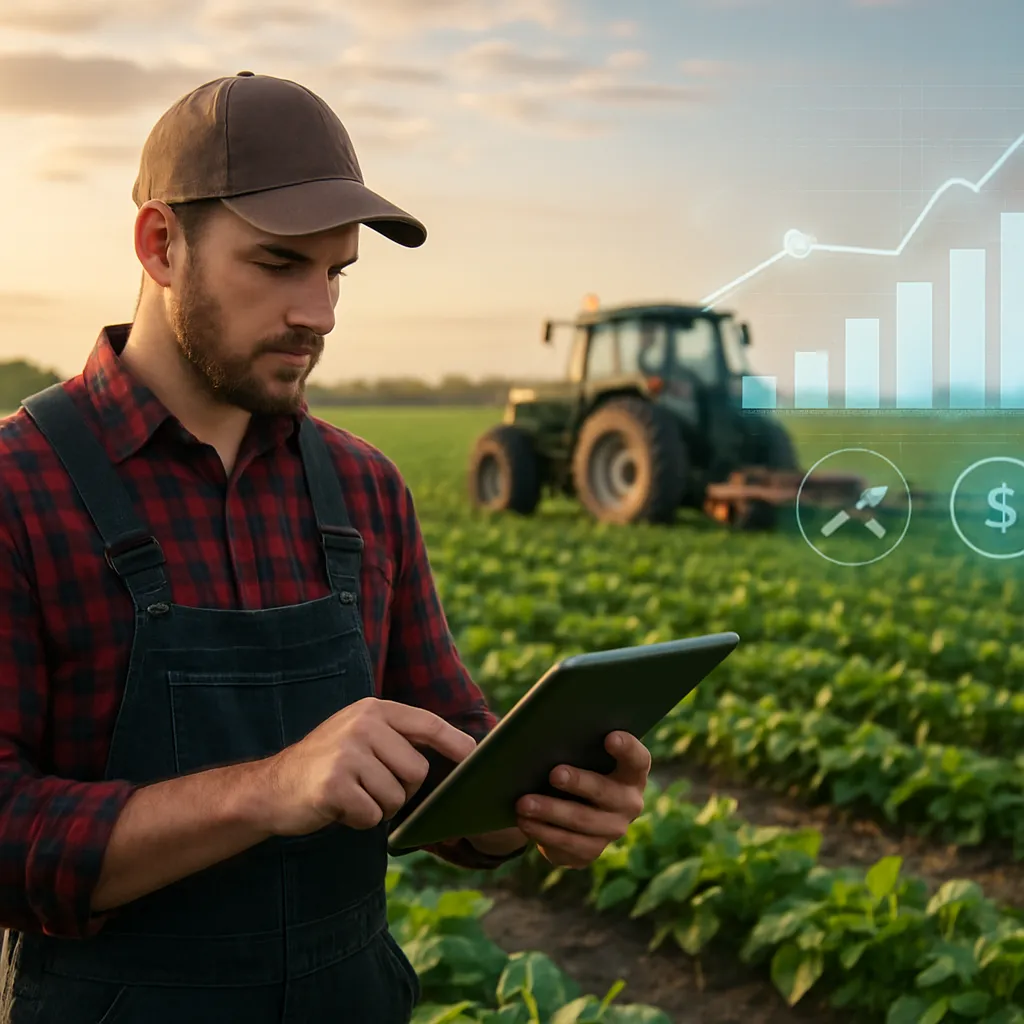
The integration of advanced machinery and intelligent systems has revolutionized large-scale agriculture, propelling the global market toward unprecedented productivity. From sprawling grain fields in North America to vineyard estates in Europe and rice paddies in Asia, the deployment of autonomous devices is reshaping how crops are sown, nurtured, and harvested. This article explores the multifaceted impact of cutting-edge solutions on farm management, economic outcomes, and environmental stewardship.
Technological Evolution and Industry Drivers
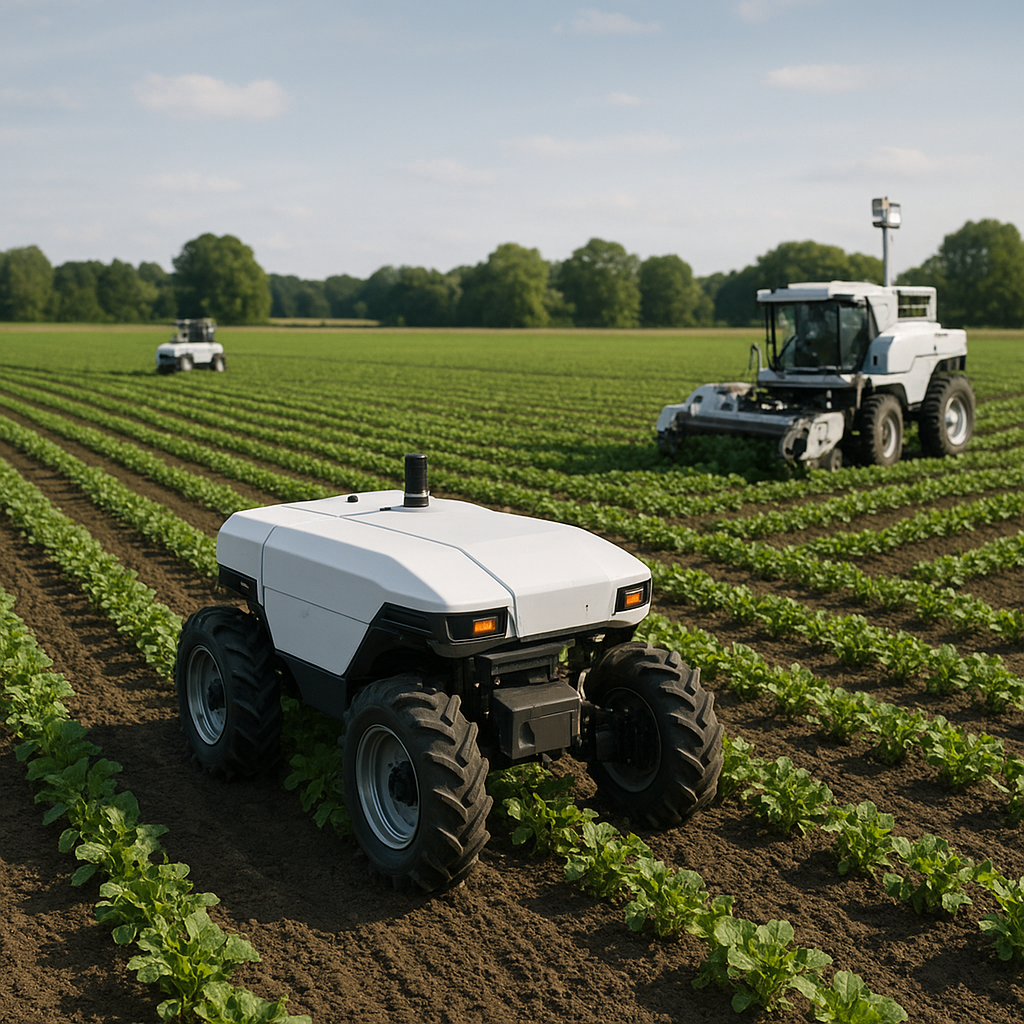
Over the past decade, farm operators have shifted from manual labor to highly automated processes powered by satellite guidance, robotics, and artificial intelligence. Today’s mechanical harvesters and transport units boast automation features that minimize human error and maximize uptime. Key drivers include the need to address persistent labor shortage challenges and to optimize resource allocation in regions where arable land is at a premium. Government incentives and private investment have accelerated research into autonomous platforms designed for seeding, weeding, spraying, and harvesting.
From GPS Guidance to Fully Autonomous Fleets
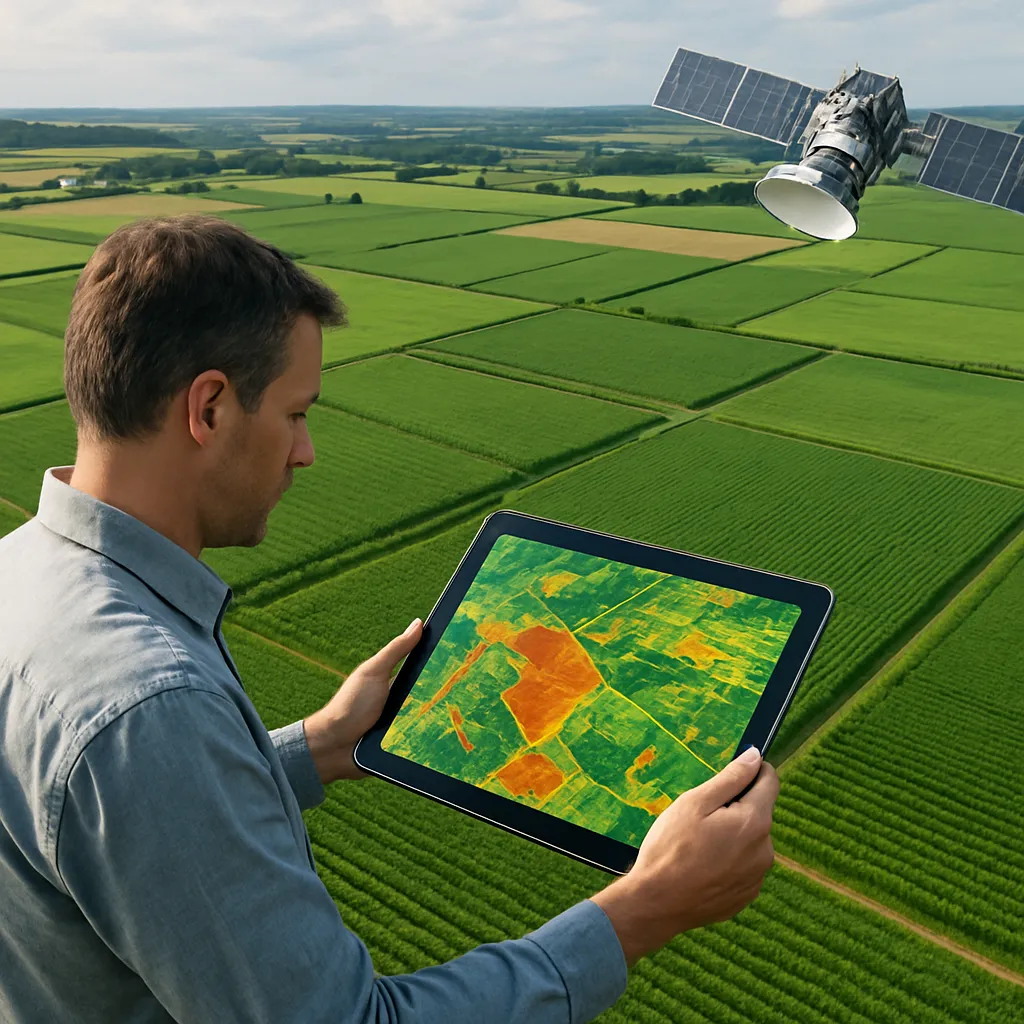
Initially, tractors equipped with GPS modules improved navigation accuracy to within a few centimeters. Modern fleets go further: they map field topography in real time, monitor crop health via multispectral imaging, and autonomously adjust application rates for fertilizers or pesticides. These machines rely on advanced sensors, IoT connectivity, and machine learning algorithms to interpret conditions on the fly.
The Rise of Specialty Robots
- Weeding bots: Employ computer vision to distinguish weeds from crops, removing unwanted plants without chemicals.
- Harvesting drones: Hover over orchards or vineyards to pick fruits with delicate handling systems.
- Planting rovers: Navigate uneven terrain to deposit seeds at precise depths and intervals.
Global Market Trends and Adoption Patterns
The agriculture robotics market has scaled rapidly, with an estimated value exceeding $12 billion in 2023. Adoption rates vary by region: North America leads in mechanization, Europe emphasizes regulatory compliance and environmental standards, and Asia-Pacific focuses on rice and vegetable production efficiency. Key market segments include:
- Tractors and Combines: Incorporating automatic steering, telematics, and cloud-based control.
- Field Drones: Performing aerial surveys and targeted applications of inputs.
- Sorting and Packing Systems: In post-harvest facilities, using robotics arms, conveyor belts, and AI vision systems.
Companies such as AGCO, Deere & Company, and Fendt have unveiled product lines designed for scalability, allowing small cooperatives and corporate farms alike to deploy modular fleets. Financing models, including leasing and Equipment-as-a-Service (EaaS), have lowered barriers to entry for producers worldwide. Public-private partnerships in regions like Brazil and Australia have further fueled pilot programs demonstrating return on investment within two growing seasons.
Case Study: Precision Rice Farming in Southeast Asia
A joint initiative between a national research institute and a robotics startup introduced unmanned seeding and transplanting machines in Vietnam’s Mekong Delta. By integrating soil moisture sensors and real-time data feeds, farmers achieved a 20% yield increase and reduced water usage by 30%, exemplifying the benefits of precision farming at scale.
Economic and Environmental Impacts
Implementing robotics in large-scale farming reshapes both economic outlooks and ecological footprints. On the economic side, machinery lowers operational costs by reducing overtime wages and minimizing crop losses due to inefficiencies. For example, automated grain handling systems can inspect kernels for defects and grade quality faster than manual sorting lines.
Enhancing Resource Efficiency
- Targeted nutrient delivery: Robots apply fertilizers only where needed, preventing runoff and eutrophication.
- Variable-rate irrigation: Sensor-guided water carts ensure each plot receives the right volume.
- Pest management: Drones identify infestation hotspots, enabling spot treatment rather than blanket spraying.
These practices contribute to sustainability goals by conserving water, reducing chemical inputs, and preserving soil health. Furthermore, data collected by robotic systems feeds into farm management platforms, enabling long-term trend analysis and risk mitigation.
Cost-Benefit Analysis and ROI
While upfront investment in robotic platforms can be substantial, most large-scale operations recoup expenses through several channels:
- Higher yields: Precision planting and maintenance increase per-acre productivity.
- Reduced labor overhead: One operator can monitor multiple machines remotely.
- Lower input costs: Exact dosing of seeds, fertilizers, and chemicals cuts waste.
Case studies indicate payback periods ranging from two to five years, depending on crop type and regional labor rates. In grain operations, enhanced grain dryness and handling efficiencies have improved commodity prices by securing premium grades in export markets.
Challenges and Future Prospects
Despite rapid advancements, the deployment of robotics across mega-farms faces several hurdles. Infrastructure gaps in rural areas limit reliable connectivity, hindering real-time coordination. Standardization of protocols is ongoing, as manufacturers and software platforms strive to ensure interoperability among devices from different vendors. Data security and privacy concerns also arise when farm performance metrics are shared with third parties.
Regulatory and Ethical Considerations
Governments are crafting guidelines for autonomous vehicle safety, chemical application limits, and data governance. Future regulations may require machines to meet stringent emissions and noise standards. Ethical debates focus on rural workforce transitions: reskilling programs will be essential to shift labor from repetitive tasks to machine supervision and analytics roles.
Emerging Innovations
Looking ahead, research into swarm robotics envisions fleets of smaller, collaborative bots that can cover vast tracts without soil compaction. Integration of blockchain for supply chain transparency will offer consumers traceability from field to table. Advanced data analytics and predictive modeling will enable farms to anticipate weather risks and market shifts, making agriculture not only bigger but smarter.
With continued investment in agrotechnology and supportive policies, robotics is poised to deliver higher yields, optimized resource use, and resilient food systems worldwide. By marrying mechanical prowess with intelligent algorithms, the next generation of large-scale farming will meet the rising demand for affordable, sustainable food production.