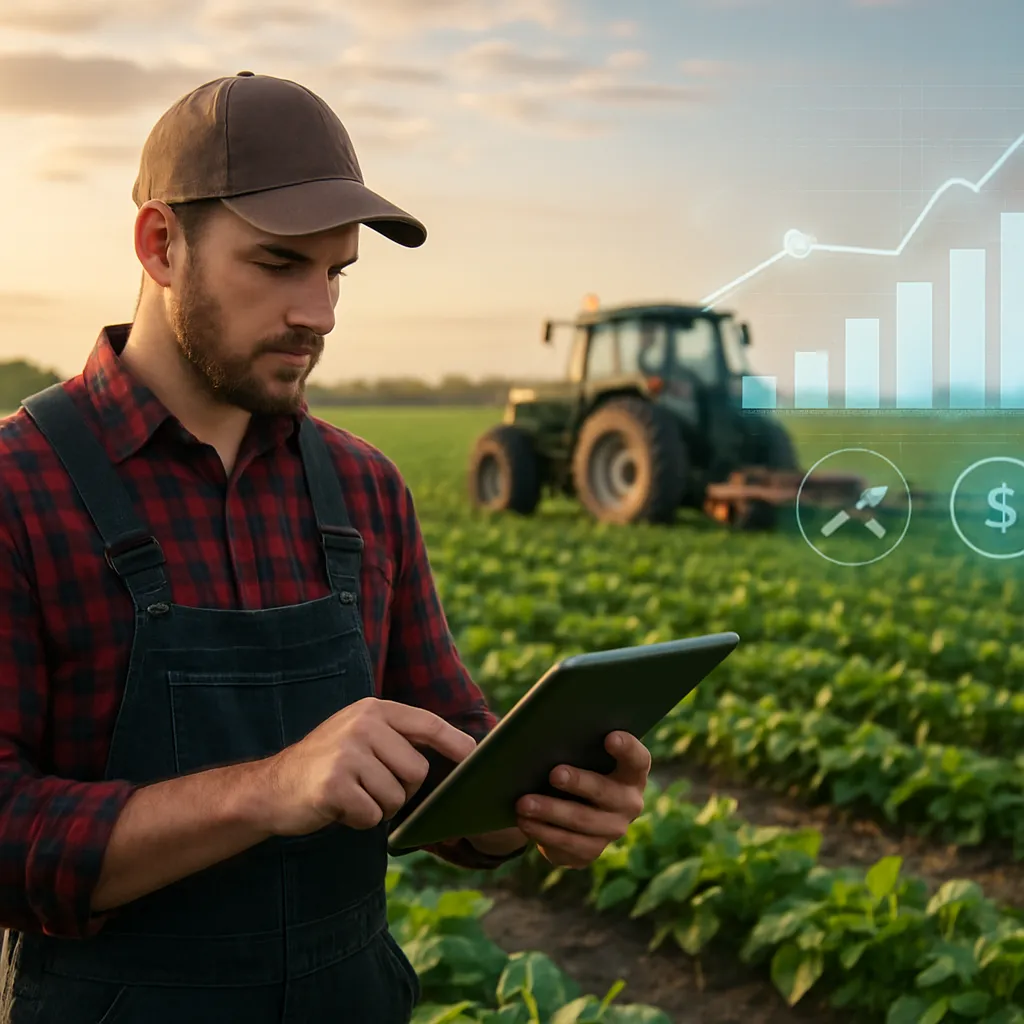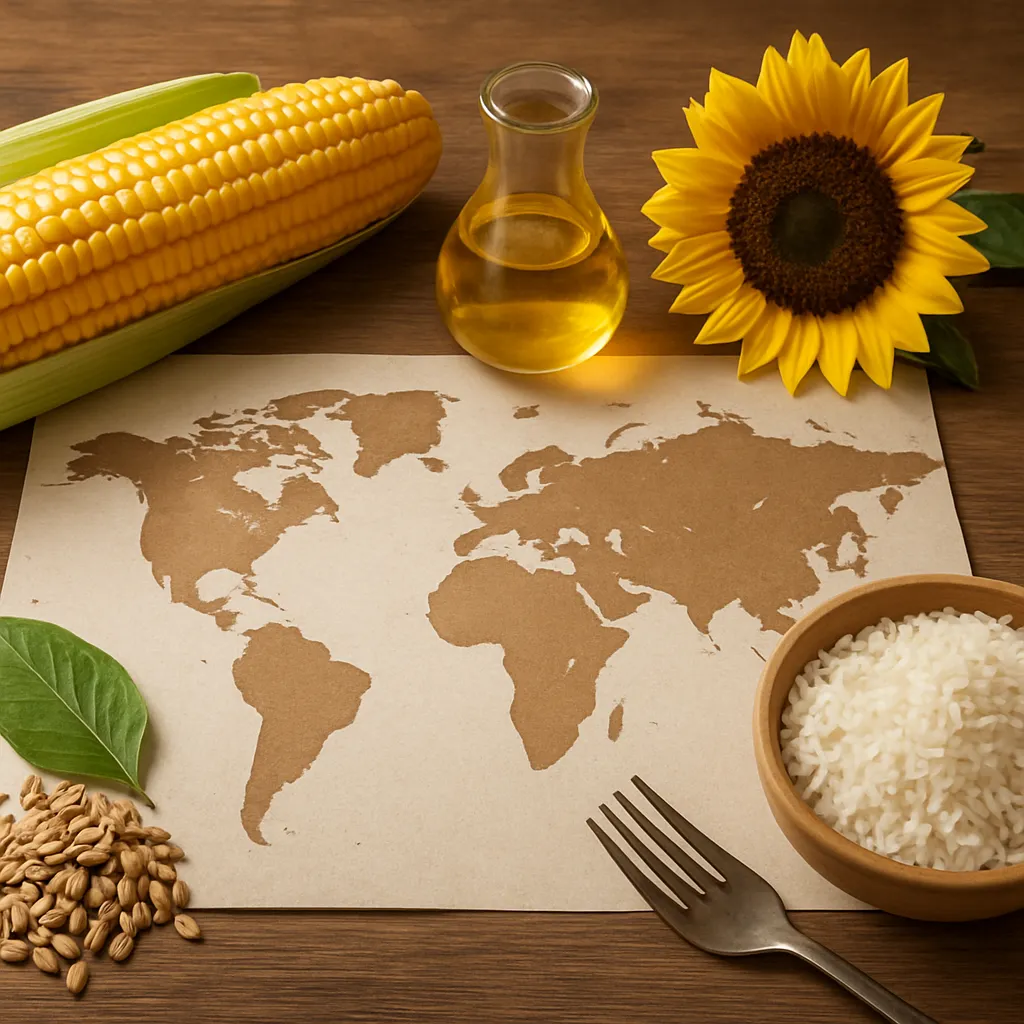
The rapid transformation of agricultural landscapes through digital technologies is reshaping the global food supply chain and redefining the way farmers operate. By embedding advanced tools directly into the field, producers are harnessing unprecedented levels of data to improve yield, cut costs, and enhance resilience against environmental challenges. This evolution is not limited to large industrial farms; smallholders are also beginning to benefit from accessible digital solutions. The following sections explore how farm digitalization drives efficiency across multiple dimensions of modern agriculture.
Benefits of Digitalization in the Global Agriculture Market
Digital agriculture integrates hardware, software, and networked services to deliver actionable insights. In the context of a hyper-competitive global market, these innovations help farms of every scale make informed decisions in near real time. Key benefits include:
- Productivity gains: Automated processes and precision inputs ensure that resources are used optimally, allowing farmers to produce more per hectare.
- Cost reductions: By targeting exactly where seeds, water, or fertilizer are needed, operational expenses fall, boosting profit margins.
- Sustainability improvements: Monitoring of soil health and crop stress reduces environmental impact, supporting long-term viability.
- Enhanced supply chain integration: Digital traceability and certification systems satisfy consumer demand for transparency and food safety.
- Risk mitigation: Early warnings for pests, diseases, and extreme weather events protect yields and secure farmer livelihoods.
These advantages strengthen a farm’s position in export markets, align with international quality standards, and facilitate rapid response to shifting consumer preferences.
Precision Agriculture and Real-Time Monitoring
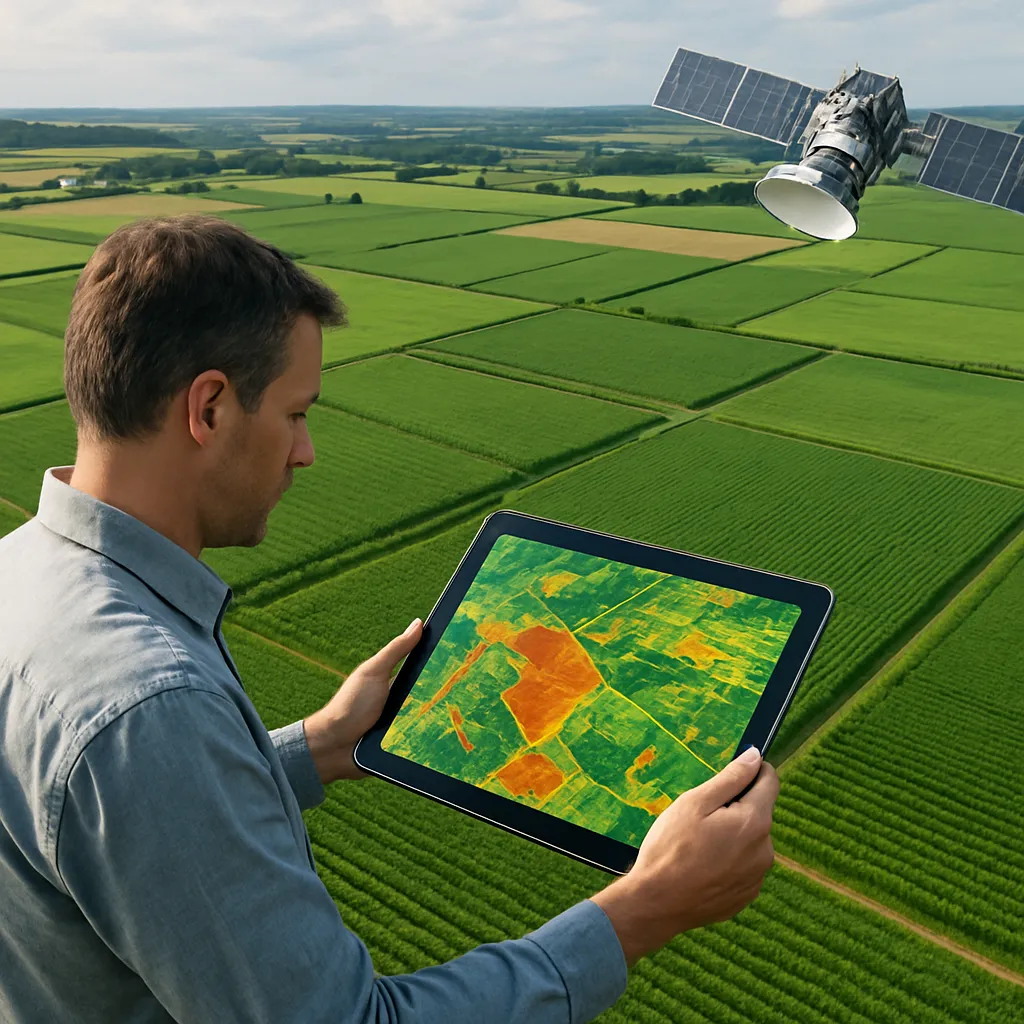
Precision farming relies on a constellation of technologies, from IoT devices to satellite imagery. Real-time monitoring empowers farmers to:
- Collect continuous data on soil moisture, temperature, and nutrient levels using sensors.
- Deploy drones for high-resolution aerial surveys that identify crop stress, nutrient deficiencies, and pest infestations.
- Utilize variable-rate technologies in tractors and sprayers to adjust input applications on the go.
Smart Sensing Networks
Wireless sensor networks broadcast detailed environmental metrics to a central hub. Farmers can instantly visualize irrigation needs and detect anomalies before they escalate. These networks are typically low-power, leveraging mesh configurations to cover vast fields at minimal cost.
Autonomous Machinery
Robotic tractors and harvesters exemplify the integration of robotics and navigation systems. By following GPS-guided routes, these machines minimize overlaps and ensure uniform field coverage. The result is a marked increase in operational efficiency and a reduction in labor dependency during peak seasons.
Data Analytics and Predictive Farming
As farms generate massive volumes of information, sophisticated analytics platforms convert raw data into strategic intelligence. Big data and machine learning algorithms reveal patterns that human analysis might overlook, supporting a shift from reactive to proactive management.
Crop Yield Forecasting
Predictive models consider weather forecasts, historical yields, and on-field measurements to estimate harvest volumes weeks or even months in advance. These insights optimize storage logistics, contract negotiations, and market timing.
Pest and Disease Prediction
By analyzing climate trends and infestation histories, AI-driven systems alert growers to emerging threats. Integrated pest management plans can then be executed precisely where and when treatment is most effective, reducing pesticide usage and preserving beneficial organisms.
Market Intelligence
Data from commodity exchanges, import-export databases, and retail price trackers feeds automated dashboards. Farmers and agribusinesses can identify price anomalies, forecast demand shifts, and position their produce advantageously in international markets.
Connectivity and Collaborative Platforms
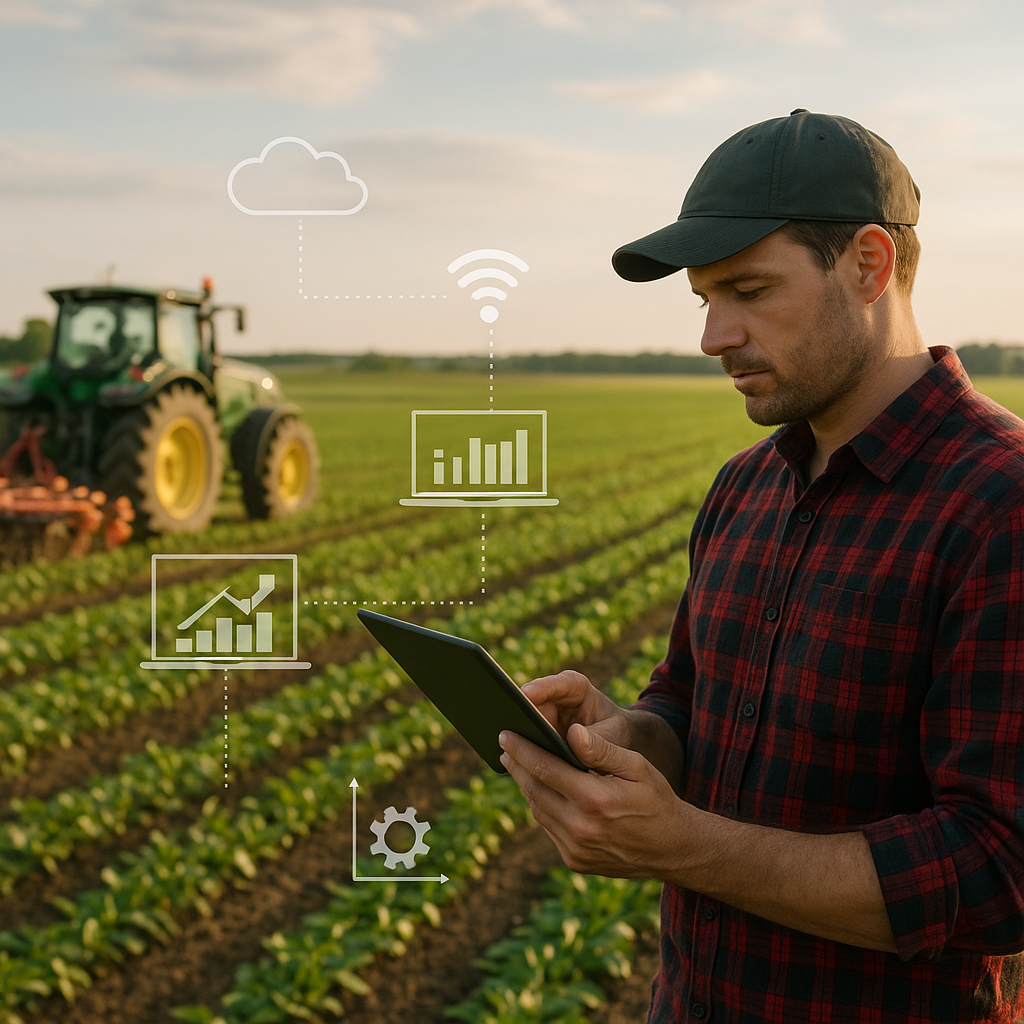
Robust connectivity underpins every digital agriculture initiative. From local mesh networks in remote areas to high-speed broadband in developed regions, reliable communication links are essential.
- Cloud services store and process terabytes of agronomic and operational data, accessible through web portals or mobile apps.
- Blockchain-enabled platforms ensure transparent record-keeping for certifications, fostering trust among traders, retailers, and consumers.
- Online marketplaces connect producers with buyers directly, reducing intermediary costs and opening new revenue channels.
These collaborative ecosystems allow stakeholders—including input suppliers, financial institutions, and research organizations—to co-create solutions and share best practices.
Challenges and Future Prospects
While digitalization delivers remarkable benefits, its widespread adoption faces obstacles:
- Infrastructure gaps in rural regions can hinder reliable data transmission.
- High upfront investment costs may deter small-scale farmers without access to financing.
- Data privacy and security concerns emerge as networks expand.
- Digital literacy and technical training are crucial for effective tool utilization.
Looking ahead, the next wave of innovation will integrate biotechnology, climate modeling, and circular economy principles. Emerging trends include:
- Genomic-enabled precision breeding that uses AI to accelerate crop improvement.
- Closed-loop nutrient management systems that recycle agricultural waste into on-farm fertilizers.
- Digital twins of entire farms, enabling scenario simulations for resource planning under various climate forecasts.
By addressing current challenges and embracing multidisciplinary advances, the agricultural sector can achieve unprecedented levels of connectivity and resilience. The synergy between field-level digital solutions and global market dynamics promises not only to raise production outputs, but also to foster a more equitable and environmentally conscious food system.