The interconnected nature of modern agriculture demands a focus on enhancing resilience across every node of the global supply chain. From seed research laboratories to consumers’ tables, stakeholders must tackle challenges such as shifting demand, extreme weather, and market volatility. This article explores critical facets of the international agricultural network, including vulnerabilities and opportunities, technological strategies to streamline distribution, and collaborative policy frameworks that foster robust and sustainable growth.
Supply Chain Vulnerabilities and Opportunities
Global food systems face a host of stressors that can disrupt production, processing, and distribution. One primary factor is the unpredictability of climate conditions. Prolonged droughts, floods, and temperature extremes pose risks to crop yields and livestock health. Additionally, transportation bottlenecks, political instability, and trade disputes can derail export and import flows. To counter these threats, firms are focusing on diversification of sourcing strategies. By engaging multiple production regions and alternative suppliers, agribusinesses reduce reliance on a single geographic area.
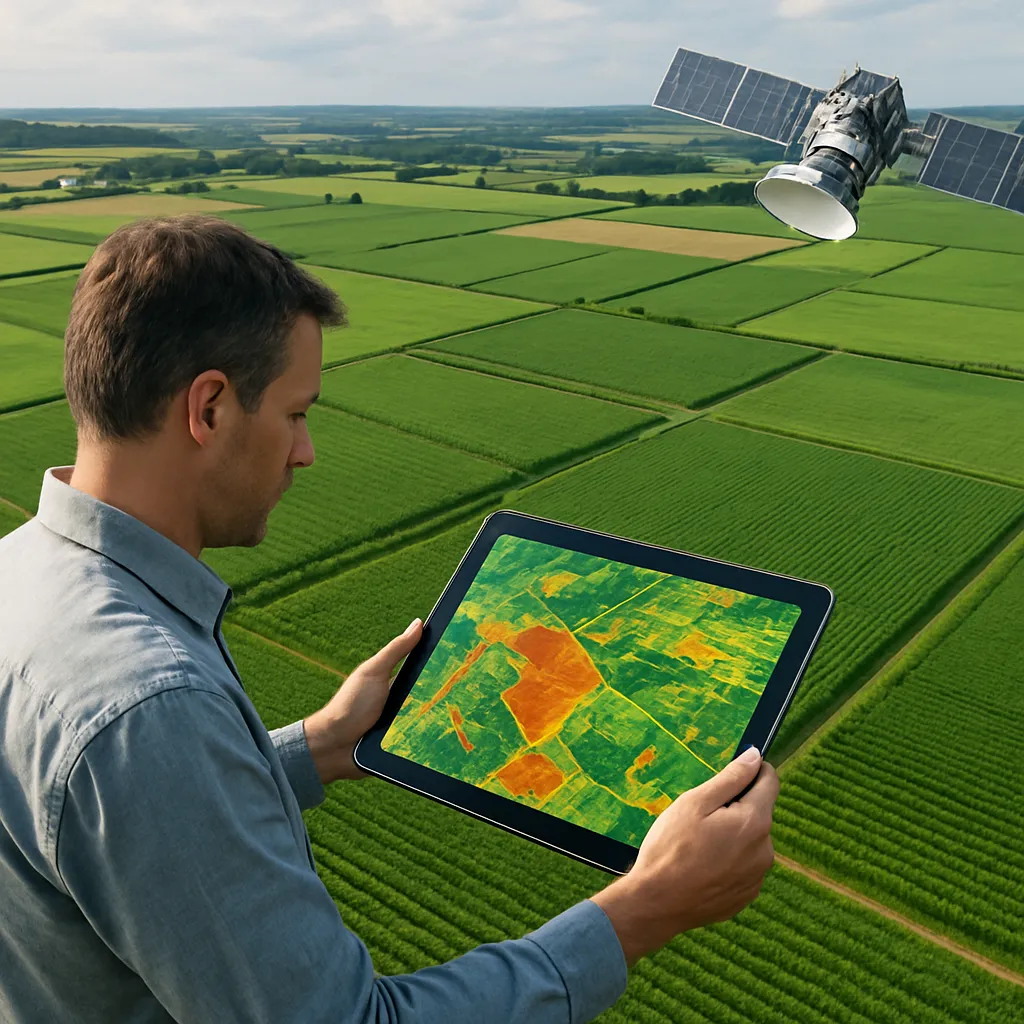
Another promising trend is investment in farm-level innovation. Farmers adopt precision agriculture tools—soil sensors, satellite imagery, and automated irrigation—to optimize input usage and increase output. This data-driven approach enhances sustainability by minimizing waste of water, fertilizer, and energy. Smallholders in developing economies can also benefit from microfinance programs and mobile platforms that connect them to markets, best practices, and weather forecasts. Ultimately, strengthening local capacities builds redundancy into the system and mitigates the impact of large-scale disruptions.
Consumer preferences increasingly center on quality, safety, and ethical sourcing. Buyers demand detailed information about product origin, production methods, and handling procedures. Achieving greater traceability along each link ensures that stakeholders can track batches from farm to fork. Blockchain and distributed ledger technologies are emerging as enablers of transparent record-keeping. These tools bolster confidence in food safety while enabling rapid recalls and contamination control when incidents occur.
Meanwhile, private-public partnerships unlock financing for infrastructure improvements such as cold chains, rural roads, and port expansions. Governments and multilateral institutions can offer guarantees or co-investment schemes to de-risk projects. By aligning incentives, policymakers encourage investment in areas with high agricultural potential. This synergy fosters economic growth in rural regions and reinforces global supply chains against future shocks.
Technological Innovations Strengthening Logistics
Advanced solutions are transforming how agricultural commodities move from production sites to processing centers and end-consumers. Real-time tracking systems leverage GPS, IoT sensors, and cloud platforms to monitor cargo conditions—temperature, humidity, and location. Such digitalization efforts ensure perishable goods remain within optimal thresholds throughout transit. Should anomalies arise, automated alerts enable prompt corrective actions, preventing spoilage and losses.
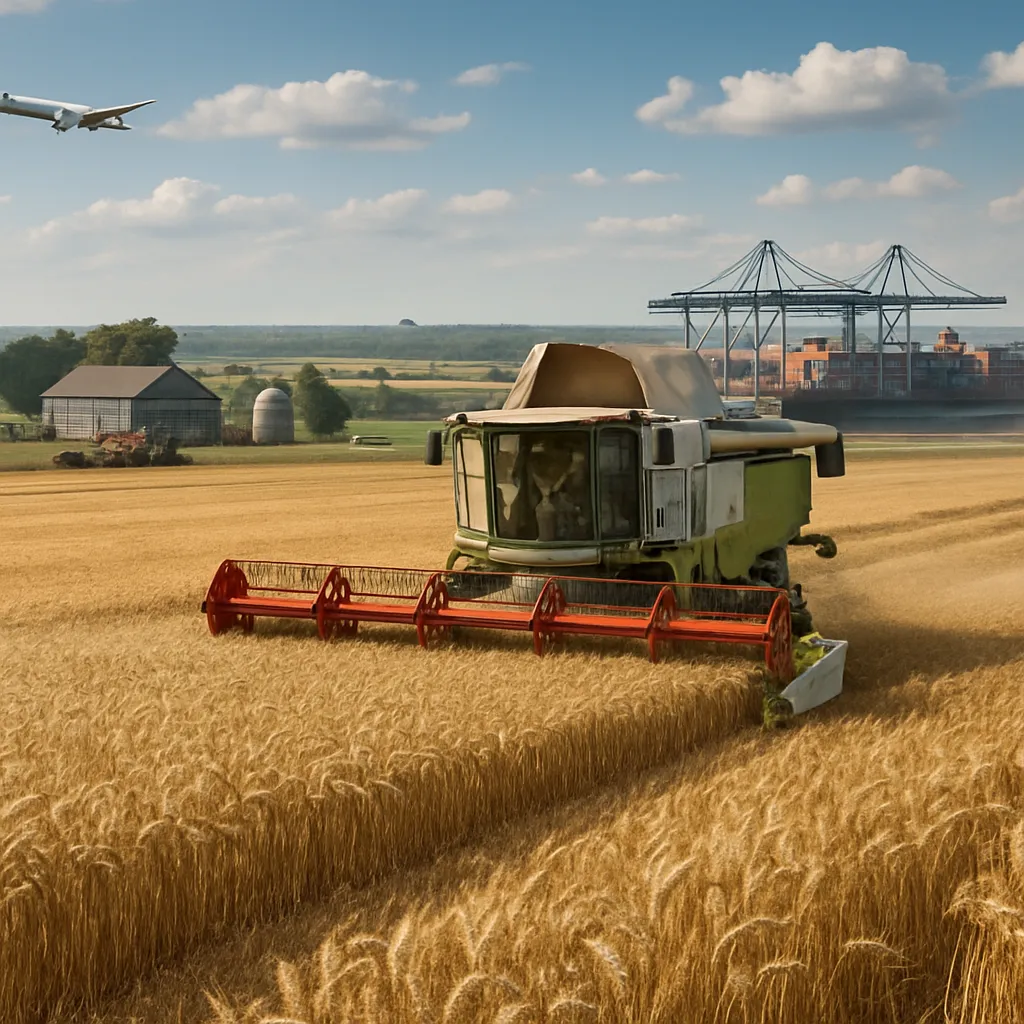
Robotics and automation are gaining traction in warehouses and packing facilities. Automated forklifts, sorting machines, and conveyor belts accelerate throughput while reducing human error. This mechanization drives efficiencies in labor-intensive tasks, lowering operational costs and shortening lead times. Drones also offer aerial assessment of crop health and can even facilitate localized delivery in remote areas, bypassing traditional road networks.
Another frontier involves predictive analytics and machine learning. By analyzing historical data, market indicators, and meteorological forecasts, algorithms can anticipate demand spikes or supply shortfalls. Stakeholders adjust production schedules, inventory levels, and distribution routes accordingly. This anticipatory approach cultivates greater transparency and strategic planning across complex trade corridors.
Just-in-time delivery models are being adapted to agricultural contexts. Instead of stockpiling vast inventories, companies coordinate tightly with growers, processors, and retailers to match supply with immediate consumption needs. This minimizes storage costs and reduces waste but requires high connectivity and trust among partners. Establishing standardized communication protocols and quality benchmarks is essential for seamless coordination.
Policy Frameworks and Collaborative Strategies
Achieving robust supply chain collaboration demands cohesive policy frameworks at local, national, and international levels. Trade agreements must balance protection of domestic producers with market access for exporters. Tariff harmonization, sanitary and phytosanitary standards, and streamlined customs procedures all contribute to smoother cross-border flows. Regional blocs often serve as test beds for deeper integration, laying groundwork for global partnerships.
Regulatory bodies are also instrumental in fostering innovation. By creating safe zones for testing novel technologies—such as gene-edited seeds or bio-based fertilizers—authorities encourage experimentation while safeguarding public health and the environment. Proper oversight reduces uncertainty for investors and speeds the deployment of breakthroughs that enhance productivity and resource efficiency.
Financial instruments like crop insurance, weather derivatives, and resilience bonds protect producers from extreme events. Insurance schemes indexed to rainfall or temperature metrics offer rapid payouts when thresholds are breached, enabling farmers to recover quickly. Meanwhile, issuing bonds tied to community resilience projects channels private capital into water management, soil restoration, and value-chain upgrades.
International organizations convene stakeholders to share best practices and coordinate responses to transnational threats. Platforms such as the Global Food Security Partnership and the Coalition for Sustainable Agriculture facilitate dialogue between governments, NGOs, agribusinesses, and research institutions. Through knowledge exchange, joint risk assessments, and capacity‐building initiatives, these alliances strengthen collective abilities to navigate disruptions.
Building Adaptation Pathways for Future Challenges
As the world population approaches 10 billion, the pressure on agricultural systems intensifies. Firms and policymakers must embrace continuous adaptation to evolving consumer tastes, environmental constraints, and technological shifts. Practices like crop rotation, agroforestry, and conservation tillage increase soil fertility and carbon sequestration. These nature-based solutions complement advances in controlled-environment agriculture, vertical farming, and alternative proteins, diversifying the global food basket.
Education and workforce development are equally crucial. Training programs equip farmers and agronomists with skills in data analysis, machinery operation, and sustainable management. Women and youth, often underrepresented in rural economies, benefit from targeted support to become leaders in the agritech revolution. Their inclusion broadens the talent pool and generates novel insights tailored to local contexts.
The concept of circularity is gaining momentum as organizations seek to recover value from by-products and minimize waste. Biogas production from crop residues, nutrient recycling via anaerobic digestion, and composting initiatives foster resource efficiency. Embracing a circular paradigm enhances both economic viability and environmental stewardship throughout the supply chain.
Ultimately, the resilience of agriculture’s global network hinges on the synergy of innovation, policy, and human capital. By weaving together digital tools, ecological practices, and collaborative governance, stakeholders can forge a future where food supplies are abundant, safe, and equitable—no matter the challenges ahead.