The global agricultural sector is on the verge of a transformative period, driven by shifting demographics, evolving consumer demands, and rapid technological advancement. Investors are increasingly eyeing this space for its potential to deliver financial returns while promoting sustainability and food security. With 2025 on the horizon, understanding the convergence of market dynamics, cutting‐edge innovations, and regulatory landscapes becomes essential for seizing the most promising opportunities.
Emerging Markets and Regional Growth
Several regions are experiencing accelerated growth in agricultural output and investment potential. While traditional powerhouses in North America and Europe continue to innovate, emerging markets in Asia, Africa, and Latin America are becoming hotspots for capital deployment.
Asia-Pacific’s Expanding Footprint
The Asia-Pacific region is undergoing a dramatic agricultural transformation. With a burgeoning middle class demanding higher-quality food and increasing urbanization, countries such as Vietnam, Indonesia, and India are investing heavily in modern farming practices. Key drivers include:
- Precision agriculture tools that optimize resource use and reduce waste.
- Public-private partnerships facilitating digitization of supply chains.
- Government incentives for renewable energy integrated into farming operations.
African Opportunities in Agribusiness
Africa’s vast arable land and low current utilization rates make it a prime destination for agritech investments. Countries like Nigeria and Ethiopia are partnering with international firms to introduce high-yield seed varieties and mobile-based advisory platforms, improving yield and smallholder farmer income. Investors should monitor:
- Infrastructure projects that lower logistics costs.
- Microfinance initiatives supporting local entrepreneurs.
- Regulatory reforms aimed at land tenure security.
Technological Innovations Transforming Agriculture
Disruption in agriculture is increasingly coming from advanced technologies. From data analytics to robotics, the sector is embracing tools that enhance productivity, resilience, and traceability.
The Rise of Smart Farming
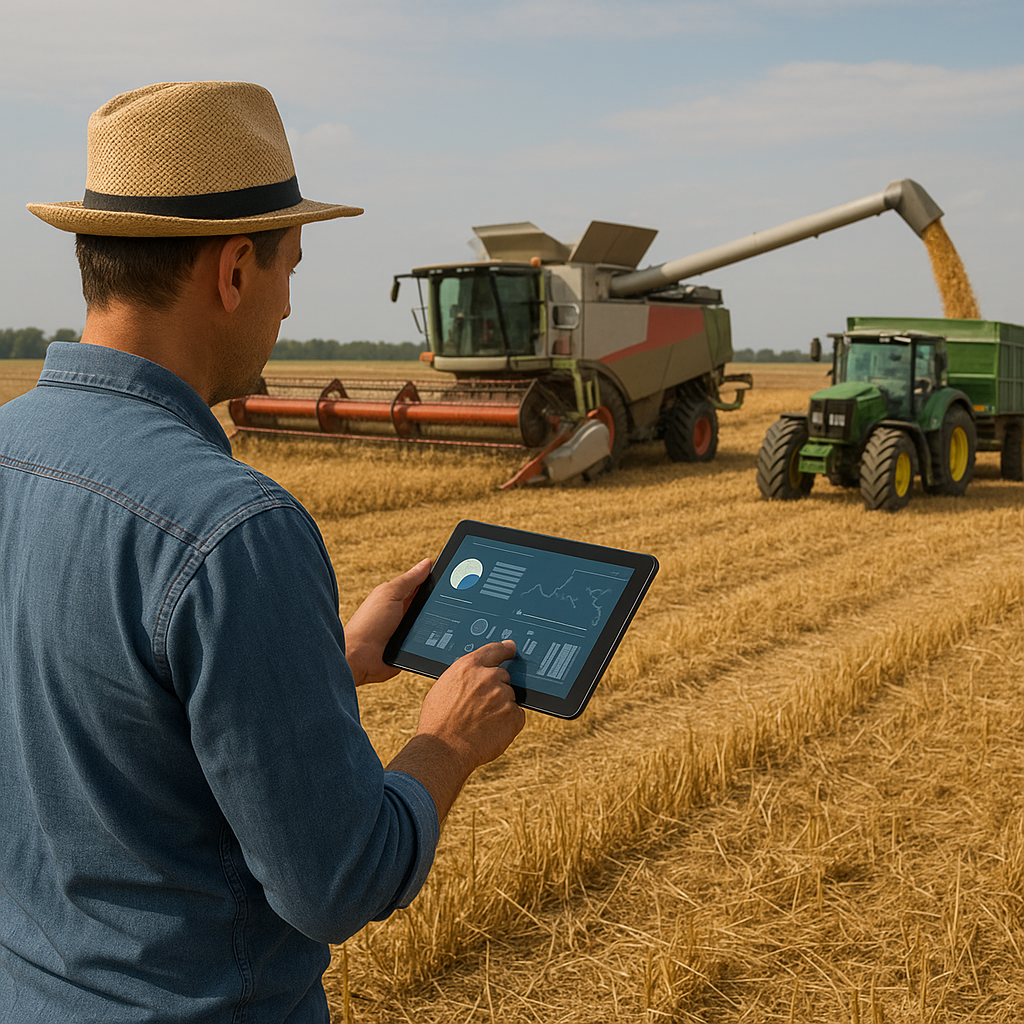
Smart farming integrates IoT sensors, drones, and AI-driven analytics to optimize field-level management. This revolution is marked by:
- Real‐time soil moisture monitoring reducing water usage by up to 30%.
- Aerial drone imaging for early pest detection and targeted interventions.
- Automated machinery conducting planting and harvesting with minimal human intervention.
Breakthroughs in Controlled Environment Agriculture
Vertical farming and greenhouse technologies are addressing land scarcity and climate volatility. Controlled environment agriculture (CEA) facilities offer:
- Year-round production of leafy greens and herbs in urban centers.
- Hydroponic and aeroponic systems that reduce water usage by 90% compared to traditional methods.
- Customizable LED lighting tailored to specific crop needs, boosting photosynthesis efficiency.
Blockchain and Supply Chain Transparency
Blockchain platforms are creating immutable records of product origin, enabling consumers and regulators to verify food safety and ethical sourcing. Key benefits include:
- Enhanced traceability from farm to fork.
- Reduced fraud and adulteration in commodity markets.
- Streamlined payments and contract execution for producers.
Sustainable and Impact-Driven Investments
Environmental and social governance (ESG) considerations are reshaping capital allocation decisions across the agricultural spectrum. Impact investors are focusing on projects that deliver measurable benefits to communities and ecosystems.
Regenerative Agriculture Practices
Regenerative approaches aim to restore soil health, increase biodiversity, and sequester carbon. Investments in this area typically fund:
- Cover cropping and no-till techniques that improve soil structure.
- Agroforestry systems combining crops with tree plantings for long-term carbon capture.
- Pay-for-performance models rewarding farmers for carbon credits.
Water Resource Management
With freshwater scarcity intensifying, innovative irrigation projects and water recycling initiatives are critical. Investors should evaluate:
- Drip irrigation technologies minimizing evaporation losses.
- Desalination units powered by solar energy to supply arid regions.
- Smart metering and blockchain-enabled water trading platforms.
Social Impact and Smallholder Inclusion
Empowering smallholder farmers not only drives poverty alleviation but also enhances global food security. Funding models include:
- Village-level cooperatives receiving microloans and technical training.
- Mobile-based platforms offering market access and price discovery.
- Certification schemes that promote fair trade and premium pricing.
Risk Management and Policy Landscape
Investors must navigate a complex web of political, climatic, and market risks. Prudent strategies involve comprehensive due diligence and adaptive risk mitigation.
Regulatory Frameworks and Trade Policies
Shifts in tariffs, subsidies, and import/export restrictions can dramatically alter agribusiness economics. Key considerations include:
- Monitoring changes in biofuel mandates influencing crop demand.
- Understanding cross-border phytosanitary standards for commodity flows.
- Assessing the impact of regional trade agreements on market access.
Climate-Related Risk and Insurance Solutions
Climate volatility poses significant threats to yields and revenues. Emerging solutions range from parametric insurance to catastrophe bonds:
- Weather-indexed insurance products providing rapid payouts after predefined events.
- Climate risk modeling platforms predicting drought, flood, and storm impacts.
- Public-private insurance pools mitigating systemic agricultural losses.
Diversification and Portfolio Allocation
A balanced approach combines staple crops, high-value horticulture, and ancillary sectors such as logistics or processing. Best practices include:
- Investing across multiple geographies to hedge against localized shocks.
- Allocating capital to both equity stakes and debt instruments for risk-return optimization.
- Engaging in joint ventures with established agribusiness operators to leverage expertise.