The global agricultural landscape is undergoing a profound transformation. Rising population growth, shifting dietary preferences, and evolving investment strategies are reshaping the value of farmland across continents. As stakeholders seek profitable and resilient opportunities, understanding the interplay between market forces, policy frameworks, and technological advances becomes crucial for anyone invested in the future of food production.
Global Land Value Dynamics
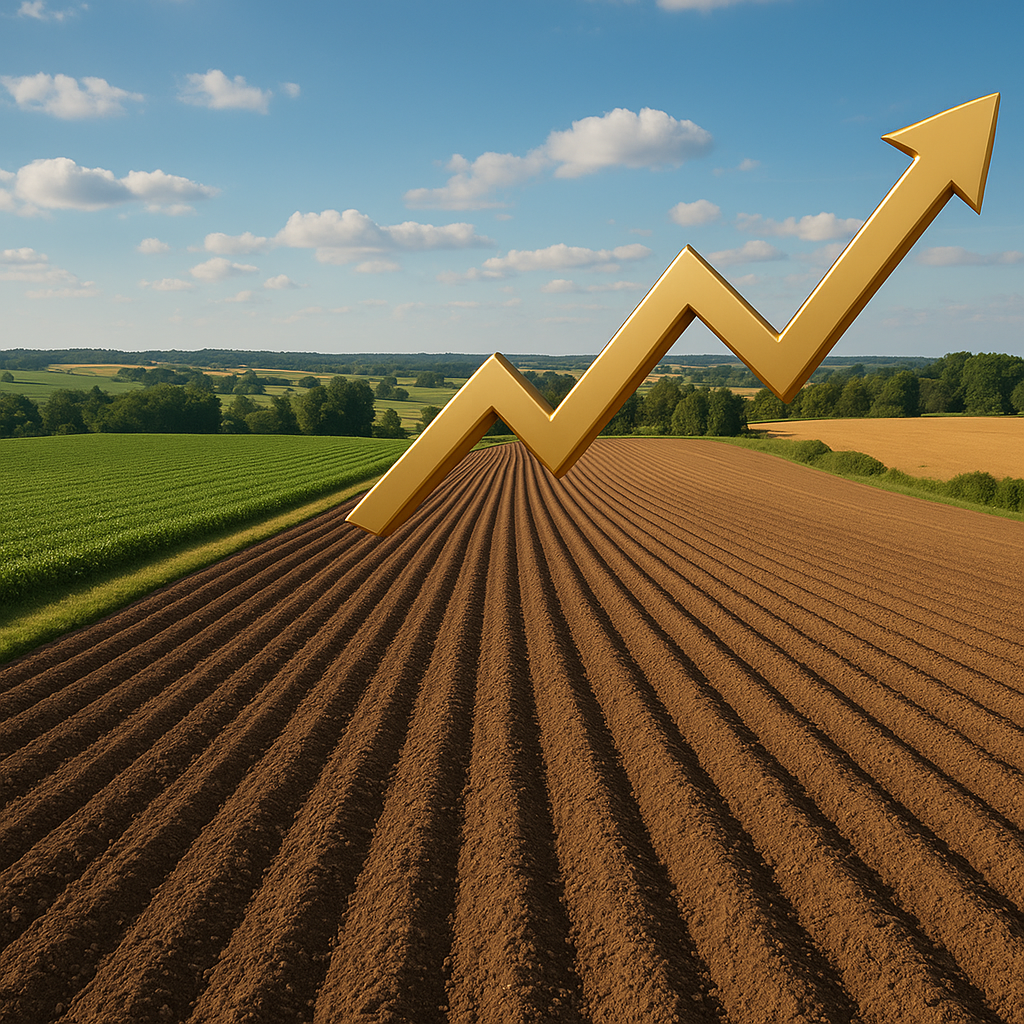
Farmland values have demonstrated remarkable resilience compared to other asset classes. Driven by limited arable land expansion and strong demand for food security, prices in many regions have outpaced inflation and stock market returns. However, this upward trajectory is far from uniform, as regional variations and external shocks can lead to significant disparities.
Regional Variations
- North America: Renowned for advanced mechanization and large-scale operations, U.S. and Canadian farmland markets have recorded steady annual growth rates of 5–8%. Investment vehicles such as Real Estate Investment Trusts (REITs) and commodity-based funds have further elevated interest from institutional investors.
- Europe: Traditions of smallholder farming in countries like France and Germany contrast with expansive grain belts in Ukraine and the Black Sea region. While Western Europe sees moderate growth, Eastern European markets have experienced surges in valuation amid increasing export volumes.
- Latin America: Brazil and Argentina, with vast tracts of fertile cerrado and pampas, attract capital hungry for scale. However, fluctuating currency rates and political uncertainties pose distinct risks to valuation stability.
- Asia-Pacific: Rapid urbanization in China and India boosts domestic demand, yet land fragmentation and regulatory barriers can limit foreign participation. Australia’s broadacre farms, by contrast, benefit from transparent land registries and robust export infrastructure.
Impact of Commodity Prices
Global commodity cycles exert a direct influence on farmland values. High grain, oilseed, and sugar prices translate to increased rental income and greater willingness among buyers to pay premium rates. Conversely, price downturns can compress margins and prompt market corrections. Investors monitoring the commodity prices cycle often align purchase decisions with anticipated upswings, using hedging strategies to mitigate exposure during downturns.
Drivers of Investment Trends
Beyond regional supply-demand imbalances, several cross-cutting factors propel the flow of capital into agricultural real estate. Understanding these drivers enables investors to refine their portfolios and optimize returns.
Institutional and Private Capital Flows
In recent years, pension funds, sovereign wealth funds, and family offices have increased allocations to farmland, attracted by its low correlation with equities and bonds. The pursuit of diversification has led to the creation of specialized agricultural funds and co-investment platforms that pool resources for large-scale acquisitions.
Sustainability and ESG Considerations
Environmental, Social, and Governance (ESG) criteria have become integral to investment decisions. Practices such as regenerative agriculture, water conservation, and biodiversity enhancement not only support long-term soil health but also bolster investor confidence by demonstrating a commitment to responsible stewardship. The adoption of sustainable metrics can drive premium pricing for land parcels that adhere to stringent ecological standards.
Technological Innovations
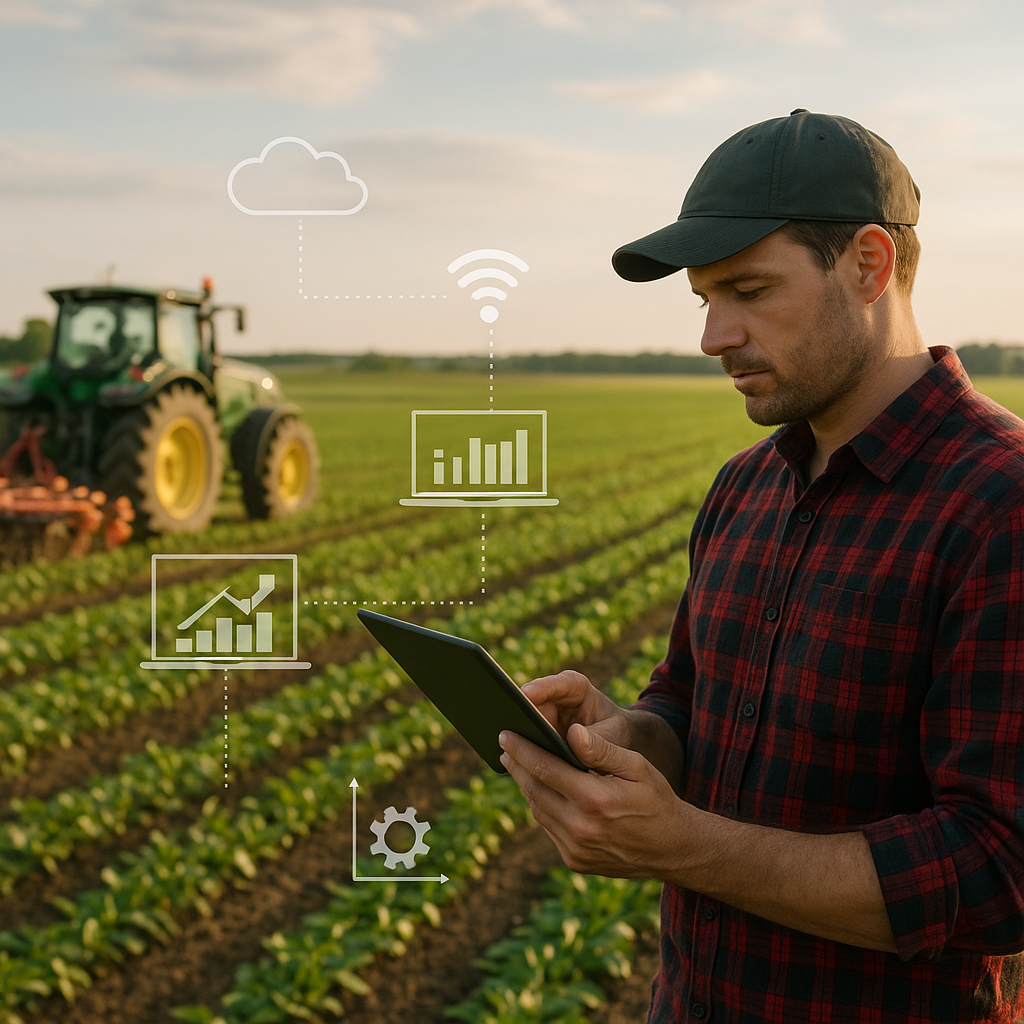
- Precision Agriculture: Data-driven approaches to input management—using sensors, drones, and AI—optimize fertilizer and water application, boosting yield and reducing operational costs.
- Remote Sensing and GIS: Satellite imagery and geographical information systems offer real-time insights into crop health, enabling investors to evaluate land productivity accurately before acquisition.
- Blockchain and Traceability: Immutable ledgers facilitate transparent supply chain tracking, increasing consumer trust and potentially commanding higher prices for crops grown on verified farmland.
Policy and Regulatory Environment
Changes in land tenure laws, taxation schemes, and foreign ownership restrictions can dramatically alter market accessibility. For example, recent reforms in Southeast Asia aim to simplify leasing procedures and incentivize capital investment in agricultural infrastructure. Conversely, moratoriums on land purchases in parts of Africa reflect concerns over risk management and safeguarding local food security.
Future Outlook and Innovations
As global challenges intensify—climate volatility, resource constraints, and shifting trade dynamics—the agricultural land market will continue to evolve. Adoption of forward-looking strategies and cutting-edge technologies may unlock new layers of value.
Climate Resilience and Adaptation
Regions facing increasing drought frequency and extreme weather events are piloting resilient crop varieties and water-saving irrigation methods. Investments in on-farm reservoirs, advanced drip systems, and soil moisture monitoring enhance operational resilience and protect land valuations under harsher climatic conditions.
Agroforestry and Multifunctional Landscapes
Integrating trees and perennial species into cropping systems fosters carbon sequestration, reduces erosion, and diversifies income streams through timber and non-timber products. Such valuation models reward properties that combine annual crops with forestry elements, reflecting broader ecosystem services.
Digital Marketplaces and Access
Emerging platforms match sellers and buyers, offering standardized due diligence tools and financing options. These digital marketplaces democratize access to farmland, enabling smaller investors to participate alongside global conglomerates. By streamlining transaction processes, they enhance market liquidity and price discovery.
Vertical Integration and Supply Chain Synergies
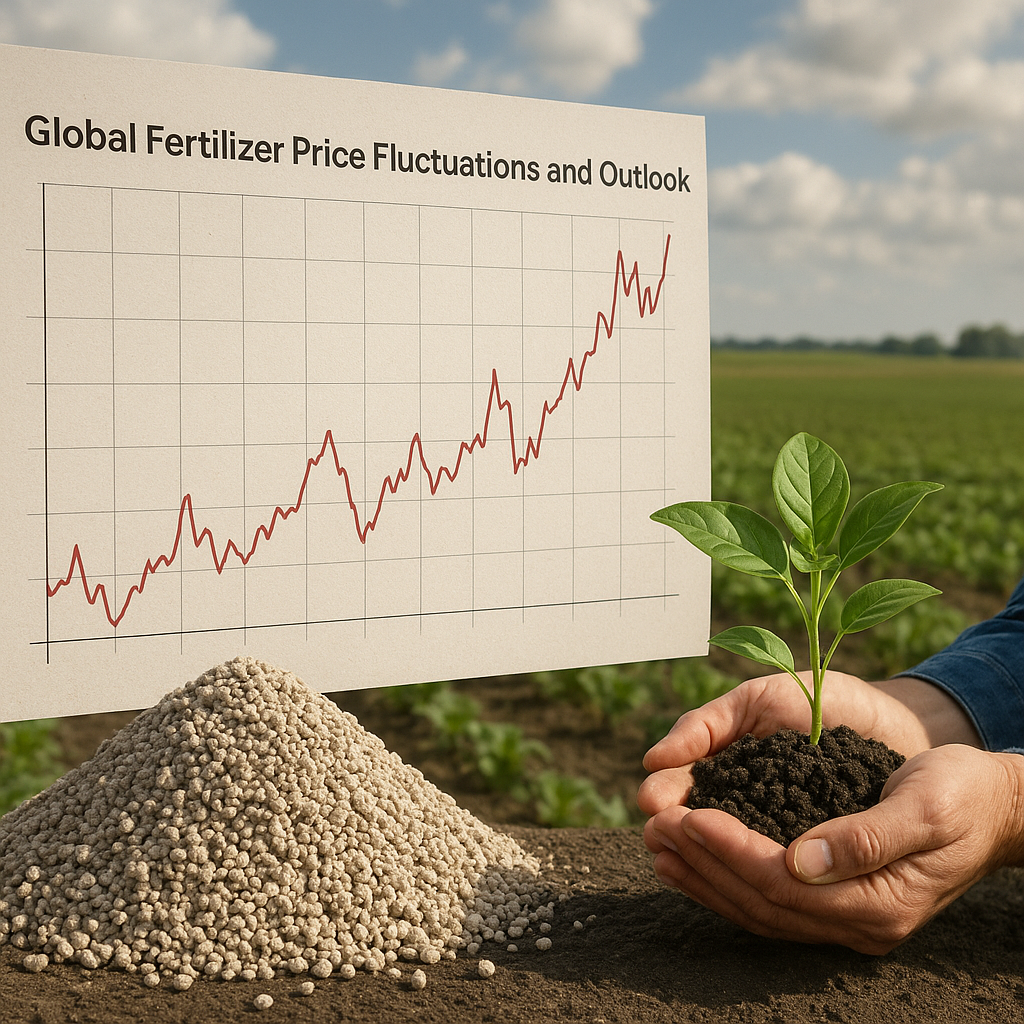
Firms are increasingly acquiring land to secure input supply and stabilize production costs. Integration from farm to processing and distribution can mitigate margin pressures caused by volatile input prices. In parallel, collaborations between tech providers and agribusinesses drive innovations that further optimize resource usage and expand market reach.
The convergence of demographic trends, technological prowess, and shifting policy incentives positions agricultural land as a dynamic investment frontier. Navigating this complex terrain requires a nuanced appreciation of local contexts, global macroforces, and the evolving demands of sustainable production. By aligning capital with innovation and resilience, stakeholders can unlock the full potential of farmland in meeting the world’s growing food and resource needs.