AgriTech startups are rewriting the rules of modern agriculture by harnessing cutting-edge technologies to boost productivity, optimize resource use and address pressing environmental concerns. These dynamic ventures leverage innovation and efficiency to transform traditional farming, enabling growers around the world to achieve higher yields with fewer inputs. As global demand for food continues to rise, new business models and technological breakthroughs are reshaping supply chains and delivering more sustainable harvests.
Transforming Crop Monitoring and Data Analytics
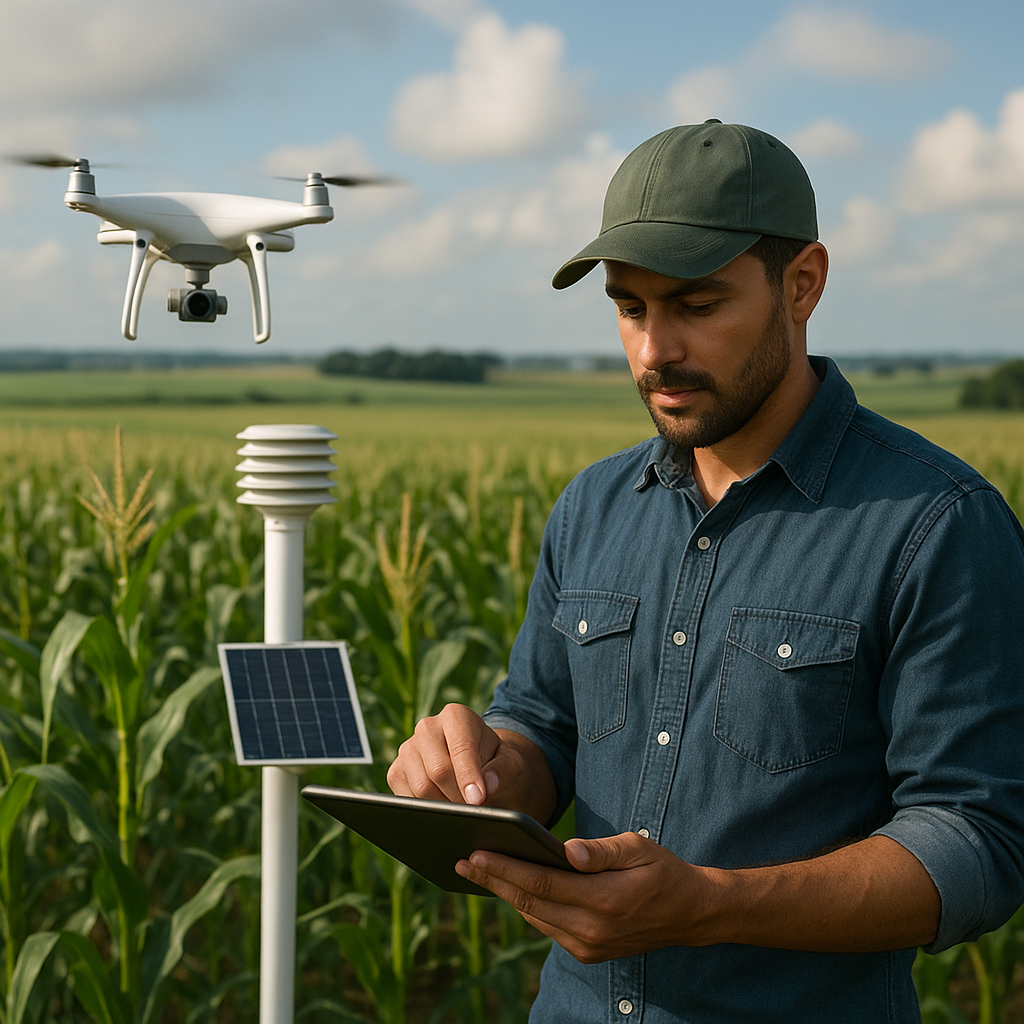
In recent years, satellite imagery, remote sensors and advanced software have converged to create data-driven platforms that provide near real-time insights into field conditions. Startups such as CropGuardian have developed AI-powered dashboards that analyze multispectral data and alert farmers to nutrient deficiencies, pest infestations or water stress long before they become visible to the naked eye.
- IoT-enabled soil moisture sensors deployed across fields send continuous readings that inform irrigation schedules.
- Machine learning models integrate weather forecasts, historical yield data and current crop health to generate predictive analytics.
- Mobile applications enable on-the-go scouting, allowing agronomists to tag anomalies and trigger targeted interventions.
By combining remote sensing with ground-level inputs, these platforms deliver actionable recommendations that reduce input waste and maximize per-acre returns. The integration of IoT networks with cloud-based analytics is unlocking unprecedented visibility for producers, from smallholder farms to large agribusiness operations.
Embracing Precision Agriculture and Automation
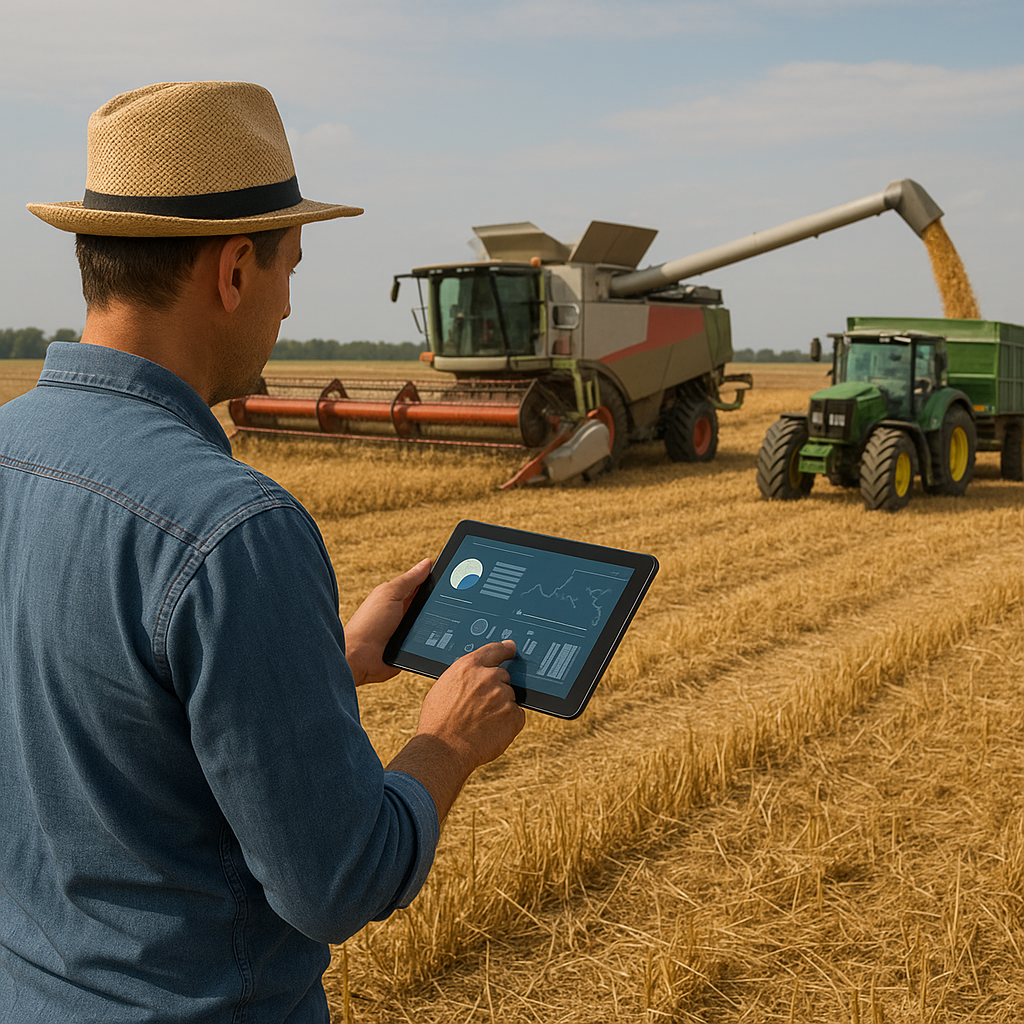
Precision agriculture has emerged as a cornerstone of modern farming, where tools and machines operate with centimeter-level accuracy. Autonomous tractors, robotic harvesters and variable-rate applicators are revolutionizing field operations by optimizing planting density, fertilizer application and pesticide sprays. Equipment outfitted with GNSS guidance systems ensures that every seed, drop of water and gram of fertilizer is delivered exactly where it is needed.
Robotic Systems and Drone Technologies
Unmanned aerial vehicles (UAVs) and ground-based robots are taking on labor-intensive tasks while collecting rich data streams:
- Crop-spraying drones scan fields to pinpoint weeds and administer herbicides with minimal overlap.
- Autonomous weeding robots identify unwanted plants and remove them mechanically, reducing chemical usage.
- Harvest robots equipped with vision systems detect fruit maturity and harvest delicate crops without damage.
This new wave of mechanization drives down labor costs, mitigates labor shortages and elevates overall operational precision. As battery life extends and AI models advance, the role of robotics in agriculture will only expand, forging a path toward fully automated farms.
Sustainable Farming Practices for a Changing Climate
Global agriculture faces the dual challenge of feeding a growing population while adapting to unpredictable weather patterns. AgriTech ventures are pioneering regenerative methods that build soil health, conserve biodiversity and cut greenhouse gas emissions. Techniques such as cover cropping, reduced tillage and biofertilizer applications are being scaled with the help of advanced monitoring tools.
Blockchain-powered platforms like FarmChain are creating transparent, immutable records of each stage in the food supply chain. Consumers can verify that produce was grown under fair labor conditions, with minimal chemical inputs and reduced carbon footprints. Farmers benefit from premium pricing and enhanced market access for products that carry verifiable sustainability credentials.
By integrating sensor networks and digital marketplaces, these solutions foster a circular economy of on-farm waste recycling and nutrient reuse. The result is agricultural systems that are more sustainability-focused and resilience-oriented, able to withstand droughts, floods and other climate-driven stresses.
Financing Innovations and Market Access
Access to capital remains a significant barrier for small and medium-sized farmers seeking to adopt high-tech solutions. Emerging fintech startups are developing tailored lending products, crop insurance and pay-as-you-grow models that lower upfront costs. By partnering with local cooperatives and leveraging mobile payment platforms, these ventures provide farmers with flexible financing tied directly to yield outcomes.
Meanwhile, digital marketplaces are revolutionizing how agricultural inputs and outputs are traded:
- Peer-to-peer platforms connect producers with buyers, bypassing traditional middlemen and increasing profit margins.
- Subscription-based services deliver precision-input prescriptions tailored to individual fields on a seasonal basis.
- Real-time commodity exchanges allow farmers to hedge against price volatility and secure contracts before harvest.
These models enhance financial scalability by creating predictable revenue streams and democratizing access to global markets. As capital flows toward the most promising AgriTech startups, the entire agricultural ecosystem stands to benefit from improved risk management and stronger supply chain integration.