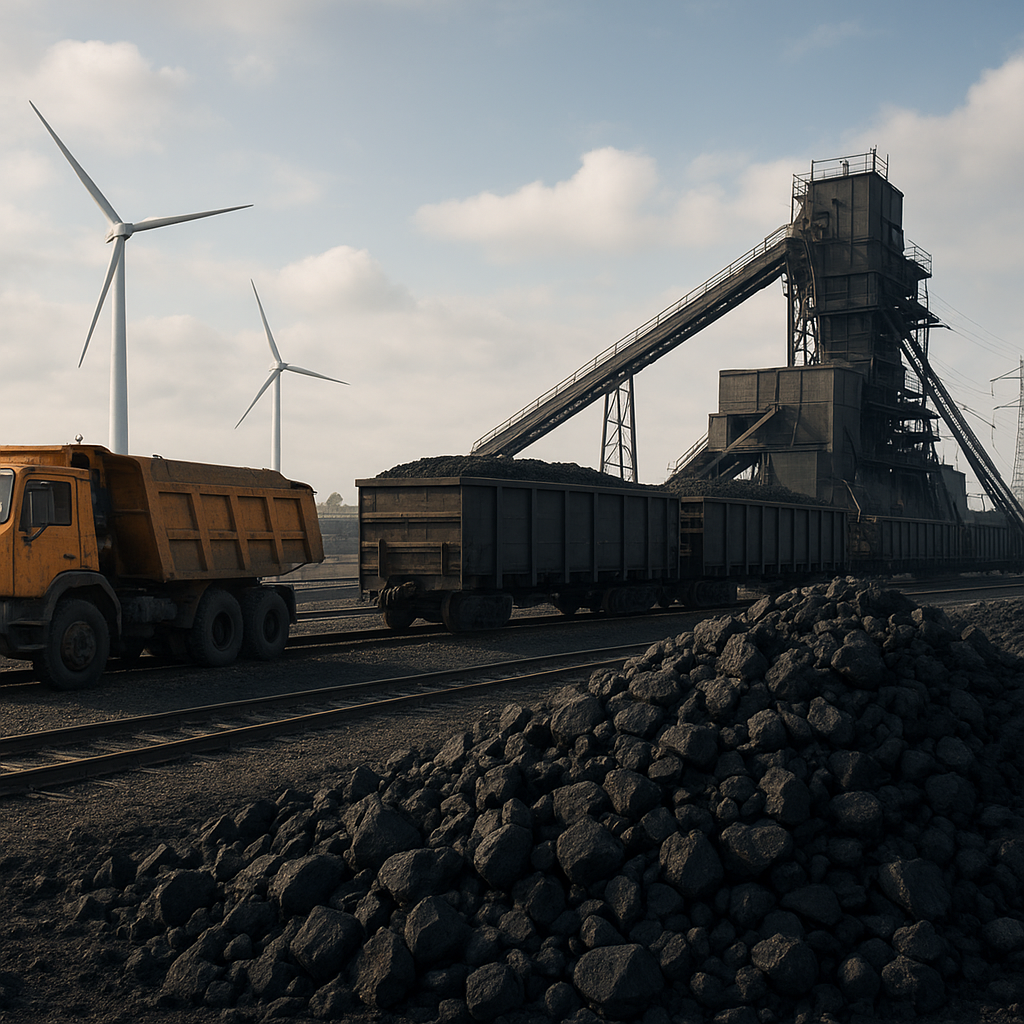
The global coal market is undergoing a profound transformation as energy systems shift toward decarbonisation, electrification, and digitalisation. Once seen as the unquestioned backbone of power generation and heavy industry, coal now occupies a far more contested role. Policymakers pursue climate targets, investors tighten environmental criteria, and new technologies reshape demand. Yet coal remains deeply embedded in many economies, from power grids to steel mills, and continues to influence geopolitics, trade flows, and regional development. Platforms like coal-stock.eu reflect this changing landscape, where stakeholders seek reliable information, diversified supply options, and risk management tools. Understanding how coal markets adapt to regulatory pressure, technological innovation, and evolving consumer expectations is essential for governments, companies, and communities navigating the energy transition.
The evolving role of coal in the global energy mix
Coal has historically been a cornerstone of industrialisation, providing abundant and relatively cheap energy to power factories, railways, and later, electricity grids. For decades, it has been a key driver of economic growth in both developed and emerging economies. Many countries built their power systems around coal-fired plants, which offered baseload capacity and supported large-scale urbanisation. At the same time, coal fueled heavy industries such as steel, cement, and chemicals, enabling mass infrastructure development.
However, the role of coal is now being reassessed as climate concerns intensify. The recognition that coal is one of the most carbon-intensive fuels has placed it at the centre of debates over energy policy and environmental responsibility. Governments are scrutinising the long-term viability of coal-based energy systems, especially as international agreements and national pledges seek to limit global warming. For traditional coal producers and consumers, this creates a complex balancing act: maintaining energy security and affordability while reducing greenhouse gas emissions.
In many advanced economies, the decline of coal in the power sector is clearly visible. Natural gas, renewables, and improvements in energy efficiency have collectively reduced coal’s market share. Regulatory frameworks and carbon pricing mechanisms have further eroded its competitiveness. Yet globally, coal consumption remains substantial, particularly in fast-growing economies where electricity demand and industrial output continue to rise. This divergence underscores a central tension in the energy transition: while some regions move rapidly away from coal, others still rely on it to meet basic development needs.
Demand patterns: power generation versus industry
Coal demand can be divided into two main segments: thermal coal for power generation and heating, and metallurgical coal for industrial processes, especially steelmaking. These segments follow different dynamics and are affected by distinct policy and market drivers. Thermal coal demand is most directly influenced by power sector regulation, competition from alternative fuels, and the pace of renewable energy deployment. In contrast, metallurgical coal demand is tied to industrial cycles, infrastructure investment, and the evolution of steel production technologies.
In electricity generation, the shift towards gas and renewables is the primary factor reshaping coal markets. Where gas is plentiful and infrastructure is well developed, coal plants struggle to compete on both cost and environmental grounds. Wind, solar, and hydropower further displace coal, especially as capital costs fall and grid integration improves. Many utilities are accelerating plant retirements and cancelling new coal projects in anticipation of stricter climate policies. Still, in regions lacking reliable alternatives, coal-fired power continues to play a stabilising role, providing dispatchable capacity during peak demand or when variable renewables are unavailable.
Metallurgical coal presents a different challenge. Steel production using the blast furnace-basic oxygen furnace route depends heavily on high-quality coking coal, which currently has few large-scale substitutes. Although technologies such as hydrogen-based direct reduced iron and electric arc furnaces using high scrap content are emerging, they are not yet universally accessible or cost-competitive. As a result, metallurgical coal demand has been more resilient than thermal coal demand, particularly in countries investing heavily in construction and manufacturing. This distinction means that while thermal coal may see structural decline, certain segments of the coal industry could remain relevant for longer.
Regional shifts and the geography of coal trade
The geography of coal production and consumption has changed significantly in recent decades. Traditional coal producers include countries with large, accessible reserves and long-established mining industries. These nations developed transport infrastructure, export terminals, and trading networks that positioned them as key suppliers to global markets. Over time, new producers have also emerged, diversifying supply and altering trade patterns. Shipping routes, port capacity, and regional pricing hubs now shape the way coal moves across continents.
On the demand side, industrialising economies have become central to global coal consumption. Rapid urbanisation, expanding manufacturing bases, and rising electricity demand have driven sustained imports of both thermal and metallurgical coal. Domestic resources often cannot keep pace with consumption or may be of lower quality than imported alternatives, encouraging reliance on international trade. This has created complex interdependencies, where energy security in one region is tied to production decisions and regulatory frameworks in another.
These regional shifts also reflect broader economic and political trends. Trade tensions, sanctions, or changes in bilateral relations can quickly impact coal flows and pricing. Producers must manage exposure to shifting regulatory requirements in importing countries, including environmental standards and safety regulations at ports and power plants. Such dynamics increase the importance of flexible procurement strategies and diversified supply portfolios. Market participants use digital platforms, long-term contracts, and spot trading to navigate these uncertainties and align their operations with evolving demand.
Policy, regulation, and climate commitments
Policy and regulation are now among the most powerful forces shaping coal markets. International climate agreements have established a direction of travel towards lower emissions, prompting countries to introduce national legislation and targets that affect coal use. These include emissions performance standards, renewable energy mandates, and decarbonisation roadmaps for heavy industry. Coal-related infrastructure is increasingly scrutinised for its compatibility with long-term climate goals, leading lenders and investors to reassess the risks associated with financing such assets.
Carbon pricing mechanisms, whether through emissions trading systems or taxes, fundamentally alter the economics of coal. By internalising the environmental cost of CO2 emissions, they raise the operating costs of coal-fired generation relative to lower-carbon options. In response, utilities may invest in high-efficiency technologies, retrofit plants with emissions control equipment, or close older units. Industrial users of coal face similar incentives to improve energy efficiency or explore alternative feedstocks. The pace and design of these policies vary widely by country, creating a patchwork of regulatory environments that global market participants must understand.
Beyond direct climate measures, broader environmental regulations also influence coal markets. Standards related to air quality, water use, and land rehabilitation require mine operators and power producers to adopt more sustainable practices. Communities near mines and power plants increasingly demand higher environmental performance and greater transparency. This adds operational complexity but can also drive innovation in mining methods, waste management, and resource efficiency. Importantly, companies that adapt proactively can strengthen their social licence to operate and improve long-term resilience.
Technological change and decarbonisation pathways
Technology is at the heart of the changing energy landscape, offering both challenges and opportunities for the coal sector. The rapid decline in the cost of solar and wind generation has made them competitive with, or cheaper than, coal in many markets. Battery storage and advanced grid management techniques allow higher penetration of variable renewables without compromising reliability. These developments reduce the relative attractiveness of coal for new power investments and accelerate the retirement of older plants.
At the same time, technologies aimed at reducing emissions from coal are evolving. High-efficiency, low-emissions coal plants can achieve better performance than older units, using less fuel per unit of electricity and emitting lower levels of pollutants. Carbon capture, utilisation, and storage (CCUS) offers a potential way to continue using coal while significantly cutting CO2 emissions, though cost, infrastructure requirements, and public acceptance remain substantial hurdles. Pilot projects and demonstration plants provide valuable experience, but widespread deployment is still limited.
Industrial decarbonisation introduces another set of possibilities. Alternatives to coal-based steelmaking, including hydrogen-based processes and increased recycling of scrap, could gradually reduce the need for metallurgical coal. Electrification and the use of low-carbon fuels in other energy-intensive industries may also diminish coal demand over time. For coal producers and traders, understanding these technological trajectories is critical for long-term planning. Investment decisions must take into account scenarios where demand could plateau or decline, even if short-term conditions remain favourable.
Investment, finance, and risk management
Financial markets increasingly view coal through the lens of long-term climate risk and regulatory uncertainty. Banks, insurers, and institutional investors are tightening lending standards or adopting policies that restrict support for new coal-related projects. Some have introduced explicit exclusions, while others apply more stringent due diligence and disclosure requirements. This shift reflects both environmental concerns and the fear that coal assets could become stranded as policies and technologies evolve.
For companies active in coal mining, transportation, or power generation, access to capital can therefore become more challenging and costly. They must demonstrate robust risk management, compliance with environmental standards, and credible transition strategies to attract investment. Transparency in reporting emissions, environmental impacts, and governance practices is no longer optional. Firms that fail to address these issues may face higher financing costs, reputational damage, or reduced market access.
Risk management extends beyond financing to encompass price volatility, regulatory changes, and operational disruptions. Coal prices are influenced by weather patterns, freight costs, currency movements, and shifting demand across regions. Companies use hedging, diversified supply chains, and flexible contracting arrangements to mitigate these risks. Digital tools, data analytics, and real-time market information enhance their ability to respond quickly to changing conditions. In this context, platforms providing structured information and market insights can support more informed decision-making.
Digitalisation and market transparency
Digitalisation is reshaping the way coal is traded, transported, and monitored. Electronic trading platforms have streamlined transactions, improved price discovery, and expanded participation in coal markets. Data on production, stock levels, freight logistics, and consumption is increasingly available, enabling more accurate forecasting and strategic planning. Automation and digital tracking systems in mines and along supply chains enhance safety, reduce losses, and improve operational efficiency.
Market transparency is particularly important in a period of transition. As coal’s role in the energy system becomes more contested, stakeholders need reliable information on supply-demand balances, regulatory developments, and infrastructure changes. Transparent pricing and accessible analytics help buyers and sellers negotiate fair contracts and manage exposure to volatility. For policymakers, better data supports evidence-based regulation and planning, reducing the risk of unintended consequences or supply disruptions.
Digital solutions also facilitate compliance with environmental and social standards. Monitoring technologies can track emissions, land use, and community impacts in near real time, allowing faster responses to identified issues. Documentation of environmental performance and adherence to regulations can be shared with regulators, financiers, and local communities. In this way, digitalisation is not only a matter of efficiency but also a tool for building trust in a sector often criticised for its environmental footprint.
Social and economic dimensions of coal transitions
Coal is more than a commodity; it is woven into the social and economic fabric of many regions. Mining communities often depend on coal-related employment, tax revenues, and local procurement for their livelihoods. Power plants may anchor industrial clusters, providing not just electricity but also heat and infrastructure. When coal demand declines or mines close, the effects can be profound, affecting jobs, public services, and social cohesion. Managing these impacts is a critical aspect of any transition strategy.
Just transition policies aim to address these challenges by supporting workers and communities as economies diversify. Measures can include retraining programmes, investment in new industries, and targeted social protection schemes. Effective planning involves early engagement with local stakeholders, realistic assessments of alternative economic opportunities, and coordination between different levels of government. Experiences from regions that have already undergone coal sector restructuring show that success depends on long-term commitment, adequate funding, and a clear vision for future development.
At the same time, some regions may continue to see coal as a vehicle for development in the near term, particularly where alternative energy sources are costly or unreliable. In such contexts, efforts may focus on improving the environmental performance of existing operations and preparing for gradual diversification rather than abrupt closure. Balancing development needs with climate objectives is a complex task, requiring tailored approaches rather than one-size-fits-all solutions.
Future outlook: scenarios for coal in a changing energy landscape
The future of coal markets will depend on how quickly and decisively the global energy transition unfolds. In scenarios aligned with ambitious climate goals, coal use in power generation would decline rapidly, with many plants closing or being repurposed within a few decades. Investments would shift decisively towards renewables, flexible grid infrastructure, and low-carbon industrial processes. In such a world, remaining coal demand would be concentrated in niche applications, possibly paired with advanced emissions control technologies.
In more gradual transition scenarios, coal could maintain a significant role for longer, particularly in regions with limited access to alternatives or strong industrial demand for metallurgical coal. Policy uncertainties, technological bottlenecks, or slower-than-expected cost reductions for low-carbon options could all contribute to a more extended period of coal use. However, even in these cases, the direction of change would likely still point toward eventual decline, driven by ongoing innovation and evolving public expectations.
For market participants, the challenge lies in preparing for multiple possible futures. Strategic planning must incorporate scenario analysis, stress testing, and continuous monitoring of policy and technology trends. Flexibility in asset portfolios, investment timelines, and supply arrangements becomes essential. Stakeholders who recognise the structural forces reshaping coal markets and adapt proactively are better positioned to manage risks and capture remaining opportunities during the transition.
Conclusion
Coal markets stand at a crossroads as the global energy system shifts towards lower-carbon solutions. The fuel that powered industrial revolutions and underpinned modern electricity systems now faces growing competition from cleaner technologies and mounting pressure from climate policies. Yet coal remains embedded in critical industrial processes and in the energy systems of many developing economies, ensuring that its role will not vanish overnight. The evolution of coal markets will thus be uneven, shaped by regional circumstances, technological progress, and political choices.
Navigating this complex environment requires a nuanced understanding of demand segments, regulatory trajectories, technological developments, and social implications. Market transparency, robust risk management, and constructive engagement with stakeholders are key to managing the uncertainties ahead. Whether coal’s future is marked by rapid decline or more gradual transformation, its trajectory will significantly influence global emissions, economic development pathways, and the stability of energy systems. For policymakers, investors, and communities alike, the challenge is to harness the opportunities of a changing energy landscape while ensuring that transitions away from coal are both economically viable and socially fair.