The global agriculture industry is undergoing a transformative phase as farmers, agribusinesses, and policymakers navigate the dynamic landscape of seeds, fertilizers, and equipment. Driven by demographic shifts, climate pressures, and rapid technological advances, the farm inputs market is at the forefront of efforts to enhance productivity, minimize environmental footprints, and ensure food security for a growing population. This article examines key segments—seeds, fertilizers, and machinery—and explores how innovation and sustainability are reshaping the sector.
Global Trends in the Seeds Market
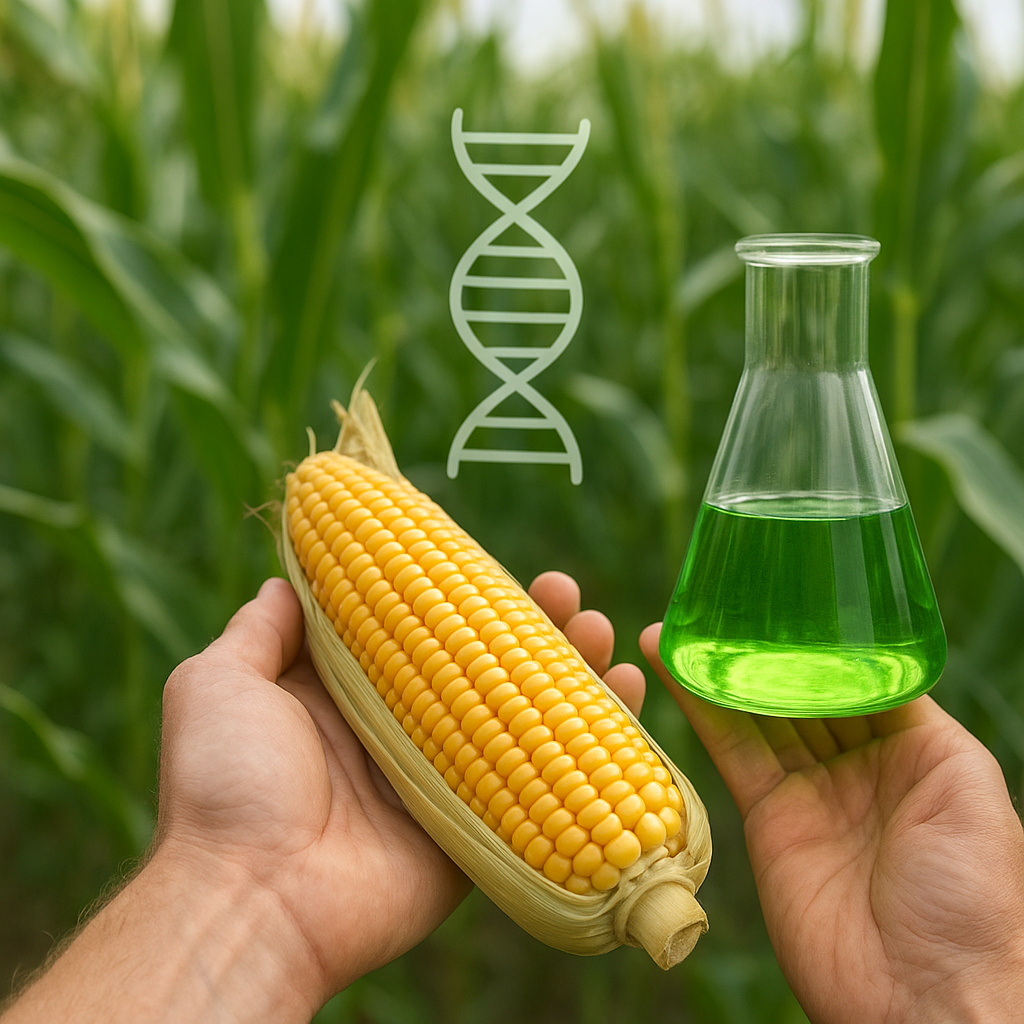
Modern agriculture hinges on the continuous improvement of seed varieties. From traditional open-pollinated seeds to advanced hybrid and genetically modified strains, the industry seeks to deliver robust genetics capable of thriving under diverse conditions. Major seed companies invest billions in research and development, unlocking traits that increase tolerance to drought, pests, and salinity, while also boosting yields and nutritional quality.
Farmers in emerging economies are progressively adopting high-yield varieties, supported by government extension programs and public–private partnerships. In regions such as Sub-Saharan Africa and Southeast Asia, initiatives to strengthen local seed systems have gained traction. By training smallholder cooperatives in seed production and maintaining quality-control protocols, these programs tackle issues of counterfeit seed and inconsistent germination rates.
The rise of digital platforms has also transformed seed distribution. E-commerce portals and mobile applications enable growers to compare varieties, access agronomic advice, and place bulk orders, streamlining the traditional supply chain. Blockchain pilots are emerging to trace seeds from breeder to farmer, ensuring authenticity and transparency.
Advances in Seed Genetics
- Gene editing tools like CRISPR are unlocking precise modifications that enhance stress resistance without introducing foreign DNA.
- Biofortification strategies aim to increase micronutrient content, addressing malnutrition in vulnerable populations.
- Seed coatings enriched with microbial inoculants promote early vigor and root development.
Fertilizer Dynamics and Sustainability
The fertilizer sector plays a pivotal role in supporting global crop production, with nitrogen, phosphorus, and potassium—the NPK trio—accounting for the majority of applications. However, concerns over greenhouse gas emissions, nutrient runoff, and escalating raw material prices have prompted a shift toward more balanced and sustainability-oriented approaches.
Precision nutrient management, enabled by soil testing, satellite imagery, and IoT sensors, allows farmers to apply fertilizers at variable rates tailored to crop needs. This precision farming paradigm reduces wastage, curbs environmental impacts, and improves economic returns. Smart spreaders and drip irrigation systems integrate with farm-management software to deliver nutrients precisely where and when crops require them.
Meanwhile, alternative fertilization methods are gaining ground. Bio-fertilizers—which utilize living organisms such as nitrogen-fixing bacteria or phosphate-solubilizing fungi—offer a renewable route to enhance soil fertility. Agronomists are also exploring slow-release and coated fertilizers that lock in nutrients until root uptake is optimal, minimizing leaching into waterways.
Market Drivers and Challenges
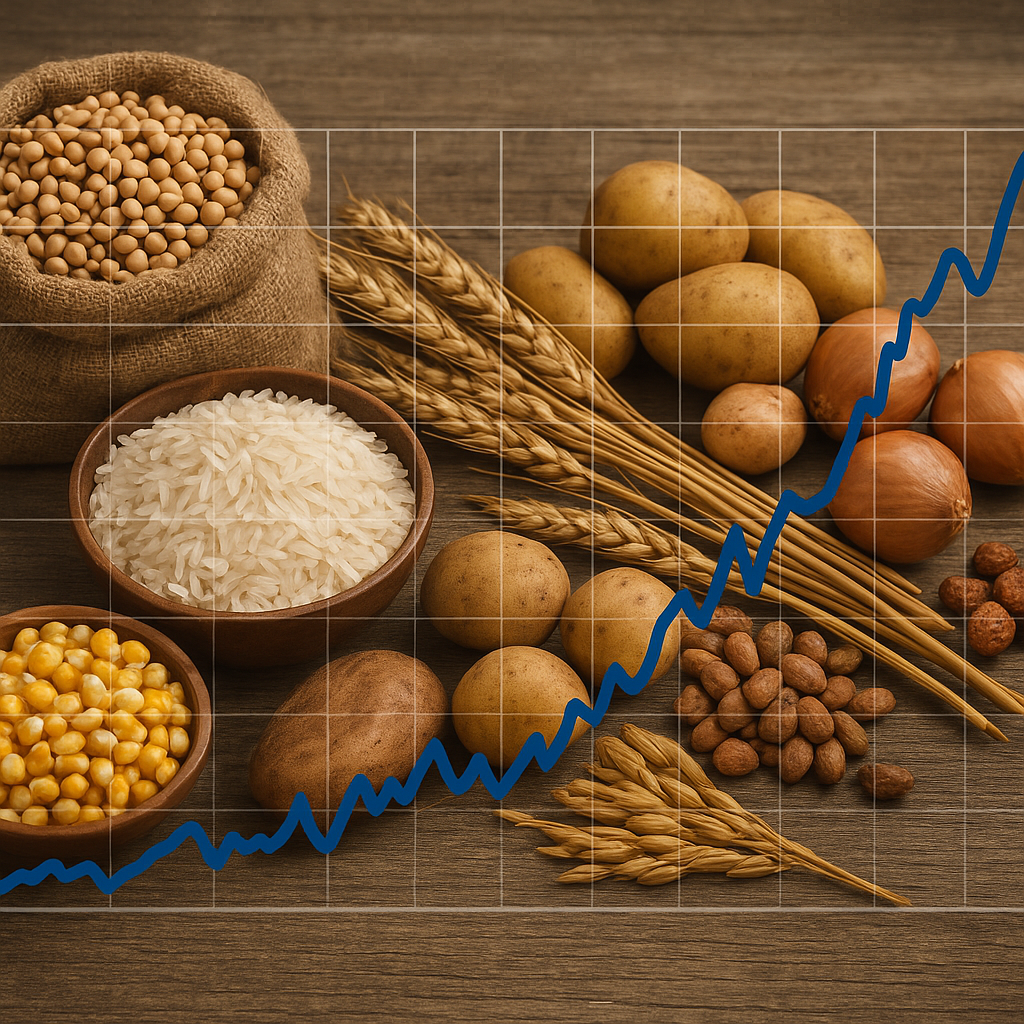
- Volatility in natural gas prices affects nitrogen-based fertilizer production costs.
- Stringent environmental regulations push manufacturers to reduce carbon footprints and discharge levels.
- Growing consumer demand for organic produce fuels interest in non-synthetic nutrient sources.
Agricultural Equipment Innovations
The mechanization of farming operations has evolved well beyond tractors and plows. Today’s equipment integrates robotics, data analytics, and autonomous navigation to tackle labor shortages and improve field efficiency. Advanced machines contribute to mechanization that is smarter, safer, and more adaptable to small and large-scale operations.
Self-driving tractors equipped with differential GPS and LiDAR sensors can perform tillage, planting, and spraying tasks with minimal human intervention. Some models deploy swarms of smaller robotic units, each responsible for spot-weeding or precision harvesting. This modular approach reduces soil compaction and allows cost-effective scaling.
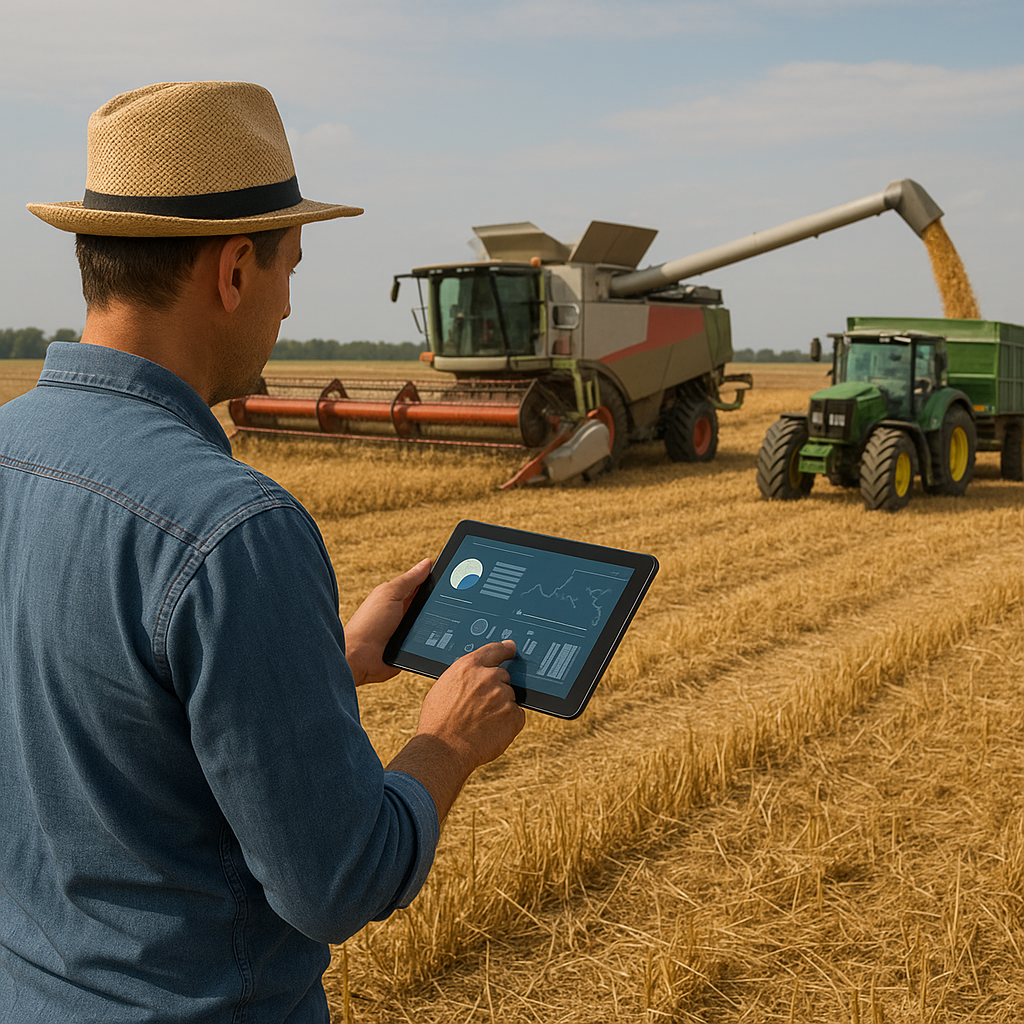
In parallel, multifunctional combines and harvesters now feature optical sorters that assess grain quality in real time, rejecting damaged kernels and optimizing storage. Drying, cleaning, and bagging systems have become more integrated, converting harvesters into mobile processing units that reduce postharvest losses.
Digital Integration and Aftermarket Services
- Telematics platforms monitor fuel consumption, machine health, and operator behavior, enabling predictive maintenance.
- Subscription-based software as a service (SaaS) models provide seasonal updates for planting algorithms and crop performance forecasts.
- 3D printing for spare parts accelerates repair turnaround, especially in remote regions where logistics delays can be costly.
Interlinkages Across Farm Inputs
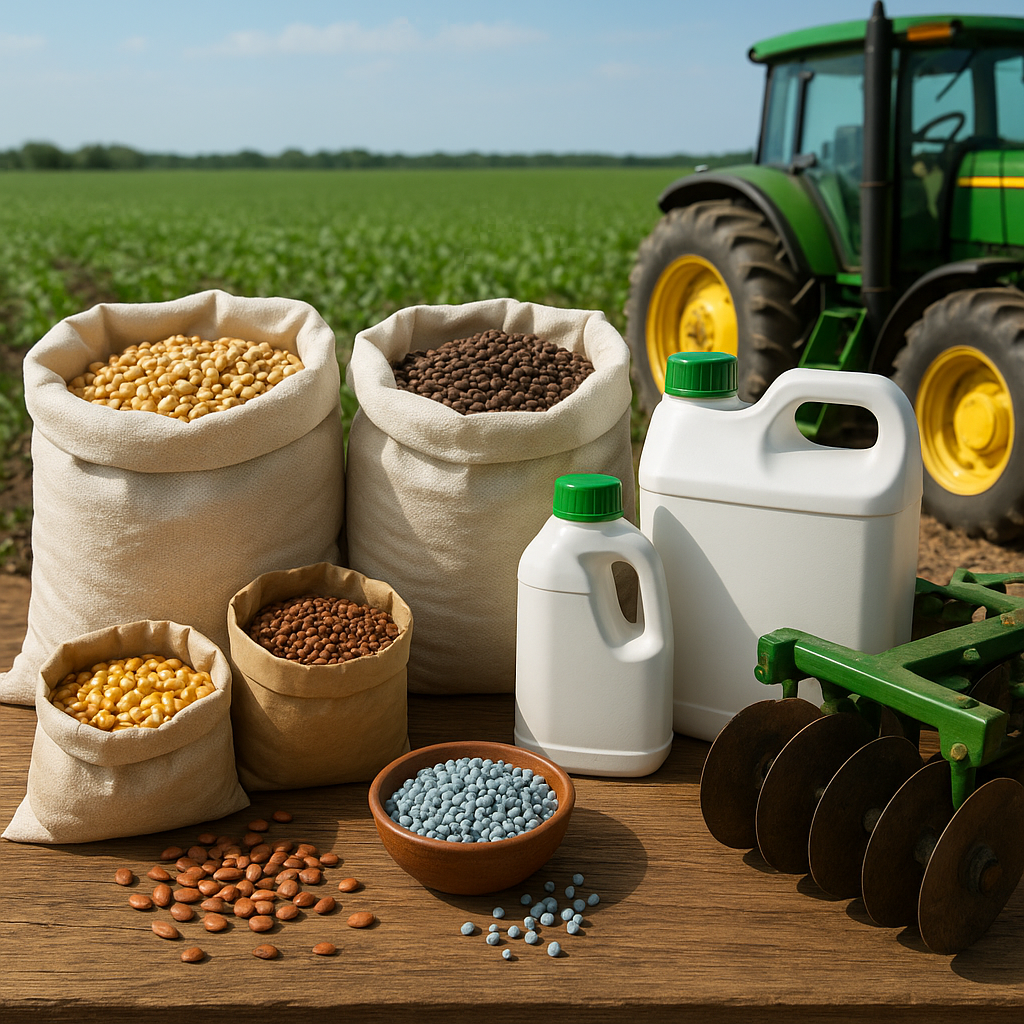
Success in modern agriculture arises from the synergy of seeds, fertilizers, and equipment, underpinned by a cohesive supply chain. Integrated crop management platforms aggregate data from planting to harvest, guiding decisions on variety selection, nutrient dosing, and machinery deployment. This holistic perspective reduces risks and fosters resilient operations.
Stakeholders at every level—seed developers, fertilizer producers, equipment manufacturers, and service providers—are forging alliances to deliver end-to-end solutions. Joint ventures leverage specialized expertise, from genetic research to industrial engineering, ensuring that innovations are scalable and context-appropriate.
Financial institutions and impact investors are also playing a growing role by offering tailored credit products and leasing schemes. By lowering the upfront cost barrier for high-tech seeds, advanced fertilizers, and automated machinery, these financing models accelerate technology adoption and contribute to broader rural development.
Future Outlook and Resilience
As climate volatility intensifies, the agriculture sector must adapt to unpredictable weather patterns and emerging pest pressures. The convergence of biotechnology, data science, and engineering will be vital to enhance climate resilience and safeguard global food supplies. Innovations in drought-tolerant seeds, nutrient-efficient fertilizers, and AI-driven farm equipment will define the next frontier of productivity.
Policymakers, researchers, and private enterprises are increasingly focused on circular economy principles. Efforts to recycle organic waste into bio-based fertilizers, capture carbon emissions through enhanced soil management, and electrify farm machinery align with global decarbonization goals. As these strategies gain momentum, the farm inputs market will continue evolving toward a more sustainable, interconnected, and technology-enabled future.