The persistent shortage of farm labor poses a significant challenge to the global agriculture sector, affecting production volumes, market prices, and food security. As many regions grapple with ageing workforces and restrictive immigration policies, growers are forced to explore alternative methods to sustain yield levels. This article examines the root causes, economic repercussions, and adaptive strategies shaping the future of modern farming in an interconnected world.
Causes of Farm Labor Scarcity
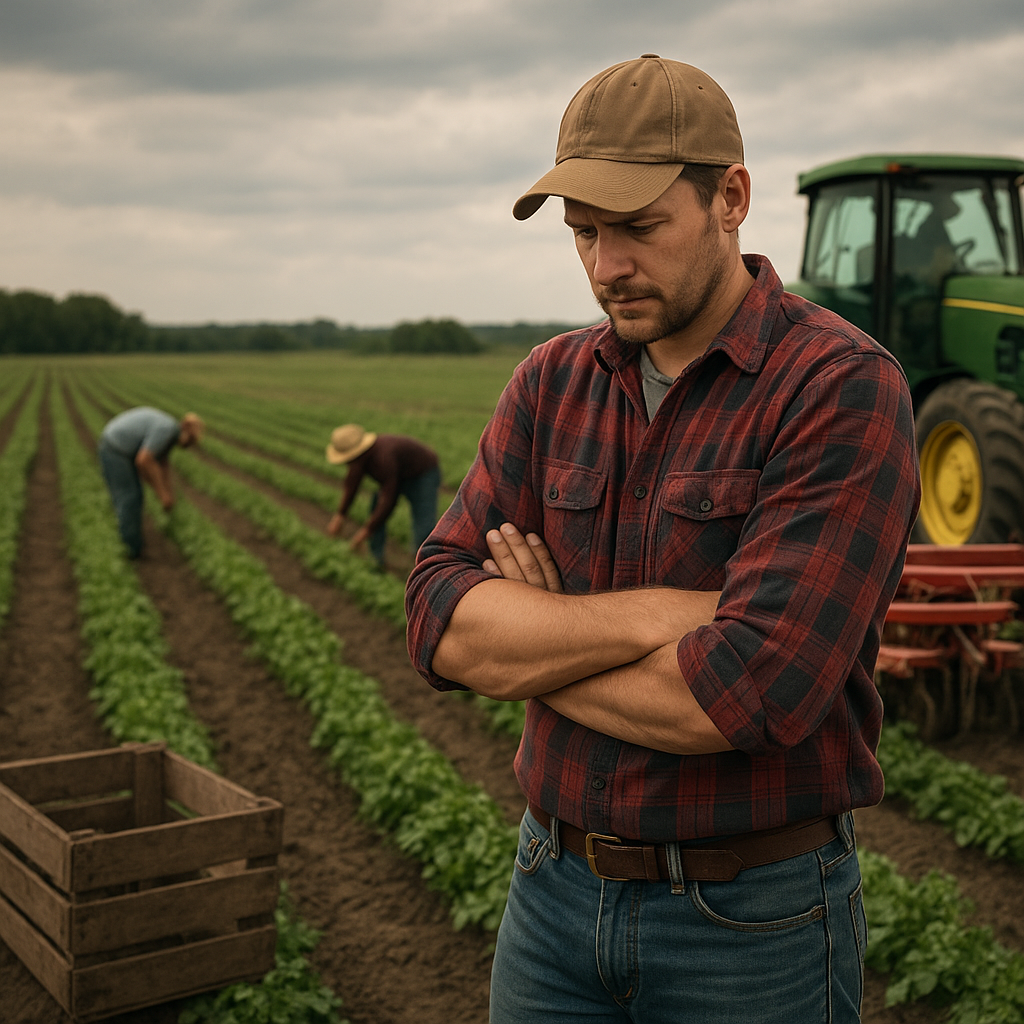
Several interrelated factors contribute to the decline in available farmworkers. Rapid urbanization draws younger generations toward city jobs offering steadier wages and perceived upward mobility. Meanwhile, tightening border controls limit the inflow of migrant labor, which historically filled seasonal roles. In many nations, changing demographic profiles—marked by an ageing rural population—further shrink the candidate pool. Seasonal and physically demanding tasks become less appealing compared to roles in services or manufacturing, reflecting broader shifts in lifestyle priorities.
Economic and Policy Drivers
- Migration restrictions: Stricter visa systems and border enforcement reduce the number of temporary workers, pressuring farmers to offer higher wages or face unharvested fields.
- Minimum wage hikes: While aimed at improving living standards, sudden wage increases strain profit margins on crops with tight price competition.
- Social security regulations: New compliance requirements for worker benefits raise operational costs, discouraging smallholders from expanding labor forces.
Societal Trends
Urban youth often view agriculture as outdated, resulting in persistent labor gaps. Additionally, rising educational attainment worldwide redirects talent toward technical and professional sectors. Without concerted efforts to reposition farming as a viable career—supported by training, technology, and health safeguards—labor shortages will intensify, particularly in labour-intensive horticulture and fruit harvesting.
Impacts on the Global Agriculture Market
A diminishing workforce directly influences global supply chain resilience, with ripple effects across food prices and trade balances. Countries heavily reliant on manual harvesting—such as those producing berries, grapes, and specialty vegetables—experience significant yield losses when workers aren’t available at peak seasons. Reduced output drives up consumer costs and compels importers to seek alternative sources, altering established trade flows.
Price Volatility and Food Security
- Crop shortages: Inadequate harvesting labor leads to crop waste, tightening market supplies.
- Inflationary pressure: Scarcity of fresh produce contributes to upward pressure on retail food prices, disproportionately affecting low-income families.
- Trade disruptions: Major exporters facing labor constraints may curtail exports, shifting global balances and creating supply bottlenecks in import-dependent countries.
Technological and Productivity Consequences
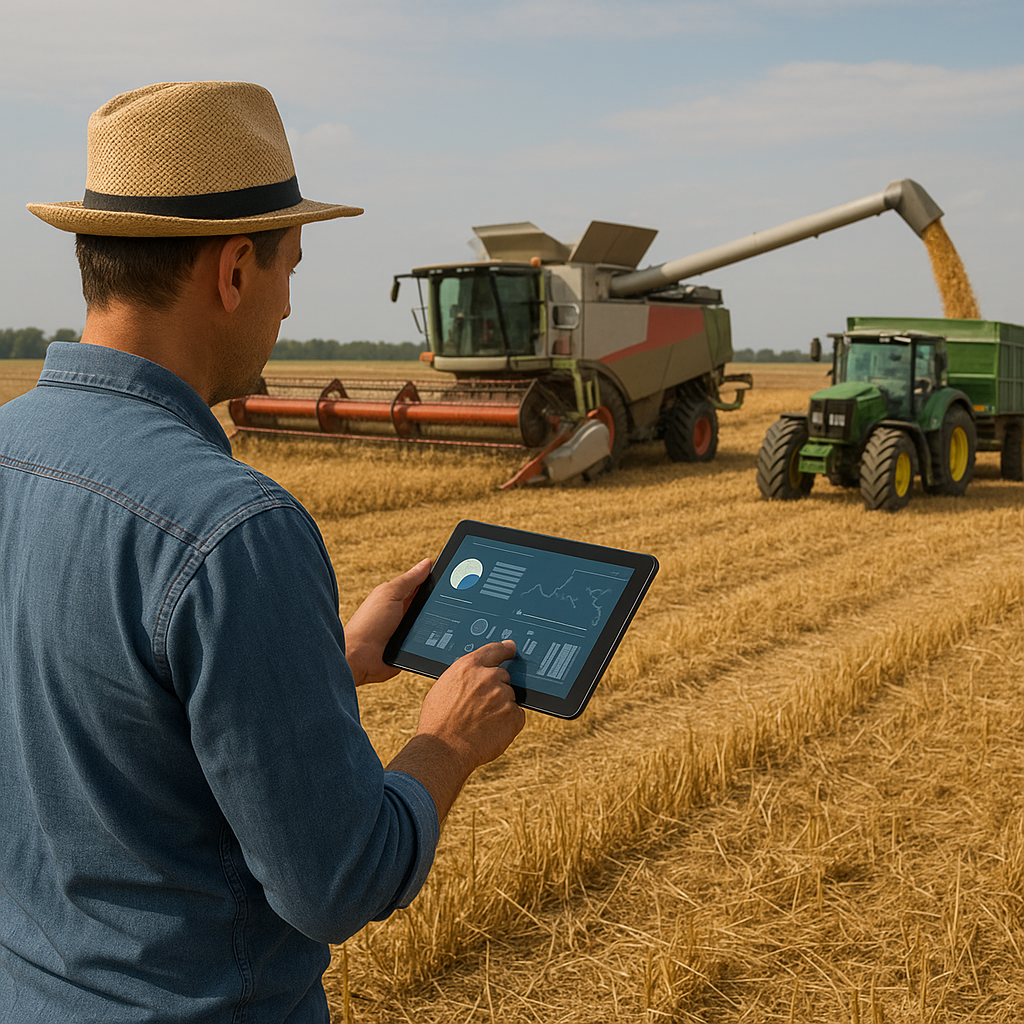
Faced with rising labor costs, many growers invest in mechanization and automation solutions. Harvesting robots, automated pruning systems, and precision agriculture platforms can partially offset human shortages, improving yield predictability and resource efficiency. However, high capital barriers restrict adoption among small-scale farms, potentially accelerating consolidation in the sector. This trend risks marginalizing family-owned operations and reducing overall sectoral diversity.
Strategies for Mitigation and the Future Outlook
Policymakers, industry stakeholders, and research institutions must collaborate to address labor shortfalls without compromising a farm’s economic viability. Combining workforce development with targeted investment in technology can foster a more resilient and adaptive sector.
Policy Reforms and Workforce Development
- Flexible visa frameworks: Streamlined seasonal worker programs can ensure timely labor availability.
- Vocational training initiatives: Offering curricula focused on agri-tech and modern farm management encourages local youth to engage in agriculture careers.
- Subsidies and tax incentives: Financial support for labor-intensive crops can help sustain operations during transition phases toward higher mechanization.
Technological Innovations and Sustainable Practices
Embracing innovation is crucial for long-term sustainability. Digital farm management tools enable remote monitoring of crop health, optimize irrigation schedules, and predict labor requirements. Integration of artificial intelligence helps allocate scarce human resources more effectively, while drones and automated vehicles handle repetitive tasks. Such technologies boost overall productivity and lower reliance on seasonal workers.
Collaborative Approaches
Building multi-stakeholder networks—including cooperatives, agribusinesses, and NGOs—encourages knowledge sharing and cost-sharing of expensive equipment. Cooperative ownership models allow smallholders to access robotic harvesters and sensor-driven irrigation systems that would otherwise be unaffordable. Collaborative research accelerates the development of crop-specific solutions and training modules, ensuring the workforce can adapt to evolving production methods.
Ultimately, resolving farm labor shortages requires a balanced blend of policy adjustments, technological deployment, and social engagement. By aligning economic incentives with workforce development and environmental stewardship, the global agriculture market can navigate current labor constraints and build a robust foundation for future growth.