The intricate web of global agriculture markets has transformed how producers, traders, and consumers interact, creating a landscape defined by rapid shifts in demand, supply constraints, and policy changes. Understanding the drivers of global trade in grains, oilseeds, and soft commodities is essential for stakeholders aiming to navigate complex supply routes and secure stable returns. This article examines the core dynamics, highlights key risks, and outlines emerging opportunities for sustainable growth within the agri-commodities sector.
Market Dynamics in Global Agri Commodities
A deep dive into the fundamentals of supply and demand reveals how changing consumption patterns, export policies, and climate events shape price movements. Traders rely on robust market intelligence to forecast shifts, while producers adjust planting strategies to capitalize on emerging trends.
Grain and Oilseed Balance
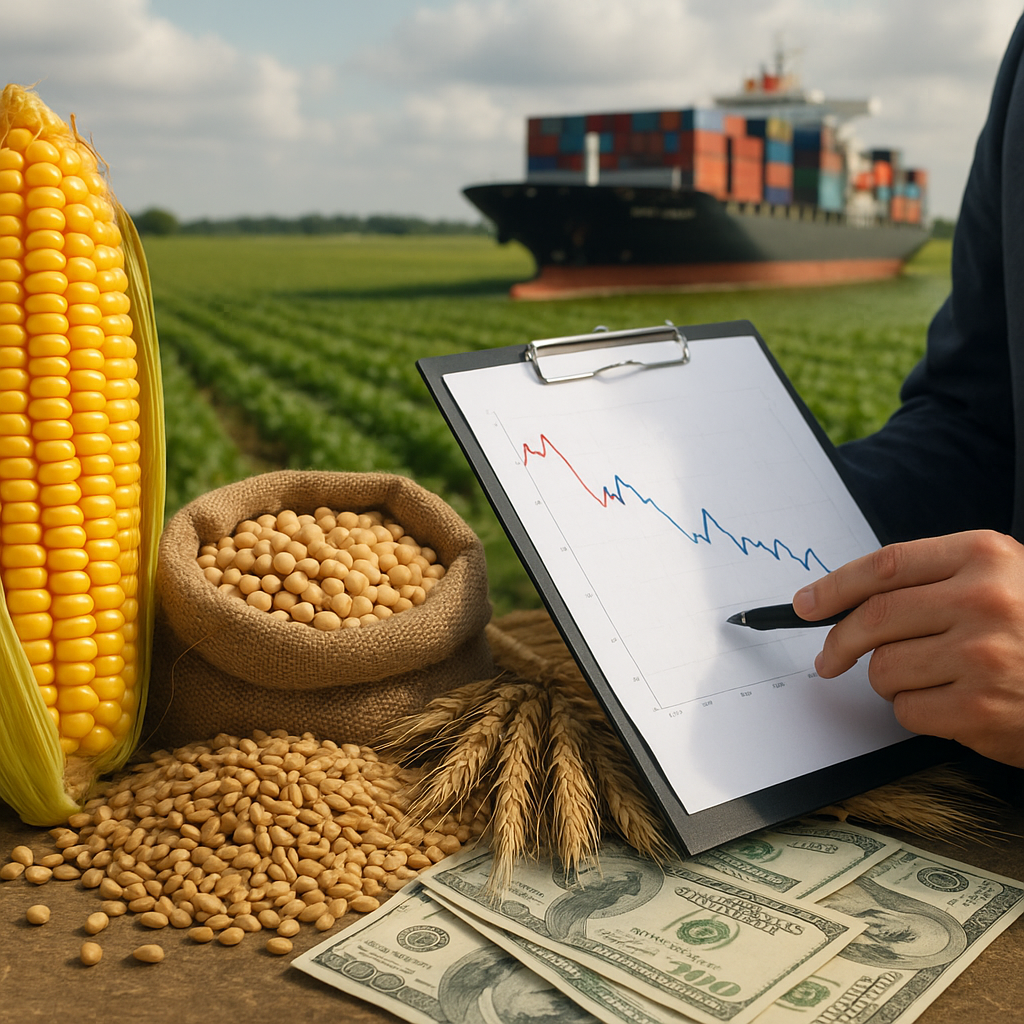
- Major producers such as the United States, Brazil, and Ukraine drive global output of wheat, corn, and soybeans.
- Strategic reserves and export restrictions can cause sudden swings in supply, amplifying volatility.
- Innovations in seed genetics and crop management influence yield potential, helping to stabilize global availability.
Soft Commodities and Emerging Markets
- Products like coffee, cocoa, sugar, and palm oil represent both traditional export staples and markets for specialty, organic produce.
- Rising middle-class incomes in Asia and Africa underpin demand growth for premium products, creating new trading corridors.
- Certification schemes and ethical sourcing have become differentiators, driving price premiums and consumer loyalty.
Policy and Regulatory Impacts
Governments intervene to protect domestic farmers, imposing tariffs or subsidies that can ripple through the supply network. Trade agreements such as USMCA, Mercosur, and the CPTPP aim to reduce barriers, but geopolitical tensions often introduce unpredictability. The interplay between local regulation and global market forces demands constant monitoring to inform strategic decisions.
Risk Factors and Mitigation Strategies
With high stakes come significant risks. Effective risk management is critical for stakeholders to safeguard revenues, secure supplies, and maintain stakeholder trust.
Price Volatility and Financial Exposure
- Market swings driven by weather shocks, currency fluctuations, or policy announcements can lead to unanticipated losses.
- Derivatives such as futures, options, and swaps provide tools to hedge positions, locking in prices and limiting downside.
- Implementing disciplined margin requirements and stress-testing scenarios helps firms withstand extreme price movements.
Climate Change and Production Uncertainty
Shifts in precipitation patterns, prolonged droughts, and extreme weather events pose threats to crop yields worldwide. Building resilience entails:
- Adopting drought-tolerant and disease-resistant crop varieties.
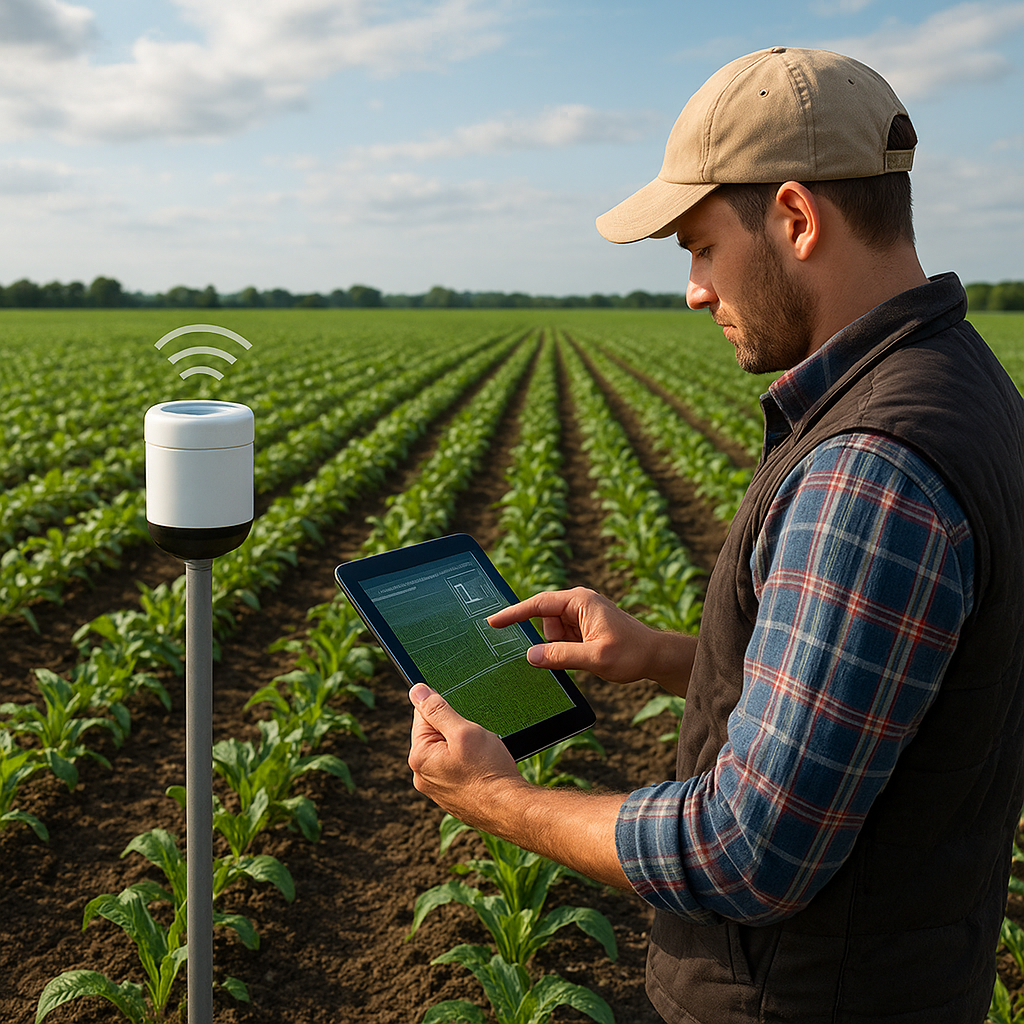
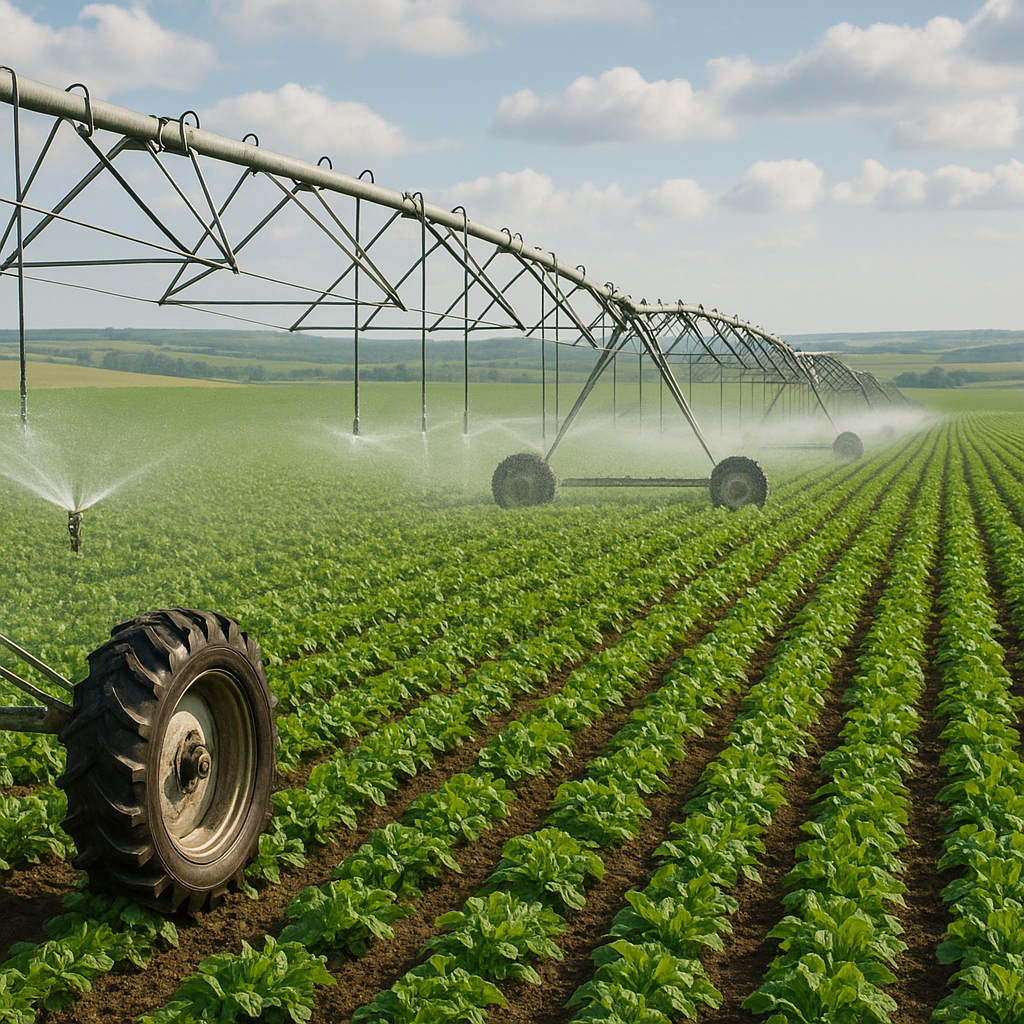
- Investing in precision irrigation systems and real-time soil moisture monitoring.
- Developing weather-indexed insurance products to protect against yield losses.
Logistics, Supply Chain Disruptions, and Geopolitical Risks
Interruptions at ports, border closures, or labor disputes can derail shipments, inflating costs and delaying deliveries. Key mitigation strategies include:
- Diversifying sourcing hubs and storage facilities across multiple regions.
- Leveraging digital platforms for real-time tracking and inventory management.
- Establishing contingency plans and alternative transport routes to minimize downtime.
Opportunities Driving Growth and Innovation
Despite challenges, the agri-commodities sphere presents fertile ground for expansion through modernization, value-added services, and strategic partnerships.
Technological Adoption in Agribusiness
- Precision farming tools, including drones and satellite imaging, optimize input usage and boost productivity.
- Data analytics platforms enable predictive modeling of harvest volumes, improving procurement accuracy.
- Digital marketplaces streamline transactions, reducing intermediary costs and increasing transparency.
Sustainable Practices and Ethical Sourcing
Consumers and institutional buyers are increasingly demanding products certified for social and environmental responsibility. Companies that embrace:
- Regenerative agriculture techniques to restore soil health.
- Traceability systems ensuring fair labor conditions and minimal ecological footprints.
- Partnerships with smallholder farmers to support community development.
Innovative Financing and Market Access
Financing solutions are evolving to bridge gaps between producers and global buyers. Notable trends:
- Warehouse receipt financing that leverages stored commodities as collateral.
- Trade credit insurance protecting exporters against non-payment.
- Emerging fintech platforms offering peer-to-peer lending and supply chain financing tailored to agri-business needs.
Technological Innovations and Future Outlook
The next decade will likely witness a convergence of advanced technologies reshaping the agri-commodities landscape from farmgate to final market.
Blockchain and Digital Ledger Systems
Decentralized ledgers can record every transaction, from planting to port shipment, enhancing trust and reducing fraud. Pilots in coffee and cocoa sectors demonstrate:
- Immutable provenance tracking, enabling end-consumers to verify origin and ethical credentials.
- Streamlined payment settlements, lowering intermediaries’ costs and accelerating cash flows.
Big Data, AI, and Predictive Analytics
Machine learning algorithms analyze weather data, satellite imagery, and historical price trends to forecast yields and market movements. Benefits include:
- Optimized planting schedules aligned with climate projections.
- Enhanced detection of pest and disease outbreaks, paving the way for targeted interventions.
Precision Agriculture and IoT Integration
Connected sensors deployed across fields deliver granular insights on soil chemistry, moisture levels, and plant health. Combined with automated machinery, the sector can achieve:
- Efficient resource usage, lowering water and fertilizer consumption.
- Higher crop quality and consistent supply volumes, supporting long-term contracts.
Looking ahead, building a more resilient, efficient, and inclusive agri-commodities ecosystem will depend on cross-sector collaboration, technology rollouts, and regulatory frameworks that incentivize innovation. Embracing diversification of crops, markets, and financing models will ensure stakeholders can capitalize on evolving demand while mitigating emerging risks. A commitment to sustainability and stakeholder transparency will not only protect natural resources but also cement trust among consumers, ultimately driving growth and unlocking new horizons in global agriculture.