Agricultural investment landscapes are undergoing a transformation driven by a confluence of technological breakthroughs, shifting consumer preferences, and evolving policy frameworks. Investors eyeing the next decade must navigate a complex matrix of opportunities and risks, balancing innovation with sustainability, and regional dynamics with global trends. This article explores the primary market forces, transformative technologies, and strategic considerations shaping global agricultural investment through multiple lenses.
Market Overview and Investment Flows
Global agricultural capital deployment reached near-record levels in the past five years, propelled by growing food demand and heightened awareness of environmental risks. Asset managers, sovereign wealth funds, and private equity firms have expanded allocations to farmland, agribusiness ventures, and supply chain infrastructure. A key driver is the pursuit of sustainability credentials, as climate-conscious investors prioritize projects that promise both returns and reduced carbon footprints.
Farmland Acquisitions and Consolidation
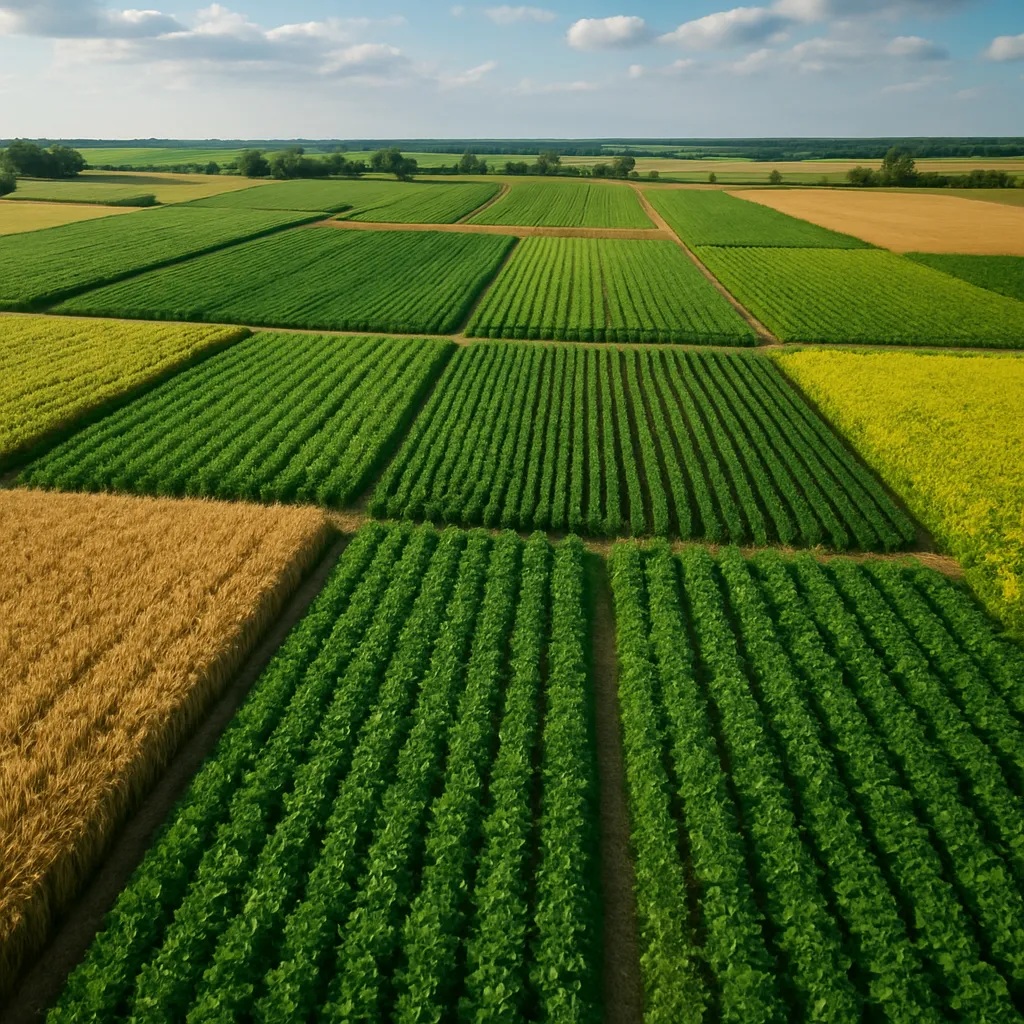
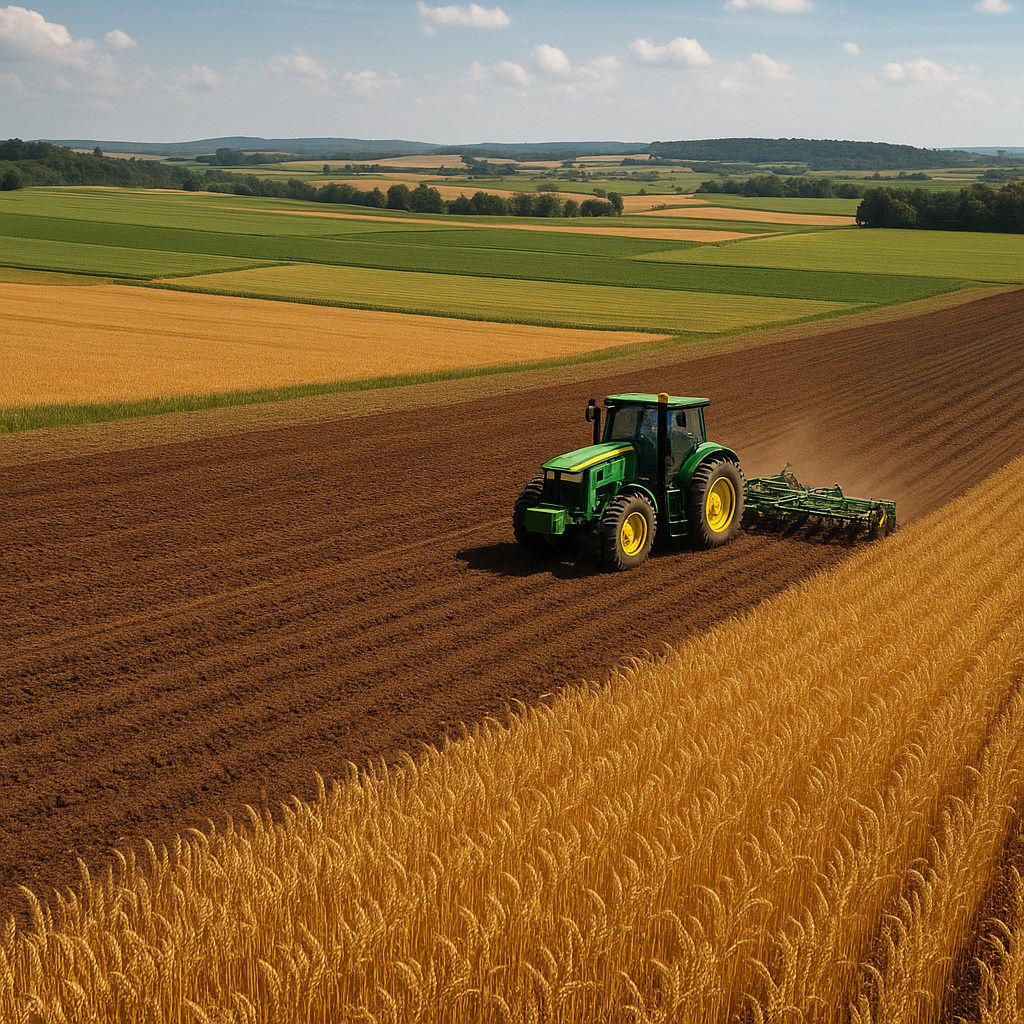
Large-scale acquisitions of arable land have become a hallmark of institutional strategies. Consolidation allows economies of scale, enabling operators to adopt cutting-edge practices such as precision agriculture tools and mechanization. However, this trend has also sparked debates over land rights, food sovereignty, and the role of local communities in decision-making.
Value Chain Investments
Beyond raw farmland, investment is flowing into processing facilities, cold storage, and logistics hubs. The goal is to streamline global supply chains and reduce post-harvest losses. Investors are keenly aware that inefficiencies along the value chain can erode profit margins and exacerbate food insecurity in vulnerable regions.
Key Drivers and Technological Innovations
Modern agricultural projects are defined by the integration of disruptive technologies, which promise yield optimization, cost reduction, and enhanced traceability.
- Digitalization and IoT: Sensors, drones, and satellite imagery provide real-time data on soil conditions, moisture levels, and crop health. This data drives AI-powered decision support systems that forecast yields and prescribe targeted interventions.
- Fintech Solutions: Blockchain-based platforms are transforming commodity trading, enabling transparent, tamper-proof contracts. Mobile finance and microcredit schemes expand access to capital for smallholder farmers in remote areas.
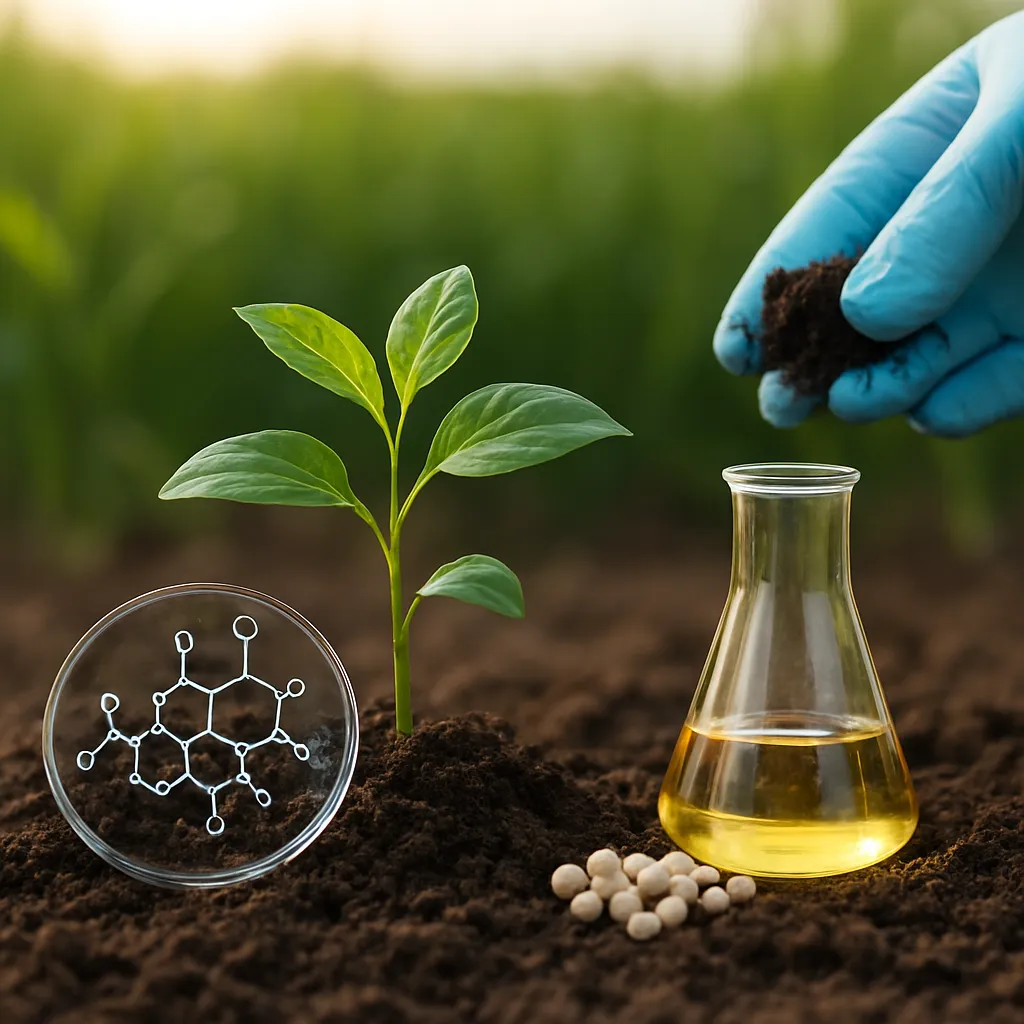
- Biotechnology and Crop Genetics: Gene editing and advanced breeding techniques accelerate the development of drought-tolerant and pest-resistant cultivars, enhancing climate resilience and food security.
- Renewable energy Integration: Solar-powered irrigation and bioenergy plants reduce operational costs and carbon emissions, aligning agribusiness with net-zero ambitions.
By weaving together these innovations, investors can build diversified portfolios that mitigate commodity price volatility and regulatory uncertainties.
Regional Dynamics and Emerging Opportunities
Divergent demographic trends, policy environments, and agroecological conditions create a mosaic of opportunities across continents.
Africa’s Agricultural Renaissance
With a young workforce and underutilized arable land, sub-Saharan Africa stands out as a frontier market. Public and private stakeholders are forging public-private partnerships to develop infrastructure, improve market access, and introduce climate-smart practices. Yet, challenges persist in securing property rights and financing at scale.
Asia’s Intensification and Tech Adoption
Countries like India and Vietnam are ramping up mechanization and digital farm advisory services. Government subsidies for precision seeding and drone-based spraying have accelerated the shift from traditional methods to high-efficiency systems. Furthermore, rising incomes spur demand for protein-rich diets, boosting investments in livestock and aquaculture segments.
North America and Europe: Mature Markets
While growth in these regions may be incremental, investors focus on optimizing yields and reducing environmental footprints. Initiatives in regenerative soil management, carbon markets, and circular waste practices are gaining traction. Compliance with stringent regulations also drives innovation in farm-level sustainability certification schemes.
Challenges and Strategic Risk Management
Despite the potential upside, agricultural investments are not without hazards. Market entrants must address:
- Climate Variability: Droughts, floods, and temperature extremes threaten crop yields and can trigger supply shocks.
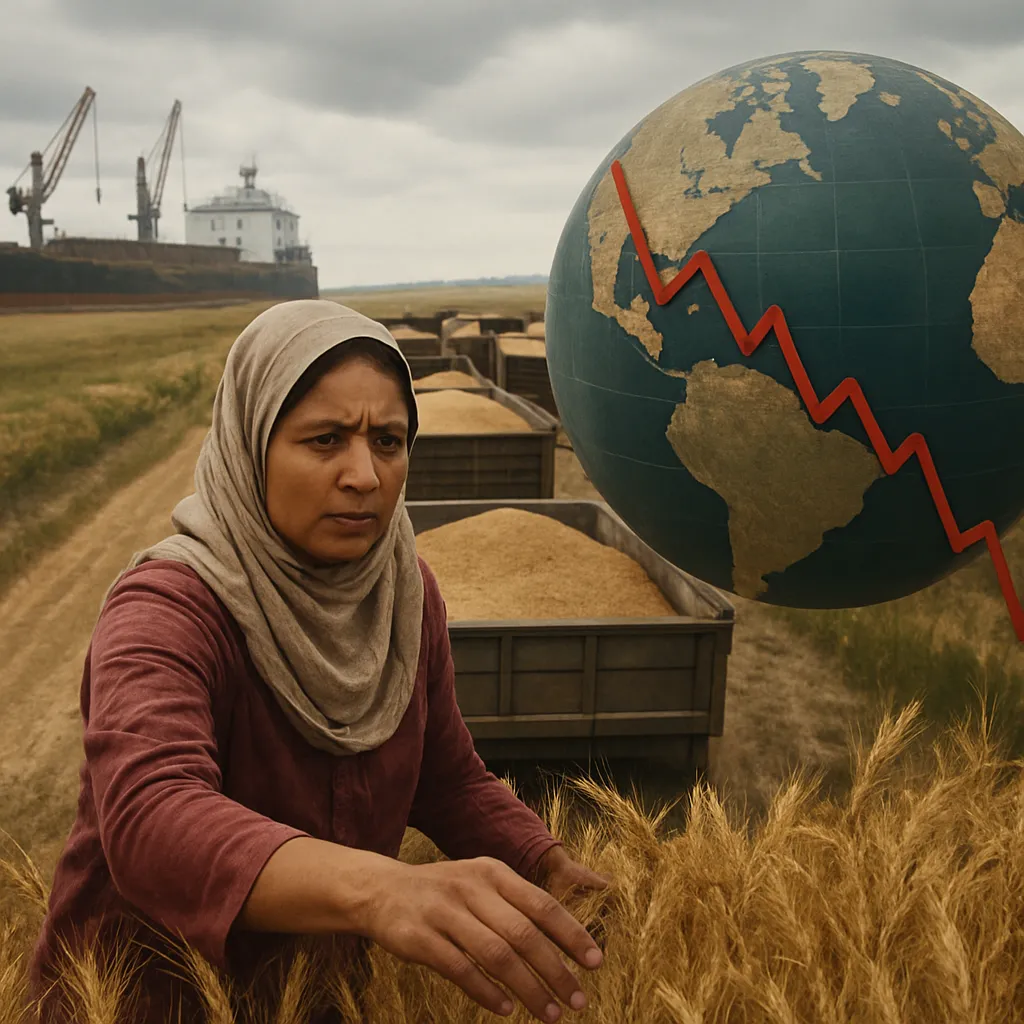
- Policy Shifts: Trade wars, export bans, and changing subsidy regimes can rapidly alter profitability models.
- Social License to Operate: Land acquisition disputes and community relations can stall projects and harm reputations.
- Risk management Frameworks: Hedging tools, crop insurance schemes, and scenario stress testing are essential to navigate these uncertainties.
Effective risk mitigation often entails a diversified approach—blending geographies, commodity types, and investment vehicles—and fostering strong partnerships with local stakeholders.
Strategic Outlook for the Next Decade
Looking ahead, the agricultural investment landscape will be shaped by the intersection of environmental imperatives and market forces. Key trends include:
- Scaling up climate-smart agriculture to meet net-zero targets.
- Leveraging big data and AI to refine decision-making at every stage, from seed selection to market pricing.
- Expanding footprint in emerging markets while navigating geopolitical complexities.
- Catalyzing cross-sector collaborations, uniting agritech startups, financial institutions, and public agencies.
Investors who align portfolios with long-term sustainability goals while remaining agile in response to evolving conditions will likely outperform their peers. As the global population climbs toward 9.7 billion by 2050, funding the agricultural transformation remains both a lucrative opportunity and a critical social mandate.