Balancing the rising demand for food with finite freshwater resources represents a pivotal challenge in the global agricultural sector. As populations expand and climatic conditions become more unpredictable, farmers, agribusinesses, and governments must collaborate to optimize water allocation and foster innovations that boost crop productivity without depleting aquifers or degrading ecosystems.
Current Trends in Global Agricultural Water Use
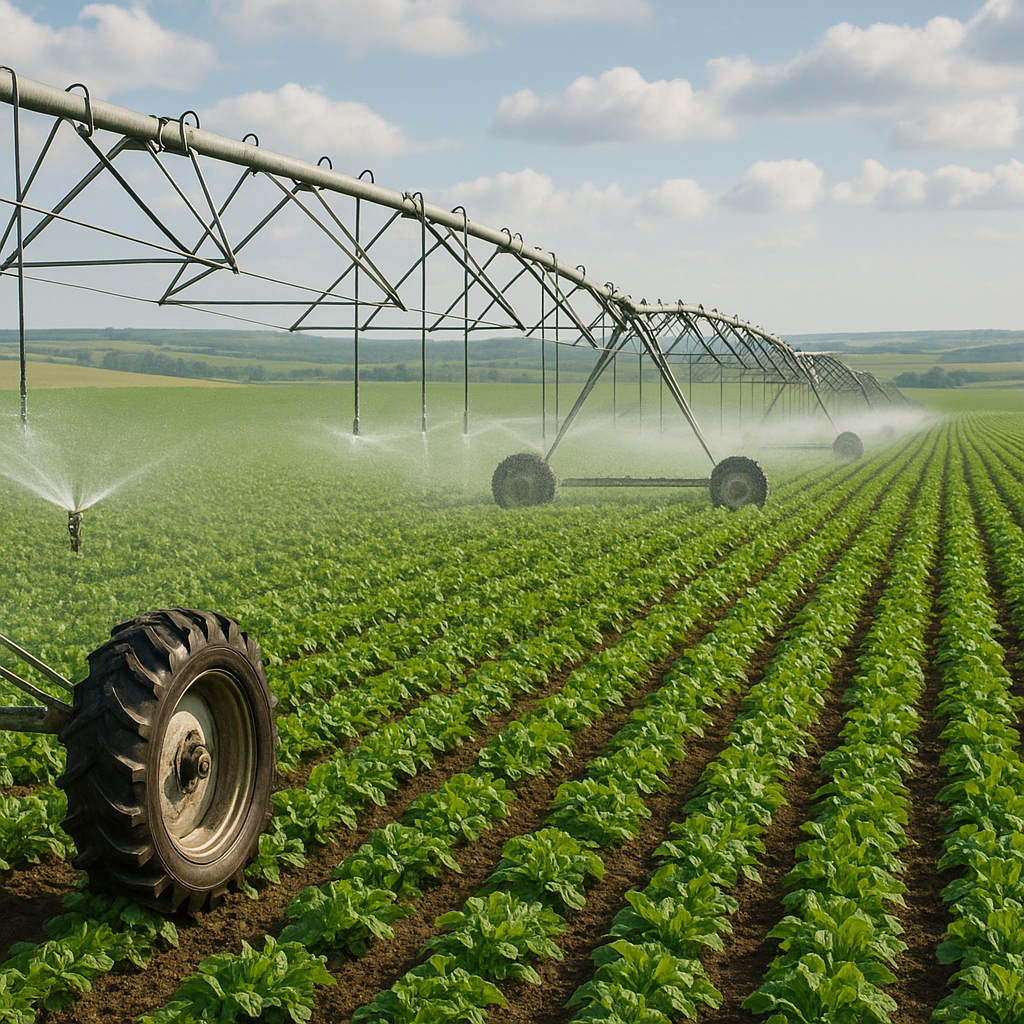
Across diverse regions, agriculture remains the largest consumer of freshwater, accounting for nearly 70 percent of annual withdrawals. Traditional flood and furrow irrigation methods still dominate in many developing areas, leading to significant water losses through evaporation and runoff. Meanwhile, industrialized nations have begun transitioning toward more precise methods to curb wastage. Several factors shape these current trends:
- Sustainability Pressures – Heightened awareness of drought risks and environmental impacts has prompted stricter regulations and community-driven conservation efforts.
- Climate Variability – Altered precipitation patterns intensify both floods and dry spells, compelling farmers to seek adaptable irrigation schedules.
- Population Growth – An expanding global population increases demand for staple crops, raising the stakes for efficient water management.
- Economic Constraints – In regions where water rights and pricing remain undeveloped, over-extraction persists despite mounting resource scarcity.
The concept of water footprint has emerged as a key metric, enabling stakeholders to measure the volume of freshwater consumed per unit of agricultural output. By quantifying both direct irrigation use and indirect water embodied in fertilizers and feed, this metric offers a comprehensive view of resource dependency across the supply chain.
Innovations Driving Water Efficiency
Technological innovation plays a central role in reshaping irrigation paradigms. Cutting-edge solutions empower producers to pinpoint water stress in crops, optimize delivery schedules, and recycle drainage for secondary use. Leading advancements include:
-
Precision Agriculture Technologies
Integration of satellite imagery, drone-mounted sensors, and soil moisture probes allows real-time monitoring of field conditions. Data analytics platforms then prescribe variable-rate irrigation, ensuring that each plant receives exactly the amount of water necessary to maximize yield.
-
Drip and Micro-sprinkler Systems
By applying water directly at the root zone, drip lines drastically reduce evaporation losses. Smart emitters can even adjust flow rates based on soil salinity and crop growth stages, promoting healthier root development and efficiency gains of up to 50 percent compared to conventional approaches.
-
Reclaimed and Desalinated Water
In water-stressed coastal and urban fringes, treated wastewater and brackish groundwater offer alternative sources for irrigation. Advanced membrane systems and UV disinfection ensure that quality standards meet crop safety requirements, while easing pressure on freshwater reserves.
-
Digital Marketplaces
Online platforms facilitate water trading and leasing agreements, allowing farmers with surplus allocations to sell rights to those facing deficits. Such market-based mechanisms incentivize conservation and channel resources to high-value crops during critical growing phases.
These innovations, when combined with effective training and financial support, contribute to more resilient agricultural systems capable of weathering both droughts and floods.
Economic Dimensions of Water Use in Agriculture
The interplay between water policies and crop economics influences decision-making at every level of the supply chain. Farmers weigh the cost of water against potential revenue, leading to strategic choices that can either exacerbate scarcity or foster sustainable practices. Key economic drivers include:
- Irrigation Tariffs – Where volumetric pricing prevails, producers become more judicious in water applications. In contrast, flat-rate fees often discourage efficient usage, since marginal costs remain negligible.
- Subsidies and Incentives – Government programs offering financial rebates for upgrading to precision systems have demonstrated tangible reductions in consumption. Conversely, blanket subsidies for crop insurance can inadvertently encourage overwatering in high-risk zones.
- Supply Chain Premiums – Retailers and food processors increasingly demand proof of sustainable sourcing. Farms that showcase low water footprints can access premium markets and long-term contracts, reinforcing a virtuous cycle of investment in conservation measures.
- Trade Policies – Export restrictions on water-intensive commodities aim to alleviate domestic stress but may lead to unintended consequences in global markets. Aligning trade agreements with sustainability benchmarks could harmonize resource allocation across borders.
By internalizing the true cost of water, market participants can drive a transition toward more resource-efficient cropping patterns and foster economic resilience in the face of water volatility.
Policy and Regulatory Frameworks
Robust governance structures underpin successful water management strategies. Coalitions between government bodies, research institutions, and private stakeholders have yielded policies that balance stakeholder interests. Effective frameworks typically feature:
- Integrated Water Resources Management (IWRM) – A holistic approach that coordinates land, water, and related resources to maximize economic and social welfare without compromising ecosystem integrity.
- Water Rights Reform – Clarifying and enforcing allocation rules reduces conflicts and deters illegal extraction. Tradable entitlements introduce flexibility and encourage conservation.
- Performance Standards – Mandating efficiency benchmarks for irrigation infrastructure and enforcing penalties for non-compliance ensures continuous improvement.
- Public–Private Partnerships – Collaborative funding models mobilize capital for large-scale projects like reservoir rehabilitation, canal lining, and desalination plants, sharing both risks and rewards among stakeholders.
Such measures often intersect with international frameworks addressing transboundary river basins, where upstream activities directly affect downstream users. Multilateral agreements aim to foster trust, data sharing, and joint investment in water infrastructure that benefits entire watersheds.
Case Studies and Future Directions
Examining real-world examples highlights the potential and challenges of enhancing global sustainability through smarter water use:
- Israel – A leader in desalination and drip irrigation, the country recycles over 85 percent of its wastewater for agriculture. Government-backed research institutions have pioneered solar-powered pumps and remote sensing tools.
- California, USA – Facing severe multi-year droughts, agricultural districts adopted water trading and mandatory reporting systems. Investments in groundwater recharge basins have improved resilience against supply fluctuations.
- India – Community-based irrigation user associations in Maharashtra demonstrate how equitable distribution and local decision-making can reduce conflicts and elevate yields. Mobile applications now allow farmers to coordinate pumping schedules and share weather forecasts.
Looking ahead, artificial intelligence and blockchain technologies promise to refine water audits, track resource flows, and verify sustainability claims. Combining deep learning models with on-the-ground sensors could unlock adaptive irrigation regimes that respond to real-time plant health metrics and evolving climate scenarios.
As the global community strives to feed over nine billion people by mid-century, the synergy of technology, policy innovation, and market incentives will determine whether agriculture can thrive within the planet’s finite hydrological cycle.