The global demand for animal feed has been rising steadily over the past decade as expanding populations drive increased consumption of meat, dairy, and seafood. This surge has profound implications for agricultural market structures, international trade policies, and environmental pressures. Understanding the forces shaping this complex ecosystem is essential for stakeholders across farming, feed production, and policy-making. The following analysis explores the major trends influencing the world’s feed sector, examines critical supply chain components, and highlights innovations that promise to transform practices in pursuit of greater sustainability and efficiency.
Global Expansion and Market Dynamics
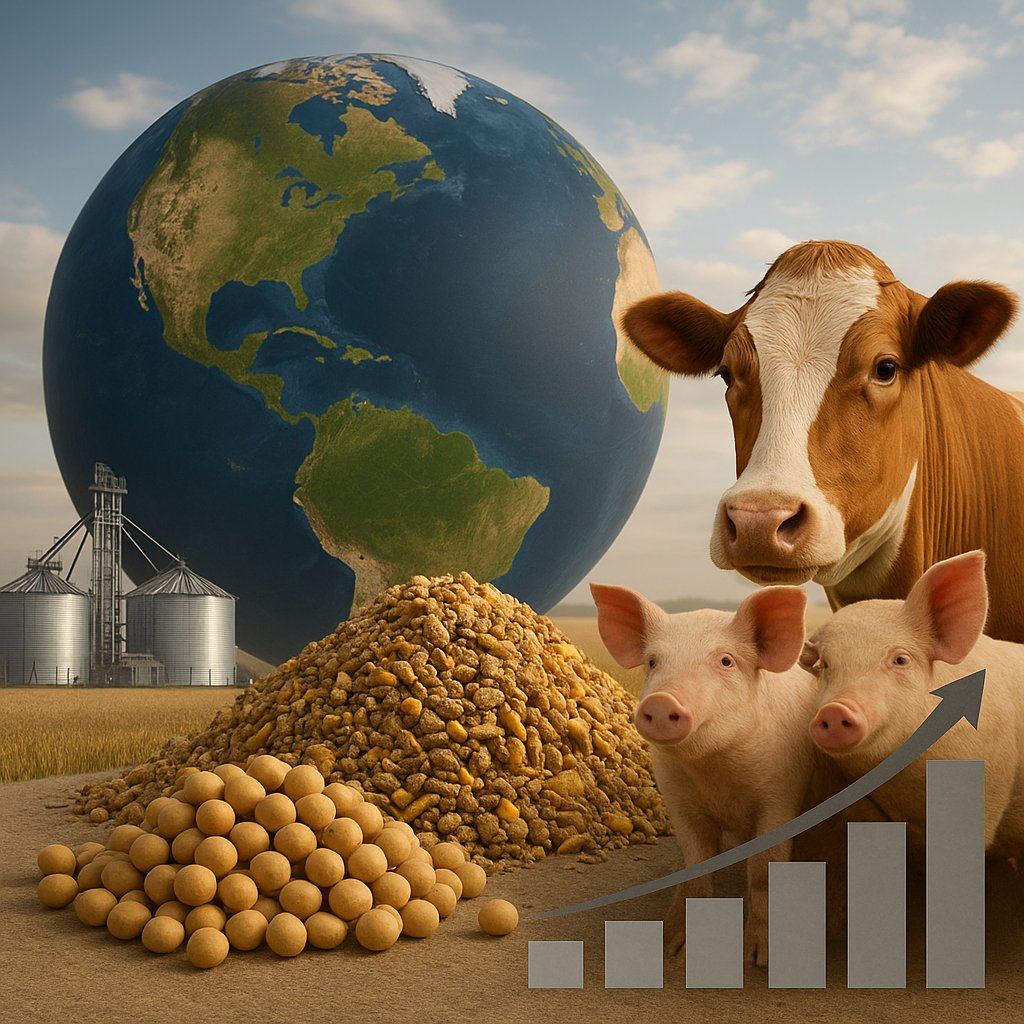
The growth in global protein consumption is the primary engine behind the booming market for animal nutrition. As incomes rise in emerging economies, per-capita meat intake climbs, driving demand for specialized rations that support rapid weight gain and optimal health in livestock and aquaculture species. According to industry estimates, total feed production surpassed one billion metric tons in recent years, with Asia-Pacific accounting for nearly half of global volumes.
Regional Drivers and Trade Flows
- Asia’s reliance on soybean meal and maize imports exemplifies shifting global grains trade patterns. Brazil and the United States remain key exporters, responding to spikes in Chinese demand for poultry and swine feed.
- Europe pursues a more diversified approach, balancing domestic cereal production with imported protein meals, even as regulatory frameworks push for reduced antibiotic use in animal rearing.
- In Africa and Latin America, smaller-scale producers are increasingly aggregating demand through cooperatives, enhancing bargaining power and streamlining logistics.
Price Volatility and Risk Management
Feed ingredient prices are notoriously volatile, driven by weather events, currency fluctuations, and policy shifts. Droughts can devastate maize harvests, while trade disputes may impose sudden tariffs on imported soybeans. Producers mitigate these risks through:
- Futures contracts and hedging strategies that lock in costs ahead of planting seasons.
- Strategic reserves of key commodities stored in regionally located silos.
- Vertical integration, where major agribusinesses manage both crop cultivation and feed milling to control margins.
Key Ingredients and Supply Chain Dynamics
At the heart of any successful feed program lies the formulation of balanced diets composed of energy sources, protein concentrates, vitamins, and minerals. While grains such as maize and wheat supply the bulk of carbohydrate energy, protein often comes from soybean meal, fishmeal, and emerging alternatives derived from insect by-products or single-cell proteins.
Traditional Protein Meals Versus Novel Alternatives
Fishmeal has long been prized for its amino acid profile, especially in aquaculture diets. However, overfishing concerns and high costs have driven the industry to seek plant-based or microbial substitutes. Insect-based meals, produced from black soldier fly larvae, convert organic waste into rich protein sources while reducing landfill burdens. Single-cell proteins cultivated through fermentation processes offer another promising route, albeit with higher production expenses at current scales.
Vitamins, Minerals, and Feed Additives
- Micronutrient premixes ensure adequate nutrition for optimal growth and immune function. Trace minerals such as zinc and selenium have become targets for biofortification to boost animal health and product quality.
- Probiotics and prebiotics are increasingly incorporated to enhance gut microbiome balance, reducing reliance on antibiotics and supporting feed efficiency.
- Enzymes like phytase unlock bound phosphorus in plant ingredients, lowering environmental phosphorus excretion and improving nutrient utilization.
Logistics and Cold Chain Considerations
The perishability of certain feed components, alongside the need to prevent moisture and pathogen contamination, demands robust distribution networks. Innovations include:
- Controlled-atmosphere storage facilities to extend shelf life of vitamin and enzyme formulations.
- RFID-enabled tracking to monitor temperature and humidity throughout transit.
- Localized mini-mills that blend and bag feed near consumption sites, reducing bulk shipping costs and biosecurity risks.
Sustainability, Innovation, and Future Directions
With growing public scrutiny on the environmental footprint of animal agriculture, producers are pressed to adopt more sustainability-oriented practices. This includes lowering greenhouse gas emissions, reducing land-use change, and minimizing water consumption across the feed supply chain.
Reducing Carbon and Water Footprints
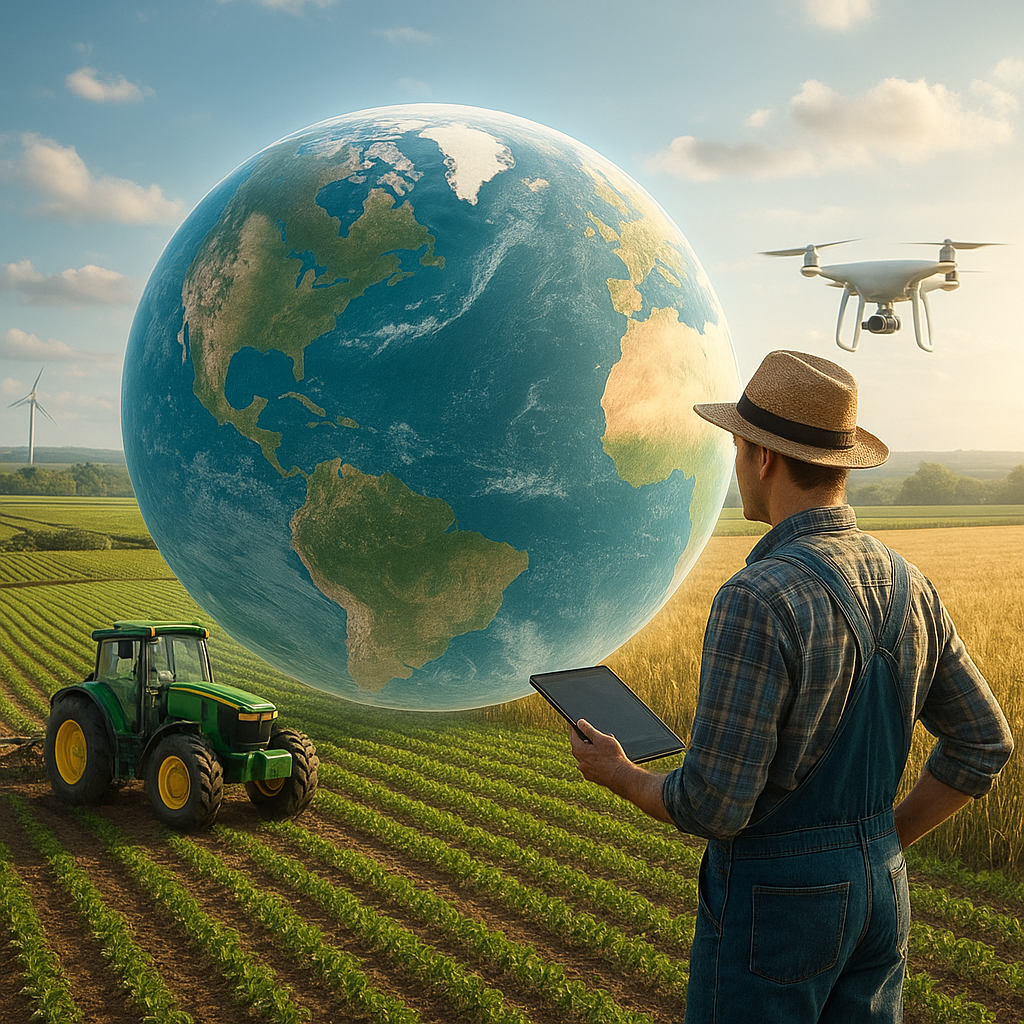
- Precision agriculture techniques—such as variable-rate fertilizer application—optimize maize and soybean yields while curbing excess nitrogen runoff that contributes to climate change.
- A shift toward feed ingredients requiring lower irrigation inputs, such as sorghum and millet, is gaining traction in arid regions.
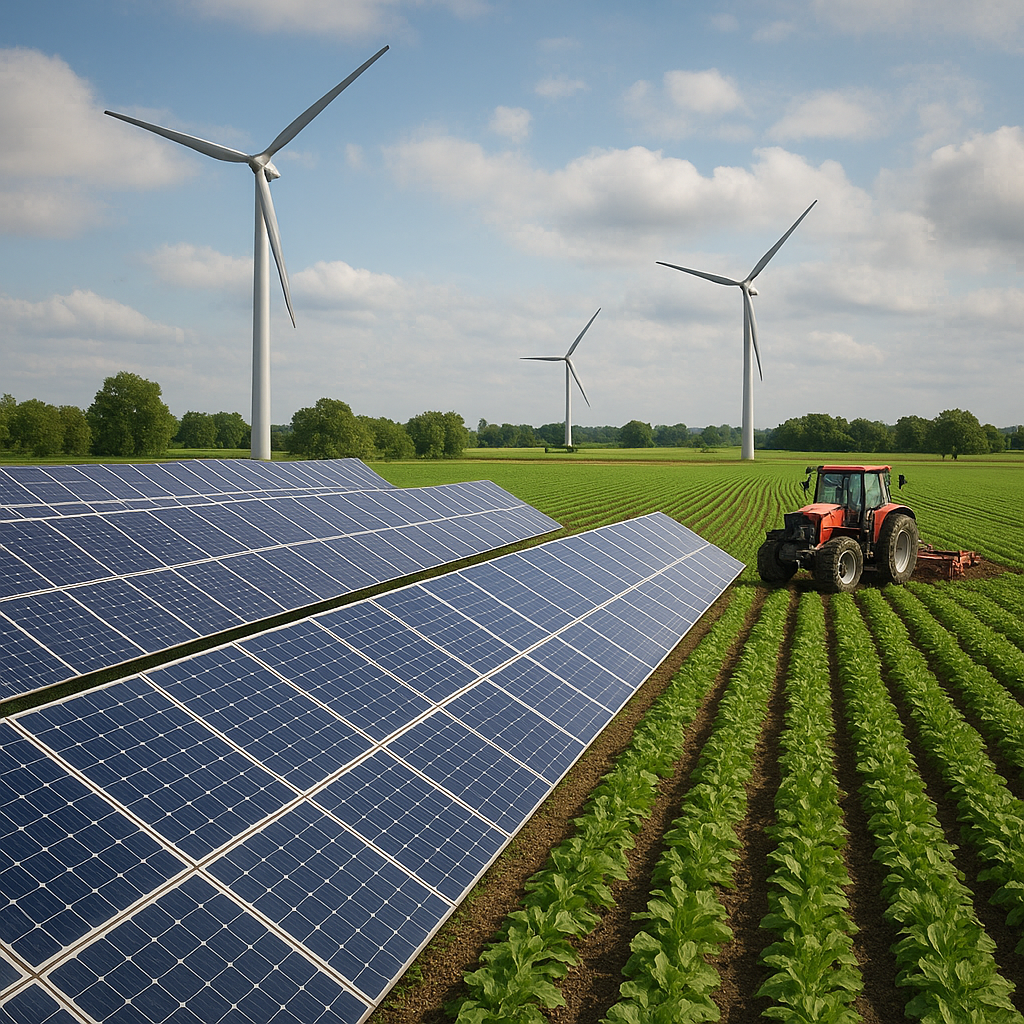
- Co-location of feed mills with power plants or biogas facilities enables utilization of waste heat and syngas, lowering energy costs.
Digitalization and Data-Driven Nutrition
Advances in sensor technology and artificial intelligence allow real-time monitoring of animal growth metrics. Feed formulations can be adjusted dynamically based on weight gain patterns, environmental conditions, and health indicators. Predictive analytics also help forecast ingredient shortages or price spikes, enabling proactive supply chain adjustments.
Policies, Certifications, and Consumer Expectations
Regulatory frameworks are evolving to encourage feed producers to meet stringent standards for residue limits and traceability. Certifications like GlobalGAP and the Roundtable on Responsible Soy (RTRS) certify compliance with social and ecological criteria, enhancing product appeal in export markets. Meanwhile, consumer demand for ethically raised meat is driving companies to integrate welfare-friendly feed additives that support stress resistance and immune resilience.
Collaborative Research and Public-Private Partnerships
Major feed companies, academic institutions, and government agencies are pooling resources to address grand challenges. Joint research initiatives are exploring:
- Genetic selection of oilseed crops with tailored protein and oil content to improve feed conversion ratios.
- Microbial fermentation processes that upcycle agricultural residues into value-added feed ingredients.
- Life-cycle assessment tools that quantify environmental impacts from “farm to fork,” guiding policy incentives and investment decisions.
As the global population continues to surpass eight billion, the animal feed industry must navigate evolving market conditions, resource constraints, and ethical demands. By embracing circular economy principles, leveraging cutting-edge technologies, and fostering collaboration across sectors, stakeholders can secure a more resilient future for food production—one where optimized nutrition for animals aligns with ecological stewardship and economic viability.