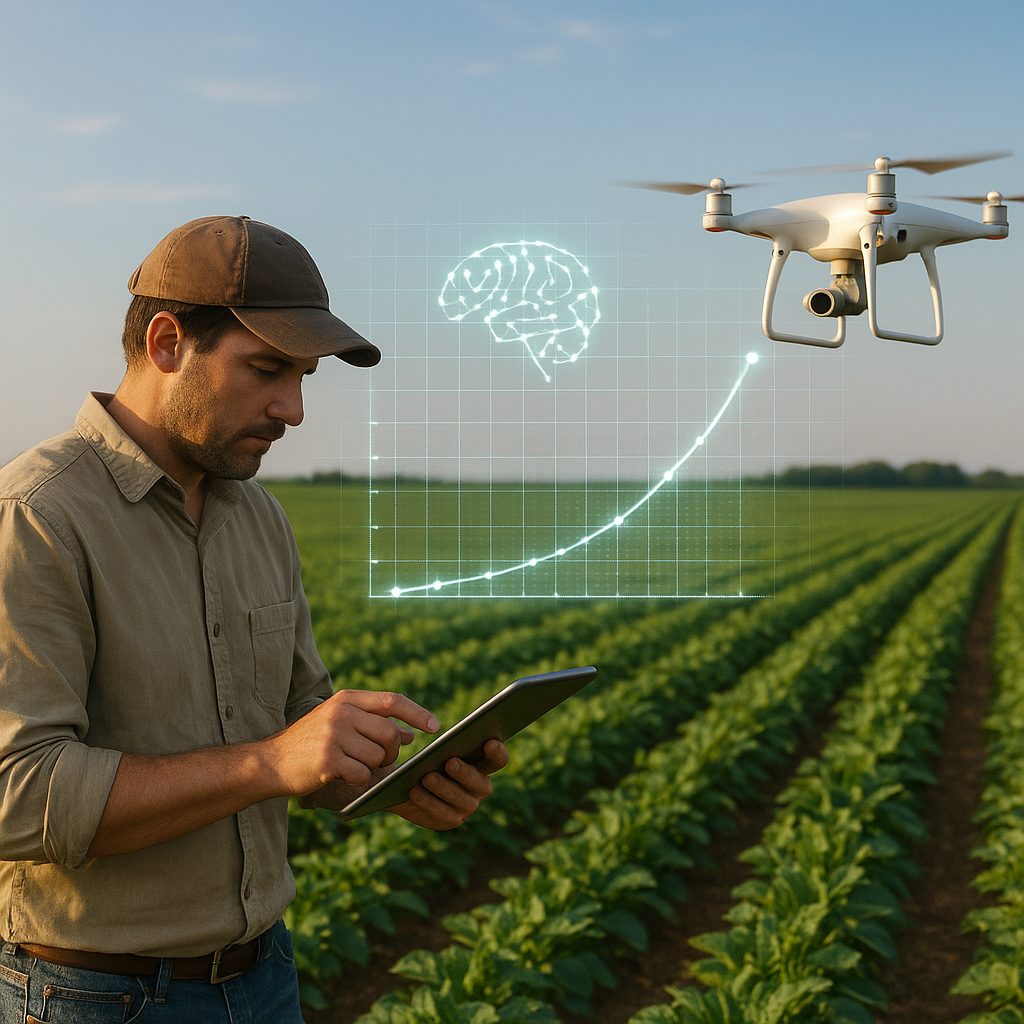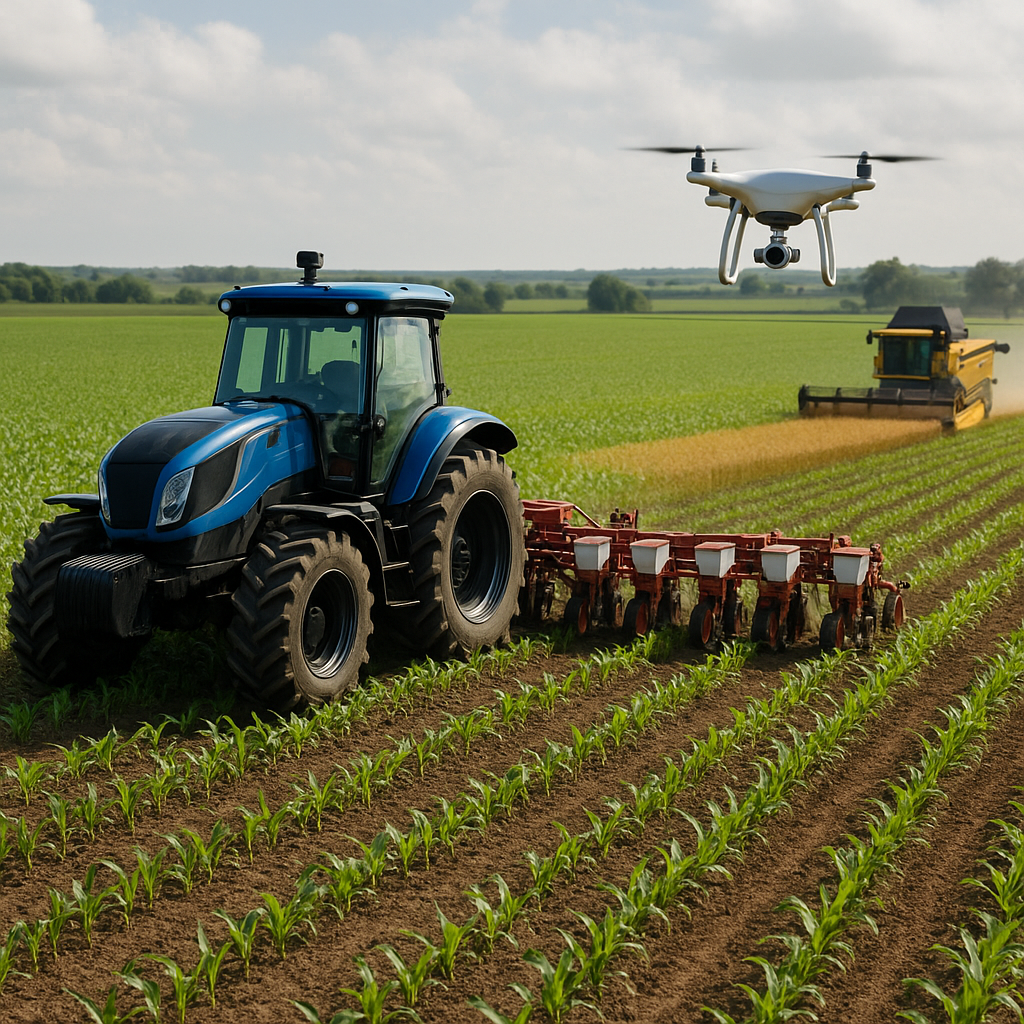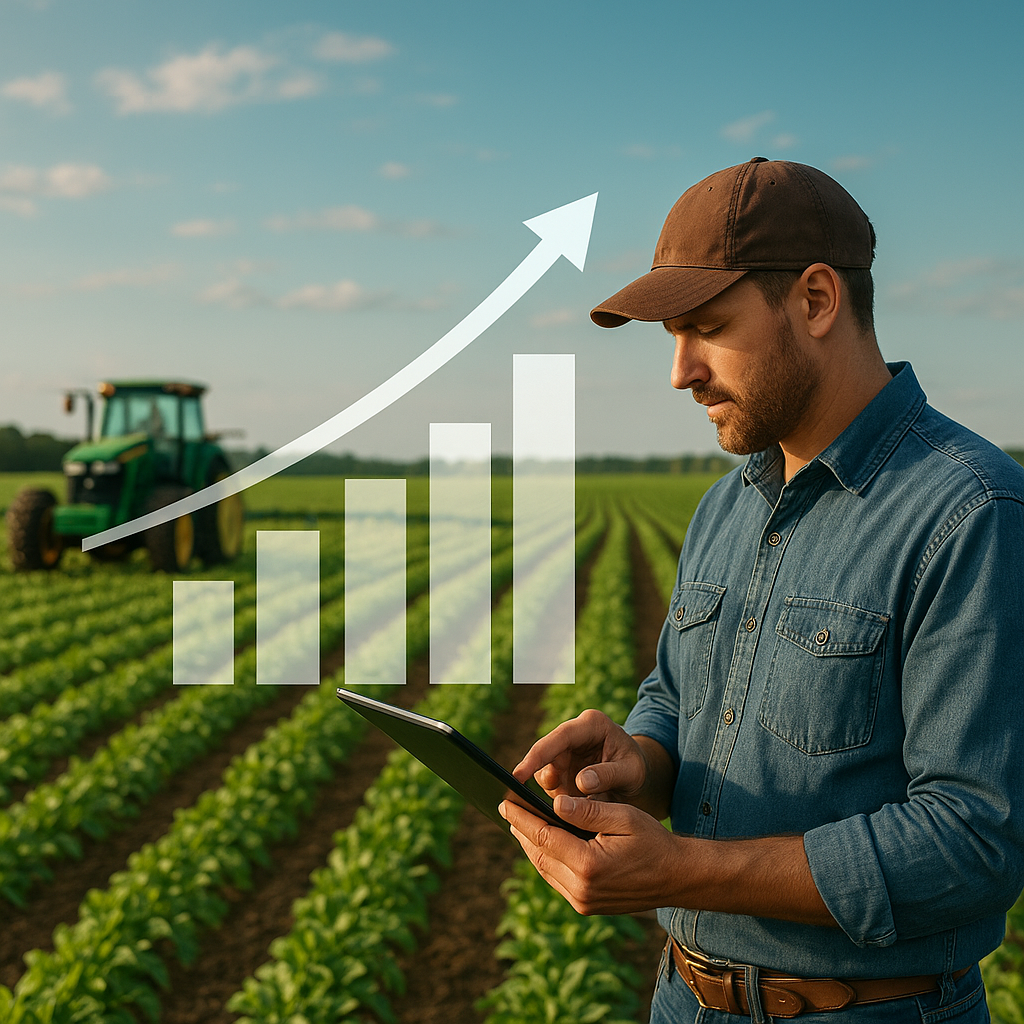
The global agriculture sector is undergoing a significant transformation as **farm management software** solutions gain traction among producers of all scales. Driven by the growing demand for **precision agriculture**, these applications help farmers optimize resource utilization, monitor field conditions in real-time, and boost overall productivity. In the face of climate change, fluctuating commodity prices, and mounting pressure to reduce environmental impact, **data analytics**-enabled tools are now pivotal for stakeholders aiming to achieve sustainable growth and maintain a competitive edge.
Market Dynamics and Trends
Rising Demand for Productivity and Efficiency
Agricultural producers worldwide are under pressure to increase yields while minimizing inputs such as water, fertilizers, and pesticides. The adoption of **farm management software** is on the rise as it offers integrated dashboards that consolidate historical records, remote-sensing data, and weather forecasts. Core functionalities include:
- Field mapping and yield monitoring
- Inventory and supply chain tracking
- Financial planning and cost analysis
- Compliance reporting and certification support
These solutions help farm managers make informed decisions, enabling **yield optimization** and better resource allocation across multiple locations.
Increasing Integration of IoT and Automation
The proliferation of **IoT-enabled sensors** and autonomous equipment is a key driver of market expansion. Soil moisture sensors, weather stations, and drone-based imaging systems feed continuous data streams into **cloud-based platforms**, delivering actionable insights. Manufacturers of farm machinery are partnering with software providers to create end-to-end packages that seamlessly integrate:
- Real-time field monitoring
- Automated irrigation scheduling
- Variable-rate application of inputs
- Equipment telematics for fleet management
As a result, farmers can reduce operational costs, improve crop health, and react swiftly to emerging threats such as pest infestations or sudden weather changes.
Sustainability and Regulatory Pressures
With consumers and governments increasingly focused on environmental stewardship, **sustainability** metrics are no longer optional. Farm management platforms now incorporate carbon footprint calculators, water-use analytics, and biodiversity assessments. Additionally, evolving regulations on nutrient runoff and pesticide use compel agribusinesses to document every aspect of crop production. Digital record-keeping ensures:
- Traceability from seed to shelf
- Auditable logs for compliance inspections
- Reporting tools for sustainability certifications
These capabilities strengthen brand reputation and facilitate access to premium markets that demand proof of responsible production practices.
Technological Innovations Driving Farm Management Software
Advanced Data Analytics and Machine Learning
Next-generation platforms leverage **machine learning** algorithms to predict yield variations, optimize planting schedules, and detect anomalies. By analyzing terabytes of historical and real-time data, these systems can generate tailor-made recommendations. Key advancements include:
- Predictive models for crop performance under varied scenarios
- Image recognition for early detection of diseases and pests
- Supply and demand forecasting to manage market risk
These predictive insights empower stakeholders to anticipate challenges and implement proactive measures, significantly reducing risks and increasing operational **resilience**.
Mobile Applications and User Experience Enhancements
With on-the-go decision-making becoming essential, developers focus on intuitive **mobile applications** that provide farmers with instant access to critical data. Enhanced user interfaces, customizable dashboards, and offline functionality ensure uninterrupted access in remote areas. Some notable features are:
- Push notifications for irrigation or harvest alerts
- Interactive maps with multi-layer data visualization
- Voice commands and language localization for diverse user groups
Improving the user experience has broadened adoption rates, especially among smallholder and mid-sized operations that benefit from simplified workflows.
Integration with Supply Chain and Marketplace Platforms
Seamless connectivity between farm management solutions and external marketplaces is rapidly becoming a differentiator. Through API integrations and blockchain-based tracking, farmers can directly sell produce to retailers, processors, and consumers, ensuring transparency and reducing intermediary costs. Key benefits include:
- Real-time pricing updates and contract management
- Automated invoicing and digital payment reconciliation
- Traceable provenance records for end consumers
This convergence of production and commerce streamlines the entire value chain, from **resource efficiency** on the field to timely deliveries in urban markets.
Regional Analysis and Future Prospects
North America and Europe: Mature Markets
In regions with advanced agricultural infrastructure, **digital transformation** initiatives are well underway. North American and European producers have long embraced precision farming, leading to high penetration rates of farm management software. Local vendors compete on features such as interoperability with legacy machinery, advanced satellite imagery, and climate-smart modules. Collaborative research programs with universities further accelerate technology adoption.
Asia-Pacific and Latin America: Rapidly Expanding Segments
Emerging economies in Asia-Pacific and Latin America offer tremendous growth potential due to the large agricultural workforce and increasing smartphone penetration. Governments and NGOs are investing in farmer training and subsidized technology programs, promoting solutions that deliver measurable outcomes in yield improvement and cost savings. Localization efforts by software providers include:
- Support for region-specific crops and cultivation methods
- Affordable pricing tiers for smallholder farmers
- Integration with local agronomy advisory services
As infrastructure improves and digital literacy rises, these regions are set to contribute significantly to **market growth** over the next decade.
Africa and the Middle East: Frontier Opportunities
In Africa and the Middle East, the agriculture sector faces unique challenges such as water scarcity, limited access to capital, and fragmented land holdings. However, targeted **IoT-enabled sensors** and solar-powered monitoring stations are overcoming these obstacles. Partnerships between tech startups, development agencies, and local cooperatives are driving pilot projects that demonstrate the value of precision farming at scale. Expected outcomes include:
- Improved water management in arid environments
- Enhanced food security through better crop planning
- Skills development for rural communities
With the right combination of innovation and investment, these frontier markets can leapfrog traditional farming methods and embrace **yield optimization** from the outset.
Emerging Trends and Strategic Considerations
Looking ahead, several trends will shape the future trajectory of **farm management software**:
- Greater use of satellite constellations for hyperlocal weather prediction
- Deployment of edge computing to process sensor data with minimal latency
- Expansion of digital marketplaces that connect producers directly to consumers
- Blockchain-driven traceability frameworks for enhanced food safety
For solution providers, strategic priorities should include forging alliances with equipment manufacturers, scaling up after-sales support, and continuously refining algorithms to adapt to ever-changing climatic and market conditions. Agribusinesses, on the other hand, must invest in workforce training and change management to fully leverage these powerful digital tools.