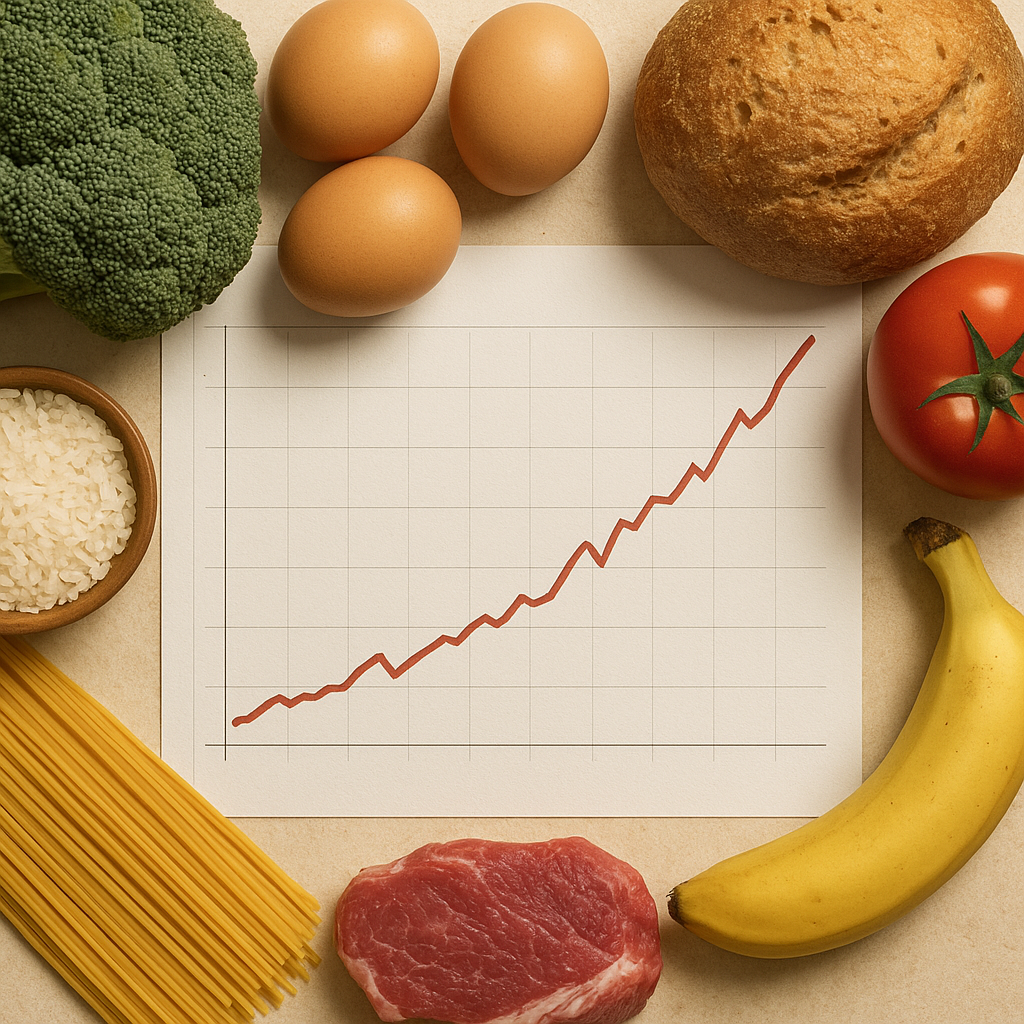
The Global Food Price Index serves as a crucial lens into shifting patterns of supply and demand, illuminating how global events ripple through agricultural markets. By tracking monthly changes across major agricultural commodities, this index provides policymakers, agribusinesses, and market analysts with timely insights. As consumers and producers grapple with evolving economic pressures, understanding the index’s movements becomes essential for anticipating market trends and safeguarding food security worldwide.
Understanding the Global Food Price Index
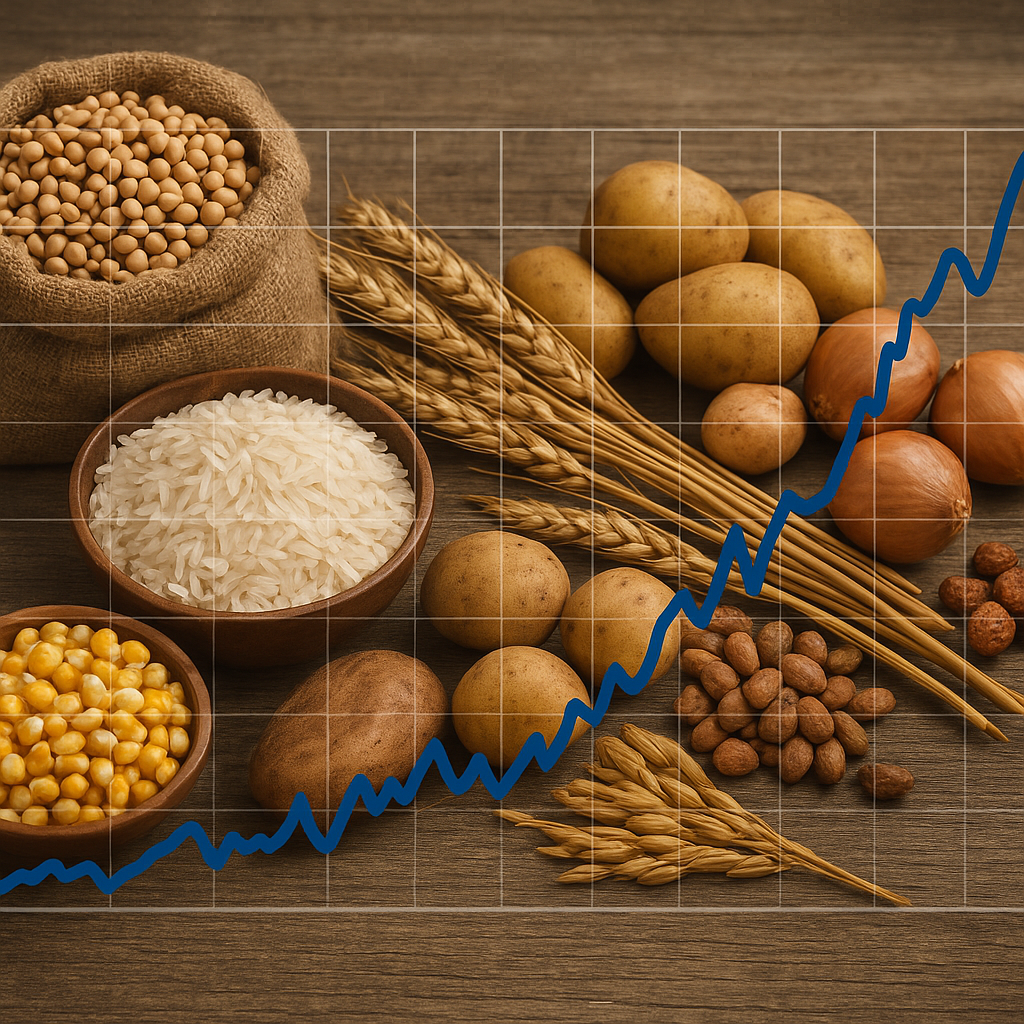
Compiled by international organizations such as the Food and Agriculture Organization (FAO), the Global Food Price Index (GFPI) aggregates price data for five primary categories: cereals, dairy products, meat, sugar, and vegetable oils. Each category is weighted according to its average share in global food trades. The resulting composite indicator reflects monthly changes in international prices.
- Methodology: Prices are collected from various exchanges and trade databases, adjusted for inflation and exchange rate dynamics.
- Weighting: Each commodity group contributes proportionally to its significance in world markets.
- Volatility Monitoring: Sudden spikes or drops signal emerging risks or opportunities for farmers, traders, and policymakers.
Interpreting GFPI movements demands careful attention to both short-term shocks and long-term trends. A sustained rise often points to structural constraints in production or persistent increases in demand. Conversely, sharp declines may indicate oversupply or weakening global consumption.
Major Drivers of Price Fluctuations
Food prices rarely move in isolation. A complex interplay of factors determines monthly swings:
- Supply Disruptions: Extreme weather events, pest outbreaks, or logistical bottlenecks can curb harvests or impede transport, triggering commodity shortages. For instance, droughts in key grain-producing regions often send cereal prices soaring.
- Geopolitical Tensions: Trade sanctions, conflicts, and export restrictions can fragment markets. When major exporters limit shipments, global availability falls, driving prices up. A single policy change may ripple through international contracts and futures markets.
- Fuel and Energy Costs: Fertilizer production, machinery operation, and logistics all depend on energy inputs. Rising oil prices directly inflate production and shipping expenses, contributing to broader inflationary pressures.
- Currency Fluctuations: Exchange rate swings affect import bills and exporters’ revenues. A weaker local currency makes imported food more expensive, while strengthening boosts competitiveness of domestic exports.
- Global Macroeconomic Trends: Growth slowdowns or recoveries shape consumer purchasing power. During economic expansions, wealthier consumers may shift diets toward high-value foods like dairy and meat, altering demand patterns.
Beyond these immediate drivers, longer-term challenges frame the debate around food pricing:
- Climate Change: Increasing frequency of extreme events undermines crop reliability and escalates hedging costs.
- Sustainability Goals: Efforts to reduce greenhouse gas emissions and promote regenerative agriculture may raise production costs in the near term, even if they enhance resilience downstream.
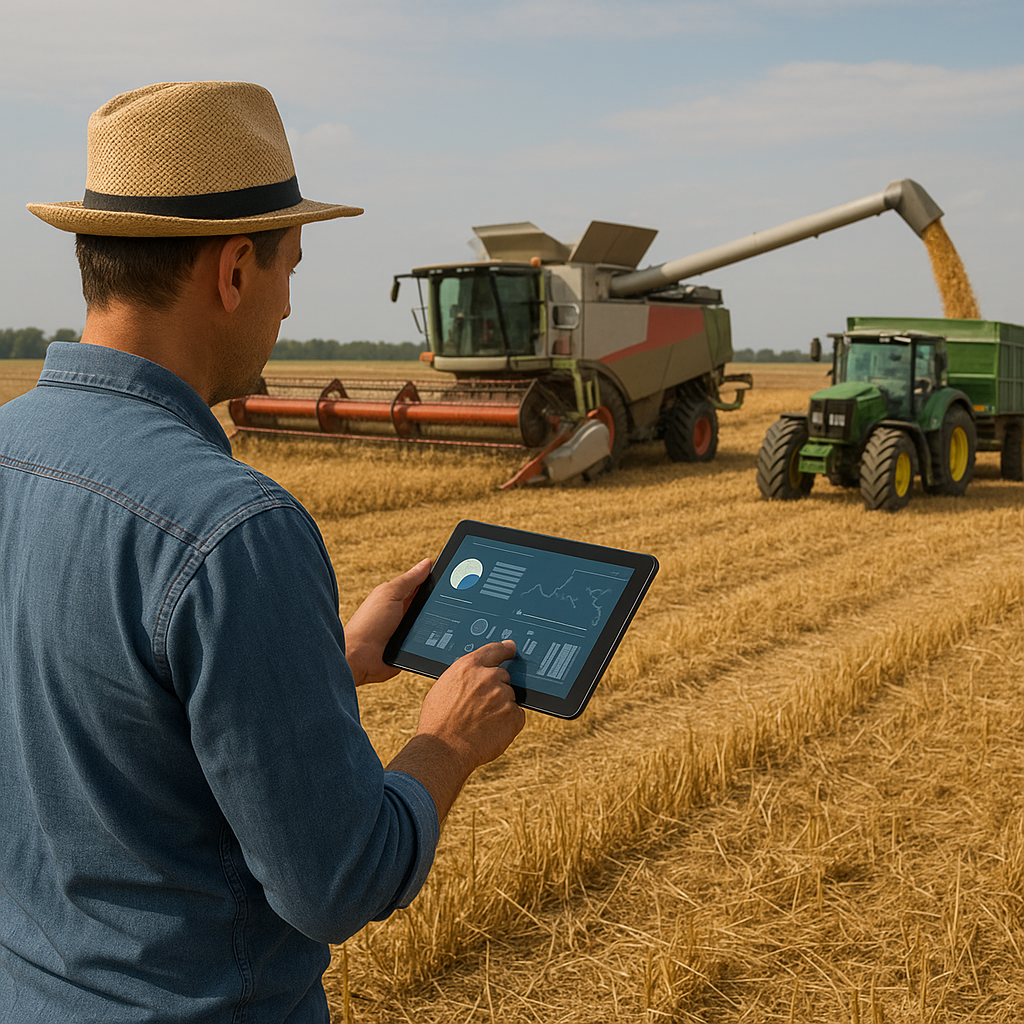
- Digital Transformation: Precision farming and supply chain tracking can optimize yields and reduce waste, potentially mitigating future price pressures.
Regional Impacts and Policy Responses
While the GFPI offers a global snapshot, its effects vary significantly across regions:
Developing Economies
- High food expenditure shares leave poor households vulnerable to price surges, exacerbating malnutrition and social unrest.
- Governments may resort to import subsidies, price controls, or buffer stocks to stabilize domestic markets, though such measures can distort incentives for farmers and traders.
- Access to finance and modern technologies remains limited, making adaptation to higher input costs challenging.
Advanced Economies
- Consumers face higher grocery bills, but lower relative expenditure shares cushion the impact.
- Supermarkets and large agribusiness firms use sophisticated hedging strategies to smooth price fluctuations, passing only a portion of cost changes to end buyers.
- Policy focus often shifts toward supporting sustainability transitions and reducing carbon footprints across the supply chain.
Policy makers worldwide balance competing objectives: ensuring affordability for vulnerable populations, supporting farm incomes, and fostering long-term market efficiency. Strategic reserves, trade agreements, and targeted social safety nets all play roles in mitigating the social fallout of food price shocks.
Future Prospects and Innovations
Looking ahead, several trends will shape the GFPI trajectory:
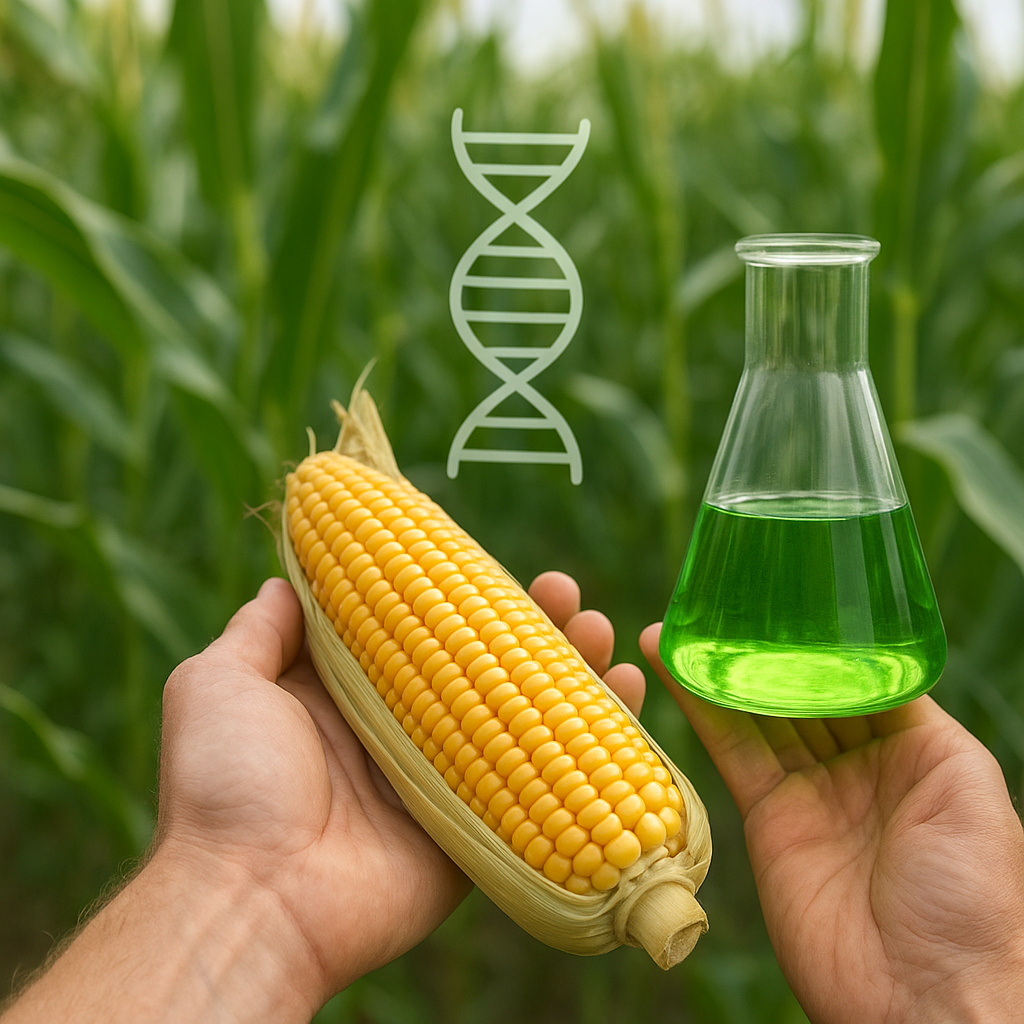
- Biotechnological Advances: Drought-resistant and pest-tolerant crop varieties promise to bolster yields under adverse conditions, dampening extreme price volatility.
- Blockchain and Traceability: Enhanced transparency in supply chains reduces fraud, improves quality control, and may cut transaction costs.
- Circular Agriculture: Integrating livestock and crop systems can recycle nutrients efficiently, potentially lowering fertilizer dependency.
- Climate-Smart Financing: Innovative insurance products and green bonds can help farmers manage climate-related risks, boosting overall market resilience.
- Shifting Dietary Patterns: Growing interest in plant-based alternatives could rebalance demand across commodity categories, influencing long-term price dynamics.
As global interdependencies deepen, stakeholders must embrace collaborative solutions. Strengthening early warning systems, expanding market access for smallholders, and harmonizing trade policies will be key to ensuring stable food supplies. By leveraging technological innovations and embracing holistic risk management, the agricultural sector can navigate inevitable disruptions while promoting equitable growth.