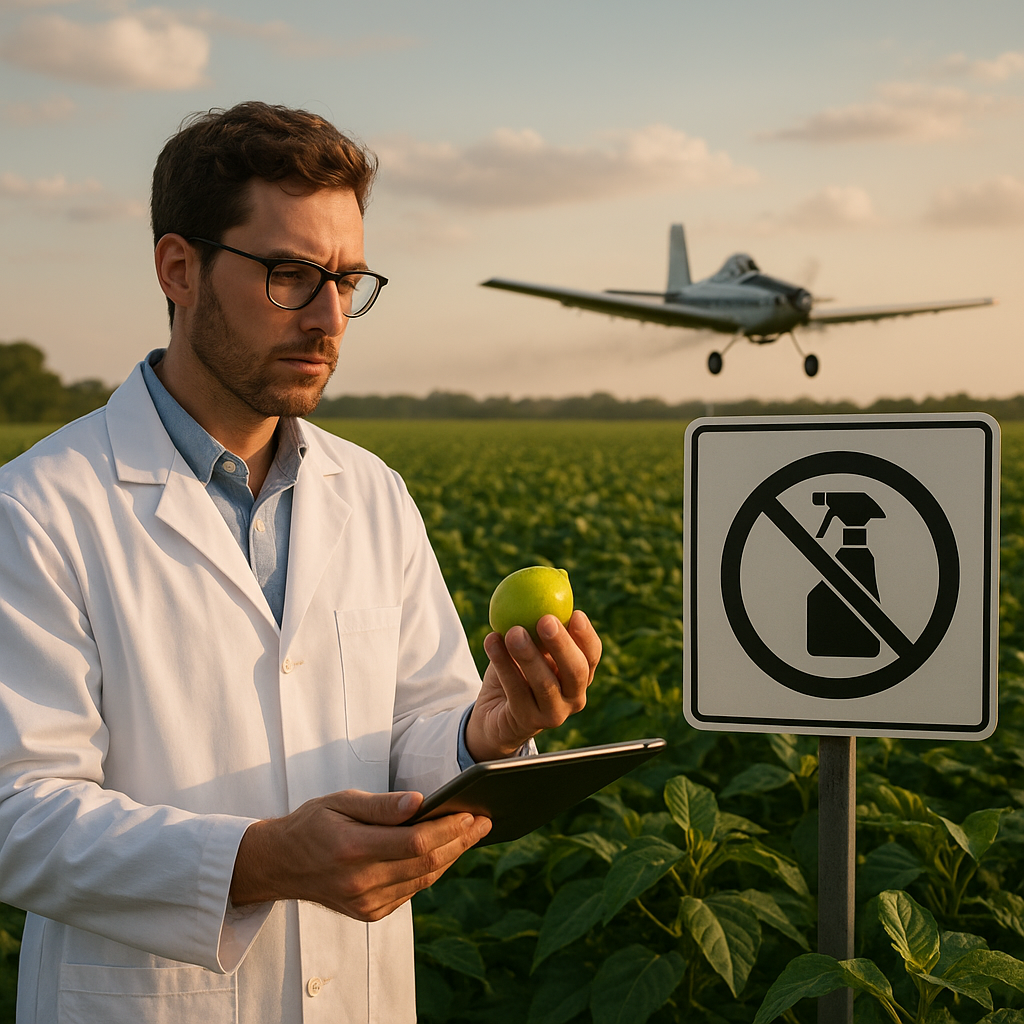
The global agricultural sector is undergoing a profound transformation driven by evolving trends in pesticide use and tightening regulation. Stakeholders across the value chain—from farmers to policymakers and consumers—are re-evaluating their approaches to crop protection in pursuit of long-term sustainability and heightened food security. This article examines key developments in pesticide application patterns, regional regulatory landscapes, emerging innovations, and the implications for the international market.
Changing Patterns in Pesticide Use
Over the past decade, the volume and composition of pesticides applied in agriculture have shifted markedly. While global usage has grown in some high-demand commodity sectors, many developed countries are reporting plateauing or even declining volumes due to stricter compliance measures and adoption of alternative strategies. In contrast, emerging economies continue to record increased application rates, driven by intensifying crop cultivation and efforts to boost yields.
- Regional disparities: North America and Europe are gradually reducing reliance on high-risk chemicals, whereas parts of Asia, Africa, and Latin America still depend heavily on synthetic active ingredients.
- Resistance management: Concerns about pest resistance have prompted farmers to rotate modes of action and integrate non-chemical methods into their spraying schedules.
- Integrated Pest Management: Adoption of integrated pest management (IPM) practices is growing, encouraging the judicious use of pesticides only when economic thresholds are exceeded.
Regulatory Frameworks Across Regions
Policy responses to pesticide risks vary widely around the globe. Regulatory agencies are increasingly demanding comprehensive risk assessments and transparent environmental impact data. Major jurisdictions have diverged in their approval processes and monitoring protocols:
- European Union: The EU’s precautionary principle underpins stringent evaluation of active substances. Approval cycles can last several years, and the authorization of neonicotinoids and other contentious classes has been heavily restricted or banned.
- United States: The Environmental Protection Agency (EPA) balances agricultural productivity with public health considerations. Periodic re-registration procedures require updated toxicity studies, but the pace of re-evaluation often lags behind scientific breakthroughs.
- China: Recent reforms aim to harmonize domestic standards with international benchmarks, phasing out obsolete pesticides and tightening residue limits to comply with export market requirements.
- Latin America and Africa: Regulatory capacity varies. Some nations are strengthening their frameworks through international partnerships, while others remain dependent on outdated lists and lack enforcement resources.
Innovations and Alternatives to Chemical Pesticides
Responding to the dual pressures of environmental stewardship and market demand for clean-label products, the agrochemical industry has accelerated innovation around safer, biologically based solutions. Key developments include:
Biopesticides and Microbial Agents
- Formulations based on beneficial bacteria, fungi, and viruses are gaining traction, offering targeted control of specific pests with minimal collateral damage to non-target species.
- Regulatory pathways for biopesticides are often streamlined, recognizing their lower risk profiles compared to synthetic counterparts.
Precision Application Technologies
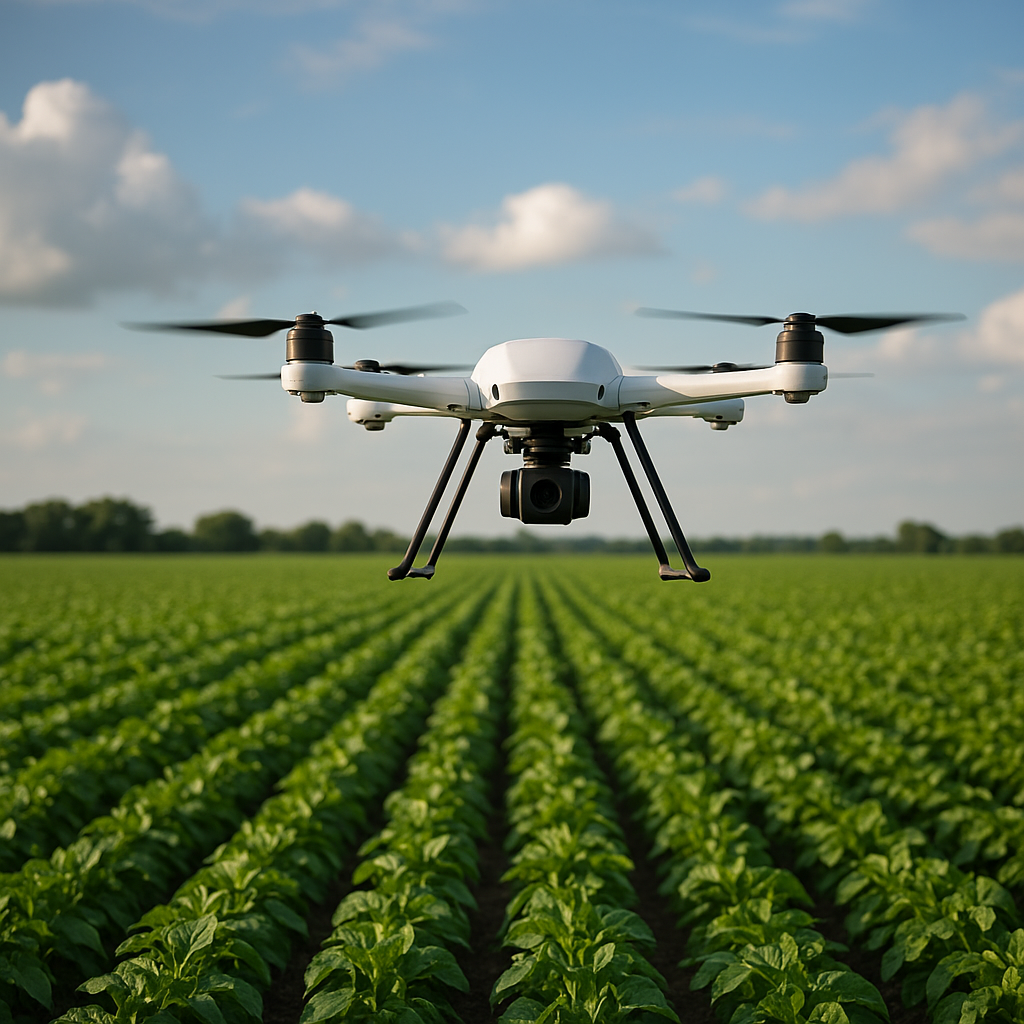
- Digital tools such as drones, AI-driven sprayers, and sensor networks enable spot treatments, reducing overall chemical inputs and optimizing timing.
- Variable-rate applicators now allow farmers to adjust dosages in real time based on site-specific pest pressure assessments.
Market Implications and Future Outlook
The interplay between evolving regulations, technological breakthroughs, and shifting consumer demand is reshaping the global pesticide market. Key implications include:
- Consolidation among multinational agrochemical firms seeking economies of scale to fund extensive research and navigate complex approval processes.
- Emergence of specialized service providers offering IPM consulting, residue testing, and compliance assistance to growers worldwide.
- Rising investment in genetic research aimed at developing crop varieties with innate pest resistance, thereby reducing dependence on external chemical controls.
Going forward, stakeholders will need to balance the imperative of boosting crop productivity with the ethical and regulatory demands of modern agriculture. Collaborative platforms that integrate farmer feedback, scientific research, and policy development are critical to achieving resilient food systems that prioritize sustainability and public health. As global markets continue to evolve, agility and adaptation will be the hallmarks of successful participants in the crop protection arena.