As the global agriculture sector faces numerous challenges—from fluctuating weather patterns to shifting market demands—Artificial Intelligence (AI) has become a catalyst for transformation. By leveraging vast datasets and state-of-the-art algorithms, farmers, agronomists, and agribusinesses are gaining unprecedented insights. These advancements not only drive higher yields and cost savings but also promote sustainability and resilience in a rapidly changing world.
Transforming Crop Forecasting with Artificial Intelligence
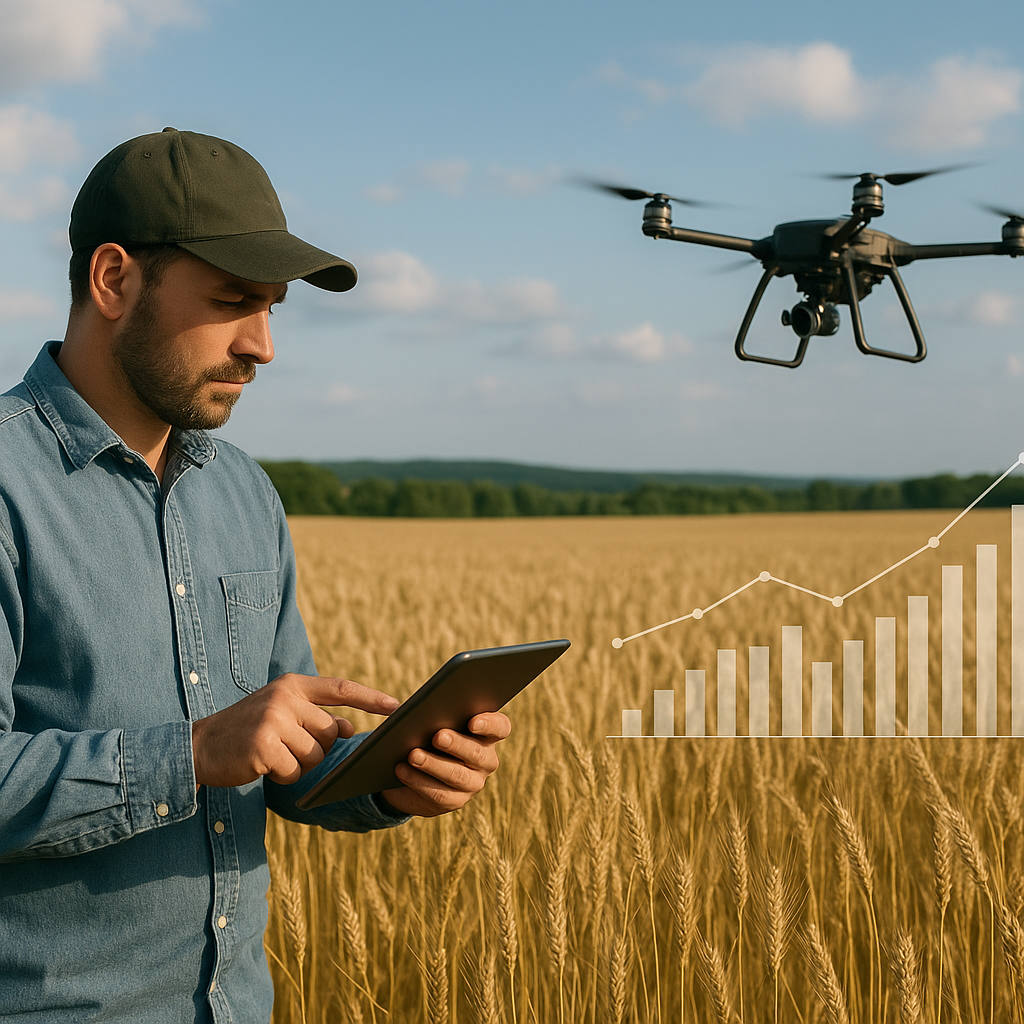
The application of predictive analytics in crop forecasting marks a major shift from traditional methods. Historically, forecasts relied on limited observations and heuristic models, often resulting in inaccurate projections. Today, AI systems analyze terabytes of data—ranging from soil moisture readings to historical yield records—to generate highly accurate predictions. By integrating satellite imagery with ground-level sensors, these systems detect subtle variations in field conditions, enabling farmers to optimize planting schedules and resource allocation.
Key benefits of AI-driven forecasting include:
- Enhanced yield predictions that help secure financing and insurance.
- Early detection of potential crop failures or disease outbreaks.
- Fine-tuned irrigation and fertilization plans based on real-time field data.
- Reduced environmental footprint through more efficient resource management.
Advanced Machine Learning Techniques and Data Integration
At the heart of modern forecasting systems are advanced machine learning algorithms. These techniques automatically extract patterns from complex, multi-dimensional datasets, allowing for continuous learning and adaptation. Among the most impactful methods are:
- Random Forests, which combine multiple decision trees for robust predictions.
- Convolutional Neural Networks (CNNs) for processing aerial and satellite imagery.
- Support Vector Machines (SVMs) to handle high-dimensional climatic variables.
- Recurrent Neural Networks (RNNs) for time-series analysis of weather and yield data.
Effective forecasting also hinges on seamless data integration. By merging remote sensing data with farm management systems, AI platforms provide an end-to-end view of operations. For example, soil sensors transmitting pH and moisture levels are combined with weather station outputs and historical yield maps. This convergence empowers decision-makers with a holistic understanding of field dynamics.
Remote Sensing and Satellite Data
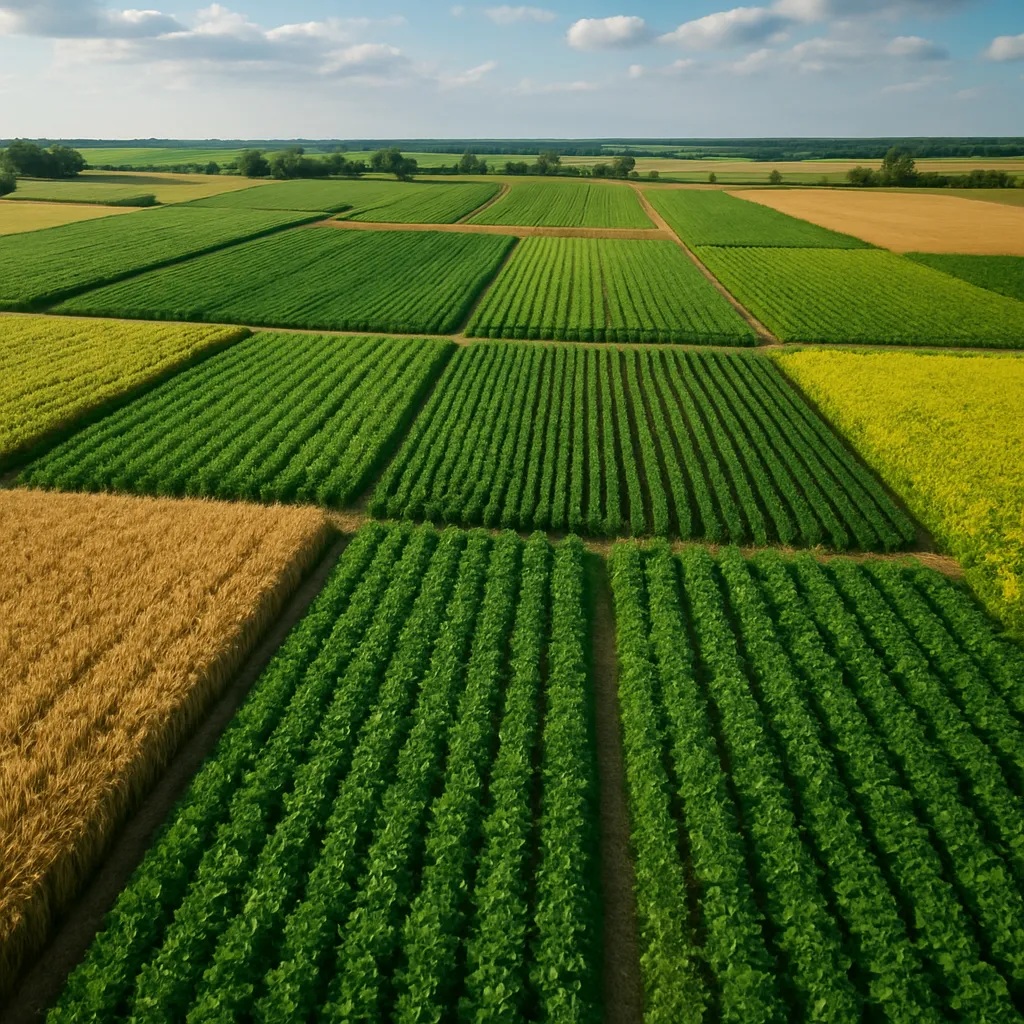
High-resolution satellite imagery offers a synoptic perspective of vast agricultural regions, capturing daily or even hourly snapshots. When fed into AI pipelines, these images enable:
- Normalized Difference Vegetation Index (NDVI) calculations to assess plant health.
- Soil composition mapping that informs variable rate seeding and fertilizer application.
- Real-time monitoring of pest infestations and disease spread.
Weather Patterns and Climate Models
Incorporating long-term climate projections alongside short-term weather forecasts significantly enhances predictive accuracy. Advanced AI systems integrate data from global climate models, providing farmers with insights into drought risk, heat stress, and rainfall variability. This fusion of datasets supports strategic decisions—such as crop rotation choices and investment in irrigation infrastructure—that align with evolving climate conditions.
Impact on the Global Agriculture Market
The adoption of AI-enhanced forecasting tools is reshaping the agriculture global market. Stakeholders across the value chain—from input suppliers to commodity traders—are capitalizing on improved visibility into future crop performance. Notable market impacts include:
- Market stability: Accurate yield estimates reduce uncertainty for commodity pricing and hedging.
- Investment growth: Financiers and insurers offer tailored products based on precise risk assessments.
- Supply chain optimization: Real-time data guides logistics, reducing waste and ensuring timely deliveries.
- Enhanced competitiveness: Tech-savvy producers gain a strategic edge in global export markets.
Leading agribusinesses are forging partnerships with technology firms to embed AI capabilities directly into farming platforms. These collaborations accelerate innovation, driving down costs and democratizing access to cutting-edge tools.
Challenges and Future Directions
Despite remarkable progress, several challenges remain on the path to fully AI-driven agriculture. Data quality and availability vary widely across regions, often limiting the effectiveness of global models. Ensuring interoperability among disparate farm management systems requires standardized protocols and secure data sharing frameworks.
Key areas for future development include:
- Edge computing: Deploying AI models directly on farm devices to reduce latency and improve privacy.
- Explainable AI: Developing transparent algorithms that provide actionable reasoning for forecast outputs.
- Smallholder inclusion: Tailoring solutions to meet the needs of resource-constrained farmers in emerging markets.
- Regulatory frameworks: Establishing guidelines for data governance, intellectual property, and ethical AI use.
As the agriculture sector navigates complex global dynamics, the marriage of AI and crop forecasting stands as a beacon of innovation. By continuing to refine algorithms, expand data access, and foster cross-sector collaboration, the industry can achieve higher yields, stronger market resilience, and more sustainable food systems worldwide.