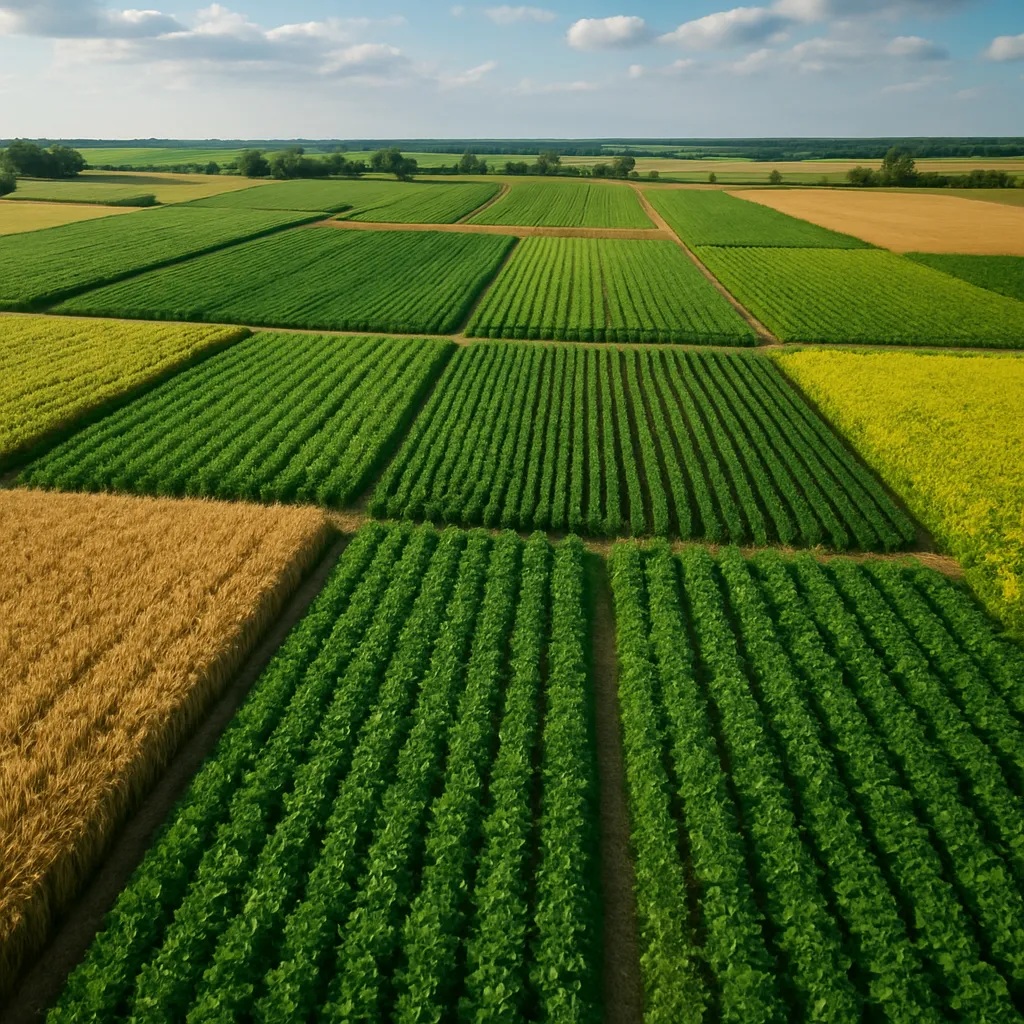
Carbon markets have emerged as a transformative force reshaping the agricultural sector worldwide. By placing a monetary value on greenhouse gas reductions, these markets create novel opportunities and challenges for farmers, agribusinesses, and policy makers. As global pressure mounts to curb emissions and foster soil health, understanding the complex dynamics of carbon trading schemes is essential for stakeholders seeking to balance productivity, profitability, and environmental stewardship. This article examines how carbon markets operate in agriculture, explores their multifaceted impacts on farmers and food systems, and highlights critical obstacles and potential pathways for a more equitable, climate-smart future.
Mechanisms of Carbon Markets in Agriculture
The integration of carbon markets into farming relies on well-defined protocols, measurement methods, and verification processes. At its core, a carbon market enables the trading of carbon credits—each representing one metric ton of CO₂-equivalent avoided or removed. Agricultural projects can generate credits by adopting practices that enhance carbon capture in soils or reduce on-farm greenhouse gas emissions.
Market Structures and Participants
- Compliance Markets: Mandated by governments, these markets force major emitters to buy credits if they exceed regulatory caps.
- Voluntary Markets: Corporations and non-state actors purchase credits to meet internal sustainability goals or improve brand reputation.
- Intermediaries and Exchanges: Brokers, registries, and digital platforms facilitate the issuance, trading, and retirement of credits with robust tracking systems.
Measuring Soil Carbon and Emission Reductions
Reliable quantification is critical. Standardized methodologies, such as Tier 1–3 approaches under the IPCC guidelines, ensure consistency. Practices eligible for crediting include:
- Regenerative tillage reduction
- Cover cropping and crop rotation
- Improved manure management
- Agroforestry and agroecology integration
Verification often combines remote sensing, on-site sampling, and predictive modeling to estimate carbon sequestration over multi-year contracts. Rigorous certification by third-party auditors helps maintain market integrity and prevents double-counting.
Impacts on Farmers and Food Systems
Carbon markets can drive innovation and investment in low-carbon farming systems, but they also introduce new complexities for rural communities. The effects vary by region, farm size, and access to knowledge or capital.
Opportunities for Smallholder and Large-Scale Producers
- Additional Revenue Streams: Selling credits can supplement farm income, especially in areas where commodity prices remain volatile.
- Adoption of Best Practices: Incentives encourage farmers to implement soil health strategies that improve long-term productivity.
- Technology Transfer: Funds from credit sales can finance precision agriculture tools, remote monitoring, and data analytics.
For smallholders, collective action through cooperatives or aggregator models can reduce transaction costs and improve bargaining power. Large-scale operations may benefit more readily from capital-intensive measures but face scrutiny over potential land-use trade-offs.
Risks and Equity Considerations
Despite potential gains, carbon markets may perpetuate inequalities:
- High Entry Barriers: Complex registration and monitoring requirements exclude resource-limited farmers.
- Land Tenure Conflicts: Unclear ownership can lead to disputes over who benefits from credits.
- Leakage and Permanence Risks: Emission reductions in one area might shift emissions elsewhere, undermining overall impact.
Ensuring resilience requires robust social safeguards, transparent price-discovery mechanisms, and capacity-building initiatives that empower marginalized communities.
Global Challenges and Pathways Forward
Scaling carbon markets in agriculture hinges on harmonized policies, innovative financing, and inclusive governance. The journey toward net-zero agriculture demands a confluence of public-private efforts and multidisciplinary research.
Policy Frameworks and International Cooperation
- Alignment of Standards: Harmonizing methodologies across national and regional markets reduces fragmentation and enhances liquidity.
- Blended Finance Mechanisms: Combining grants, concessional loans, and private capital lowers investment risks for early adopters.
- Trade Agreements: Embedding carbon provisions in agricultural trade pacts can drive cross-border collaboration.
Emerging Technologies and Innovation
Advances in digital agriculture—such as blockchain for transparent record-keeping, AI-driven emission modeling, and Internet of Things (IoT) sensors—are revolutionizing project design and verification. Partnerships between tech firms, academic institutions, and farms accelerate the deployment of these tools.
Engaging Stakeholders for Systemic Change
Broad participation is vital. Key steps include:
- Multi-Stakeholder Platforms: Engaging farmers, governments, NGOs, and buyers to co-create robust governance structures.
- Capacity Building: Training programs to enhance data literacy, technical know-how, and market navigation skills.
- Inclusive Benefit Sharing: Designing schemes that equitably distribute revenue, safeguard biodiversity, and respect local knowledge.
Ultimately, integrating carbon markets with broader rural development agendas can unlock synergies across food security, ecosystem health, and climate mitigation. By fostering collaboration and prioritizing fairness, global agriculture can transition toward a low-carbon future that balances productivity with planetary well-being.