The transition towards a sustainability-driven agriculture model is gaining traction as stakeholders seek to balance productivity with environmental stewardship. A circular economy approach in farming offers pathways to minimize waste, enhance resource efficiency, and foster long-term resilience in rural communities. This article explores the underlying principles, practical strategies, global market trends, and policy frameworks shaping the application of circularity in agriculture across the world.
The Principles of Circular Economy in Agriculture
Circular economy in agriculture centers on three core tenets: resource preservation, waste valorization, and system regeneration. Instead of following the linear “take-make-dispose” model, farmers and agribusinesses integrate innovative methods that loop materials and nutrients back into productive use.
Resource Preservation
Preserving natural capital means optimizing the use of water, energy, and land. Techniques include:
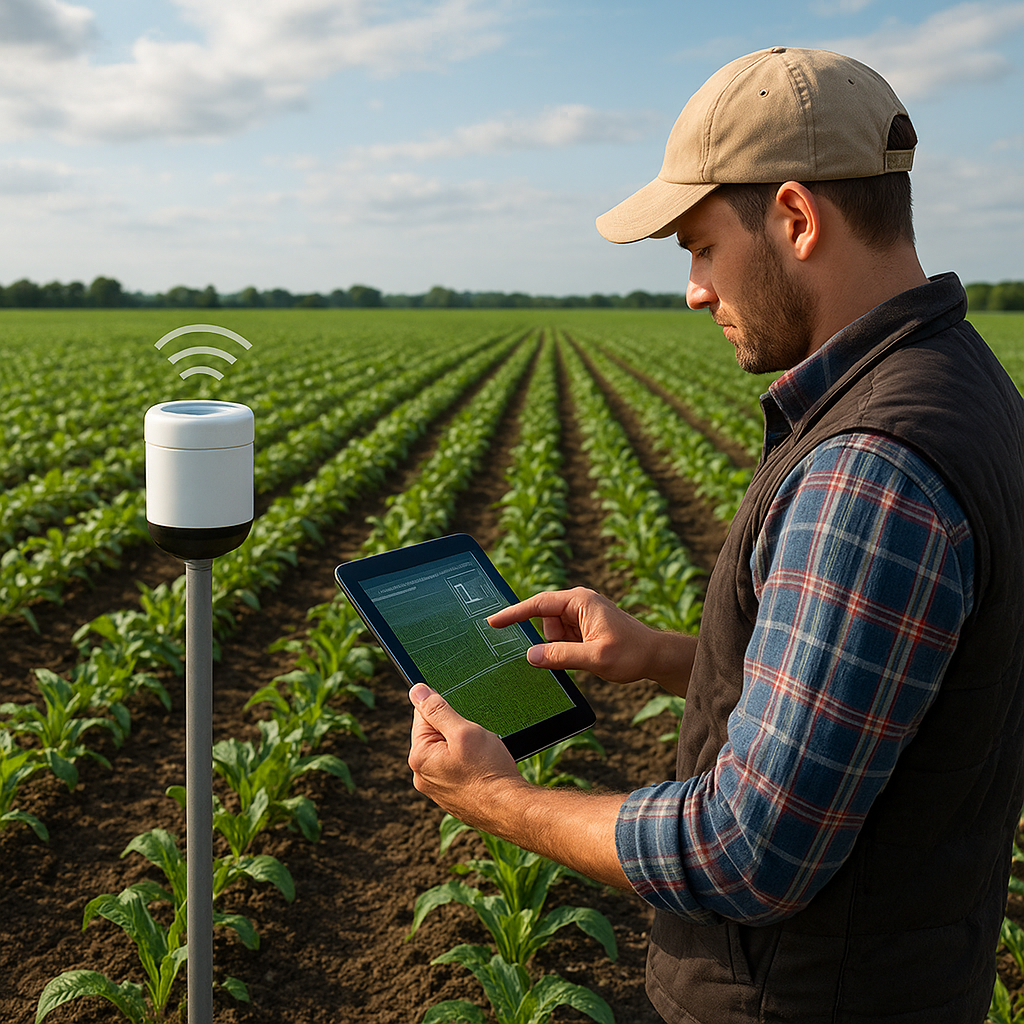
- Irrigation systems with precision sensors to reduce water consumption.
- Renewable energy installations, such as solar panels or bioenergy from crop residues.
- Conservation agriculture practices that maintain soil structure and moisture.
Waste Valorization
By converting by-products into valuable inputs, waste streams become revenue sources. Upcycling crop residues into animal feed, composting organic matter, and extracting bioactive compounds from husks exemplify how waste can generate new value chains.
System Regeneration
Regenerative practices aim to restore ecosystem functions. Techniques such as agroforestry, cover cropping, and reduced tillage enhance soil health while promoting biodiversity. These methods reinforce the land’s capacity to sequester carbon and buffer against climatic stresses.
Implementing Circular Strategies on the Farm
Moving from theory to practice involves tailored investments and collaborative networks. Farmers often partner with technology providers, research institutions, and local cooperatives to adopt circular solutions.
Resource Recovery and Innovation
Recovering nutrients and materials from waste streams relies on innovations in processing and logistics:
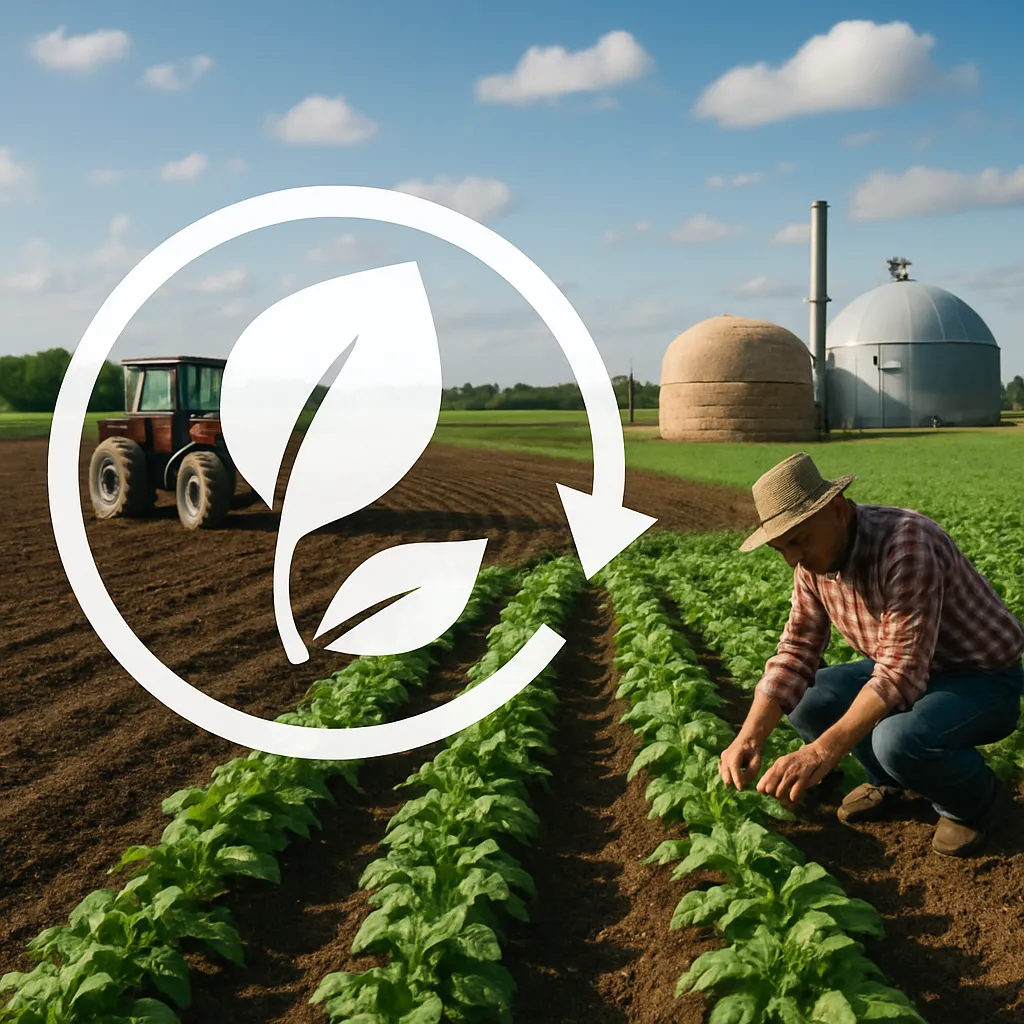
- Biogas digesters transform manure and crop residues into energy, heat, and a nutrient-rich digestate.
- Pelletization of food processing by-products creates stable, transportable biofertilizers.
- Modular processing units allow smallholders to participate in high-value specialty markets.
Nutrient Cycling and Soil Health
Circular nutrient management reduces reliance on synthetic fertilizers. Techniques include:
- On-farm composting programs to return carbon and minerals to fields.
- Legume intercropping to fix atmospheric nitrogen naturally.
- Mycorrhizal inoculants that enhance root uptake of phosphorus and trace elements.
Water Reuse and Efficiency
Water scarcity drives adoption of closed-loop irrigation and greywater reuse:
- Constructed wetlands treat and recycle agricultural effluents.
- Drip irrigation systems combined with real-time soil moisture monitoring.
- Rainwater harvesting infrastructure integrated into greenhouse operations.
Global Market Trends and Economic Opportunities
As the global population grows, demand for food and fiber intensifies pressure on finite resources. Circular agriculture presents both economic and risk mitigation potentials.
Emerging Value Chains
Investors are eyeing businesses that specialize in transforming agricultural waste into materials such as bioplastics, natural fibers, and organic fertilizers. Such ventures create diversified revenue streams while reducing environmental footprints.
Consumer-Driven Demand
Shoppers increasingly prefer products linked to transparent, regenerative production systems. Brands leveraging innovation in packaging reuse, looped supply chains, and farm-to-fork traceability gain competitive advantage.
Trade and Regulatory Incentives
International agreements and certifications promote circularity:
- Eco-labels recognizing biodiversity-friendly and low-emission practices.
- Carbon markets offering credits for soil sequestration and methane reduction.
- Subsidies and tax breaks for renewable energy installations on farms.
Collaboration and Policy Frameworks
Successful roll-out of circular models relies on multi-stakeholder collaboration. Governments, private sector players, research bodies, and civil society must align incentives and share knowledge.
Public-Private Partnerships
Collaborations between agritech firms and ministry bodies accelerate technology adoption. Grant schemes and matching funds lower investment barriers for smallholders aiming to implement advanced processing or renewable energy systems.
Standards and Certification
Developed standards guide best practices and ensure market credibility. Key initiatives include:
- Protocols for measuring circularity metrics across supply chains.
- Certification labels for “waste-to-value” and “closed-loop” agricultural products.
- Quality control frameworks to maintain consistency in upcycled inputs.
Knowledge Sharing Platforms
Digital platforms and farmer networks facilitate transfer of field-tested approaches. Virtual workshops, open-source databases, and regional hubs support capacity building and peer-to-peer learning.
Challenges and Future Outlook
Despite clear benefits, several obstacles hinder widespread adoption of circular practices:
- High initial capital costs for processing units and renewable energy infrastructure.
- Fragmented regulatory environments that vary across regions.
- Limited access to financing and technical expertise, particularly in developing countries.
Addressing these barriers requires innovative collaboration between financial institutions, extension services, and technology developers. Emphasis on scalable business models will be crucial to unlock economies of scale and lower per-unit costs.
Future research is set to explore advanced precision agriculture tools, novel bio-based materials, and digital platforms fostering hyperlocal circular networks. By reinforcing local value chains and emphasizing system-level efficiency, the agriculture sector can transition towards truly regenerative, resource-smart operations.