The interplay between climate policies and agricultural producers has become a defining challenge for the global food system. Shifts in regulation, carbon markets, and consumer expectations now shape the way farmers and agribusinesses operate. This article explores the multifaceted effects of climate policy on production costs, market access, and long-term viability for players in the international agricultural market.
Impact of Carbon Pricing and Emissions Regulations
Many governments have implemented carbon pricing schemes to curb greenhouse gas emissions. For agricultural producers, this means factoring additional costs into fertilizers, fuel, and processing operations. A robust carbon market can drive investment in low-emission technologies, yet it also places pressure on margins. In regions with high emission taxes, producers may struggle to compete with imports from areas where regulations are less stringent.
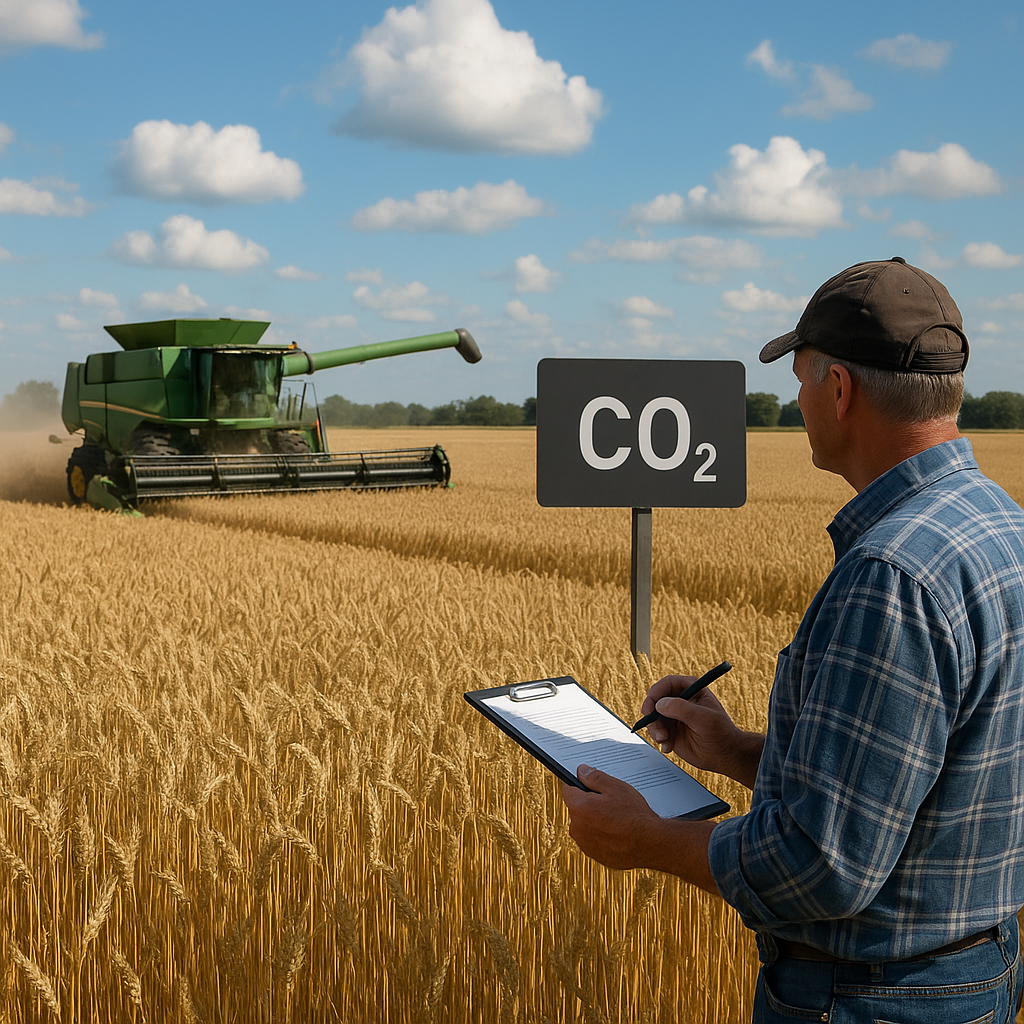
The introduction of mandatory reporting and emissions caps demands that farms track methane, nitrous oxide, and carbon dioxide outputs. New data-management platforms help optimize resource use, but require upfront investment. Smaller operations often depend on public support, making subsidy programs critical to maintaining viability. Where governments offer incentives for precision agriculture tools, producers can reduce waste and improve productivity through optimized irrigation and fertilizer application.
Adaptation Strategies and Sustainable Practices
In the face of changing weather patterns, agricultural producers increasingly adopt adaptation measures. Drought-resistant crop varieties, agroforestry systems, and soil carbon sequestration are gaining traction. Precision water management helps mitigate water scarcity risks and enhances resilience to erratic rainfall. Cover cropping and no-till methods build soil health, locking away carbon and reducing erosion.
Public policies often encourage farmers to practice sustainable land management. Certification schemes reward producers for meeting deforestation-free supply chain criteria or for low-input farming methods. Such certifications open access to premium markets in Europe and North America, driving revenue streams that offset the cost of ecological transition. Yet some critics warn that complex certification processes can create barriers for smallholders lacking technical expertise.
- Climate-smart agriculture programs financed by development banks
- Government grants for renewable energy installations on farms
- Training initiatives on integrated pest management to reduce chemical use
Global Trade Dynamics and Market Access
International climate agreements influence trade regulations and border adjustments. The concept of carbon border adjustment mechanisms gains momentum, potentially imposing fees on carbon‐intensive imports. For agricultural exporters, compliance with environmental standards becomes a competitive imperative. Countries with strict mitigation targets may restrict imports lacking sustainability certification, shaping the flow of commodities like palm oil, soy, and beef.
Trade policies now intertwine with environmental goals, prompting exporters to demonstrate traceability. Blockchain platforms emerge as tools for verifying carbon footprints and labor conditions. Producers able to deliver verifiable data secure access to lucrative markets. Conversely, regions unable to meet new benchmarks may face declining demand and downward pressure on farmgate prices.
Financial Instruments and Risk Management
Insurance products tailored to climate risks are on the rise. Weather index insurance offers payouts when rainfall or temperature thresholds are breached, protecting farmers from extreme events. Meanwhile, green bonds and sustainability-linked loans provide funding for investments in low-carbon infrastructure. Financial institutions increasingly assess agricultural portfolios for climate-related risks, encouraging borrowers to adopt robust sustainability practices.
Commodity traders and agribusinesses employ futures and options to hedge against price volatility triggered by climate shocks. Long-term contracts with embedded environmental clauses reward producers for maintaining emission reductions and preserving biodiversity. These risk management tools enable more predictable cash flows, supporting strategic planning amid regulatory uncertainty.
Innovation and Technological Transformation
Advances in biotechnology, data analytics, and automation underpin the sector’s transformation. Gene editing accelerates the development of stress-tolerant crops, while digital platforms deliver real-time insights on weather and soil conditions. Drones and satellite imaging facilitate targeted interventions, optimizing input use and reducing waste. Governments that fund research partnerships help diffuse these innovations across commercial and smallholder farms.
The emergence of precision fermentation and vertical farming offers alternative protein sources that compete directly with conventional livestock. Such shifts could recalibrate land use patterns and reduce the agriculture sector’s overall emission profile. Encouraging innovation remains a cornerstone of climate policy, as policymakers recognize that technological breakthroughs are essential for long-term decarbonization.
Challenges for Smallholders and Emerging Economies
While large-scale operations may absorb compliance costs, smallholders often lack capital and technical know-how. Without tailored support, rural communities risk falling behind in the green transition. International development agencies promote capacity-building programs, enabling farmers to navigate complex regulatory landscapes. Facilitating access to micro-finance and cooperative models fosters collective bargaining power for purchasing climate-friendly inputs.
Emerging economies face the dual mandate of boosting food production and reducing emissions. Balancing these goals requires integrated policy approaches. Social safety nets can mitigate the impact of subsidy reforms and carbon taxes. Moreover, fostering local processing industries helps capture greater value from agricultural commodities, enhancing economic resilience in the face of global market fluctuations.
Future Outlook and Policy Implications
Climate policy will continue to evolve, driven by scientific findings and geopolitical negotiations. Strengthening transparency in emissions reporting and harmonizing international standards are critical steps. Implementing a cohesive mix of carbon pricing, regulatory measures, and incentive structures encourages widespread adoption of low-carbon farming systems. At the same time, ensuring equitable support for vulnerable producers remains a policy priority.
The global agricultural sector stands at a crossroads. Success depends on collaborative action among governments, private sector actors, research institutions, and farming communities. By embedding climate considerations into every stage of the value chain, agricultural producers can seize new market opportunities and contribute to a more sustainable future for all.