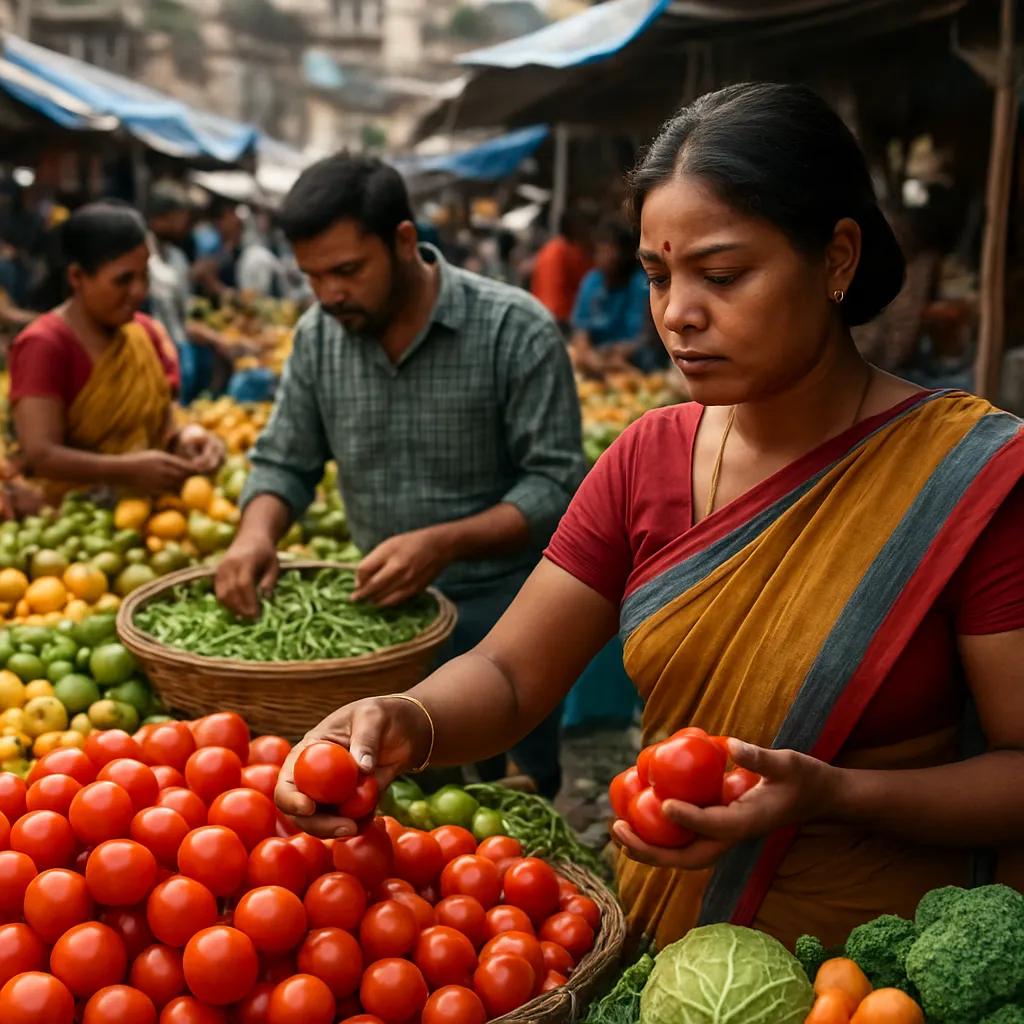
As global food markets evolve at an unprecedented pace, the preferences of modern consumers serve as powerful drivers influencing everything from farm production methods to international trade policies. In this exploration, we delve into the forces reshaping agriculture, examine the feedback loops between consumer choices and market structures, and highlight the emerging trends that promise to redefine the global food landscape.
Consumer Trends and Market Dynamics
In recent years, a spectrum of shifting priorities has transformed purchasing decisions on a worldwide scale. Health consciousness, ethical sourcing, and environmental stewardship now occupy center stage. Survey data indicates that a growing segment of buyers will pay premiums for products certified as organic, fair trade, or locally produced, reflecting an increased willingness to invest in sustainability. Meanwhile, the appetite for convenience foods enriched with functional ingredients underscores the role of nutrition in shaping demand patterns. Retailers and foodservice providers respond by curating assortments tailored to niche segments, whether athletes seeking high-protein snacks, urban professionals craving ready-to-eat salads, or families opting for plant-based alternatives.
Key factors driving change include:
- Health and wellness: emphasis on clean labels, low sugar, and fortified products.
- Ethical considerations: concern for animal welfare, fair labor, and carbon footprints.
- Convenience and accessibility: growth of e-commerce platforms and meal kit subscriptions.
- Cultural influence: fusion of global cuisines and heritage-inspired recipes.
These elements converge to create dynamic price sensitivities and niche markets, challenging traditional mass-market producers to diversify their offerings.
Impact on Supply Chains and Trade Flows
As globalization deepens, the interplay between consumer expectations and supply chain structures grows more complex. Demand for off-season produce in northern latitudes prompts large-scale import operations, while provenance-conscious buyers drive interest in traceable, short-chain distribution. Companies invest heavily in cold-chain infrastructure and logistics optimization to preserve quality and meet stringent safety standards. Simultaneously, source countries face pressure to balance export revenues with domestic food security, leading to policy shifts that influence international trade agreements.
Emerging trends include:
- Decentralized sourcing networks that leverage regional cooperatives.
- Vertical integration by multinational corporations to control both production and distribution.
- Blockchain-enabled platforms providing end-to-end traceability.
- Dynamic pricing models responsive to real-time inventory and consumer analytics.
These innovations enhance resilience against market disruptions—from climate-induced crop failures to geopolitical upheavals—by enabling adaptive rerouting of shipments and agile inventory management.
Role of Technology and Innovation
Rapid advancements in agri-tech have introduced novel pathways for meeting evolving consumer demands. Precision farming tools, ranging from satellite-guided machinery to drone-based crop monitoring, increase yields while minimizing environmental impact. Biotechnological breakthroughs yield drought-resistant varieties and nutrient-dense cultivars, addressing both food security and health objectives. Concurrently, lab-grown proteins and plant-based meat analogues have transitioned from niche experiments to multi-million-dollar industries, catering to eco-conscious and flexitarian demographics.
Noteworthy technological applications:
- Internet of Things sensors for real-time soil and climate data.
- Artificial intelligence algorithms optimizing harvest schedules.
- Smart packing solutions extending shelf life and reducing waste.
- Mobile apps connecting farmers directly with end-users.
Through these platforms, stakeholders gain unprecedented visibility into production processes, enhancing transparency and fostering trust. The interplay between digital tools and traditional practices fuels continuous innovation in crop management and food processing.
Regional Variations and Cultural Influences
Despite overarching global themes, regional specificities remain pronounced. In Southeast Asia, demand for tropical fruits and artisanal spices thrives on local culinary traditions, while North American markets witness robust growth in convenience snacks fortified with protein and probiotics. European consumers, driven by stringent regulatory standards, often demand verified animal welfare labels and minimal use of chemical inputs. Latin America’s expanding middle class exhibits growing interest in premium coffee, chocolate, and superfoods, altering export dynamics and incentivizing smallholders to upgrade processing capabilities.
Strategies to adapt to diversity across regions include:
- Localization of branding and packaging to reflect cultural preferences.
- Adaptive product formulations addressing taste profiles and dietary restrictions.
- Partnerships with local cooperatives to incorporate traditional knowledge.
- Flexible logistics networks capable of serving remote and urban markets alike.
By acknowledging cultural nuances, companies can align their offerings with consumer identities, forging stronger brand loyalty and driving long-term growth.
Future Outlook and Emerging Challenges
Climate Resilience and Resource Scarcity
Escalating climate risks necessitate agricultural practices that bolster resilience against droughts, floods, and shifting pest pressures. Water-efficient irrigation, crop diversification, and regenerative soil management are gaining traction as strategies to safeguard yields and maintain affordability for end-users.
Policy and Regulatory Landscapes
Governments worldwide are implementing measures to harmonize food safety standards, environmental regulations, and labeling requirements. As cross-border trade intensifies, the alignment of sanitary and phytosanitary protocols becomes critical to prevent non-tariff barriers from inflating consumer costs or restricting product availability.
Ethical Consumption and Corporate Responsibility
Heightened awareness of social equity issues propels companies to adopt comprehensive sustainability reporting and third-party certification schemes. Consumers increasingly scrutinize corporate practices related to labor conditions, deforestation, and fair pricing, rewarding brands that demonstrate genuine commitment to ethical principles.