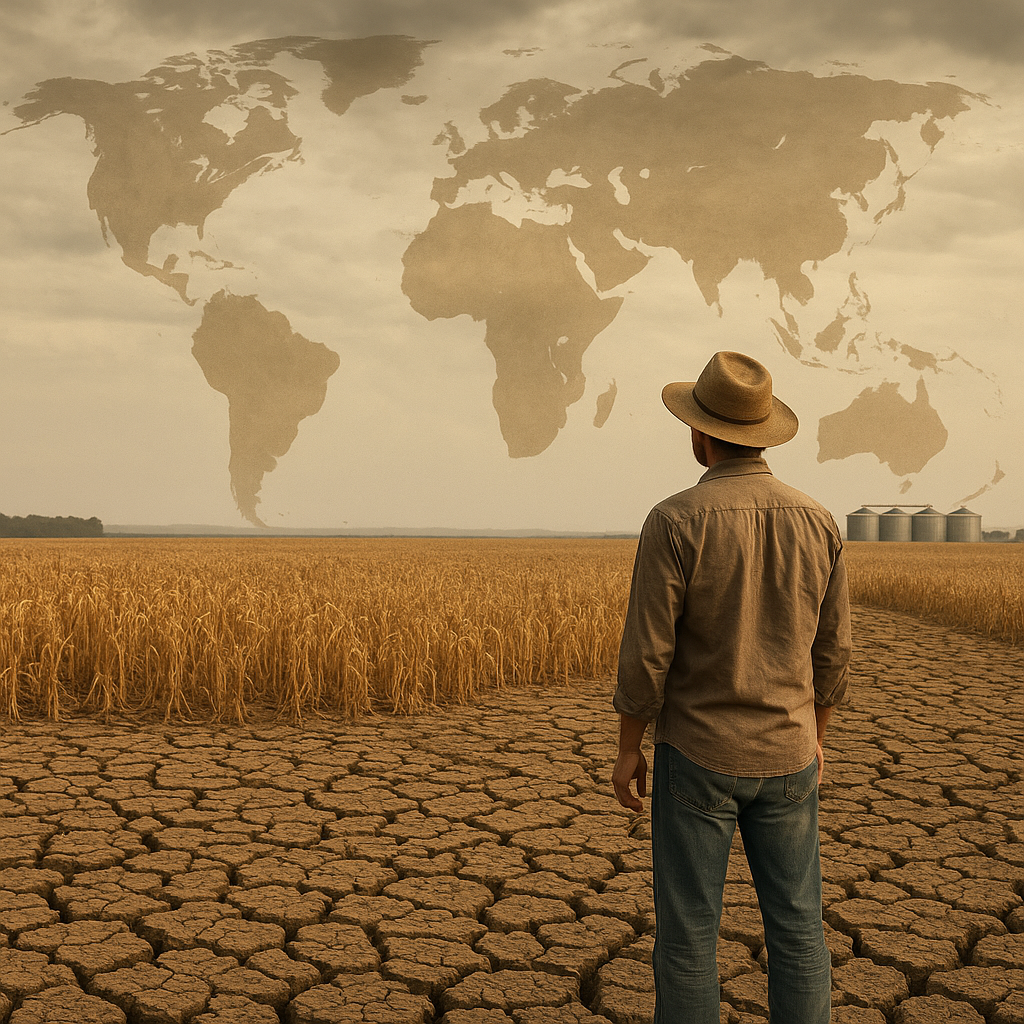
Persistent drought conditions in key agricultural regions are reshaping the dynamics of global crop markets with far-reaching consequences. As heat waves and water scarcity become more frequent, farmers, traders, policymakers, and consumers face a complex web of challenges. This article examines how limited water availability affects crop yields, supply chains, market prices, and the strategies adopted to bolster resilience and ensure sustainability across borders.
Impact on Crop Yields and Supply Chains
Declining Yields and Quality
Extended dry spells inhibit plant development at critical growth stages, resulting in lower grain counts, reduced kernel size, and diminished oil content in oilseeds. Regions once renowned for bumper harvests—such as the U.S. Corn Belt, the Argentine Pampas, and parts of the European Union—are now registering substantial yield losses. Farmers face tougher decisions on crop rotations, often opting for drought-tolerant varieties at the expense of traditional staples. This shift affects not only production volume but also commodity quality, as moisture stress can concentrate certain undesirable compounds in grains and fruits.
Supply Chain Disruptions
When major exporters report smaller harvests, global supply chains experience bottlenecks. Silo operators and port authorities scramble to adjust shipping schedules, while commodity traders hedge against uncertain volumes. Inland transport networks face mounting pressure: reduced water levels in rivers hinder barge traffic, leading to higher rail and trucking costs. With fewer tonnes reaching export terminals on time, buyers from importing nations confront delivery delays and potential contract defaults.
Economic Ramifications in Global Commodity Markets
Heightened Price Volatility
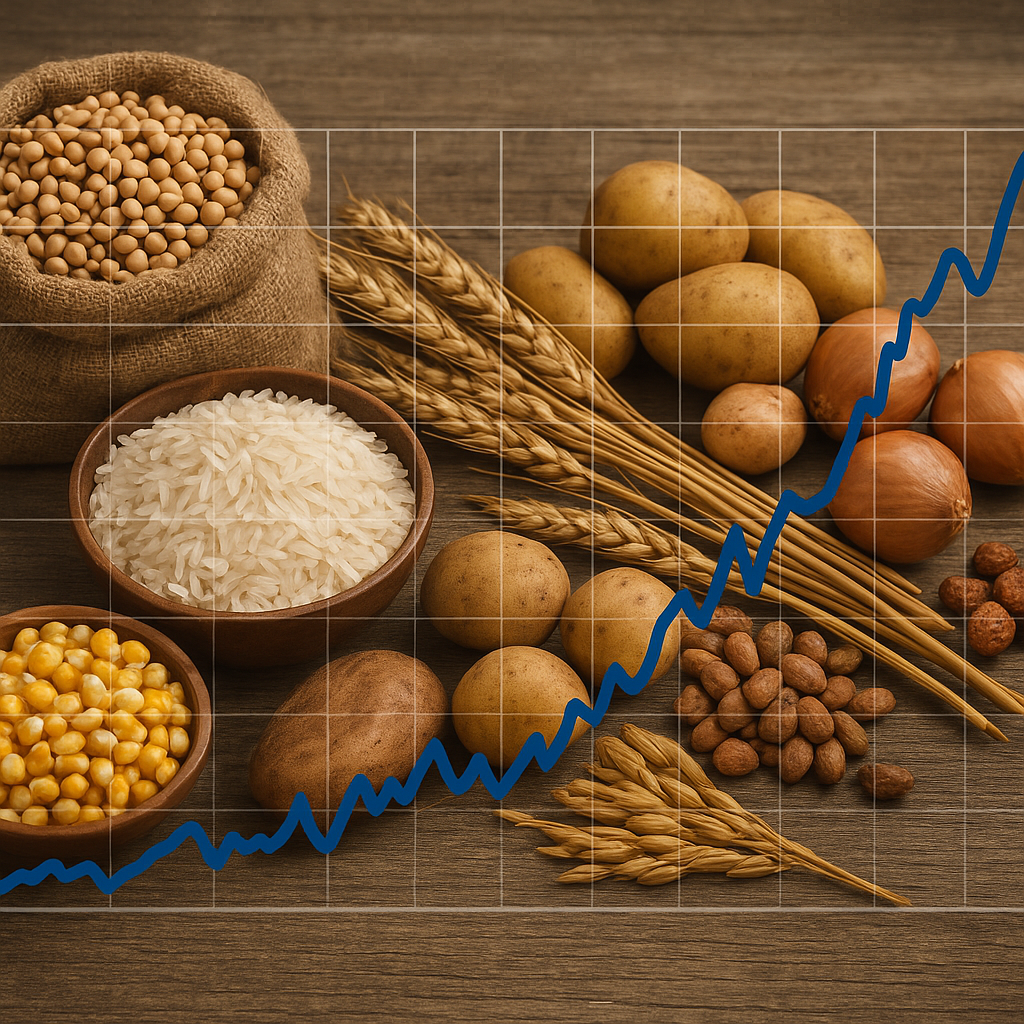
Scarcity driven by drought triggers sharp price swings across futures markets. For instance, benchmark wheat contracts can spike by over 20% within a single growing season if multiple producers face water deficits simultaneously. This volatility affects downstream industries, from livestock producers grappling with feed costs to food processors managing budgeting uncertainties. Hedging strategies become more complex as margin calls intensify, prompting some smaller operators to withdraw from futures exchanges altogether.
Shifts in Trade Flows and Dependency
Importers traditionally reliant on specific suppliers are forced to diversify their procurement to mitigate risk. Countries in North Africa and the Middle East, heavily dependent on Black Sea wheat, have begun exploring alternative sources in North America and Australia. Meanwhile, large-scale importers in Asia negotiate long-term contracts with performance clauses tied to climate resilience metrics. Governments sometimes impose export restrictions to safeguard domestic supplies, further complicating international market access and fueling speculation.
Financial Strain on Smallholders
While multinational agribusinesses can leverage advanced risk-management tools, smallholder farmers in developing economies often struggle to secure capital or insurance against crop failure. Without access to affordable credit and parametric insurance, they may fall into debt cycles after a single bad season. Microfinance institutions and development agencies are experimenting with novel products—such as index-based drought insurance—that pay out automatically when rainfall drops below predefined thresholds, reducing administrative delays and moral hazard.
Adaptation Strategies and Policy Responses
Innovative Water Management Techniques
To combat mounting water scarcity, stakeholders invest in irrigation technologies designed for efficiency. Techniques include:
- Precision drip and micro-sprinkler systems that deliver water directly to the root zone, minimizing evaporation losses.
- Soil moisture sensors integrated with automated controllers to apply water only when sensors detect critical dryness levels.
- Rainwater harvesting and on-farm reservoirs that capture episodic rainfall for use during dry periods.
Adoption of these solutions is uneven. Large commercial farms in Australia and Israel often feature state-of-the-art infrastructure, while many producers in sub-Saharan Africa remain reliant on rain-fed cultivation. Public-private partnerships aim to bridge this technology gap by subsidizing equipment costs and offering training on best practices.
Genetic and Agronomic Innovations
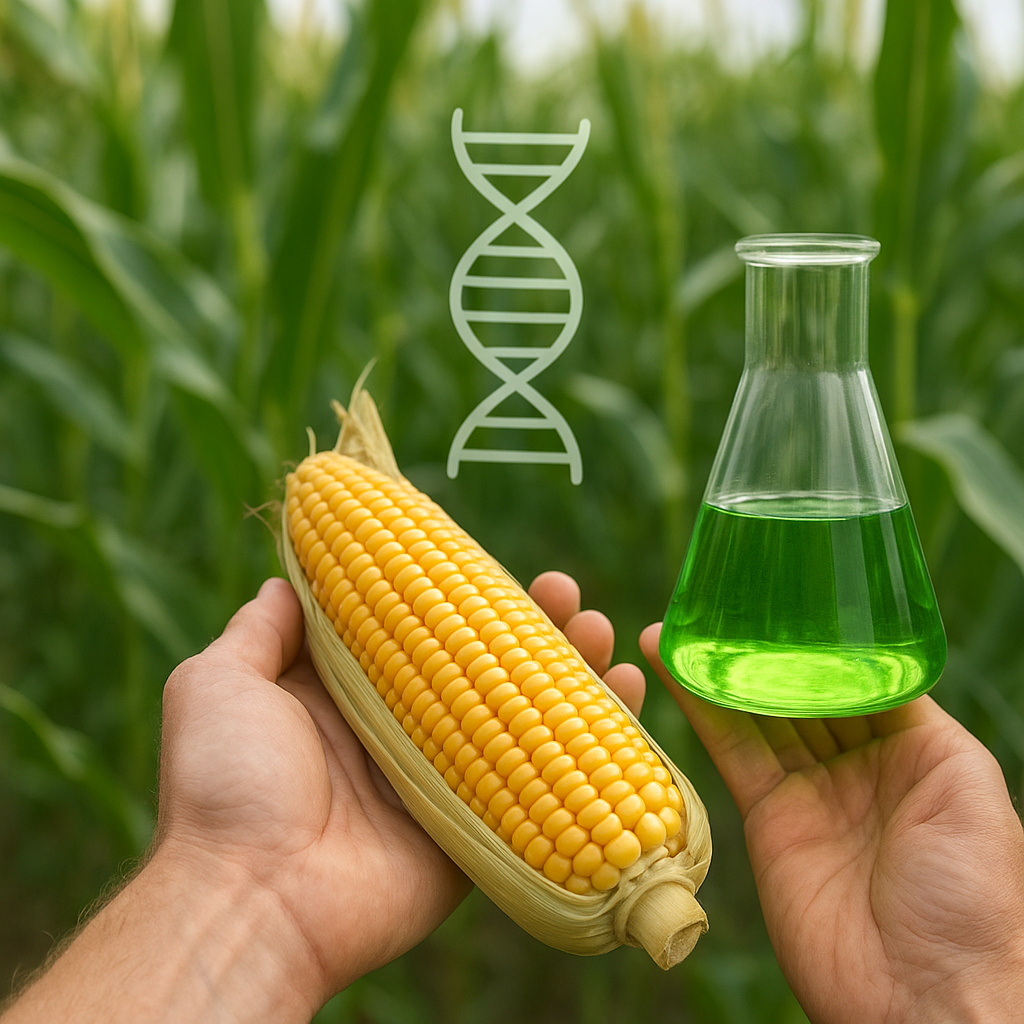
Breeding programs are accelerating the development of drought-resistant cultivars with deeper root systems, enhanced osmotic adjustment, and improved water-use efficiency. Gene-editing tools, such as CRISPR, allow researchers to target specific pathways responsible for stress tolerance. Nevertheless, regulatory hurdles and public acceptance issues can delay commercialization. Alongside genetic advances, agronomic practices like conservation tillage, mulching, and cover cropping help maintain soil moisture and reduce erosion, contributing to long-term land productivity.
Policy Measures and International Cooperation
Governments worldwide are crafting policies to buffer markets from the worst impacts of drought:
- Strategic Grain Reserves: Some nations maintain public stockpiles to release during supply crises, stabilizing domestic prices.
- Export Controls and Tariffs: Temporary restrictions can protect local consumers but risk retaliation and market fragmentation.
- Subsidies for water-efficient technologies and incentives for farmers adopting climate-smart practices.
On the international stage, bodies like the Food and Agriculture Organization (FAO) and the World Bank facilitate knowledge exchange, fund drought resilience projects, and promote standardized climate risk assessments that inform trading partners about potential disruptions.
Long-Term Outlook and Emerging Trends
Integration of Digital Agriculture
Digital platforms leveraging satellite imagery, weather forecasts, and machine-learning algorithms enable near real-time monitoring of drought stress and yield projections. Farmers receive tailored advisories on irrigation schedules, nutrient management, and pest control—enhancing decision-making under uncertainty. Traders and policymakers, in turn, rely on these data streams to anticipate supply shifts and calibrate market interventions more precisely.
Consumer Demand and Sustainability Pressures
Rising awareness of climate risks has fueled demand for products certified under sustainable agriculture schemes. Consumers pay premiums for goods labeled as “water-smart” or “drought-friendly,” incentivizing producers to adopt resource-conserving methods. Retailers and foodservice companies integrate traceability systems that document water use metrics along the supply chain, further amplifying accountability.
Collaborative Risk-Sharing Mechanisms
Innovative financing models—such as rainfall-based catastrophe bonds and multi-stakeholder resilience funds—pool capital to cover income losses from climatic extremes. These instruments distribute risk across investors, governments, and agribusinesses, reducing the burden on any single party. By aligning financial incentives with sustainable outcomes, they foster a shared commitment to mitigating drought’s impact on global food security.
Conclusion
As drought intensification becomes a defining feature of twenty-first-century agriculture, the resilience of crop markets hinges on coordinated action across technological, policy, and financial domains. Stakeholders must embrace innovation, promote equitable access to water-saving tools, and foster transparent trade frameworks. Only through a combination of local adaptation and international cooperation can the world navigate the evolving challenges of water scarcity and safeguard the stability of global food supplies.