Rapid economic growth, changing lifestyles and evolving consumer preferences are transforming the way people in developing regions approach food. This article explores how food demand is **shifting** across emerging economies, examines the underlying **drivers**, assesses impacts on the **global market**, and outlines strategies for various **stakeholders** seeking to navigate this dynamic landscape.
Changing Consumption Patterns in Emerging Economies
A combination of rising incomes, greater access to diverse food products and accelerated **urbanization** is reshaping dietary habits in Asia, Africa and Latin America. Consumers are moving away from traditional staples toward a broader mix of grains, proteins, fruits and processed items. The net effect is an unprecedented surge in demand for high-value agricultural commodities and value-added products.
Key trends include:
- Shift from subsistence cereals to higher-protein diets featuring **livestock** products and legumes.
- Greater consumption of packaged and convenience foods as dual-income households seek time-saving solutions.
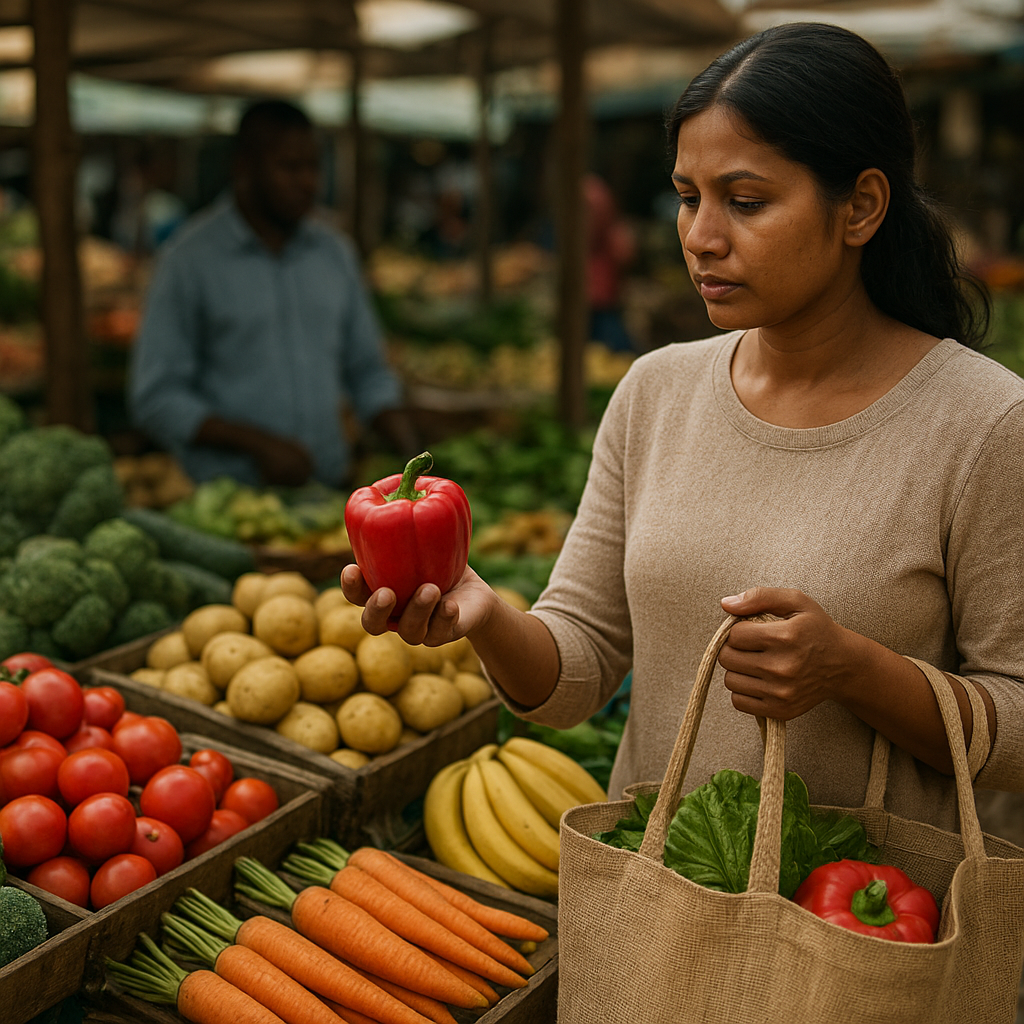
- Rising appetite for fresh **produce**, including fruits and vegetables once considered niche.
- Growth in beverage markets, particularly dairy-based drinks, bottled water and functional beverages.
These consumption patterns differ markedly between urban and rural areas. In sprawling metropolitan centers, supermarket chains, modern **supply chains** and e-commerce platforms are major conduits for new products, while in rural regions informal markets still dominate albeit with an infusion of packaged goods.
Drivers of Dietary Shifts
Multiple factors are converging to propel the transformation of food demand:
- Rising Incomes: Economic advancement raises household spending power, fostering a move toward proteins, fats and processed foods.
- Demographic Changes: Youthful populations in many emerging markets display openness to novel tastes and global cuisines.
- Urban Lifestyles: City dwellers face time constraints, prompting a preference for convenience, ready-to-eat meals and fast food.
- Health Awareness: Growing concern about nutrition and wellness is generating demand for functional foods, organic labels and fortified products.
- Technological Access: Smartphones and digital platforms connect producers, retailers and consumers, enabling online grocery purchases and home delivery.
For instance, a rapidly expanding middle class in Southeast Asia now allocates a higher share of its budget to fish, poultry and red meat. Meanwhile, e-commerce channels in India and Brazil have slashed distribution costs, making dairy and snacks more affordable for a larger population.
Implications for the Global Agriculture Market
The ramifications of shifting food patterns are far-reaching. Exporters in North America, Europe and Oceania are vying to meet burgeoning demand abroad, while local producers strive to scale operations and boost productivity. Several critical consequences are unfolding:
- Global Supply Pressure: Increased imports of soybeans, maize and wheat to feed livestock and process into oils and starches.
- Investment Flows: Capital-intensive projects in irrigation, cold-chain storage and processing facilities are underway to modernize local food systems.
- Trade Realignments: Traditional trade routes are being supplemented by new partnerships; for example, Sub-Saharan Africa is importing more rice from Asia and exporting more cocoa to Europe.
- Price Volatility: Heightened competition for feed grains and edible oils can amplify price swings, impacting both producers and consumers.
- Environmental Impact: Expansion of **agricultural** land for commercial-scale farming raises concerns about deforestation, water scarcity and greenhouse gas emissions.
These dynamics underscore the importance of resilient and sustainable practices. While global players push to capitalize on growth opportunities, smallholders and regional enterprises seek to leapfrog legacy constraints by adopting mechanization, advanced seeds and precision agriculture.
Strategies for Stakeholders in Agriculture
Governments, private-sector participants and development agencies must coordinate to foster inclusive growth and mitigate risks. Effective approaches include:
- Enhancing infrastructure: investing in rural roads, electrification and cold storage to reduce post-harvest losses and connect farmers to markets.
- Promoting **sustainability**: incentivizing conservation agriculture, integrated pest management and water-efficient irrigation to safeguard resources.
- Supporting smallholders: providing access to finance, training programs and digital extension services to boost yield and quality.
- Encouraging value addition: facilitating local processing of fruits, grains and meats to capture more value within domestic economies.
- Fostering public–private partnerships: aligning interests of multinational traders with local cooperatives to build robust supply networks.
By focusing on these levers, stakeholders can create a more balanced food system that delivers nutritious, affordable and diverse options while minimizing environmental footprints.
Future Outlook and Emerging Trends
Looking ahead, several innovations and market shifts will shape food demand trajectories:
- Plant-Based Proteins: Alternative meat and dairy analogs are gaining traction, especially among health-conscious urbanites.
- Precision Nutrition: Personalized diets based on genetic, lifestyle and health data may influence product development.
- Blockchain Traceability: Transparent tracking of food origin and quality will become a competitive differentiator.
- Agri-Fintech Solutions: Digital platforms offering microloans, insurance and market intelligence will empower small-scale producers.
- Climate-Resilient Crops: Breeding and biotech innovations will be critical to adapt to changing weather patterns and water stress.
The interplay of these trends will determine how effectively emerging economies satisfy rising consumer expectations. As purchasing power expands and diets diversify, the agricultural **sector** must continue evolving to deliver safe, nutritious and sustainable food at scale.