Food waste remains a critical challenge with profound implications for the global agricultural market. Every year, billions of tonnes of edible produce are lost or discarded across production, processing, distribution, and consumption stages. This inefficiency not only undermines farmers’ returns but also strains natural resources and hampers efforts toward long-term sustainability. Addressing food waste is essential for enhancing system efficiency and ensuring that agricultural supply meets growing demand without imposing excessive environmental or economic costs.
Understanding the Scale of Food Waste
The magnitude of food waste unfolds across various points in the supply chain, making it a complex phenomenon to tackle. Accurate measurement and transparent reporting are prerequisites for any effective intervention.
Stages of Waste Generation
- On-farm losses due to pests, weather extremes, and inadequate harvesting techniques.
- Post-harvest losses arising from poor storage, handling, and transportation.
- Processing and packaging inefficiencies resulting in trimming, spoilage, or suboptimal grading.
- Retail-level waste caused by overstocking, cosmetic standards, and expiration dates.
- Consumer-level discard linked to meal planning gaps, confusion over date labels, and excess purchasing.
Quantifying Losses
Recent studies estimate that roughly one-third of all food produced globally never reaches a plate. These losses equate to wasted water, land, labor, and capital investments, underscoring the need for precise diagnostics. In some regions, up to 40% of perishable fruits and vegetables spoil before reaching market. Such data reveal both hotspots of inefficiency and opportunities for targeted improvements.
Impacts on Agricultural Supply Chains
Food waste disrupts the continuity and reliability of the supply chain, introducing volatility in availability and pricing. When produce fails to progress through the chain smoothly, downstream stakeholders—from processors to retailers—face unanticipated shortages or gluts.
Volatility in Supply and Demand
Fluctuating volumes of harvestable crops make it difficult for buyers to forecast requirements accurately. Consequently, agricultural traders may overcompensate by placing orders that exceed actual consumption, fueling further waste and market distortion.
Effects on Farm-Level Productivity
Farmers invest significant resources—seeds, fertilizers, labor—into achieving maximum yield potential. Yet, when large proportions of output are lost post-harvest, the effective on-farm productivity declines. This mismatch between input and usable output undermines profitability and discourages reinvestment in advanced cultivation techniques.
Economic Consequences for Producers
The economic fallout from food waste reverberates through agricultural communities, affecting both smallholders and large-scale operations. Producers bear the brunt of value erosion as lost crops translate into reduced revenue streams and higher per-unit costs.
Cost of Unused Produce
Every tonne of discarded produce represents sunk costs in labor, machinery operation, post-harvest treatment, and transportation. These expenses accumulate into major financial drains when waste rates approach 20–30% at the farm gate.
Depletion of Capital and Natural Resources
Water, arable land, and energy devoted to growing wasted crops yield no returns. Excessive resource depletion not only diminishes environmental capital but also restricts the ability of farmers to invest in other profitable ventures, perpetuating a cycle of constrained growth.
Environmental Ramifications
Beyond the economic sphere, food waste exerts significant pressure on ecosystems. Land dedicated to producing discarded items could otherwise support diverse crops or ecological restoration projects.
Greenhouse Gas Emissions
When organic waste decomposes in landfills, it emits methane—a potent greenhouse gas with a global warming potential many times that of carbon dioxide. Cumulatively, food waste accounts for nearly 8% of global anthropogenic greenhouse gases, challenging climate mitigation targets.
Land Use and Biodiversity
Expanding agricultural footprint to meet growing food demand accelerates deforestation, habitat loss, and soil degradation. Eliminating waste at source can curb the need to convert natural landscapes into farmland, preserving biodiversity and buffering ecosystems against climate impacts.
Strategies for Reducing Food Waste
Mitigating food waste requires coordinated actions across policy, technology, and consumer behavior domains. Effective approaches leverage innovation to optimize flows, strengthen resilience, and recover value from by-products.
- Improved Harvest and Storage: Deploying modern cold-chain systems and hermetic storage solutions to extend shelf life and reduce spoilage in transit.
- Supply Chain Optimization: Implementing data-driven demand forecasting tools and dynamic pricing mechanisms that align production volumes with actual market needs.
- Policy Incentives: Enacting regulations and subsidies that encourage donations of surplus food to charities, alongside penalties for excessive discards at retail and processing levels.
- Consumer Education: Raising awareness about proper food handling, meal planning, and date-label interpretation to minimize household-level waste.
- Value-Added Processing: Converting imperfect or surplus produce into shelf-stable products such as juices, powders, or jams, thereby retaining nutritional and economic value.
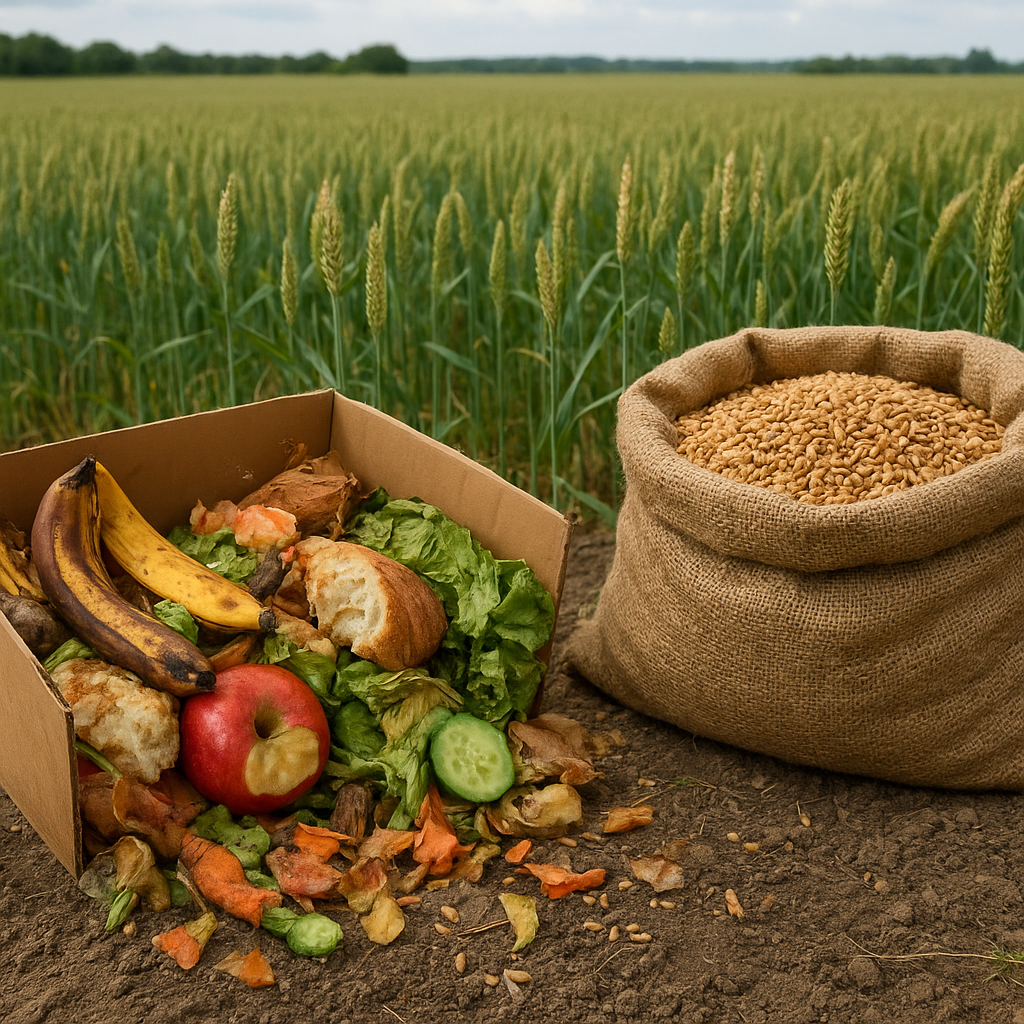
- Closed-Loop Approaches: Utilizing by-products and food scraps in animal feed, composting, or bioenergy generation to recover nutrients and reduce landfill volumes.
Harnessing Resilience and Collaboration
Building a resilient agricultural network demands strengthened partnerships among farmers, processors, distributors, and governments. Shared platforms for real-time data exchange can identify risk hotspots and streamline interventions, fostering collective ownership of waste reduction goals.
Innovation in Nutrition Preservation
Advances in packaging materials and food science offer new avenues to prolong freshness and nutrient retention. Edible coatings, modified-atmosphere packaging, and intelligent sensors provide actionable insights into product quality, enabling timely redistribution or processing before perishability sets in.