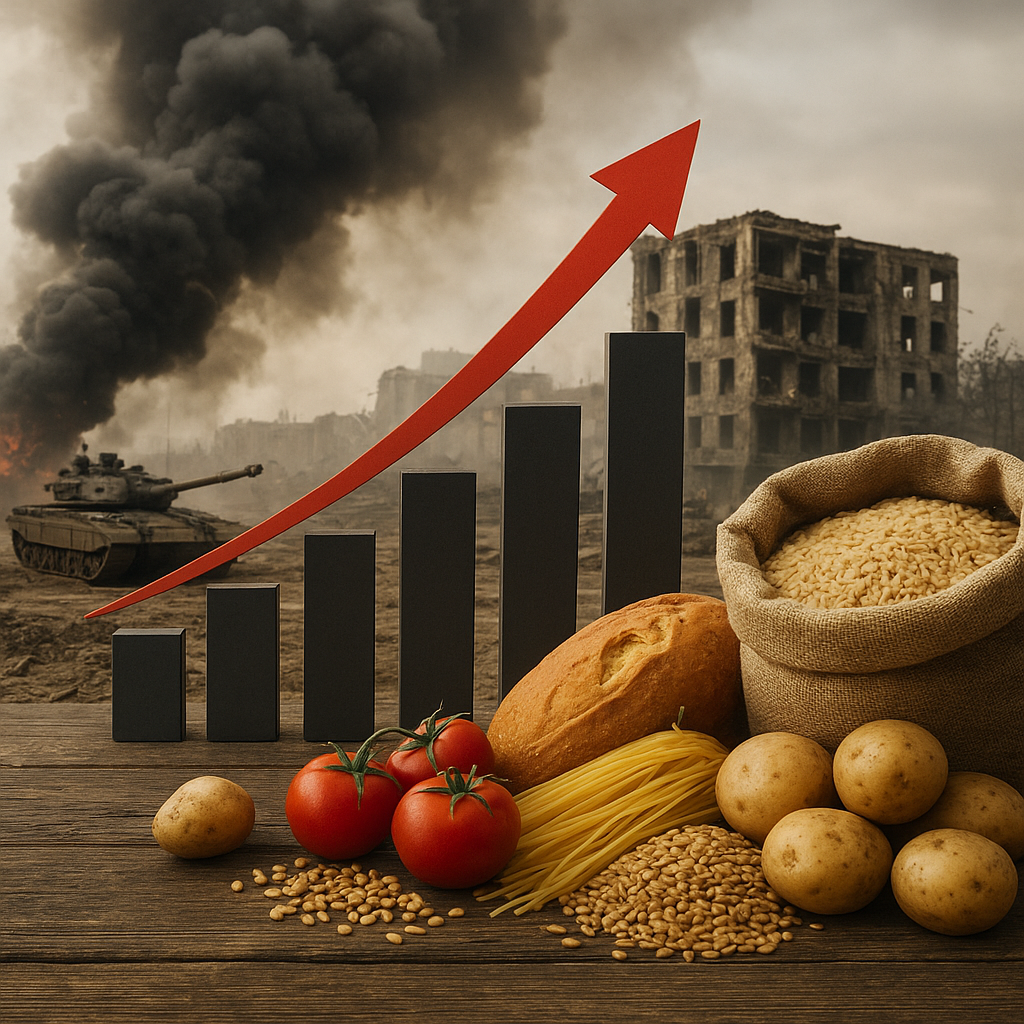
The intricate relationship between armed conflicts and food markets has gained increasing attention from policymakers, economists, and agricultural producers. This article delves into how military tensions disrupt global trade flows, alter pricing mechanisms, and reshape long-term investment decisions. By examining case studies, economic models, and industry responses, we illustrate the multifaceted impact of unrest on both producers and consumers.
Geopolitical Tensions and Commodity Markets
In regions plagued by conflict, the export of staples such as wheat, corn, and oilseeds faces immediate obstacles. Major producers located in conflict zones often suspend operations, leading to sharp contractions in available volumes. Financial markets respond quickly: futures contracts trade at premiums as investors price in potential shortages. Heightened market volatility becomes the norm, and trading desks adjust margin requirements accordingly.
Energy Prices and Agricultural Inputs
Rising oil and natural gas costs directly translate into higher expenses for fertilizers, pesticides, and fuel for farm machinery. Energy‐intensive processes—like nitrogen fixation in urea production—become more expensive. As a result, farmers may reduce application rates, thereby lowering crop yields. This chain reaction amplifies global inflationary pressures in food baskets, particularly in import-dependent nations.
Speculation and Price Discovery
When supply remains uncertain, speculative capital floods commodity exchanges. High‐frequency trading algorithms chase price swings, further exacerbating short-term spikes. While speculation can provide liquidity, it also distorts price discovery, making it harder for actual end-users to hedge effectively. In some instances, countries impose export restrictions to tame domestic prices, inadvertently deepening shortages elsewhere.
Supply Chain Disruptions and Agricultural Trade
Conflict zones often overlap with critical transport corridors—port cities, rail hubs, and river terminals. The destruction or closure of these nodes creates severe fragmentation of the global supply chain. Even if grains are harvested successfully, delivering them to world markets becomes a logistical nightmare.
- Logistics bottlenecks: Blocked ports force rerouting via longer sea lanes, increasing shipping costs and transit times.
- Infrastructure damage: Bombing of storage facilities can cause post-harvest losses up to 30% in certain areas.
- Insurance premiums: Ships calling at high-risk zones face elevated war risk surcharges, translating into higher freight rates.
- Border closures: Neighboring nations often tighten customs inspections, delaying truck convoys and driving up per-unit transport costs.
These disruptions create ripple effects. For instance, grain exporters in unaffected regions may struggle to fill the void swiftly due to limited stockpiles or contractual obligations. Meanwhile, importers facing lean inventories enter into rushed tenders, sometimes paying double the usual price to secure immediate deliveries.
Economic Sanctions and Price Volatility
Sanctions imposed on agricultural exporters or transit states can be particularly damaging. When financial channels are cut, payment delays ensue, and banks require enhanced due-diligence measures. Traders operating in sanctioned jurisdictions often resort to barter agreements or third-party intermediaries, increasing transaction costs and opacity.
Impact on Grain Exports
Countries under sanctions lose access to international financing tools like letters of credit. Consequently, they may default on existing contracts, triggering force majeure clauses and weighty insurance claims. This uncertainty further robs global markets of reliable grain exports, deepening supply shortfalls.
Policy Responses and Tariff Adjustments
Governments may respond by adjusting import tariffs, subsidies, or strategic reserves. While these measures aim to shield domestic consumers, they can ignite trade disputes and retaliatory measures. In worst‐case scenarios, nations erect non-tariff barriers—such as phytosanitary inspections—to limit competitors’ access, undermining multilateral trade frameworks.
Risk Management Strategies and Future Outlook
Stakeholders across the value chain deploy diverse tactics to cushion against conflict-induced shocks. Grain buyers negotiate flexible contracts with volume adjustments, while farmers diversify crop portfolios to reduce dependence on a single market. Financial instruments such as options and weather derivatives gain traction as firms seek to hedge multiple risk factors simultaneously.
- Building diversified sourcing networks across continents.
- Investing in digital traceability to verify origin and quality.
- Collaborating in public‐private partnerships to strengthen resilience.
- Expanding regional buffer stocks to stabilize local prices.
Looking ahead, technological innovations—such as precision agriculture and alternative proteins—offer avenues for enhanced resilience. However, the underlying geopolitical climate remains the most significant determinant of global food dynamics. International cooperation, continued dialogue in trade forums, and robust early warning systems for food security will be crucial in mitigating the adverse effects of future crises.