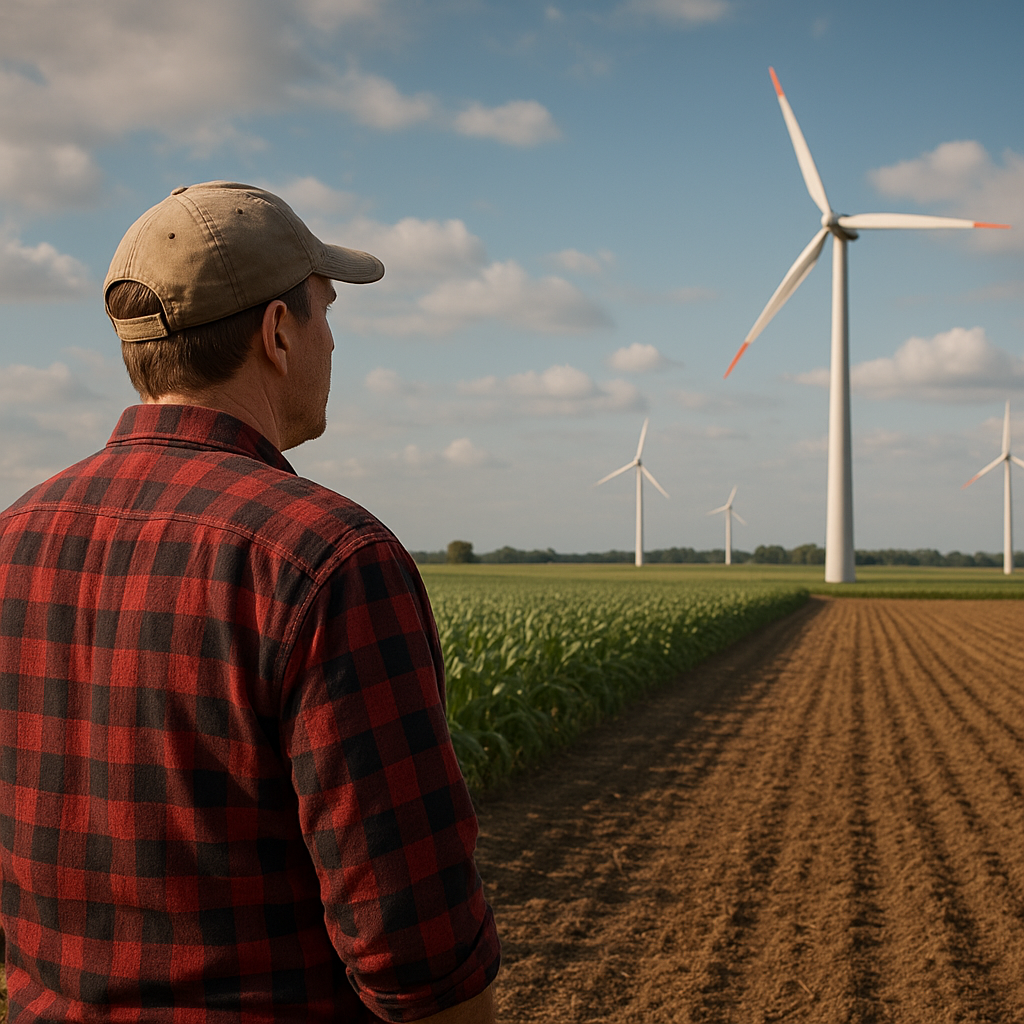
The transition to cleaner power sources is reshaping the agricultural landscape around the world. As governments and supranational bodies implement renewable energy targets, farmers must navigate a complex web of incentives, regulations and market changes. This article explores how green energy policies influence farming operations, examines the challenges producers face and highlights strategic responses that can turn potential disruptions into growth pathways.
Global Policy Frameworks Driving Change
International accords and national directives set the stage for energy transformation. Programs such as the European Green Deal, the United States’ Inflation Reduction Act and various Asian decarbonization roadmaps impose ambitious renewable energy quotas. These policies often incorporate agriculture through bioenergy mandates, carbon pricing schemes and land-use regulations. By placing a premium on low-carbon solutions, policymakers aim to reduce greenhouse gas emissions while securing energy independence.
Bioenergy and Carbon Markets
Bioenergy crops—such as switchgrass, miscanthus and energy maize—have become eligible for subsidies under many national schemes. In parallel, emerging carbon markets offer payments for soil carbon sequestration, encouraging conservation tillage and agroforestry systems. Farmers who adopt these practices may generate carbon credits, creating new revenue streams. However, participation requires:
- Rigorous monitoring and reporting to national registries
- Understanding of measurement methodologies
- Upfront investment in infrastructure and training
Land-Use Regulations
Green policies sometimes restrict the conversion of natural habitats to agriculture, aiming to preserve biodiversity. While these rules protect ecosystems, they can also limit expansion for producers seeking to increase scale. Compliance often involves adopting buffer zones, restoring hedgerows or maintaining wetlands. For smallholders, the administrative burden may be substantial, yet the long-term benefits include:
- Improved soil health and water retention
- Enhanced wildlife corridors
- Eligibility for ecosystem service payments
Operational Impacts on Farmers
Green energy mandates create a ripple effect through farm operations. From fuel usage to land tenure, producers must assess both direct and indirect impacts on profitability, logistics and labor.
Energy Costs and Supply Stability
As grids absorb higher shares of intermittent sustainable sources like solar and wind, electricity prices can fluctuate. Farmers operating energy-intensive facilities—dairy parlors, cold storage warehouses or greenhouse vents—face unpredictability in their bills. To mitigate these risks, many adopt on-farm generation systems:
- Solar photovoltaic arrays on rooftops or fallow land
- Biogas digesters processing manure or crop residues
- Small-scale wind turbines where wind regimes permit
Such installations can lower operating expenses, but they require careful planning, grid interconnection studies and capital outlays. Leasing equipment or entering power purchase agreements (PPAs) may ease upfront costs, though farmers must still navigate contract terms and regulatory approval processes.
Land Competition and Contract Farming
The rise of utility-scale solar and wind projects has spurred interest in farmland lease agreements. Landowners may find offers for solar ground leases more lucrative than traditional crop rentals. This dynamic can alter local land markets and reshape community norms around land use. Producers must weigh factors such as:
- Long-term lease commitments versus annual crop rotation flexibility
- Potential soil compaction from construction activities
- Loss of prime acreage for food production
Balancing investment returns against the core mission of feeding consumers presents both an economic and moral dilemma for many farm families.
Supply Chain and Market Access
Green energy policies also influence commodity markets. Biofuel blending mandates drive demand for feedstocks like soybeans and corn, potentially raising local prices. Conversely, solar panels require rare earth minerals, fostering mining activities in agricultural regions and affecting water resources. Farmers may find new customers in renewable energy firms but must stay informed about changing quality standards, certification requirements and traceability protocols.
Adaptation Strategies and Opportunities
Despite challenges, farmers can leverage green energy transitions to enhance resilience and open new profit centers. Success hinges on proactive planning, collaboration and adoption of emerging technologies.
Integration of Agri-Voltaics
Combining solar arrays with crop production—known as agri-voltaics—enables dual land use. Panels provide shade that can reduce heat stress on sensitive crops, while underlying plots still yield harvests. Early trials report benefits including:
- Lower irrigation needs due to reduced evapotranspiration
- Extended growing seasons in arid zones
- Additional revenue from electricity generation
Farmers must optimize panel height, spacing and orientation to suit their specific agronomic context.
Precision Agriculture and Data Analytics
Advanced monitoring tools—drones, soil sensors, satellite imagery—drive innovation in resource management. By tracking energy usage and crop performance in real time, producers can:
- Adjust irrigation schedules to conserve water
- Apply variable-rate fertilization, lowering input costs
- Predict yield outcomes and plan energy needs accordingly
These technologies also generate data required for compliance with regulatory schemes and carbon credit programs, reducing administrative burdens.
Collaborative Models and Financial Mechanisms
Cooperatives and consortiums allow small and mid-sized farms to pool resources for large renewable installations. Shared ownership reduces individual risk and unlocks economies of scale in:
- Equipment procurement
- Grid interconnection fees
- Compliance reporting
Moreover, green bonds, impact investment funds and public–private partnerships offer alternative financing avenues. Farmers who demonstrate strong resilience and sustainability metrics may secure lower-cost capital, accelerating their energy transition.
Skill Development and Extension Services
Access to education and technical assistance is critical. Extension services, industry associations and non-governmental organizations provide workshops on renewable energy installations, regulatory navigation and business planning. Building human capital fosters local expertise, ensuring that communities—not just external developers—benefit from the green energy boom.