Breakthroughs in robotics are reshaping the way farmers manage fields, optimize resources and improve overall output. The integration of advanced machines into the agriculture industry is creating a paradigm shift as producers strive to meet rising global demand. From automated planters to intelligent harvesters, cutting-edge solutions are delivering unprecedented levels of efficiency while promoting sustainability. This article explores how robotics is revolutionizing crop production, driving innovation, influencing the global market and addressing the challenges that lie ahead.
Transforming Crop Production with Robotics
Mass deployment of robotic systems in fields has redefined traditional practices. Autonomous tractors and self-guided planters now handle repetitive tasks that once required large labor forces. Equipped with GPS navigation and vision-based guidance, these machines achieve planting accuracies within millimeters—minimizing seed overlap and maximizing yields. Key benefits include:
- Reduced labor costs through continuous, 24/7 operation.
- Optimized input usage—soil, water and fertilizers—via precise placement.
- Enhanced consistency in seeding depth and spacing.
- Lowered environmental footprint by limiting chemical runoff.
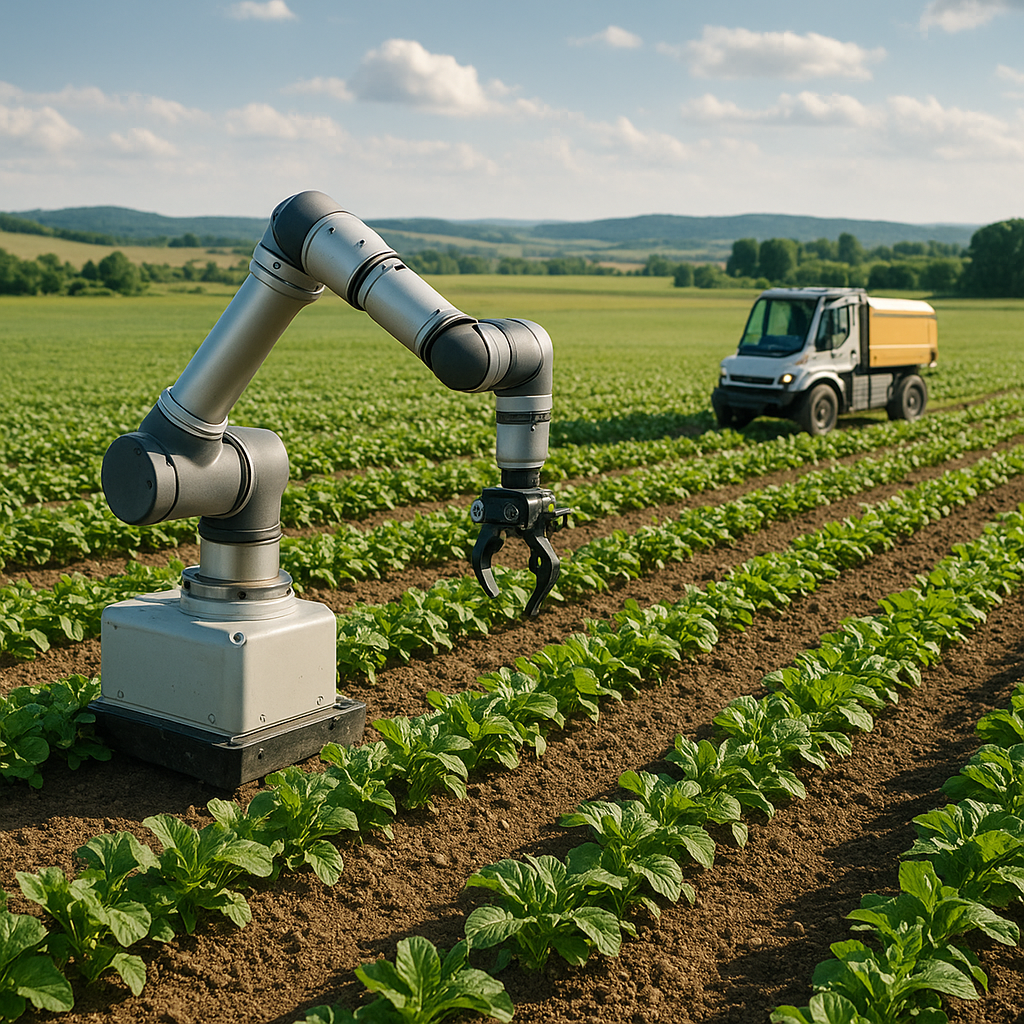
Robotic harvesters have similarly advanced. Using mechanical arms and machine vision, they identify ripe fruits and vegetables, then gently pick them without bruise or waste. For high-value crops such as berries, tomatoes or peppers, this transition has increased harvest speed by up to 40% while delivering better product quality for consumers and processors alike.
Driving Efficiency through Technological Innovations
Behind every agricultural robot lies a network of sophisticated components that work together to deliver autonomous operation. Key areas of innovation include:
- AI and machine learning algorithms that enable real-time decision making in variable field conditions.
- Advanced sensors—including LiDAR, multispectral cameras and soil probes—that collect vast data streams on crop health and soil moisture.
- Edge computing devices that process information on-board, reducing the need for continuous connectivity and enabling rapid response.
Precision Agriculture and Data Analytics
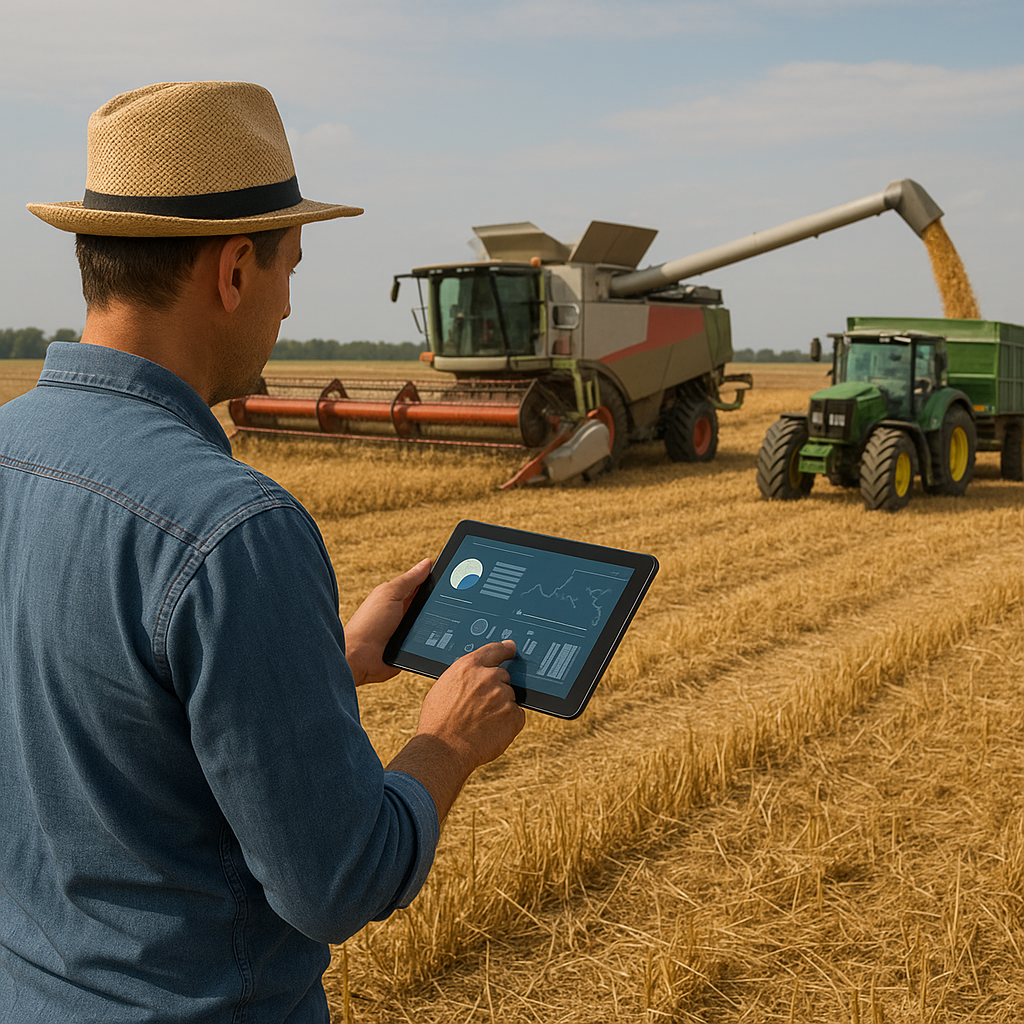
Precision agriculture is powered by data. Drones and ground robots survey fields, generating high-resolution maps of nutrient levels, weed infestations and pest pressures. These maps feed into cloud-based platforms where predictive analytics identify areas needing targeted intervention. Farmers can then deploy spot treatments using robotic sprayers, cutting chemical use by up to 70%. This not only lowers input expenses but also safeguards ecosystems.
The convergence of robotics and automation extends beyond fieldwork. Post-harvest processes—sorting, grading and packaging—are increasingly managed by robotic lines in modern packing facilities. Automated conveyor systems equipped with image recognition software classify produce based on color, size and defect patterns, ensuring consistent quality control and reducing human error.
Global Market Expansion and Investment Dynamics
The worldwide market for agricultural robotics has grown exponentially, with a compound annual growth rate (CAGR) surpassing 20% over the past five years. Major factors driving this expansion include:
- Rising labor shortages in developed economies, pushing farmers toward machine-driven solutions.
- Government incentives and subsidies in regions seeking to boost food security and sustainability.
- Significant venture capital inflows into agtech startups experimenting with novel robotic designs.
- Partnerships between legacy farm equipment manufacturers and technology firms, accelerating product commercialization.
North America remains a leading adopter, thanks to expansive farms and robust technology infrastructure. Meanwhile, Asia-Pacific markets—particularly in China, Japan and Australia—are quickly embracing robotics to address labor constraints and meet domestic food demands. In emerging economies, pilot projects funded by international development agencies demonstrate promising returns on investment, encouraging broader rollout.
Overcoming Challenges and Charting a Sustainable Path
Despite impressive gains, several obstacles must be addressed before robotics can become ubiquitous on farms of all scales. High upfront costs continue to deter smallholders, while interoperability issues hinder smooth integration with existing machinery. Moreover, deployment in rugged or densely planted regions requires further refinement of mobility platforms to navigate uneven terrain and complex canopies.
Research institutions and private firms are collaborating to develop modular, affordable robotics kits that can be customized for local crop types and field sizes. Open-source software frameworks are emerging to standardize communication protocols, enabling robots from different manufacturers to work in concert. Training programs are equipping the next generation of agronomists and technicians with skills in robotics maintenance, programming and data analysis.
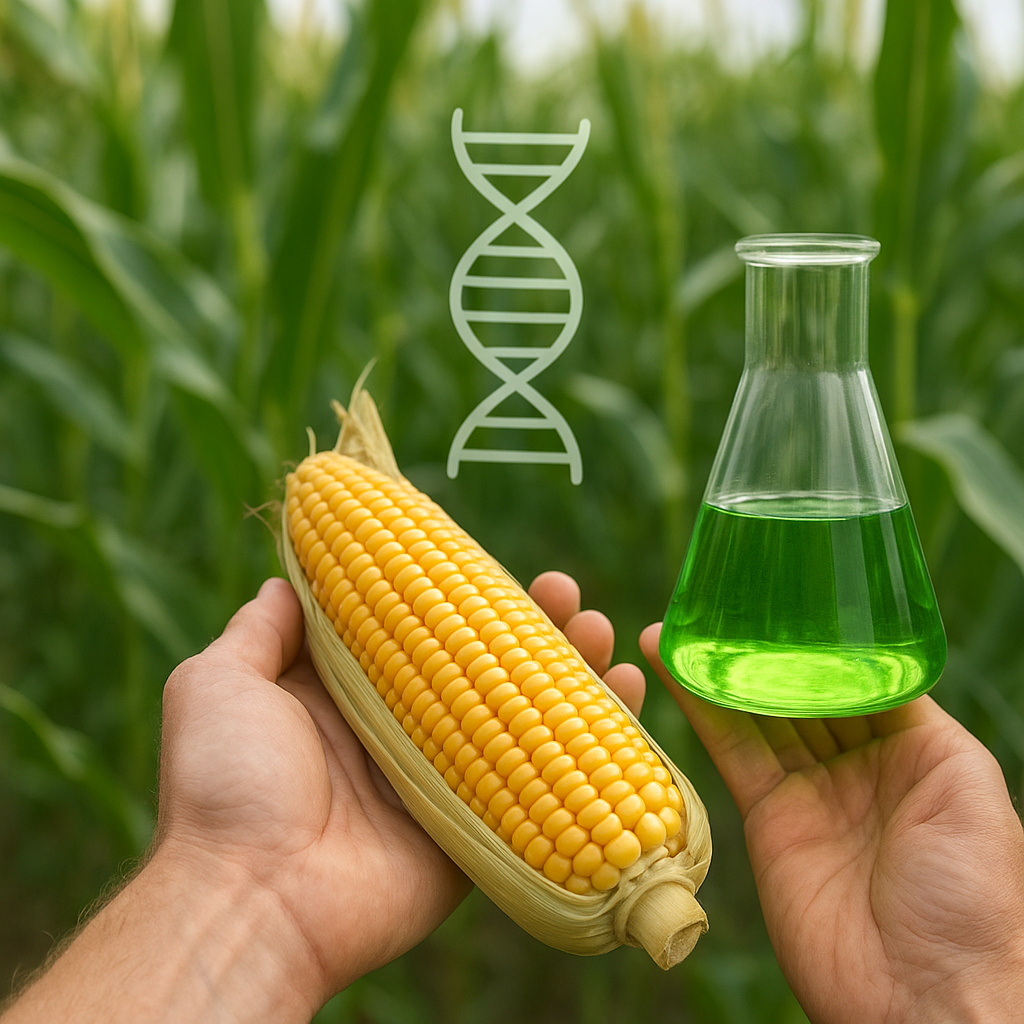
Looking ahead, the synergy between robotics and emerging fields such as synthetic biology or vertical farming promises new breeding techniques and automated greenhouse management systems. As global food demand continues to rise, the synergy between innovation, policy support and sustainable practices will determine how effectively robotics transforms the agriculture ecosystem for decades to come.