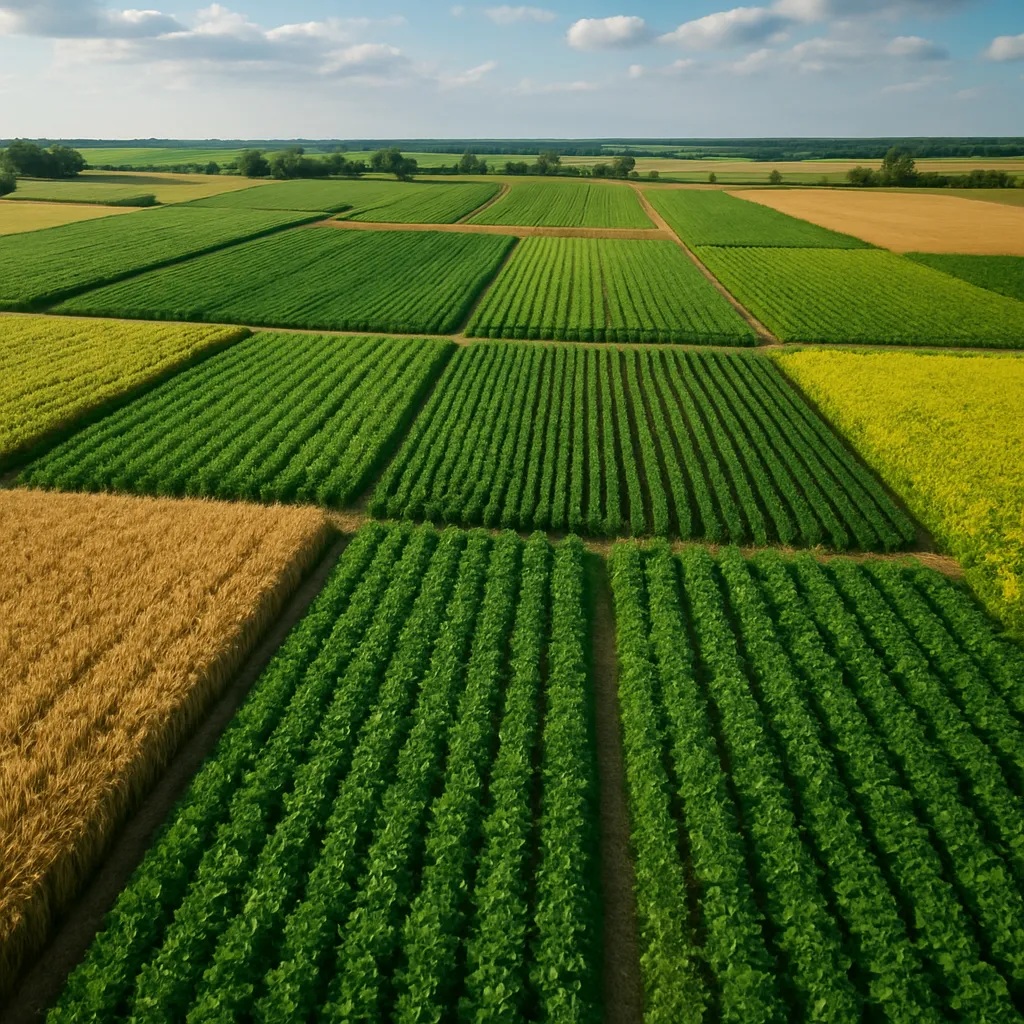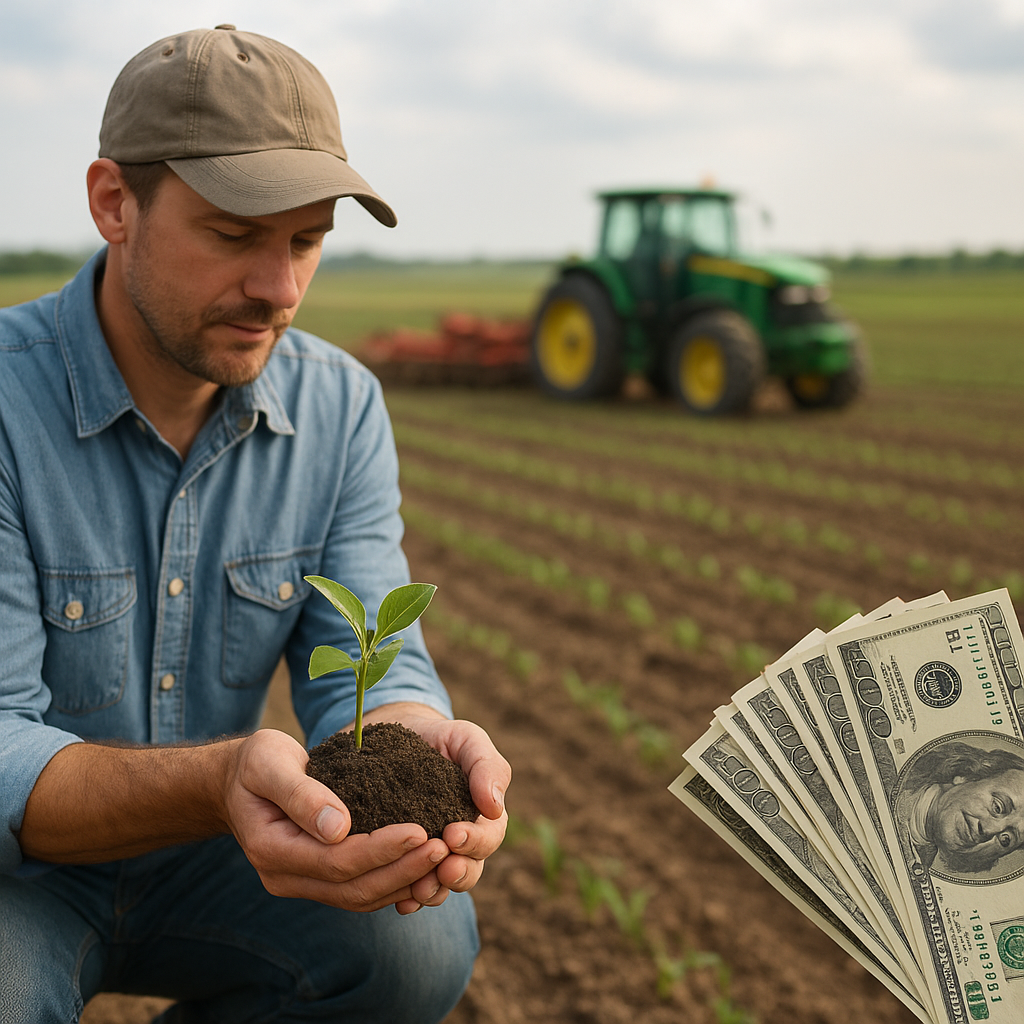
The global agricultural sector stands at the crossroads of transformation, driven by mounting environmental pressures, evolving consumer demands, and the relentless pursuit of profitability. As stakeholders seek ways to harmonize productivity with ecological balance, the rise of sustainable finance emerges as a vital catalyst. By channeling targeted investment into eco-friendly practices, green technologies, and community-based programs, financial institutions are reshaping the contours of modern agriculture. This article explores how innovative funding mechanisms, regulatory frameworks, and collaborative models coalesce to forge a more resilient global food system.
The Intersection of Sustainable Finance and Agriculture
In recent years, the agricultural sector has absorbed growing attention from investors and policymakers eager to reconcile food production with environmental stewardship. Traditional lending models, often risk-averse and centered around short-term yields, are giving way to structures that reward long-term gains in biodiversity, soil health, and reduced greenhouse gases. Green bonds, sustainability-linked loans, and blended finance vehicles are being tailored to the unique temporal scales of farming cycles, creating a new paradigm where profitability and ecological integrity are mutually reinforcing.
- Green Bonds: Issued by governments, agribusinesses, or financial institutions, these fixed-income instruments allocate capital to projects that deliver measurable environmental benefits, from water conservation systems to regenerative agriculture initiatives.
- Sustainability-Linked Loans: Borrowers commit to achieving predefined environmental or social targets—such as reducing carbon footprints—while lenders adjust interest rates based on performance, incentivizing continuous improvement.
- Blended Finance: Combines public and philanthropic funds with private capital, de-risking innovative solutions in underserved regions and mobilizing resources for smallholder support, agroforestry, and climate-smart farming.
These mechanisms underscore the importance of integrating ESG (Environmental, Social, and Governance) metrics into financial decision-making. Accuracy in data collection and transparent reporting are essential to attract investors and maintain accountability. Digital platforms leveraging remote sensing, blockchain, and AI are making it possible to track soil health, water use efficiency, and carbon sequestration in real time, ensuring that funds are deployed where they generate the greatest impact.
Innovations Driving Change
Technological advancements are pivotal in unlocking new opportunities for sustainable agriculture. From precision farming to climate risk analytics, innovation is at the heart of improving yields while safeguarding ecosystems.
Precision Farming and Smart Irrigation
Precision agriculture harnesses GPS, IoT sensors, and data analytics to optimize resource allocation—fertilizers, pesticides, and water—reducing waste and environmental stress. Smart irrigation systems, for instance, adjust water application based on soil moisture readings and weather forecasts, thereby curbing over-irrigation and preserving freshwater reserves.
Climate Risk Analytics
Insurers and lenders are increasingly using predictive models to evaluate a farm’s exposure to drought, floods, or pest outbreaks. By quantifying risks, they can structure customized insurance products and loan terms that encourage farmers to adopt adaptive practices, such as cover cropping or agroforestry, which bolster resilience against extreme weather events.
Digital Marketplaces and Supply Chain Transparency
Blockchain-enabled platforms provide end-to-end traceability, linking consumers to farm gates. By verifying the origin of produce, these systems enhance trust, reduce fraud, and allow premium pricing for sustainably grown commodities. Suppliers meeting rigorous sustainability standards can access new markets, while financial institutions gain confidence in channeling funds toward verified green practices.
Challenges and Regulatory Landscapes
Despite the momentum, several hurdles impede the seamless integration of sustainable finance into agriculture. Fragmented policy environments, limited access to credit for smallholders, and discrepancies in standards pose significant challenges.
- Policy Fragmentation: Differing environmental regulations across jurisdictions create complexity for multinational agribusinesses. Uniform guidelines are needed to streamline reporting and compliance, reducing administrative burdens and fostering cross-border cooperation.
- Access to Capital: Small and medium-scale farmers often lack collateral or documented credit histories, making it difficult to secure loans. Microfinance initiatives, guarantee schemes, and specialized rural finance products are essential to bridge this gap.
- Standardization of Metrics: The absence of universally accepted benchmarks for measuring sustainability performance complicates investment decisions. Efforts by international bodies to harmonize indicators—covering water usage, carbon emissions, and soil health—will be critical to scaling impact finance.
Governments and multilateral organizations play a pivotal role in shaping the regulatory landscape. Subsidies for cover crops, tax incentives for green investments, and mandatory climate risk disclosures can accelerate the flow of capital toward sustainable agricultural projects. Meanwhile, public-private partnerships leverage technical expertise and financial acumen to implement large-scale programs, such as watershed restoration or soil carbon enhancement.
Future Prospects and Emerging Trends
As the agriculture sector grapples with the twin imperatives of feeding a growing population and mitigating environmental degradation, the role of sustainable finance will only intensify. Several emerging trends promise to redefine the market dynamics.
- Impact Investing: Investors increasingly seek not only financial returns but also measurable social and environmental outcomes. Impact funds concentrated on regenerative agriculture and circular food systems are attracting capital from diverse sources, including sovereign wealth funds and family offices.
- Carbon Markets in Farming: With growing recognition of the carbon sequestration potential of soils and trees, agricultural producers can participate in voluntary and compliance carbon markets. Monetizing reductions in carbon footprint incentivizes climate-smart practices like no-till farming and agroecology.
- Regenerative Supply Chains: Major food processors and retailers are pledging to source ingredients exclusively from farms that meet regenerative standards, driving demand for ecosystem-friendly practices and creating premium channels for compliant producers.
- Digital Financial Services: Mobile banking, e-wallets, and blockchain-based smart contracts are lowering transaction costs and expanding reach. Farmers in remote regions can receive micropayments, access insurance, and obtain real-time credit approvals, democratizing financial inclusion.
In this evolving ecosystem, collaboration among stakeholders—farmers, financiers, policymakers, and technology providers—is indispensable. By aligning capital flows with sustainability goals, the global community can cultivate a more equitable and robust agricultural sector. The infusion of innovation and strategic funding into farming landscapes illuminates a pathway toward a thriving planet, where food security and environmental harmony grow hand in hand.