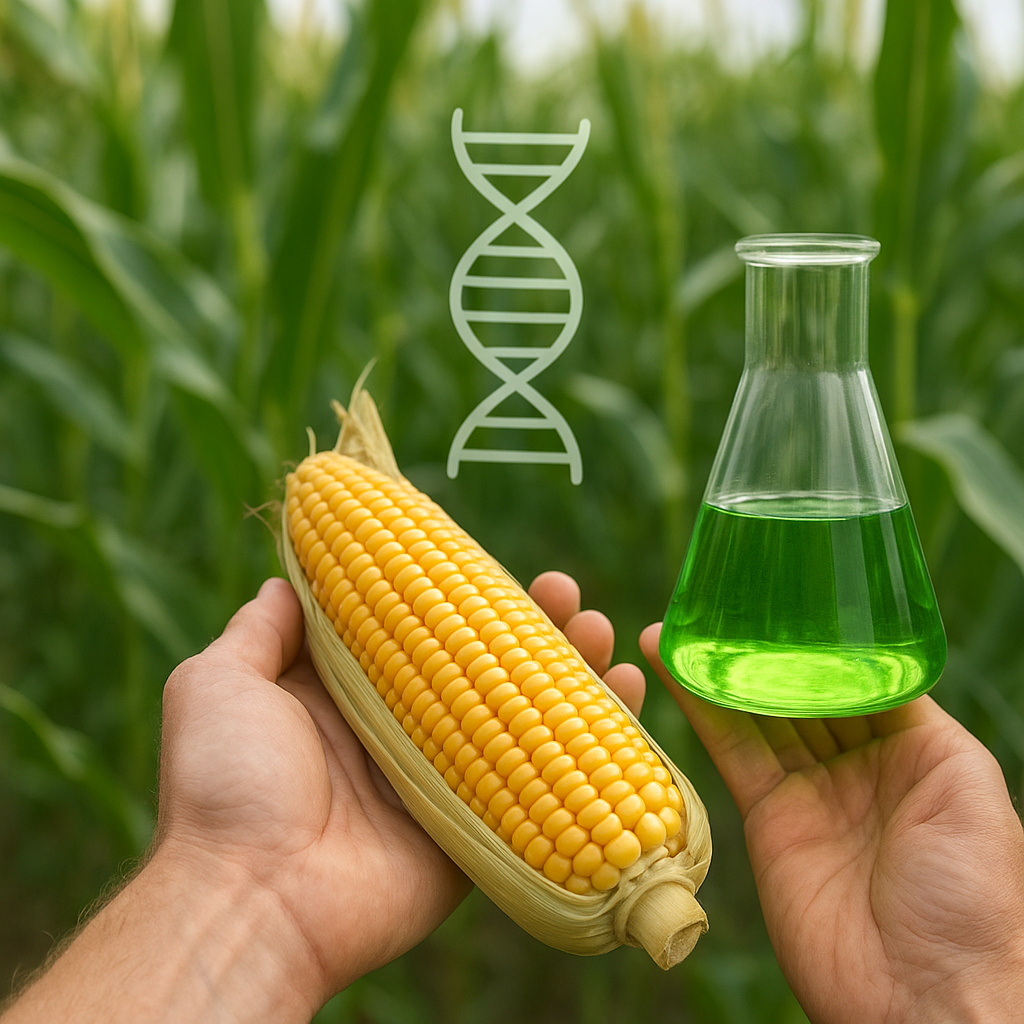
Climate change has become a defining force shaping modern agriculture, driving innovators and farmers to adopt cutting-edge tools that bolster productivity and protect fragile ecosystems. As the world’s population grows and weather patterns become more erratic, industry leaders are turning to technology to ensure food security and environmental stewardship across the global market. This article explores how state‐of‐the‐art solutions empower producers to optimize operations, reduce risk, and deliver sustainable yields in an ever‐changing climate.
Technological Innovations Driving Sustainable Farming
Farmers now have access to a broad arsenal of digital and mechanical systems designed to enhance resource efficiency and minimize environmental footprints. Central to this transformation is the convergence of real‐time monitoring and machine learning, which together unlock novel pathways for precision cultivation and soil conservation.
Data-Driven Insights
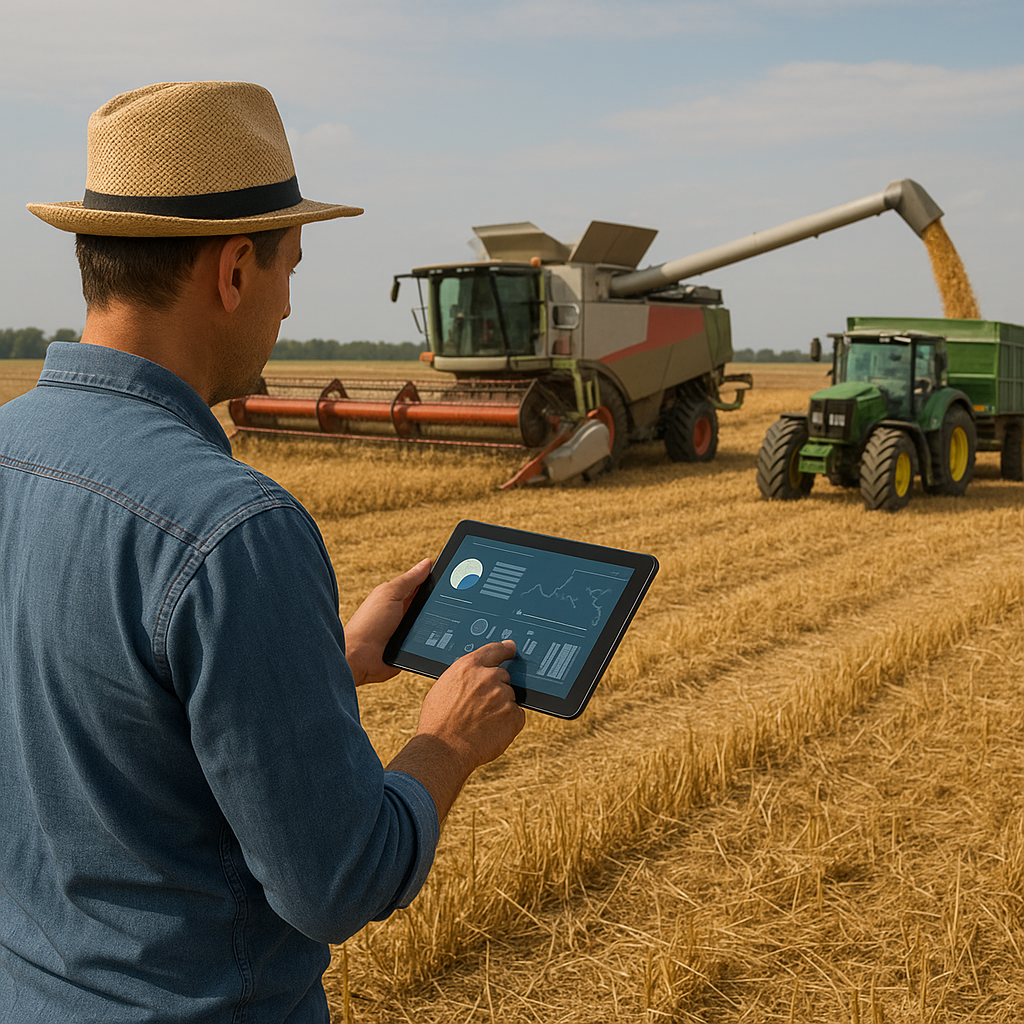
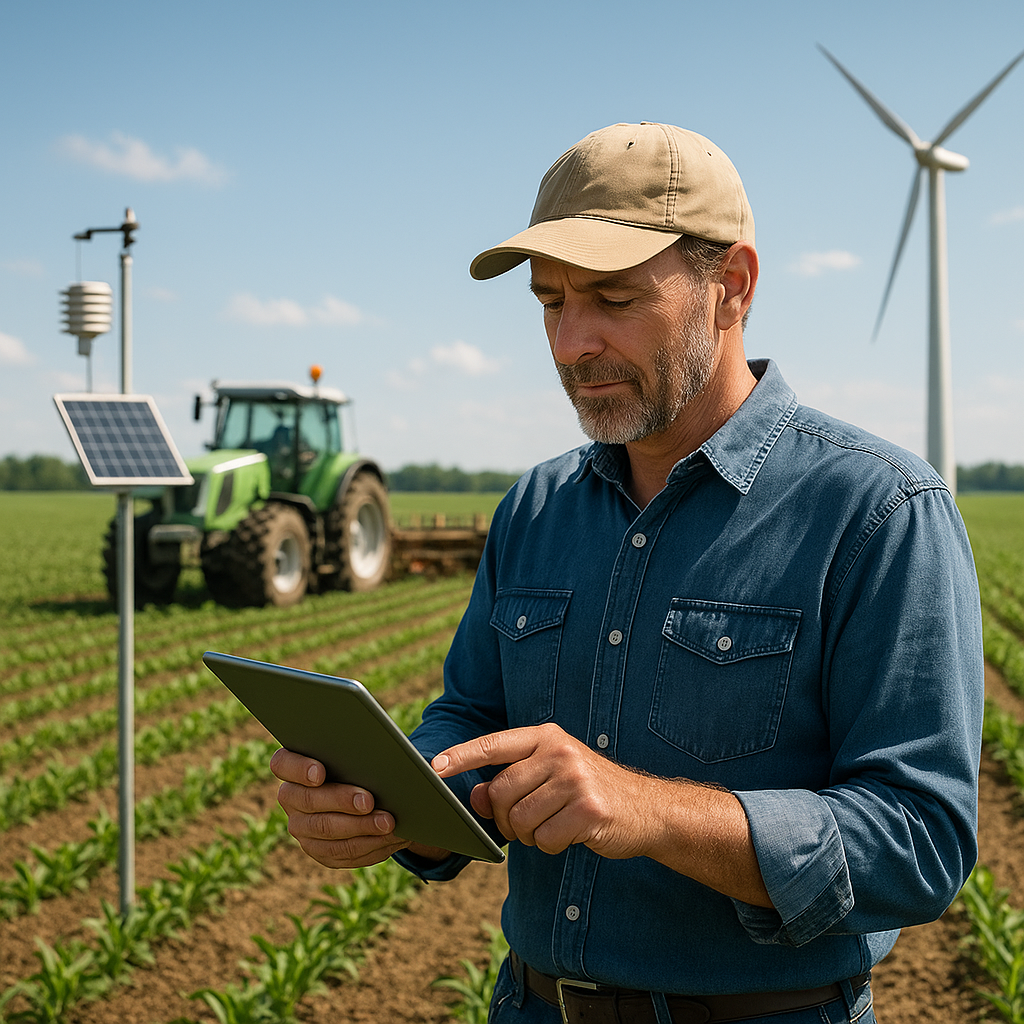
By deploying networks of sensors across fields, agricultural stakeholders collect granular data on moisture levels, nutrient concentrations, and crop health. These telemetry feeds integrate with advanced data analytics platforms, enabling growers to make informed decisions on irrigation, fertilization, and pest control schedules. Precise interventions not only cut costs but also curtail runoff and reduce greenhouse gas emissions linked to overapplication of agrochemicals.
Precision Agriculture Equipment
Innovations in precision agriculture encompass GPS‐guided tractors, robotic harvesters, and targeted sprayers that adjust input rates on the go. By leveraging auto‐steering technology and variable‐rate motors, modern implements optimize coverage and ensure fertilizers and pesticides are deployed only where needed. This shift toward micro‐management improves yields while upholding environmental commitments.
Autonomous Monitoring Platforms
Emerging solutions harness drones and satellite imaging to survey vast farmland expanses in minutes. Equipped with multispectral cameras, drones detect stress signals invisible to the naked eye, such as early signs of pest infestations or drought-induced wilting. Automated alerts allow agronomists to intervene promptly, reducing crop losses and preserving plant vigor.
- IoT‐connected soil probes measuring pH, salinity, and temperature in real time
- Machine‐learning models predicting yield outcomes based on historical trends
- Autonomous robots performing weeding tasks without herbicides
- Solar‐powered sensors transmitting data to cloud repositories
Impact on the Global Agriculture Market
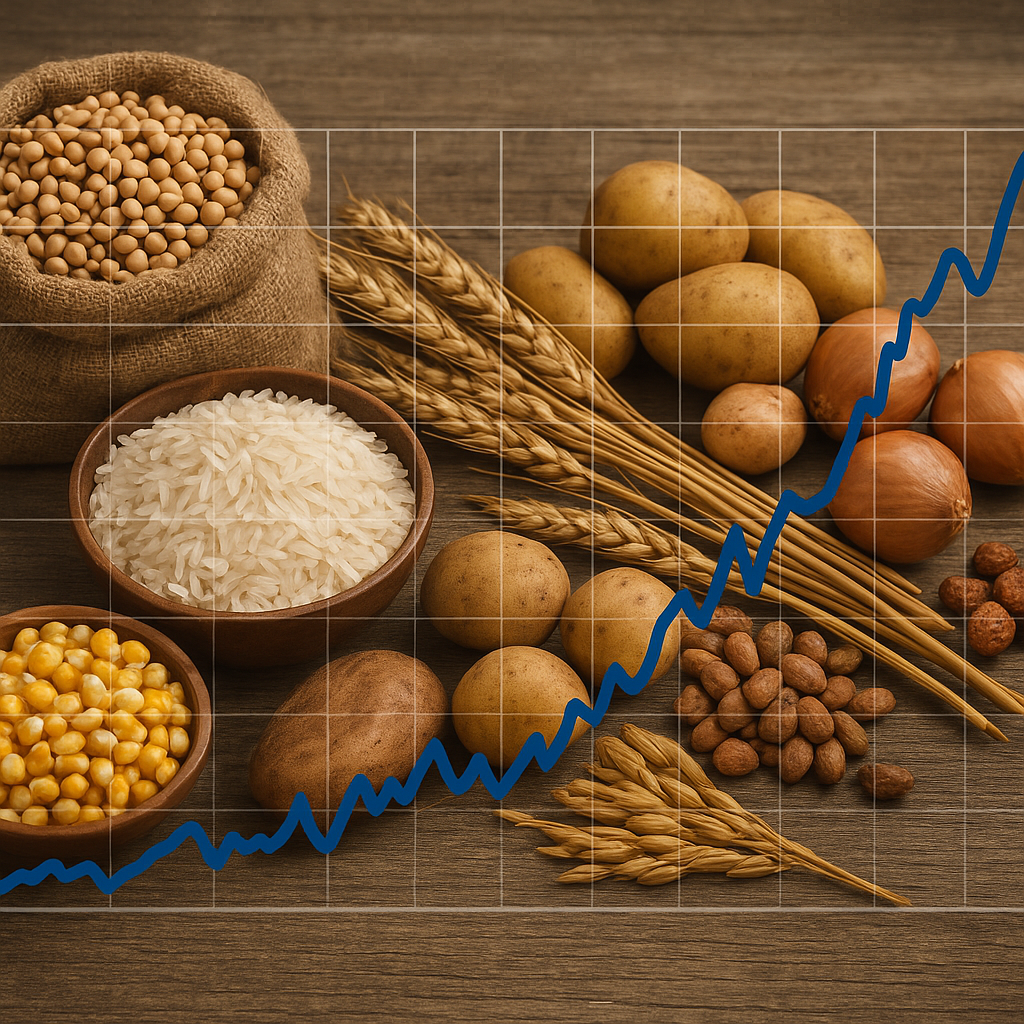
Digital transformation in agriculture not only amplifies farm‐level productivity but also reshapes supply chains and trade patterns worldwide. Tech‐savvy producers are increasingly able to meet stringent quality standards, secure traceability, and access premium markets that reward environmentally responsible practices.
Market Access and Certification
Traceability platforms built on distributed ledger frameworks—often leveraging blockchain technology—create immutable records for every batch of produce. Consumers and regulators can verify origin, cultivation methods, and transport conditions, fostering trust in imported goods. This transparency opens doors to export opportunities in regions with rigorous sustainability mandates.
Financial Instruments and Risk Management
Weather‐linked insurance products, parametric contracts, and digital lending platforms enable smallholders to hedge against extreme events such as floods or heatwaves. By analyzing meteorological data and crop performance, insurers can offer tailored premiums and faster payouts. Such mechanisms strengthen the resilience of vulnerable communities and encourage investment in adaptive agronomic practices.
Supply Chain Efficiency
End‐to‐end digitization slashes postharvest losses by optimizing logistics. Cold‐chain monitoring devices track temperature and humidity en route to processing facilities, reducing spoilage for perishable goods. Aggregators and cooperatives use predictive algorithms to synchronize harvest times with shipping capacities, ensuring produce arrives fresh and meeting global demand peaks at competitive prices.
Future Prospects and Challenges
While the promise of AgTech is substantial, scaling these innovations requires concerted efforts across public and private sectors. Infrastructure gaps, regulatory hurdles, and knowledge disparities pose formidable challenges, especially in regions where small farms predominate.
Bridging the Digital Divide
High‐speed connectivity is the backbone of modern farming solutions, yet many rural areas still suffer from limited broadband access. Public–private partnerships must drive network expansion and affordable service plans to ensure that all producers, regardless of size, can harness the power of AI‐driven decision support.
Policy Frameworks and Incentives
Governments worldwide are crafting subsidy schemes and tax credits to incentivize adoption of low‐carbon technologies. Regulatory clarity around data ownership, privacy, and cross‐border data flows will further encourage farmers and startups to innovate without fear of legal ambiguity.
Research and Collaboration
Continued investment in R&D will refine sensor accuracy, bolster algorithmic precision, and reduce equipment costs. Collaborative platforms that unite universities, agribusinesses, and non‐profits can accelerate field trials and promote best practices. Cutting‐edge research into drought‐tolerant crop varieties and vertical farming systems promises to complement digital tools in the fight against climate disruption.
Embracing these technologies heralds a new era in agriculture—one defined by efficiency, adaptability, and environmental responsibility. Farmers equipped with advanced instrumentation and predictive models stand a far better chance of thriving amid rising temperatures, erratic rainfall, and shifting pest pressures. By harnessing the synergy between innovation and tradition, the global market can deliver abundant, nutritious food while safeguarding the planet for generations to come.