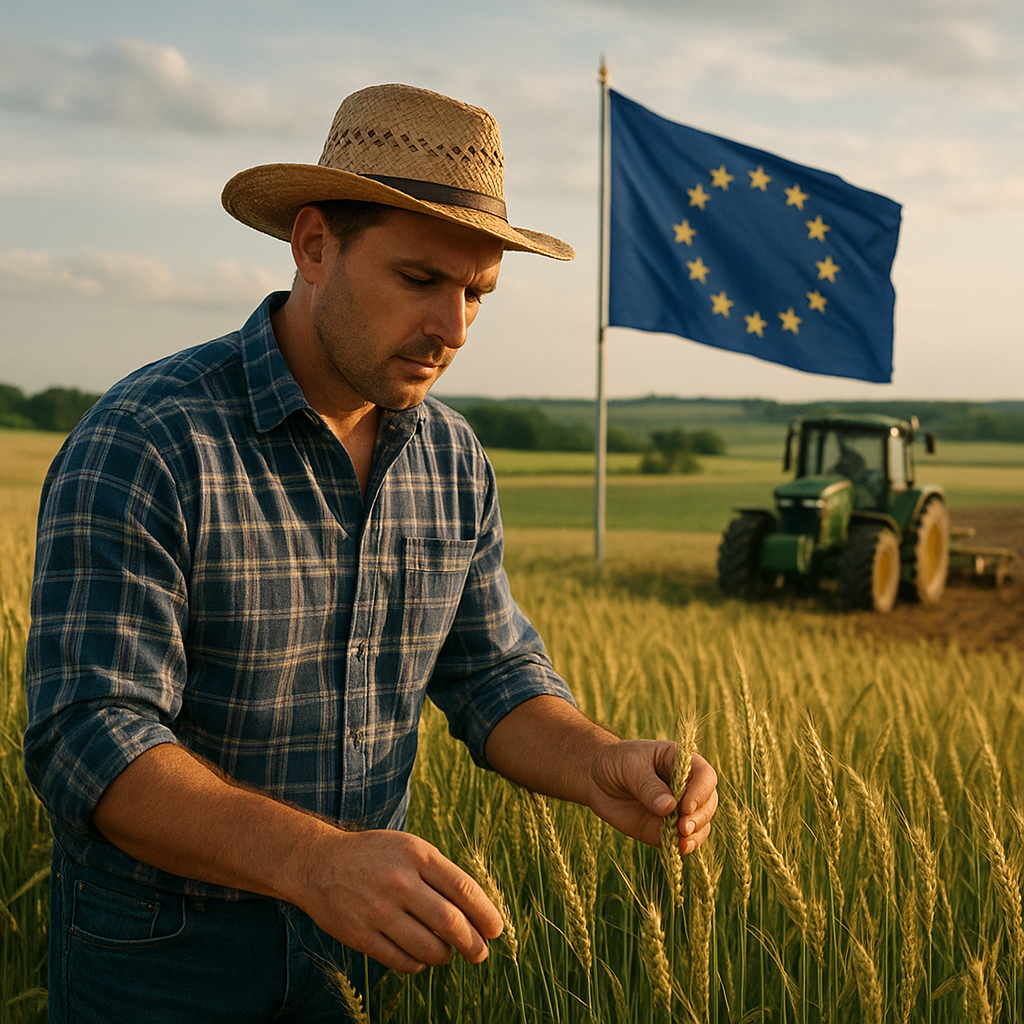
The European Union’s Green Deal represents one of the most ambitious policy packages aimed at transforming agricultural systems worldwide. By setting stringent targets for sustainability, climate neutrality, and resource efficiency, the Deal is reshaping not only EU member states’ farming practices but also global trade patterns, investment decisions, and innovation pathways. Farmers, exporters, and policymakers across all continents now face a paradigm shift as Europe redefines its approach to food production, environmental protection, and rural development. This article explores the multifaceted consequences of the Green Deal on the international agriculture market, highlighting emerging opportunities and challenges.
Accelerating Sustainable Practices in Farming
The Green Deal’s emphasis on environmental stewardship has triggered a wave of reforms aimed at reducing chemical inputs, enhancing soil health, and preserving valuable ecosystems. With the Farm to Fork Strategy at its core, the EU plans to slash pesticide use by 50% and fertilizer application by at least 20%. Such measures encourage farmers to adopt agroecological methods, crop diversification, and integrated pest management.
- Reduced chemical usage: Stricter regulations on synthetic pesticides are driving a shift towards biological alternatives.
- Soil health initiatives: Incentives for cover cropping and reduced tillage support carbon sequestration and nutrient cycling.
- Biodiversity enhancement: Buffers and habitat restoration projects aim to boost pollinators and wildlife resilience.
Beyond environmental goals, these changes bolster farm resilience against climatic shocks. As consumers increasingly demand traceability and greener products, producers align their operations with the EU’s zero-emission vision. This transformation also fosters collaboration between cooperatives, research institutes, and certification bodies, expanding the global market for sustainable inputs and best practices.
Market Adjustments and Trade Dynamics
Revisions to the Common Agricultural Policy (CAP) under the Green Deal framework alter subsidy schemes to favor eco-schemes and reward environmental performance. Consequently, non-EU exporters must comply with stricter entry requirements to access European markets. The introduction of mandatory carbon footprint labeling and deforestation-free supply chains will reverberate across global value chains.
Tariff and Non-Tariff Barriers
- Enhanced standards for pesticide residues and heavy metals raise production costs for exporters in developing economies.
- Traceability protocols and electronic documentation requirements create administrative burdens but also open opportunities for digital agri-tech providers.
- Potential border carbon adjustments may impose levies on imported food products based on embedded emissions, stimulating low-carbon agribusiness models worldwide.
At the same time, the EU’s commitment to bilateral trade agreements includes clauses on sustainable agriculture, impacting negotiations with major producers like Brazil, Argentina, and New Zealand. These deals increasingly hinge on adherence to biodiversity safeguards and social labor standards, aligning trade policy with environmental objectives. Firms that innovate to meet these criteria gain competitive advantages, while laggards risk market exclusion.
Technological Innovations and Research
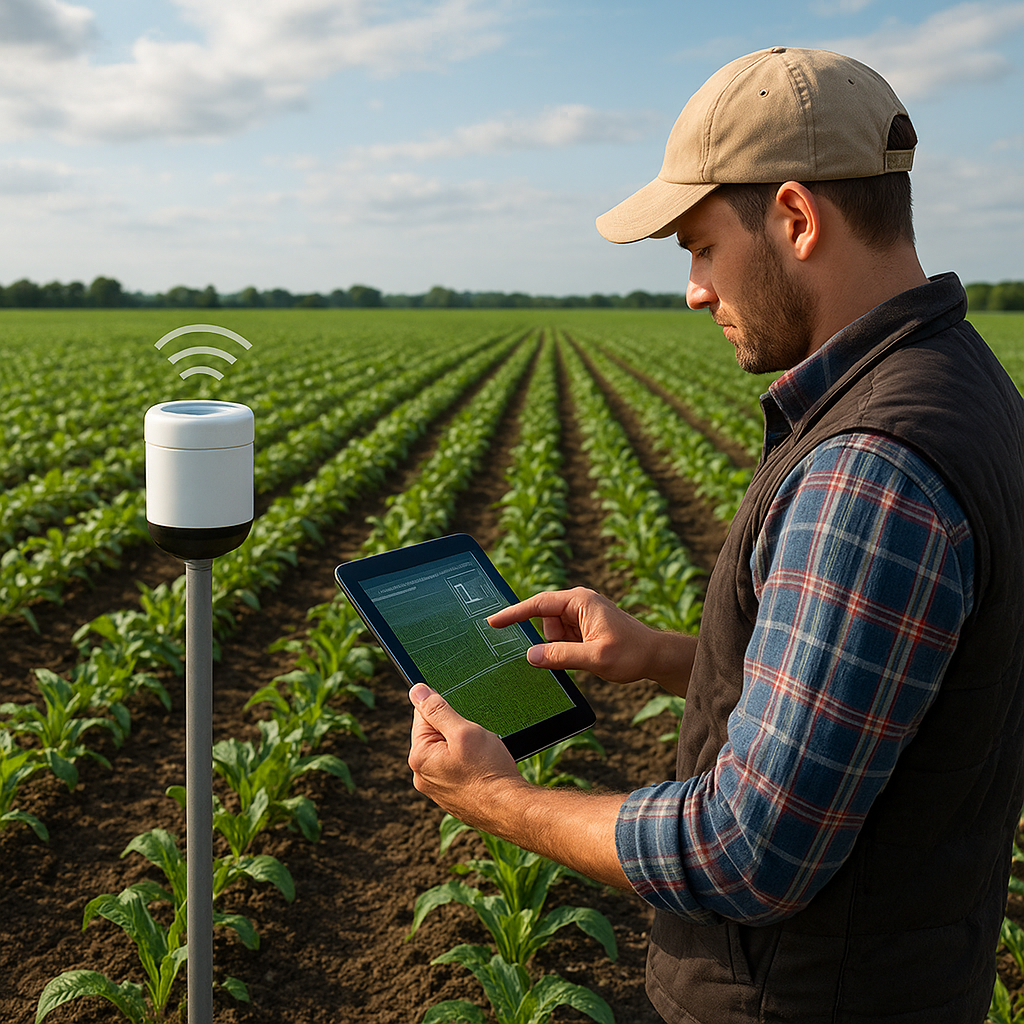
Under the Horizon Europe program, substantial funding is being channeled into cutting-edge research to drive the Green Deal’s ambitions. Priority areas include precision farming, bio-based alternatives, and digital tools enhancing decision-making. Sensors, drones, and satellite imagery provide real-time data on soil moisture, nutrient levels, and crop health, optimizing resource use and minimizing waste.
Emerging Solutions
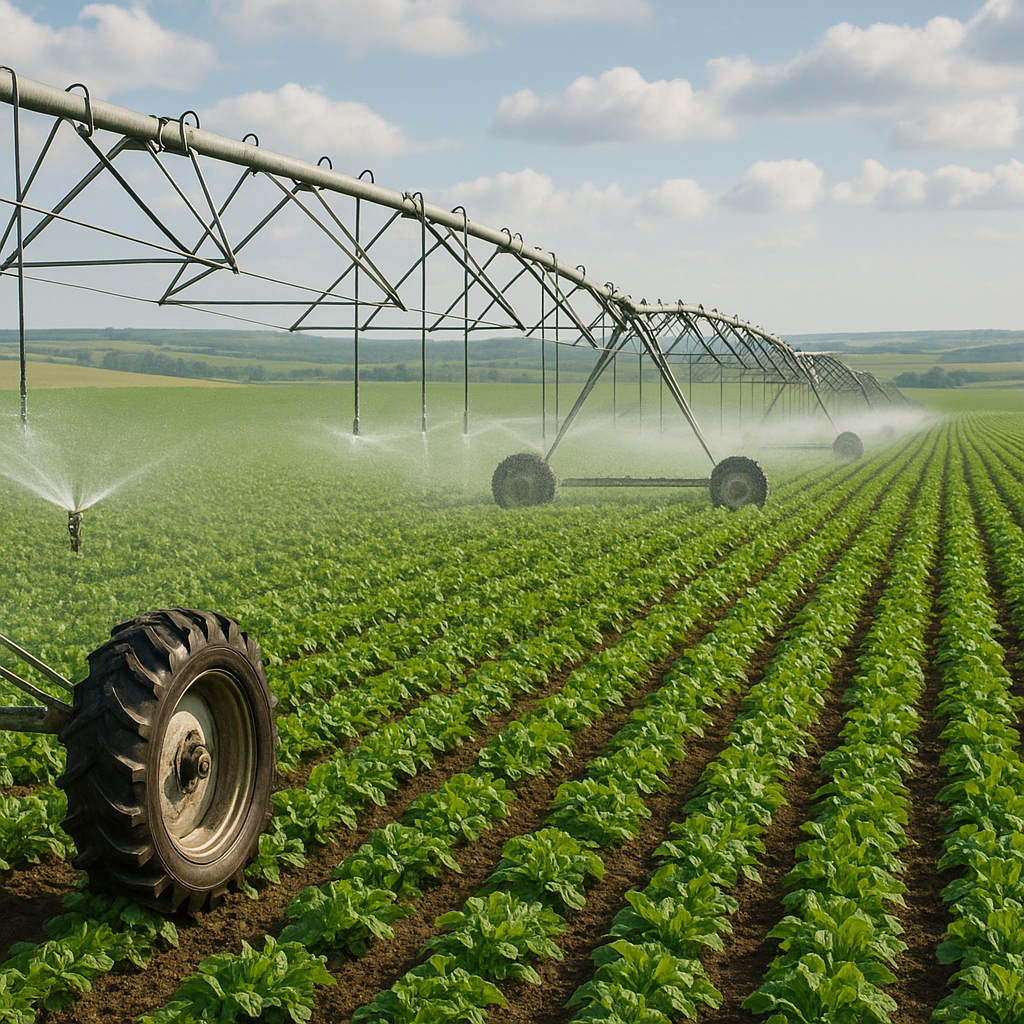
- Smart irrigation systems that reduce water consumption by up to 40% through AI-driven scheduling.
- Biofertilizers and biopesticides derived from microbial strains, decreasing reliance on petrochemical inputs.
- Blockchain-enabled supply chain platforms that ensure transparency and certify sustainable practices from farm gate to plate.
Global research consortia now collaborate on multi-environment trials to adapt innovations for tropical, arid, and temperate zones. These partnerships accelerate technology transfer and capacity building in regions vulnerable to climate pressures. By prioritizing innovation, the Green Deal catalyzes a virtuous cycle: sustainable solutions developed in Europe can be scaled internationally, benefiting farmers everywhere.
Challenges for Developing Countries
While the Green Deal offers new market niches, it also poses significant obstacles for low-income nations. Smallholder farmers may struggle to finance certification costs and technology upgrades required by EU import regulations. Additionally, competition for land and resources intensifies as bioenergy crops and carbon offset projects expand, potentially threatening food security in some regions.
- Access to finance: High interest rates and collateral demands hinder investments in sustainable infrastructure.
- Knowledge gaps: Limited extension services and technical support complicate adoption of organic and conservation agriculture methods.
- Policy misalignment: National strategies must balance EU-driven sustainability criteria with local development priorities.
International organizations and donor agencies play a pivotal role in bridging these gaps. Capacity-building programs, grants, and concessional loans can facilitate the transition to digitalization and eco-friendly practices. Furthermore, South–South cooperation platforms allow developing countries to share best practices and adapt lessons learned from EU-funded pilot projects.
Prospects for a Green Agricultural Future
As the EU’s Green Deal accelerates the shift towards low-impact food systems, it exerts far-reaching influence on global agriculture. From reshaping subsidy frameworks to catalyzing research on climate-smart technologies, this comprehensive strategy encourages producers, traders, and policymakers worldwide to align with its ambitious environmental targets. While challenges persist—particularly for vulnerable economies—the potential for sustainable growth, improved livelihoods, and reduced ecological footprints is immense. By fostering collaboration and investing in resilient supply chains, the global agriculture community can harness the Green Deal’s transformative power to build a more equitable, productive, and sustainable future.