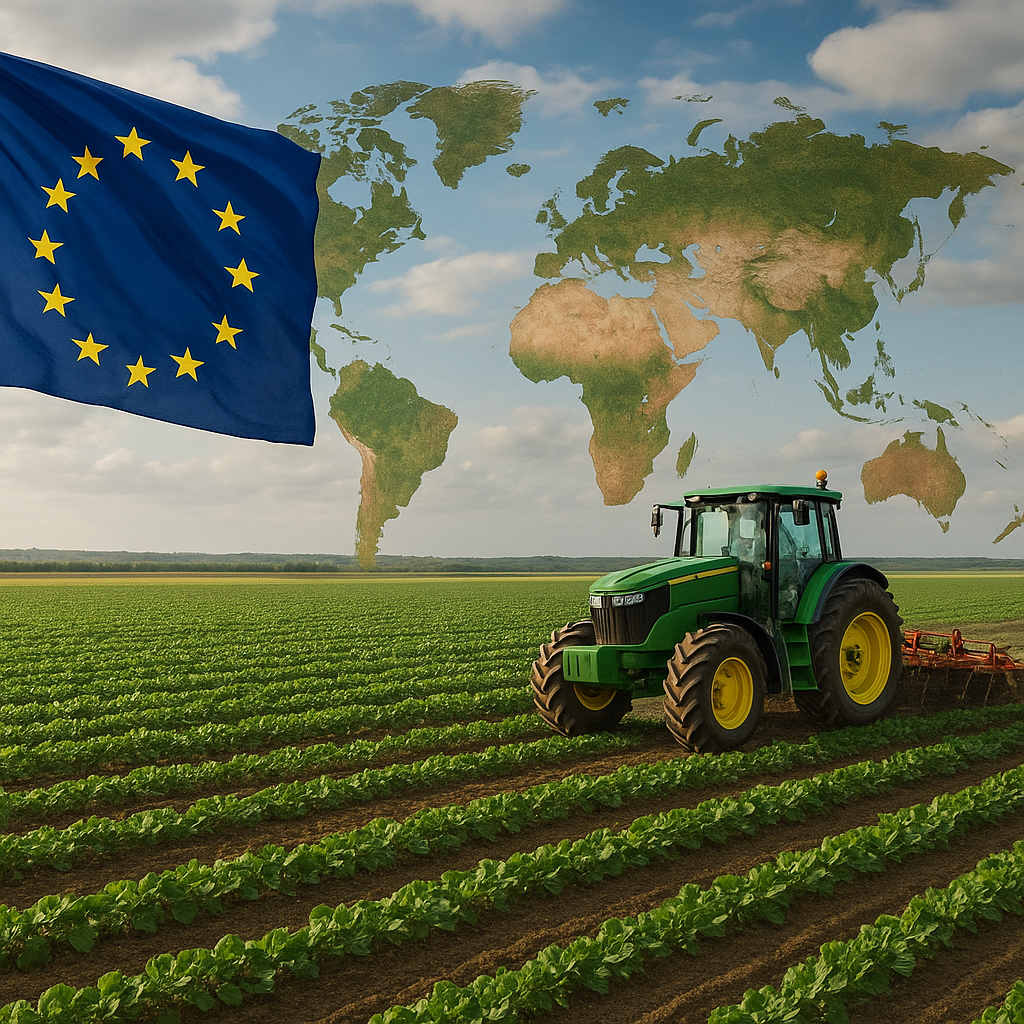
The European Union’s Green Deal represents a sweeping strategy aimed at transforming Europe’s economy into a climate-neutral continent by 2050. Its ripple effects extend far beyond EU borders, reshaping global agricultural practices, trade flows, and policy frameworks. As key exporting and importing nations adjust to new standards, the global landscape of food production and supply chains evolves in response to emerging regulations and market opportunities.
Background on EU Green Deal and Agricultural Targets
First unveiled in late 2019, the European Green Deal sets an ambitious roadmap to reduce greenhouse gas emissions, enhance resource efficiency, and promote circularity across all sectors, including agriculture. The Farm to Fork Strategy, a cornerstone of the deal, aims to ensure a fair, healthy, and environmentally friendly food system. Key objectives include reducing the use of chemical pesticides by 50%, cutting nutrient losses by at least 50%, and achieving 25% agricultural land under organic farming by 2030.
These targets introduce stringent standards for production, pushing farmers toward low-input systems. To remain competitive, EU producers receive support through subsidies under the Common Agricultural Policy (CAP), now restructured to reward environmental performance. However, non-EU producers face pressure to align with the new benchmarks, or risk losing access to lucrative European markets.
The ripple effect of the deal extends to trade negotiations. New import conditions consider carbon footprints, biodiversity impacts, and social welfare. As a result, trade partners from South America, Asia, and Africa must navigate an increasingly complex EU regulatory environment, balancing compliance costs with export opportunities.
Trade and Market Dynamics in Global Agriculture
The implementation of the EU Green Deal has sparked shifts in international trade flows. Key commodity markets for grains, meat, and horticultural products experience new trade barriers and certification requirements. For instance, African exporters of fruit and vegetables now comply with enhanced traceability protocols to verify sustainable practices across supply chains.
- Certification schemes: Private and public standards proliferate, ranging from carbon labeling to deforestation-free guarantees.
- Market differentiation: High-value consumers in Europe increasingly prefer products with verified biodiversity safeguards, fueling niche markets for eco-friendly exports.
- Tariff realignment: The EU contemplates border adjustment mechanisms to tax carbon-intensive imports, reshaping price competitiveness.
At the same time, alternative markets emerge. Asia-Pacific nations look to fill any supply gaps created by tighter EU rules. China, for example, intensifies partnerships with South American soybean producers, leveraging flexible environmental standards. India’s agricultural sector, fueled by comparative advantages in labor and input costs, also expands exports of rice and spices to non-EU markets.
Yet, global resilience is tested when multiple large economies adopt divergent sustainability criteria. Disparities in regulatory rigor may fragment global value chains, compelling multinational agribusinesses to maintain parallel production lines to comply with varied regional policies.
Environmental and Social Implications
By prioritizing reduced chemical inputs, the EU Green Deal advances goals for cleaner water bodies, healthier soils, and enhanced pollinator populations. Such measures are critical, given agriculture’s significant share—over 10%—of EU greenhouse gas emissions. Simultaneously, these interventions drive innovation in mitigation strategies, such as precision farming, agroforestry, and carbon sequestration techniques.
On the social front, smallholders in developing countries face both challenges and opportunities. While compliance costs for new EU requirements can strain capital-poor farmers, technical assistance programs and green financing initiatives help build capacity. International development agencies now prioritize projects that improve local agroecological practices, aligning them with EU benchmarks to secure export earnings.
Nevertheless, the transition can widen inequalities when large-scale producers adapt faster, gaining market share at the expense of smaller rivals. Ensuring equitable access to knowledge, technology, and financing becomes critical for safeguarding livelihoods and fostering inclusive adaptation.
Moreover, the deal’s conservation measures raise questions about land use. As Europe intensifies organic and agroecological farming, demand for certain agricultural inputs may decline, affecting global fertilizer and pesticide suppliers. Conversely, increased focus on local food systems could influence global demand patterns for commodities like palm oil, cocoa, and coffee.
Technological Innovation and Capacity Building
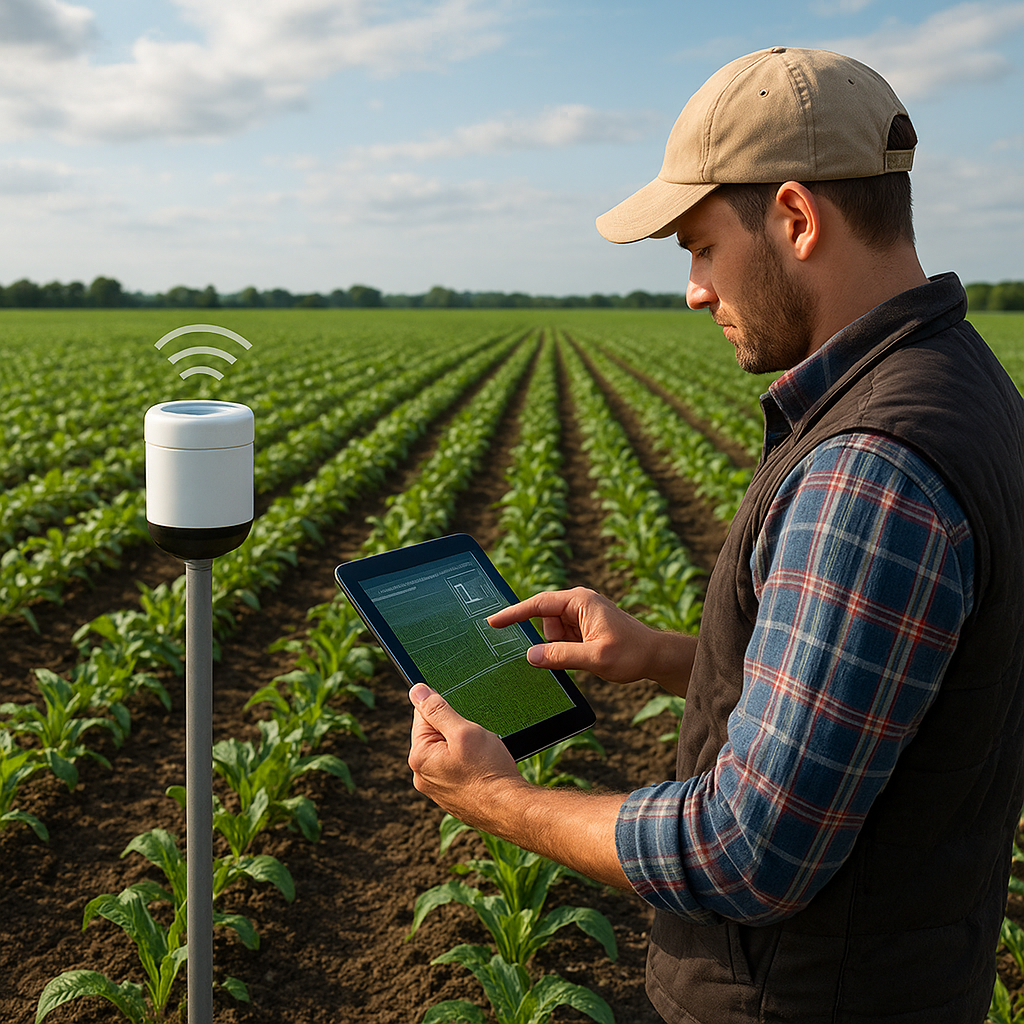
Meeting the Green Deal’s targets hinges on rapid technological innovation. Smart agriculture technologies—drones, IoT sensors, satellite monitoring—optimize resource use, reduce waste, and improve yield predictions. Genetic research on drought-tolerant and pest-resistant crops accelerates, aiming to bolster productivity while minimizing chemical reliance.
- Digital platforms facilitate real-time data sharing between farmers, agronomists, and regulators, ensuring compliance and data-driven decision making.
- Biological solutions, such as biopesticides and biofertilizers, gain traction, spurring investment in biotech firms and research consortia.
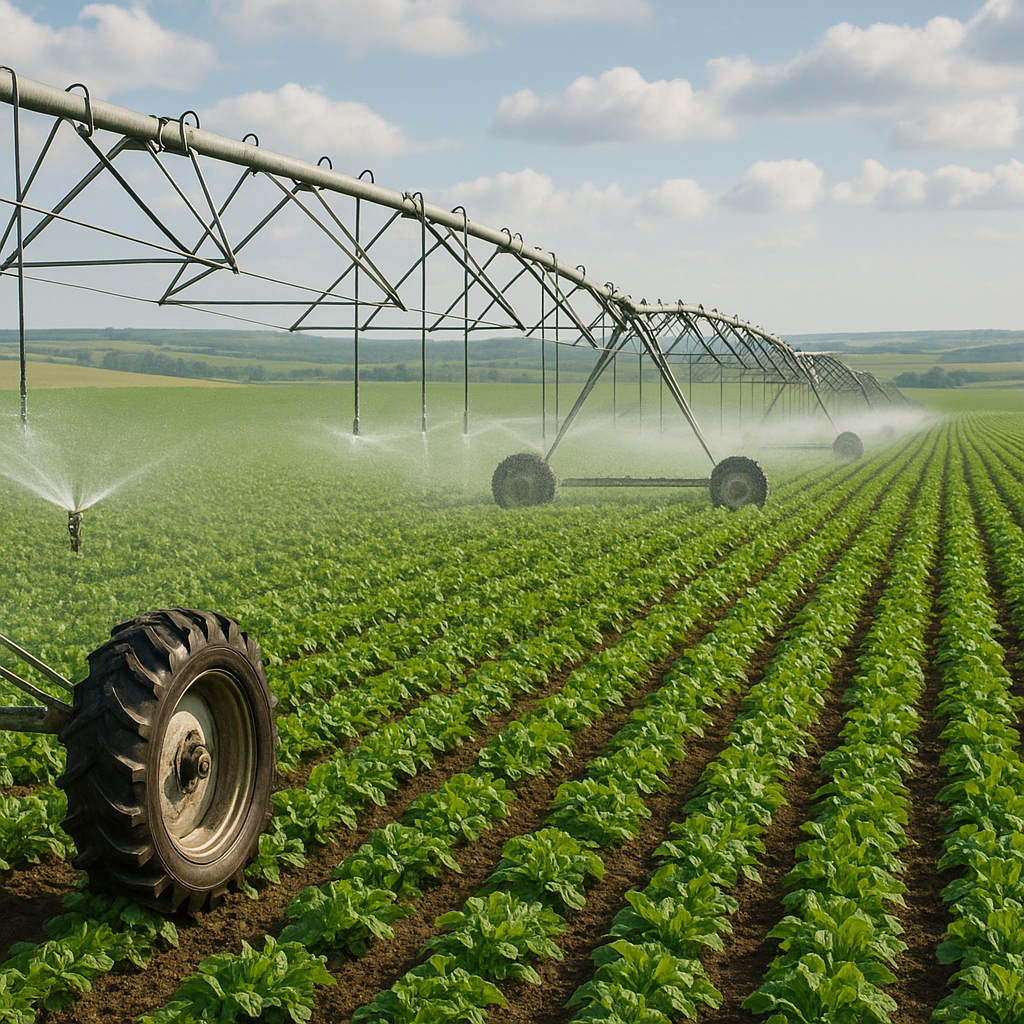
- Renewable energy integration on farms—solar-powered irrigation and biogas digesters—reduces on-farm emissions and energy costs.
Capacity-building initiatives, often funded through EU development cooperation schemes, provide training and infrastructure support to global partners. These programs enhance technical skills, promote knowledge exchange, and foster innovation hubs in emerging agricultural economies.
However, technology diffusion faces hurdles: inadequate rural connectivity, regulatory barriers to novel biotech products, and limited local expertise. Overcoming these obstacles requires collaborative public-private partnerships that align commercial incentives with global sustainability goals.
Challenges and Future Outlook
Despite its ambition, the EU Green Deal encounters several challenges. Aligning national policies across 27 member states demands constant negotiation to balance environmental integrity with economic competitiveness. Global coordination is equally complex, as diverse countries pursue differing climate and development priorities.
Failure to harmonize standards could trigger trade disputes and supply chain disruptions. For example, erecting carbon border adjustments without multilateral consensus risks retaliatory measures and undermines WTO rules. Conversely, a well-managed transition can stimulate a green trade renaissance, fostering new export opportunities for sustainably produced commodities.
Looking ahead, monitoring and evaluation will be crucial. Effective implementation of performance-based subsidies under the CAP requires robust indicators and transparent reporting. Meanwhile, the participation of civil society, farmers’ organizations, and private stakeholders must be encouraged to ensure legitimacy and adapt policies to on-the-ground realities.
Ultimately, the EU Green Deal’s influence on global agriculture will hinge on the collective ability of governments, businesses, and communities to embrace holistic, forward-thinking strategies. This synergy will determine whether the world can achieve a truly sustainable, equitable, and climate-resilient food system for generations to come.