The agricultural sector is increasingly under pressure from a range of weather extremes that challenge traditional production models and disrupt global supply chains. As farmers and agribusinesses strive to feed a growing population, understanding how variations in climate patterns impact crop performance and market dynamics has become essential. This article examines key weather phenomena and their repercussions for the global market, highlighting the importance of innovation and resilience in sustaining food security.
Impact of Temperature Extremes on Crop Yields
High temperatures and unexpected cold snaps pose significant threats to crop development stages. Heat waves can accelerate plant maturity, reducing grain filling periods and ultimately lowering yield. Conversely, frost events during flowering can cause irreversible damage to blossoms, leading to substantial losses for producers of fruit, vegetables, and cereals. Regions that once enjoyed temperate growing seasons are now facing spikes in average temperatures, forcing farmers to adopt new practices.
For instance, in parts of southern Europe and the American Midwest, record-breaking summer days have led to sunburned fruit and heat-stressed maize. To adapt, growers are exploring:
- Drought-tolerant cultivars that can survive in hotter, drier conditions
- Altered planting calendars to avoid peak heat periods
- Advanced shading systems and misting technologies to cool canopies
Drought and Water Scarcity Effects
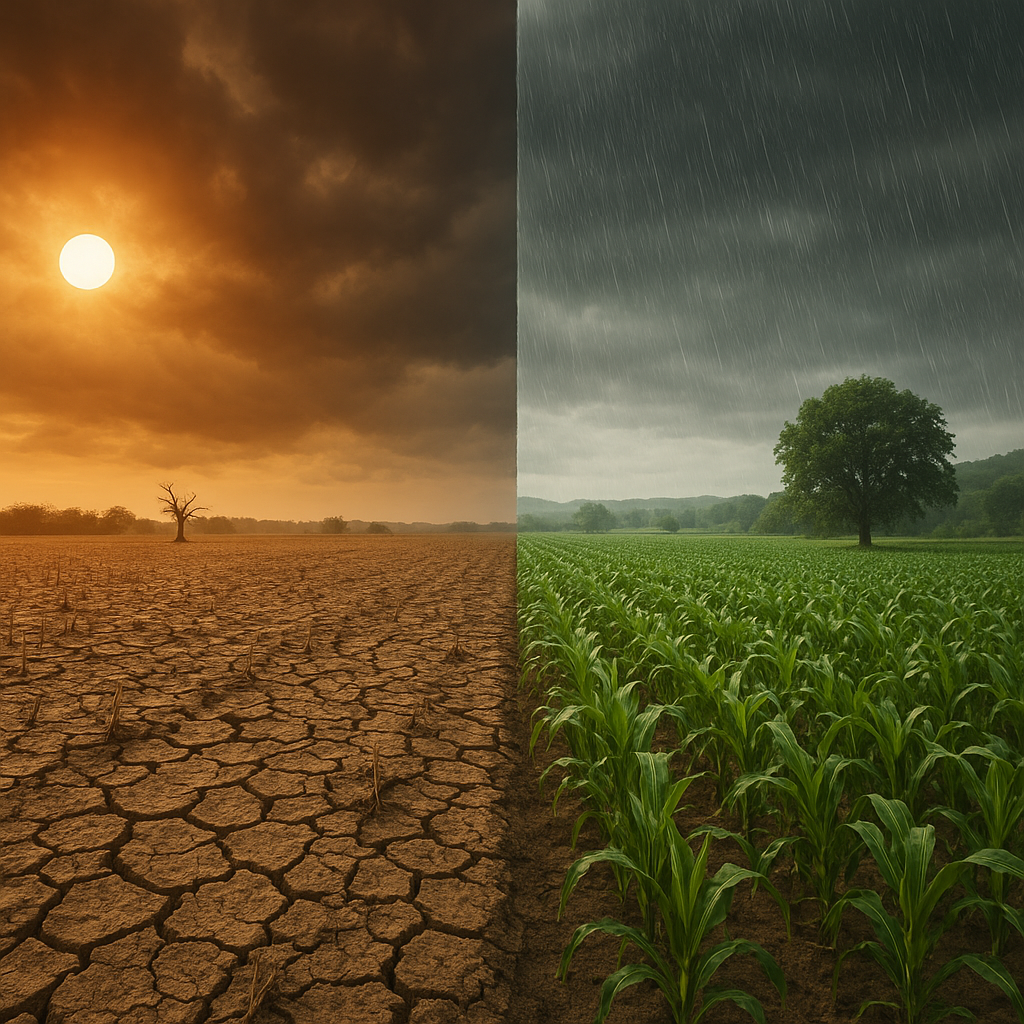
Persistent drought presents one of the most severe challenges for agriculture. Reduced rainfall depletes soil moisture and forces competition for limited water resources among irrigation, industry, and household use. In water-stressed areas, farmers are grappling with declining aquifer levels and strict usage regulations. This situation not only endangers local food production but also ripples through the market volatility of staple commodities like rice, wheat, and maize.
In Australia’s Murray-Darling Basin, multi-year drought cycles have compelled growers to invest heavily in precision irrigation systems, optimizing water delivery at the root zone and minimizing waste. Similar techniques are being adopted in California’s Central Valley and parts of Spain, where drip and sub-surface irrigation are becoming standard practice to stretch each drop of water further.
Excessive Rainfall and Flood Risks
On the opposite end of the spectrum, excessive precipitation and flooding can be equally devastating. Waterlogged soils suffocate roots, trigger plant diseases, and delay planting and harvesting operations. In recent years, major floods in South Asia and the Mississippi River Basin have washed away fields of rice and soybeans, creating supply shortages and inflating global prices.
Affected communities often face logistical nightmares as roads become impassable, delaying transportation and storage of fresh produce. The cost of repairs to drainage infrastructure and the need for flood-resistant crop varieties underscore the critical role of strategic planning. Governments and private entities are increasingly collaborating on flood mapping and early warning systems to reduce losses and support rapid response.
Market Volatility and Supply Chain Challenges
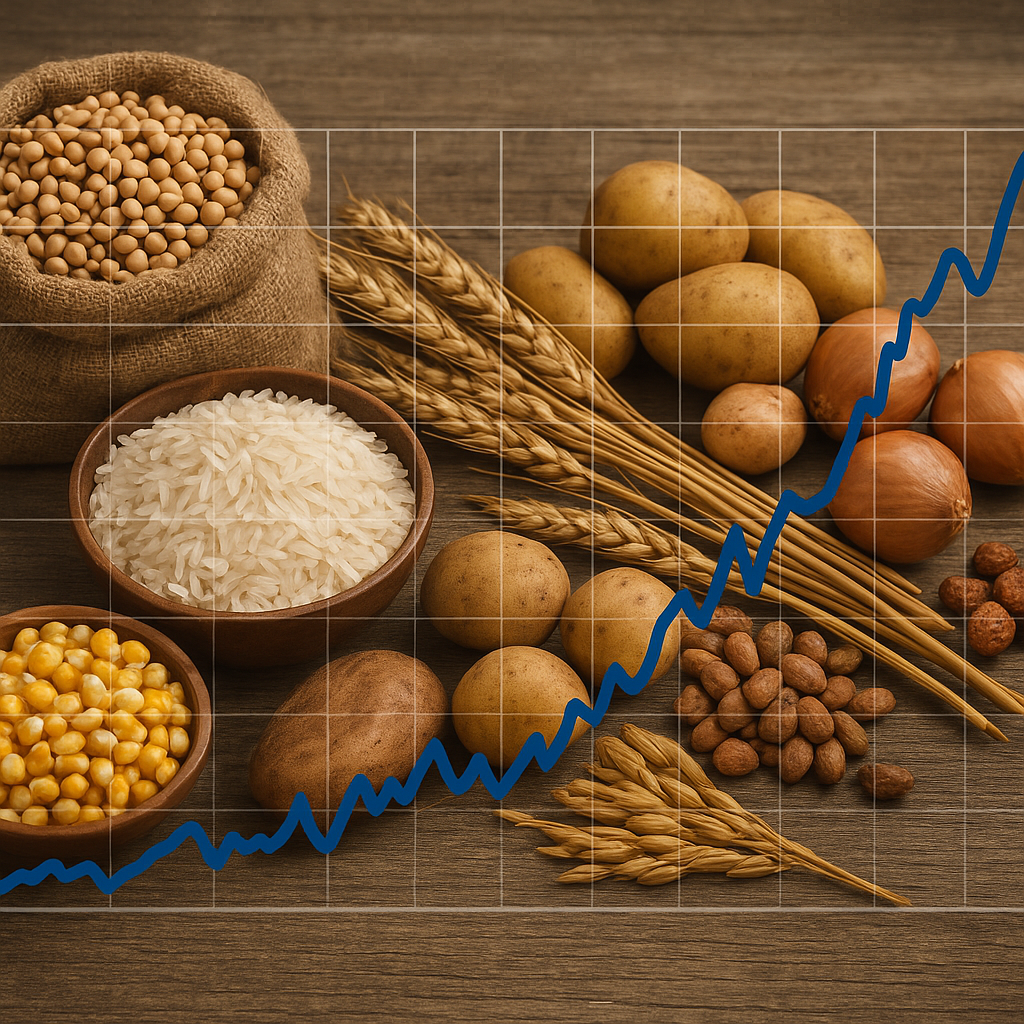
Weather extremes contribute directly to fluctuating commodity prices, impacting farmers, traders, and consumers worldwide. A drought-induced shortfall in one region can drive import surges elsewhere, while localized flooding can stall exports of perishable goods. Such market volatility creates uncertainty for stakeholders and complicates long-term investment decisions.
Supply chain disruptions extend beyond field boundaries. Processing facilities may shut down due to extreme heat or power outages, and ports can be immobilized by storm surges. Companies are now incorporating climate risk assessments into procurement strategies, diversifying sourcing locations, and building buffer inventories to withstand short-term shocks.
Adaptation Strategies and Technological Innovations
Faced with mounting climatic pressures, the agriculture sector is fast-tracking the adoption of cutting-edge solutions to bolster sustainability and productivity. Key strategies include:
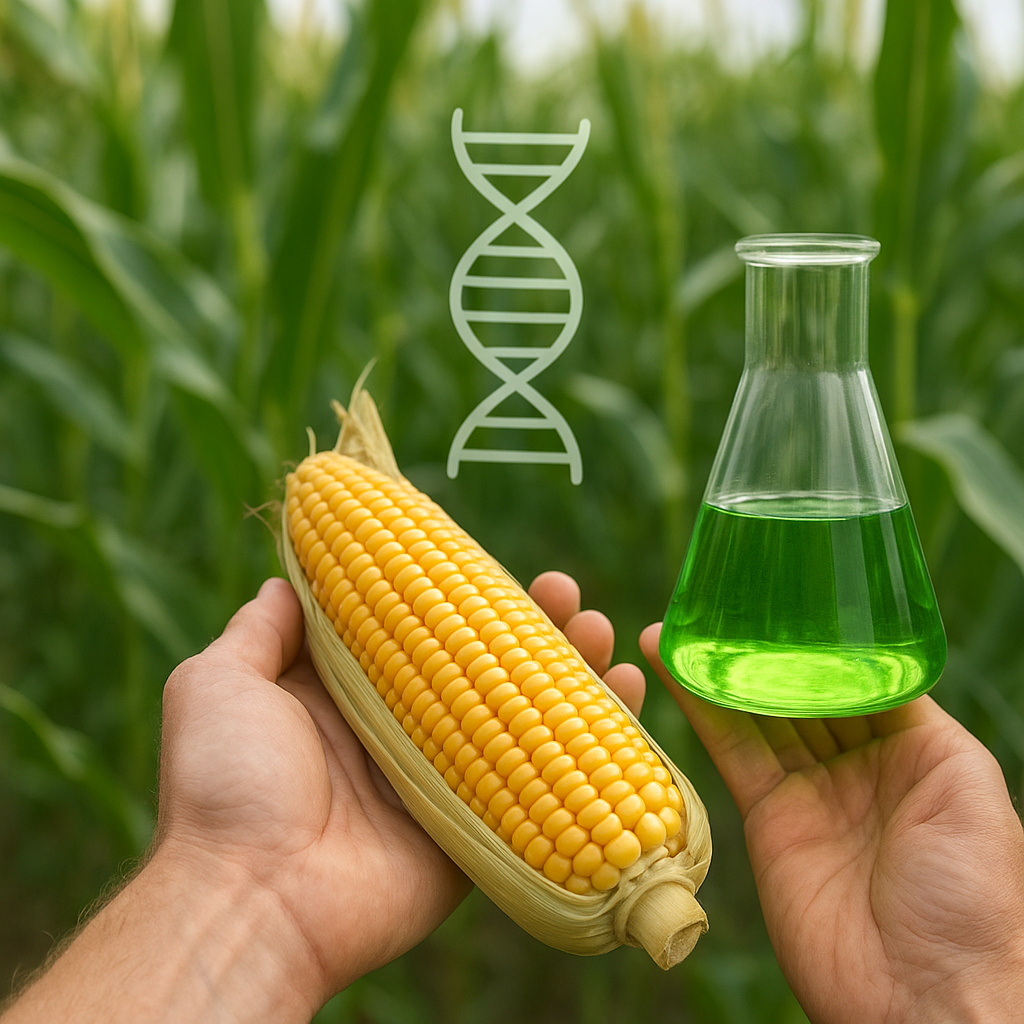
- Genetic improvements for stress-resistant crops using advanced breeding and biotechnologies
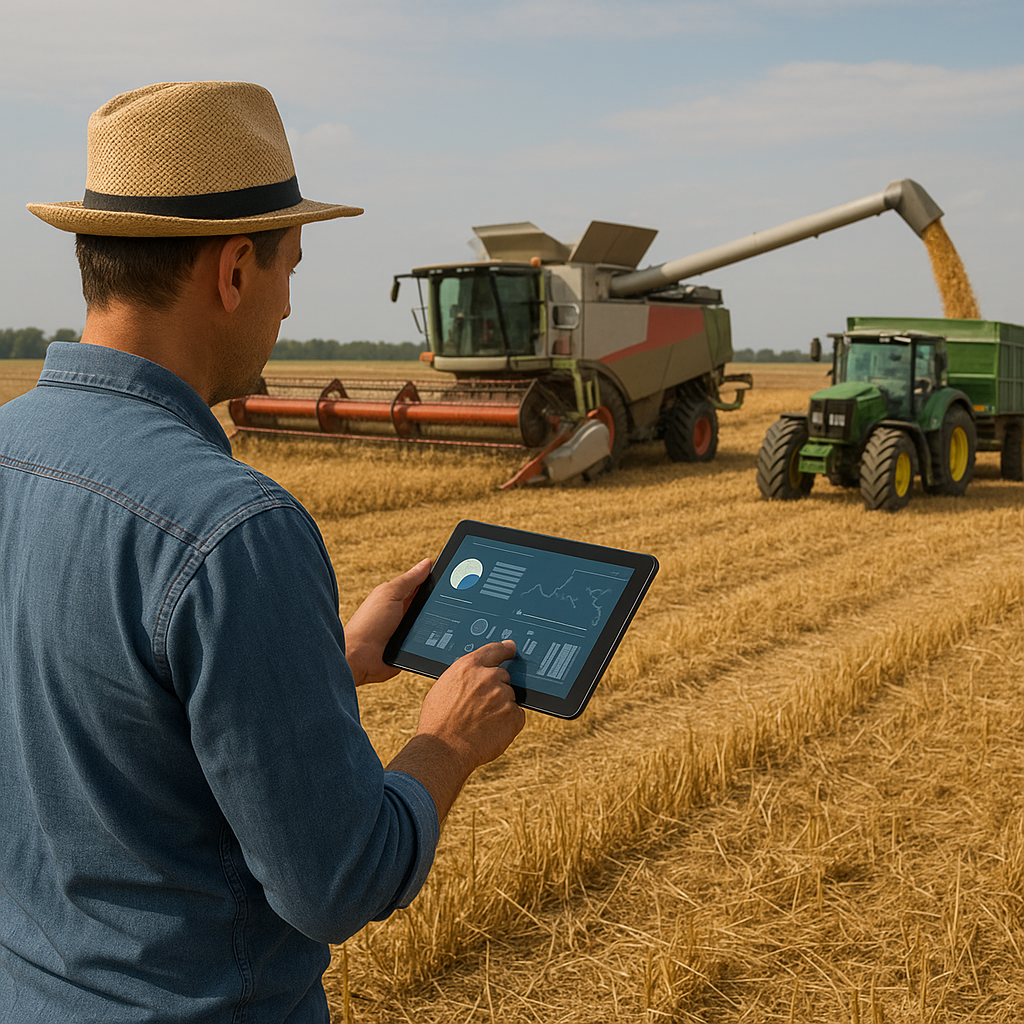
- Precision agriculture tools—drones, sensors, satellite imagery—to monitor field conditions in real time
- Integrated soil health management to enhance organic matter and water retention capacity
- Data-driven decision support systems for optimized planting, fertilization, and harvesting schedules
By embracing these innovations, farmers can better anticipate adverse conditions, reduce input costs, and improve crop performance under variable climates. Collaboration between research institutions, agritech startups, and policymakers is vital to accelerate the diffusion of these technologies across diverse agricultural landscapes.
Building Resilience for the Future
Creating a robust agricultural system in the face of weather extremes demands coordinated efforts at local, national, and global levels. Investing in climate-smart infrastructure, fostering knowledge exchange, and supporting smallholder farmers are essential components of a resilient food network. The integration of technology with traditional practices, supported by sound policy frameworks, can help mitigate risks and ensure consistent production.
Ultimately, the ability of the agriculture industry to adapt to shifting weather patterns will determine not only economic outcomes but also global food security. As stakeholders across the value chain work together, the focus must remain on sustainable solutions that safeguard resources and empower communities to thrive in an ever-changing climate.