The global **sugar** market has undergone significant shifts over the past decade, driven by changes in consumer **demand**, evolving **trade** policies, and continuous advancements in agricultural technologies. This article examines the key aspects shaping the current landscape, from production dynamics in major growing regions to emerging innovations and sustainability initiatives. Each chapter delves into crucial factors that determine how the industry responds to fluctuating prices, policy reforms, and environmental challenges.
Global Sugar Demand and Production Dynamics
Consumption of refined and raw sugar has followed a steady upward trajectory, with global per capita intake exceeding 23 kilograms annually. This growth is fueled by rising incomes in developing economies and the expansion of the food and beverage sector. Meanwhile, shifting dietary preferences in mature markets have prompted producers to diversify product lines, incorporating low-calorie sweeteners and alternative carbohydrates.
Key Drivers of Consumption
- Population growth: Adding over one billion consumers since 2010 has pushed overall demand upward.
- Urbanization: Urban dwellers typically consume more processed foods containing added sugars.
- Rising disposable incomes in Asia and Africa have expanded market access to sweetened beverages and confectionery.
On the production side, Brazil and India remain the largest sugarcane growers, jointly accounting for nearly half of global output. Thailand, the European Union, and China follow as significant contributors. Beet sugar production, concentrated in temperate climates, complements tropical cane output, providing supply stability throughout the year.
Production Challenges
Producers face several obstacles:
- Climate variability: Droughts and irregular rainfall can reduce yields by up to 30% in some regions.
- Pest and disease pressures, such as sugarcane borer infestations, demand integrated **pest** management strategies.
- Rising labor costs in traditional growing areas encourage mechanization, yet smallholder farms may struggle with capital investments.
Regional Production Hubs and Trade Flows
The geography of sugar production is split between tropical and temperate zones, each with unique cost structures and policy environments. Trade patterns adapt to these differences, reflecting both historical agreements and recent policy reforms.
Major Cane-Producing Regions
- Brazil leverages favorable climates and scale economies to produce low-cost sugar, exporting over 30 million tonnes annually.
- Thailand focuses on **efficiency** improvements and government-supported pricing mechanisms to maintain its position as a top exporter to Asia.
- India, while the largest consumer, balances domestic policies that guarantee minimum prices for farmers with export quotas to regulate internal supplies.
Beet Sugar Centers
- European Union countries benefit from advanced milling technologies and cross-border logistics, though subject to quota reforms under the Common Agricultural Policy.
- The United States maintains a quota- and tariff-based system that stabilizes domestic prices, encouraging investment in high-yield seed varieties.
- Russia and Ukraine have emerged as growing beet sugar exporters, capitalizing on lower production costs and expanding rail connectivity to Europe.
International trade is heavily influenced by policy tools such as tariffs, export subsidies, and import quotas. Recent tariff reductions in Southeast Asia have increased competition in the Indonesian and Vietnamese markets, while protective measures in North America shield local producers from volatile world prices.
Innovation and Sustainability in Sugar Agriculture
As environmental concerns intensify, the sugar industry is accelerating its transition to more sustainable practices. From field to factory, stakeholders are adopting innovations that improve resource **efficiency** and reduce the carbon footprint.
Advanced Agricultural Practices
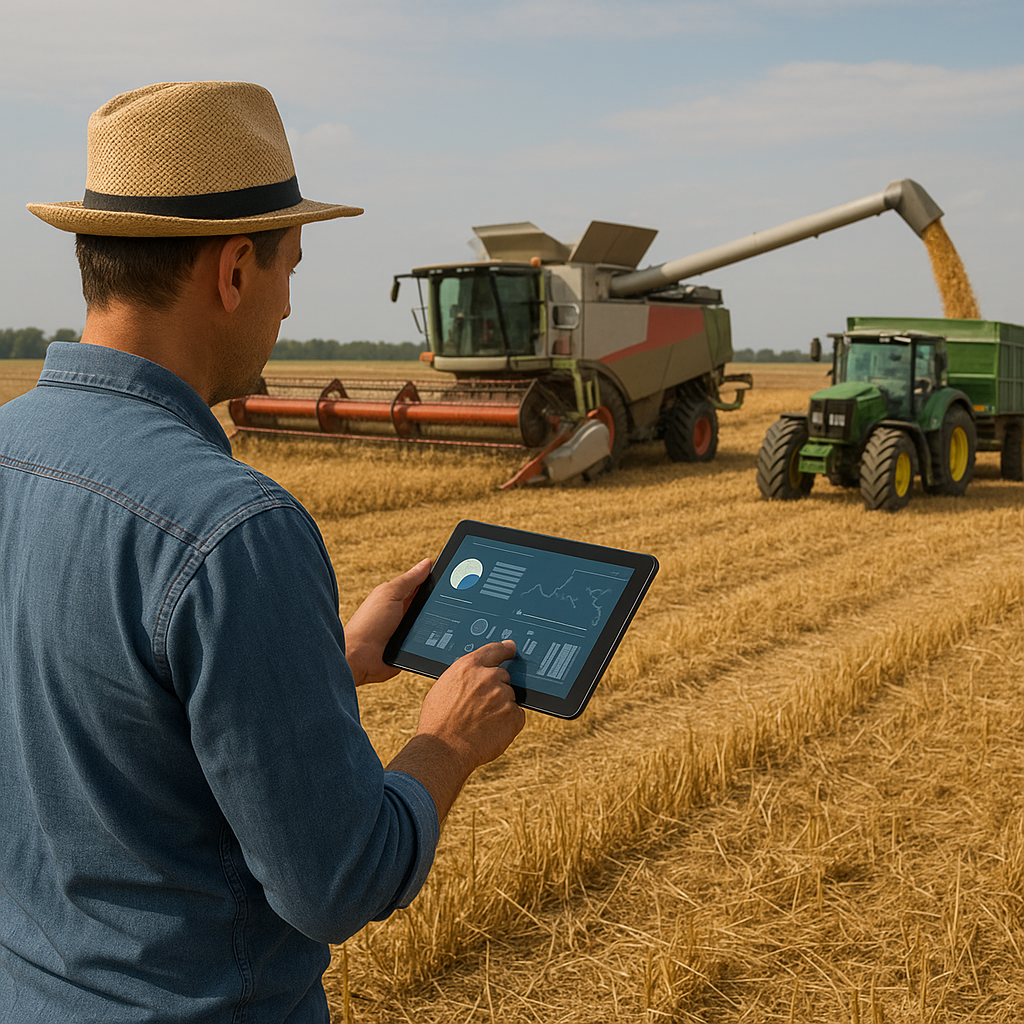
- Precision agriculture tools, including drone-based monitoring and satellite imagery, optimize irrigation and nutrient delivery to **maximize** yields.
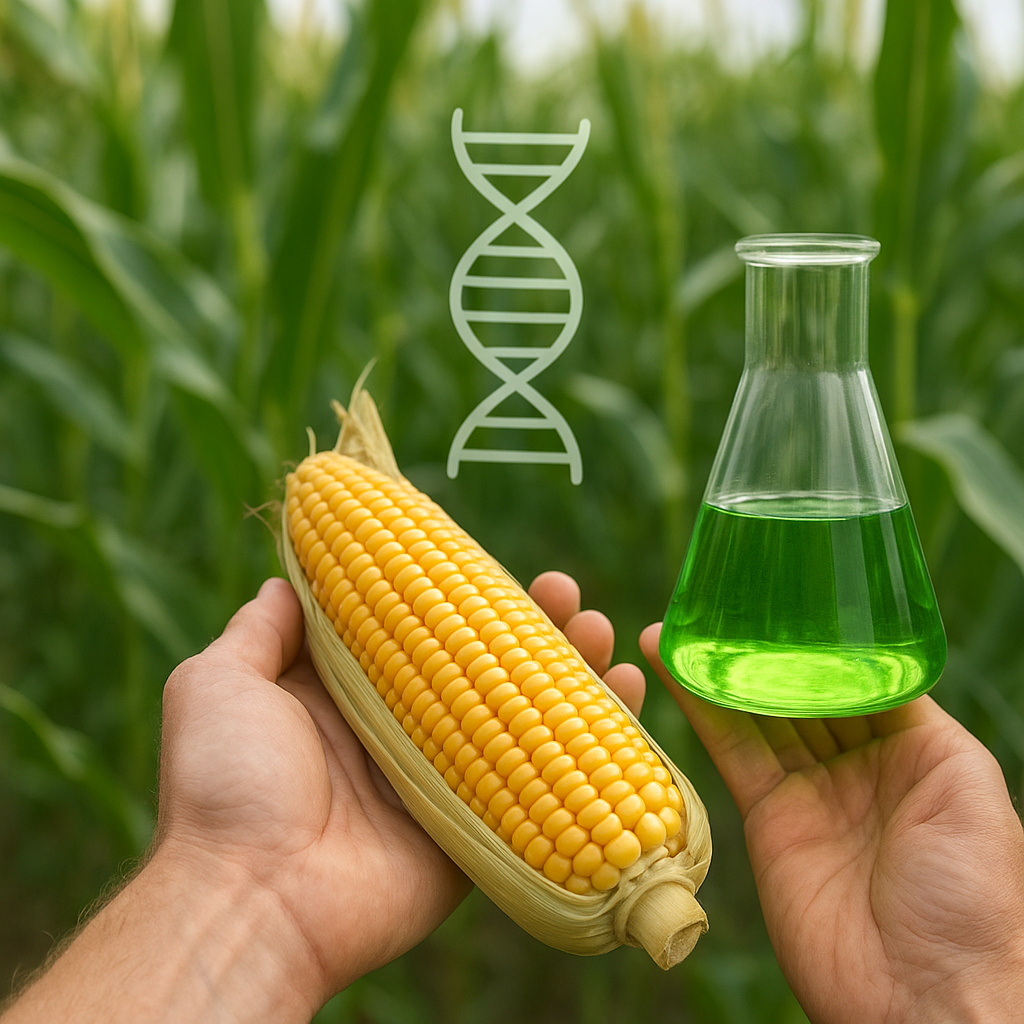
- Genetic research has led to high-biomass sugarcane and disease-resistant beet varieties capable of thriving under suboptimal conditions.
- Integrated crop-livestock systems recycle waste byproducts, using sugarcane bagasse as cattle feed or organic soil amendments.
Processing and Byproduct Utilization
- Modern mills capture biogas from effluent treatment, generating renewable energy to power operations and reduce reliance on fossil fuels.
- Sugarcane bagasse and molasses serve as feedstocks for ethanol production, supporting the burgeoning biofuel sector.
- Efforts to extract high-value compounds, such as antioxidants from sugar beet pulp, add new revenue streams for processors.
Certification schemes, including Bonsucro and Fair Trade, emphasize social equity and environmental protection. They encourage responsible water usage, minimal use of agrochemicals, and fair labor conditions, creating market advantages in premium segments.
Market Forecast and Emerging Trends
Analysts project global sugar consumption to grow at an annual rate of 1.5–2% over the next five years, driven by population increases and steady demand from developing nations. Meanwhile, production is expected to expand at a similar pace, limiting major price spikes but preserving cyclical volatility.
- Price outlook: Forecasts indicate average raw sugar prices ranging between 14 and 18 cents per pound, subject to weather shocks and currency movements.
- Policy reforms in major producers—such as India’s potential shifts in export levies—could alter global supply balances.
- Consumer interest in natural sweeteners and organic products is creating niche markets with premium pricing structures.
- The adoption of digital marketplaces streamlines trade, connecting producers and buyers more efficiently while improving price transparency.
In conclusion, the sugar industry’s trajectory will depend on its ability to innovate across the value chain, navigate evolving policy landscapes, and deliver sustainable solutions. Stakeholders who embrace **technology**, reinforce supply chain resilience, and address environmental concerns are best positioned to thrive in this dynamic global market.