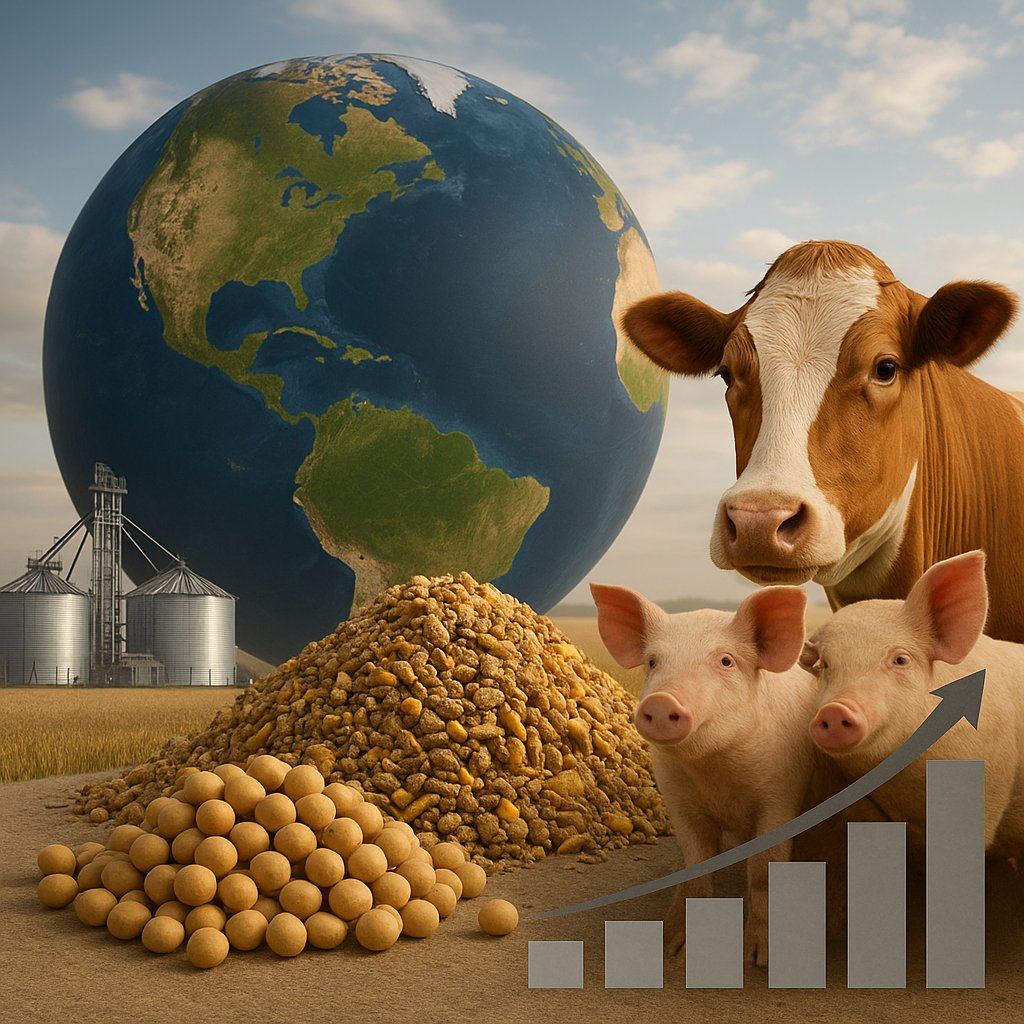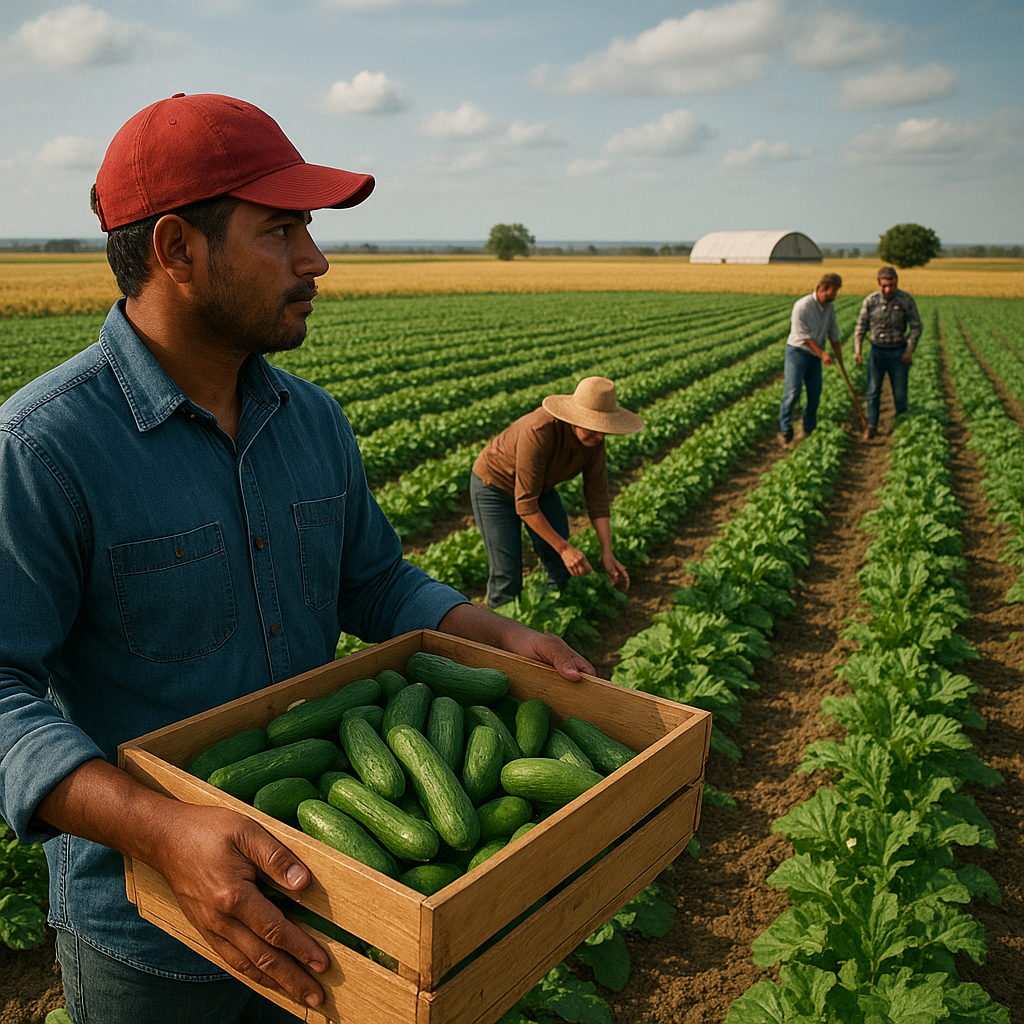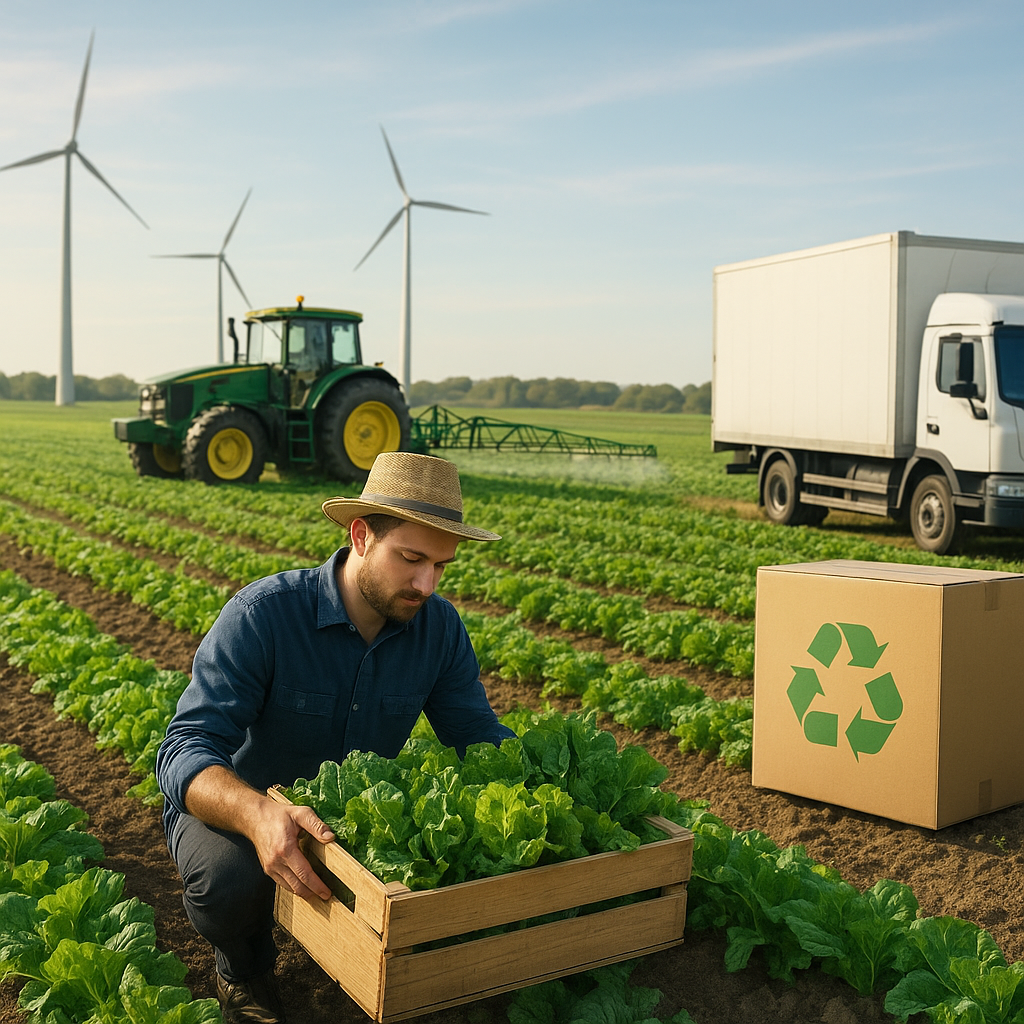
As the global demand for food and fiber continues to rise, the agricultural sector faces unprecedented pressure to adapt. A shift toward sustainable supply chains can transform how we produce, distribute, and consume agricultural goods. This article examines key facets of sustainability across the global market, detailing strategies to enhance resilience and promote environmental stewardship. By integrating cutting-edge solutions with traditional practices, stakeholders can foster a system where economic viability, social welfare, and ecological balance converge.
Importance of Sustainable Supply Chains in Agriculture
A sustainable supply chain moves beyond simple transactional relationships to emphasize long-term outcomes. Producers, distributors, and retailers collaborate to balance productivity with preservation of natural resources. Unlike conventional models focused solely on short-term gains, sustainable networks prioritize soil health, water conservation, and reduced emissions. By embedding efficiency at each stage—from seed selection to final delivery—agricultural enterprises can mitigate risks associated with climate change and volatile commodity prices.
Economic Stability and Risk Management
- Implementing diversified cropping systems reduces dependency on single commodities.
- Adoption of precision farming techniques lowers input costs and improves yield predictability.
- Engaging smallholders through fair-trade practices enhances equity and market access.
Environmental Benefits
- Integrated pest management minimizes chemical residues and fosters biodiversity.
- Regenerative agriculture practices build soil organic matter, bolstering carbon sequestration.
- Use of renewable energy sources for irrigation and processing cuts greenhouse gas emissions.
Key Challenges in the Global Agricultural Market
Despite clear benefits, implementing sustainable supply chains faces obstacles at multiple levels. Fragmented value chains, limited access to financing, and inadequate infrastructure often hinder progress. Smallholder farmers, who produce over half of the world’s food, may lack the training or capital to adopt advanced practices. Furthermore, geopolitical tensions and trade barriers can disrupt supply routes, undermining efforts to maintain consistent standards.
Infrastructure and Logistics
- Poor road networks increase post-harvest losses, reducing overall supply chain efficiency.
- Cold storage gaps in developing regions compromise food safety and nutritional quality.
- Digital connectivity gaps limit real-time monitoring and transparency of goods in transit.
Regulatory and Financial Constraints
- Inconsistent regulatory frameworks complicate cross-border trade of certified products.
- High interest rates and collateral requirements restrict access to sustainable agriculture loans.
- Lack of incentives for eco-friendly practices slows widespread adoption of green technologies.
Innovations Driving Sustainability
Emerging technologies and novel business models are redefining how stakeholders interact within agricultural networks. From blockchain-enabled audit trails to drone-assisted crop monitoring, innovation fosters greater traceability and accountability. These advancements not only streamline operations but also build consumer trust by verifying ethical sourcing and environmental compliance.
Digital Traceability Platforms
- Blockchain solutions provide immutable records of crop origin, handling, and distribution.
- QR codes on packaging let consumers verify fair-trade and organic certifications instantly.
- Real-time data dashboards enable retailers to track carbon footprints and water usage.
Smart Farming Technologies
- Precision sensors optimize irrigation schedules, reducing water waste by up to 30%.
- Unmanned aerial vehicles (UAVs) survey fields to detect nutrient deficiencies early.
- AI-driven analytics forecast weather risks and recommend crop rotations to preserve biodiversity.
Policy and Regulation Landscape
Governmental policies and international agreements play a pivotal role in fostering or impeding sustainable supply chains. Fiscal incentives, such as tax credits for renewable energy installations, can accelerate adoption of green practices. Conversely, weak enforcement of environmental regulations may discourage farmers from exceeding minimum standards. Coordinated policy efforts can harmonize standards, facilitating trade and ensuring that sustainability commitments carry real weight.
International Frameworks
- The United Nations’ Sustainable Development Goals (SDGs) guide investments toward equity and climate resilience.
- Regional trade agreements often include environmental chapters outlining deforestation and labor protections.
- Public–private partnerships fund research in drought-resistant crop varieties and soil remediation.
National and Local Policies
- Subsidies for cover crops and no-till farming encourage soil conservation at the farm level.
- Certification bodies collaborate with ministries to audit and label sustainably produced goods.
- Local land-use regulations balance agricultural expansion with preservation of sensitive ecosystems.
Case Studies of Successful Collaboration
Illustrating practical outcomes, several initiatives demonstrate how effective collaboration across the value chain can yield tangible benefits. By aligning the objectives of producers, processors, and retailers, these projects deliver economic returns while safeguarding natural resources.
Cooperative Grain Networks in North America
Farmer cooperatives have pooled resources to build shared storage and processing facilities. This model leverages collective bargaining power, reducing transportation costs and improving market access. Members adopt uniform sustainability criteria, enabling bulk certification and premium pricing for responsibly produced grains.
Rainforest Alliance Cocoa Programs
In West Africa, partnerships between exporters, chocolate manufacturers, and NGOs have strengthened farmer training on agroforestry. By intercropping cocoa with native trees, communities increase yields and income stability. Detailed digital logs ensure product traceability, satisfying consumer demand for ethically sourced chocolate.
Future Outlook for Sustainable Supply Chains
Looking ahead, the trajectory of agricultural supply chains will hinge on continual innovation and stakeholder engagement. Investment in research and capacity building will be vital to scaling solutions that enhance climate resilience and optimize resource use. Holistic approaches, integrating social equity and environmental goals, promise to redefine success in the sector.
Emerging Trends
- Carbon credit marketplaces may reward farmers for climate-smart practices that sequester soil carbon.
- Developments in gene editing could yield crops with superior drought tolerance and nutrient efficiency.
- Collaborative platforms will facilitate knowledge sharing, promoting best practices across regions.
Key Success Factors
- Strong institutional frameworks that foster public–private partnerships.
- Accessible financing instruments tailored to smallholder needs.
- Continuous feedback loops enabling adaptive management and ongoing innovation.