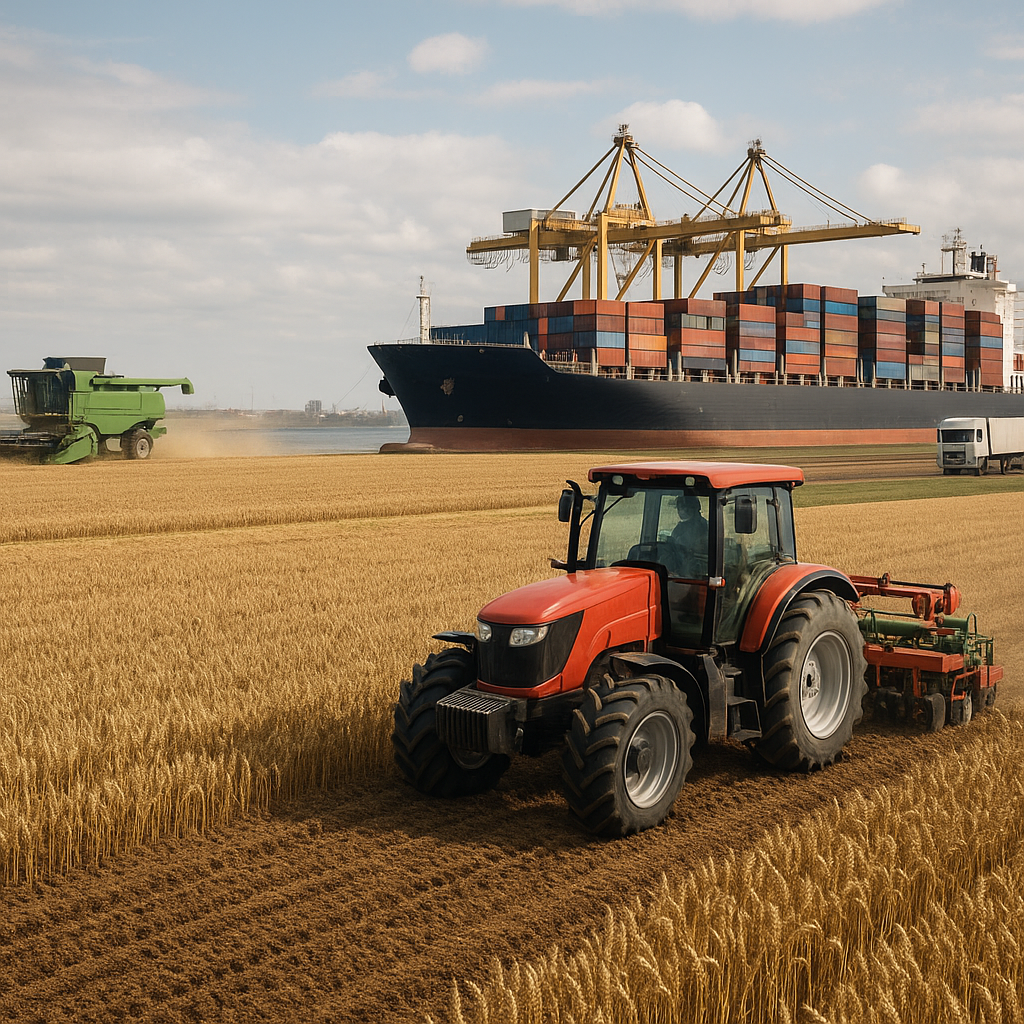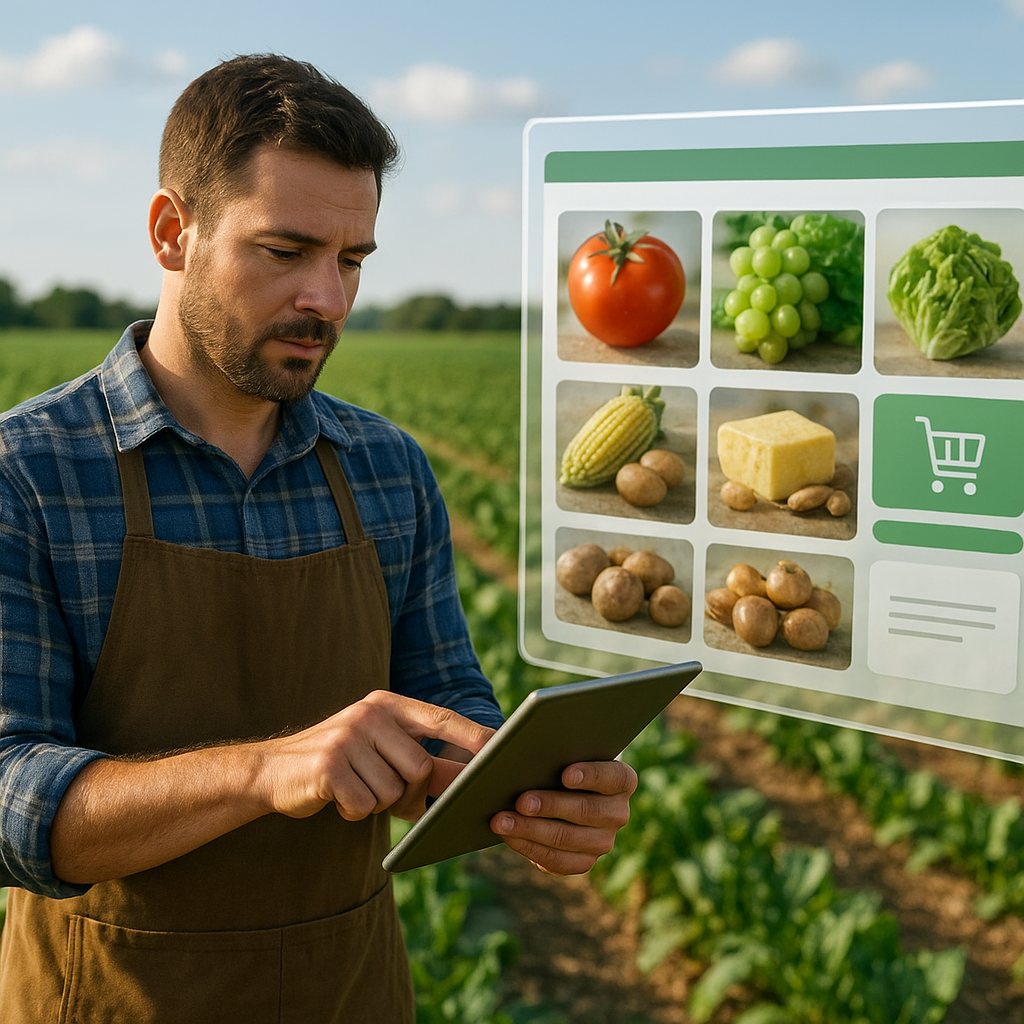
The agriculture sector stands at the cusp of a transformative era, driven by the rapid evolution of digital channels that connect growers, distributors, and consumers in unprecedented ways. As the global population surges toward 10 billion by 2050, the pressure on food systems intensifies. In response, a new generation of marketplaces is emerging, harnessing cutting-edge technologies to empower farmers with greater reach, fairer pricing, and improved access to critical inputs. This article delves into the shifting landscape of digital agricultural trade, examining the forces propelling its growth, the benefits and challenges for primary producers, and the innovations set to define the next decade.
Global Expansion of Digital Agricultural Marketplaces
Over the past decade, the proliferation of mobile connectivity and cloud-based platforms has ignited a boom in e-commerce and B2B exchanges within the agricultural realm. Regions once hampered by inefficient supply chains and limited market visibility are now leveraging online hubs to transact directly. This section explores the drivers behind this rapid expansion.
1. Penetration of Mobile and Internet Connectivity
- The widespread availability of smartphones and affordable data plans has allowed smallholders to list produce, negotiate contracts, and receive payments via digital wallets.
- Connectivity initiatives led by governments and NGOs are bridging the rural–urban digital divide, enabling remote communities to participate in global trade networks.
- Satellite-based internet projects further promise to deliver high-speed access to regions previously out of reach, amplifying the footprint of agricultural e-marketplaces.
2. Government Policies and Regulatory Support
- Many countries are revising agricultural export frameworks to ease cross-border e-commerce, setting quality standards and digital certification protocols.
- Subsidies for digital adoption, tax incentives for platform developers, and public–private partnerships are accelerating marketplace rollout.
- Regulatory sandboxes foster innovation by allowing startups to pilot blockchain-based traceability or AI-driven pricing models under monitored conditions.
Advantages for Farmers and Supply Chain Stakeholders
The emergence of digital marketplaces brings a suite of benefits for producers, especially small and medium enterprises seeking fair market access. In this section, we examine the primary gains that incentivize adoption.
1. Price Transparency and Fairer Margins
- Online platforms provide real-time price indices and bidding mechanisms, reducing the information asymmetry that often favors intermediaries.
- Farmers can compare offers from multiple buyers, negotiate directly, and avoid exploitative commissions, thus improving their net returns.
2. Enhanced Logistics and Traceability
- Integrated logistics modules coordinate transport, cold-chain management, and order tracking, minimizing post-harvest losses.
- Blockchain-based traceability solutions document every step from field to fork, boosting consumer trust and opening premium market segments that demand full supply chain visibility.
3. Access to Data-Driven Insights
- Marketplaces increasingly embed analytics dashboards, allowing farmers to monitor trending commodities, forecast demand, and plan production cycles more effectively.
- Aggregated data on weather patterns, input costs, and buyer behavior supports strategic decision-making and resource optimization.
Technological Enablers and Innovations
The intersection of multiple frontier technologies is reshaping how agricultural marketplaces operate. This section spotlights key innovations empowering stakeholders with new capabilities.
1. Blockchain for Trust and Transparency
By creating immutable records of transactions, blockchain combats fraud, enhances traceability, and streamlines certification processes. Smart contracts automate payments upon delivery milestones, reducing disputes and financial friction.
2. Artificial Intelligence and Machine Learning
AI-driven recommendation engines match farmers with the best buyers and financing options based on historical performance and risk profiles. Machine learning models analyze satellite imagery to predict yield, guiding market supply forecasts.
3. Internet of Things (IoT) Integration
Connected sensors in fields and storage facilities capture real-time data on soil moisture, temperature, and humidity. When integrated with marketplaces, IoT inputs enable dynamic pricing that reflects quality metrics, incentivizing sustainable practices.
Challenges and Strategies for Inclusive Growth
Despite the promise of digital marketplaces, several obstacles threaten equitable access and scalability. Addressing these concerns requires a coordinated approach from industry stakeholders.
1. Digital Literacy and Trust Issues
- Limited digital skills and skepticism about online transactions can slow platform adoption among older or less-educated farmers.
- Tailored training programs, local language interfaces, and community-based demonstration sites help build confidence and competence.
2. Infrastructure Gaps
- Poor road networks, unreliable power supplies, and cold-chain deficiencies inhibit efficient logistics integration.
- Investments in rural roads, renewable energy microgrids, and mobile refrigeration units enhance the resilience of digital supply chains.
3. Financing and Credit Access
- Smallholders often lack collateral for traditional loans, preventing them from scaling production or investing in quality improvements.
- Embedded fintech solutions within marketplaces, leveraging transaction history as credit scoring data, provide microloans and insurance products tailored to agricultural cash flows.
Emerging Trends and Future Outlook
As digital marketplaces mature, several trends are poised to accelerate their impact and broaden their scope.
1. Vertical Integration and Diversification
Platforms are expanding beyond basic crop trading to offer bundled services, including seed selection, precision agronomy advisory, and post-harvest processing. This end-to-end integration streamlines operations and captures value across the chain.
2. Collaborative Ecosystems and Co-ops
Digital cooperatives enable farmers to pool volumes, standardize quality, and access premium export markets. Shared governance models foster collective bargaining power and reinvestment in community infrastructure.
3. Sustainability and Climate Resilience
Consumers and regulators are demanding proof of sustainable practices. Marketplaces will increasingly incorporate carbon footprint tracking, organic certification, and regenerative agriculture scoring, rewarding farmers for ecosystem stewardship with price premiums.
4. Cross-Border E-Commerce Boom
Trade agreements and digital customs clearances are streamlining cross-border transactions. Farmers in developing regions can tap into lucrative overseas markets, broadening their customer base beyond local or regional buyers.
5. Integration with Foodservice and Retail Chains
Leading platforms are forging partnerships with major retailers and foodservice operators, furnishing them with consistent supply of traceable ingredients. This B2B linkage transforms how supply contracts are structured, emphasizing quality assurance and continuous improvement.
Conclusion of Opportunities
The evolution of digital marketplaces in agriculture represents a seismic shift toward a more efficient, transparent, and inclusive food system. By leveraging innovation across blockchain, AI, and IoT, stakeholders can unlock new value, mitigate risks, and foster sustainability at scale. As these platforms continue to refine their offerings and extend their reach, the potential for empowering millions of farmers and meeting the world’s growing food demands has never been greater.