The Future of Farming Under Global Climate Pressure explores the intersection of environmental shifts, market forces, and cutting-edge strategies reshaping agriculture worldwide. As extreme weather patterns intensify and consumer demands evolve, stakeholders must innovate to ensure food security, economic viability, and ecological balance. This article examines key trends in climate impact, sustainable practices, global trade, and emerging technologies that promise to transform the agricultural landscape over the coming decades.
Global Climate Trends and Agricultural Challenges
Rising Temperatures and Crop Viability
Increasing temperatures threaten traditional growing seasons, forcing farmers to adapt planting calendars or explore heat-tolerant varieties. In many regions, warmer nights accelerate crop respiration, reducing net photosynthesis and undermining crop yields. Researchers are developing new cultivars with enhanced drought tolerance, but adoption hinges on accessible seed systems and supportive extension services. Meanwhile, heat waves can trigger pollination failures in fruit and nut trees, creating supply shocks that ripple through global markets.
Water Scarcity and Soil Degradation
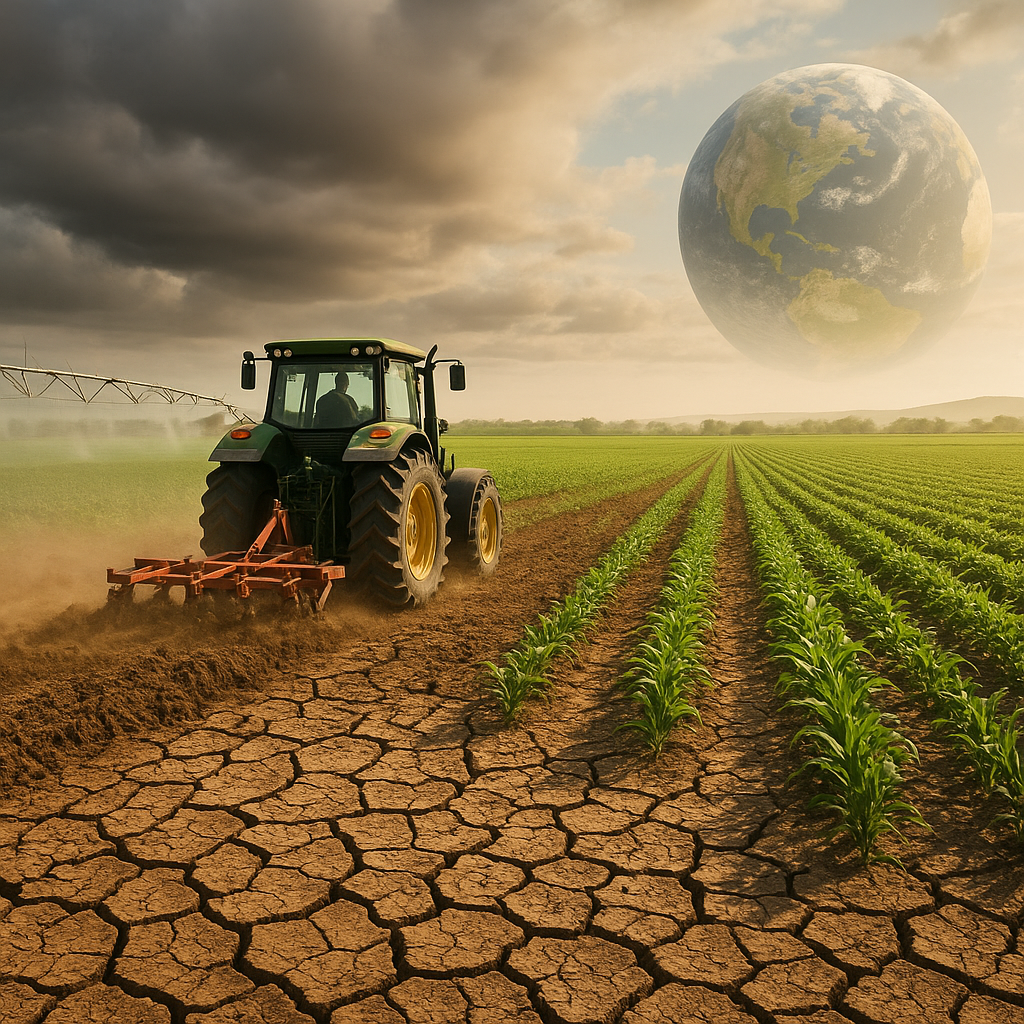
Water resources are under unprecedented strain as shifting precipitation patterns lead to chronic water scarcity in arid zones, while flooding erodes topsoil in lowlands. Overextraction of groundwater in key grain-producing areas depletes aquifers, jeopardizing long-term soil health. Conservation agriculture methods—such as reduced tillage and cover cropping—can improve water retention, but require widespread training and investment. Innovative irrigation systems aim to optimize water use through drip lines and real-time soil moisture monitoring.
Innovative Farming Practices for Resilience
Precision Agriculture and Technology Integration
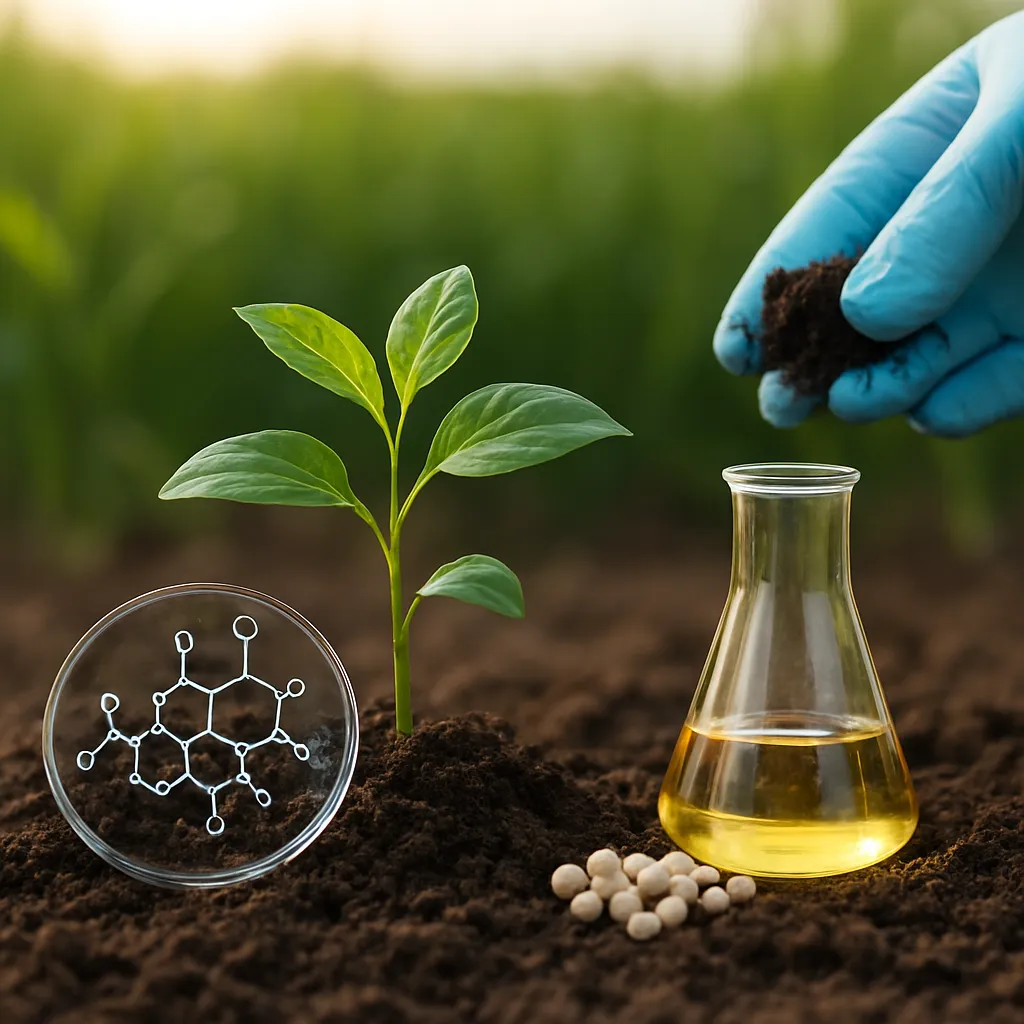
Precision agriculture leverages IoT devices, sensors, and data analytics to deliver targeted inputs exactly where needed. Satellite imagery, drones, and automated machinery reduce chemical runoff and input waste. By modeling field variability, farmers can apply fertilizers and pesticides based on soil nutrient maps, cutting costs and environmental footprints. Real-time monitoring also helps anticipate pest outbreaks and disease pressure, enabling rapid intervention and minimizing yield losses.
Agroecology and Sustainable Systems
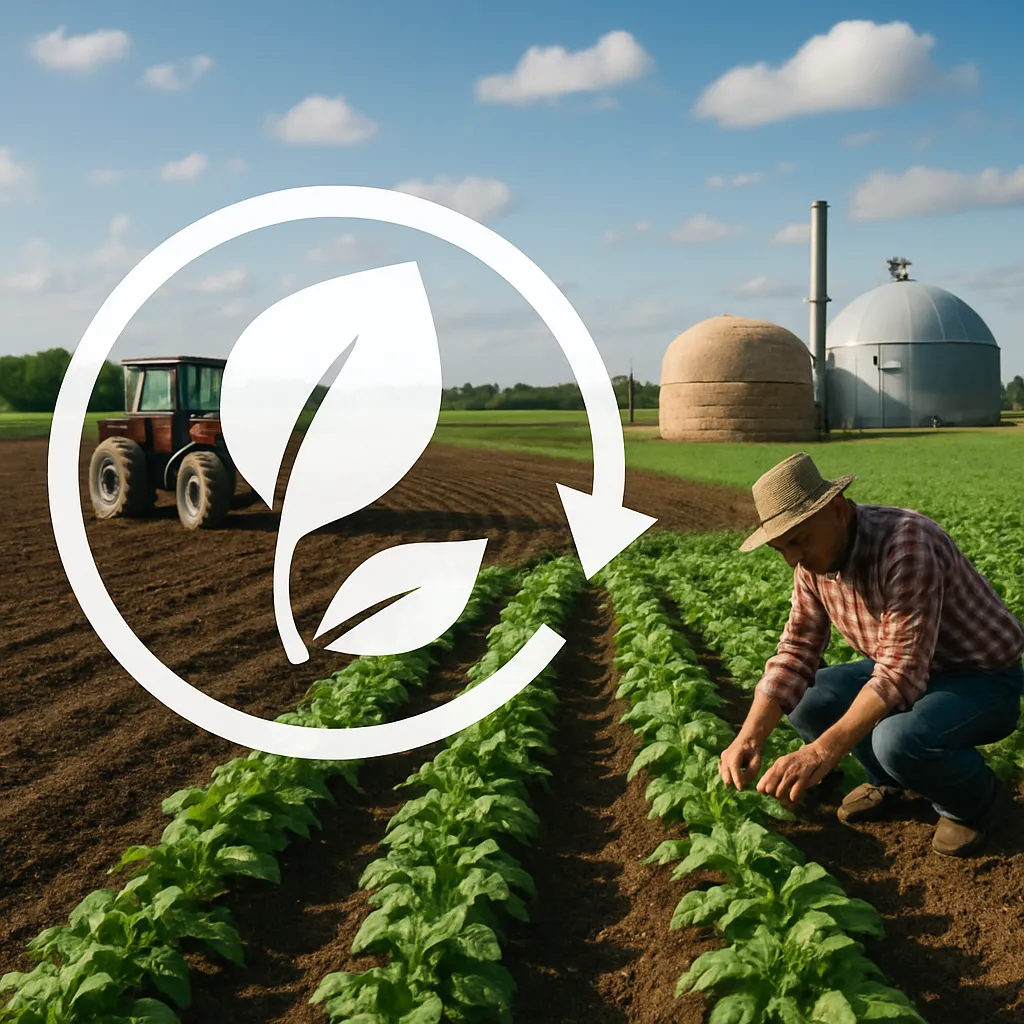
Agroecological approaches integrate ecological principles into farm design, promoting biodiversity through polycultures, hedgerows, and intercropping. Practices like crop rotation and agroforestry build resilient landscapes that sequester carbon and support beneficial insects. On smallholder farms, combining livestock with cereals enhances nutrient cycling and diversifies income streams. While initial transitions may require technical assistance, long-term benefits include improved soil structure, reduced input costs, and strengthened ecosystem services.
Global Market Dynamics and Trade Implications
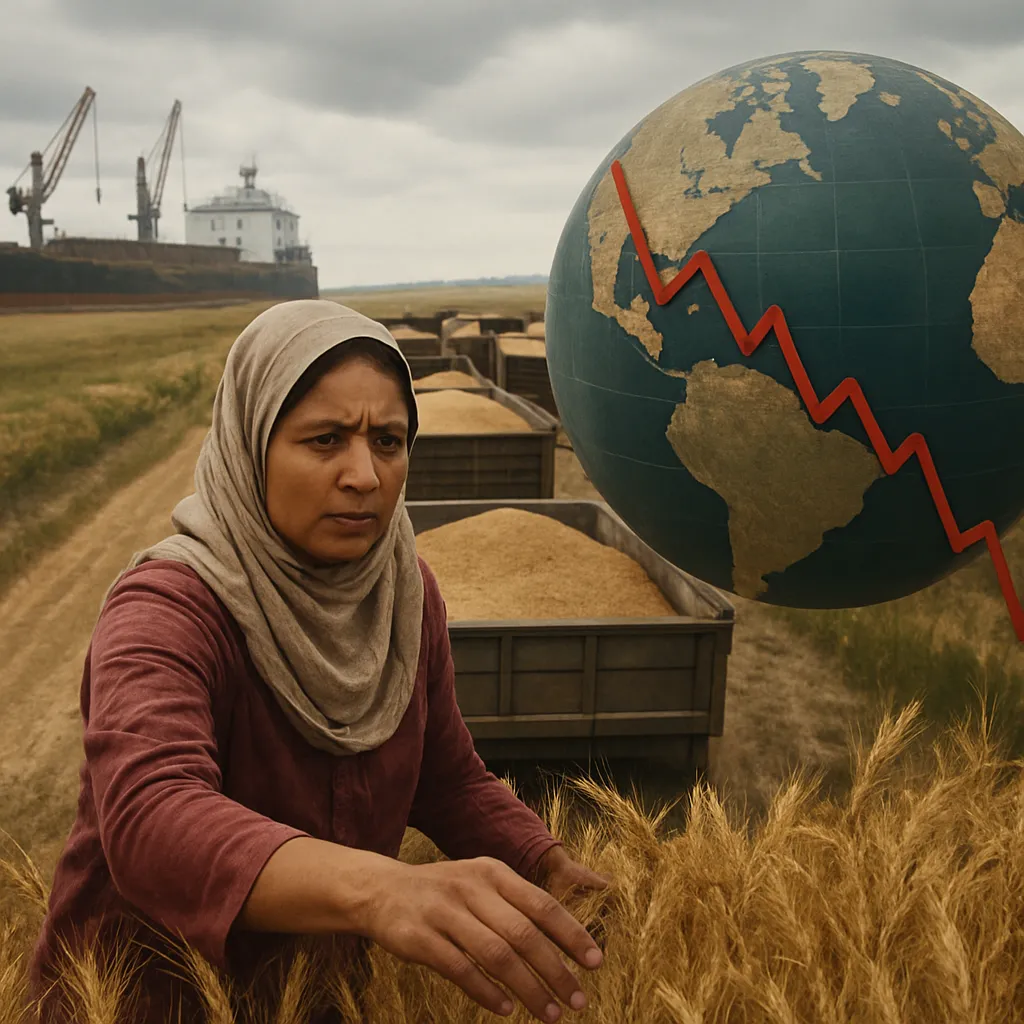
Shifting Demand and Commodity Prices
Consumer preferences are shifting towards plant-based proteins, specialty grains, and ethically produced foods, triggering volatility in market volatility and forcing commodity traders to diversify portfolios. High-value crops like quinoa and sorghum gain popularity, but price spikes raise concerns about affordability for vulnerable populations. Meanwhile, biofuel mandates drive demand for maize and oilseeds, altering supply balances and exporting nations’ strategies. Effective risk management tools, such as futures contracts and crop insurance, become critical buffers against unpredictable weather and market swings.
Policy Frameworks and International Cooperation
National and regional regulations on land use, water rights, and greenhouse gas emissions increasingly influence agricultural competitiveness. Environmental standards can raise production costs, but also open premium markets for certified sustainable goods. Trade agreements and carbon border adjustments aim to level the playing field, though they may provoke geopolitical tensions. Subsidy reforms are under scrutiny to discourage deforestation-linked agriculture and encourage low-carbon practices. Cross-border research partnerships and technical exchange platforms enhance capacity-building in emerging economies.
Future Outlook and Technological Horizons
Biotechnology and Genetic Innovation
Advances in genome editing techniques like CRISPR enable precise trait enhancements for drought tolerance, disease resistance, and nutrient efficiency. Next-generation seeds promise faster breeding cycles and reduced reliance on chemical inputs. Regulatory landscapes vary worldwide, influencing how quickly biotech varieties reach farmers. Public-private collaborations are establishing gene banks and open-access platforms to democratize innovation and address the needs of small-scale producers.
Digital Marketplaces and Supply Chain Transparency
Blockchain-based solutions facilitate traceability from farm to fork, assuring consumers of product origin, quality, and sustainability credentials. Digital platforms connect producers directly with buyers, bypassing intermediaries and improving profitability for smallholders. Real-time logistics tracking reduces spoilage and streamlines distribution in perishable supply chains. E-commerce integration allows niche producers to tap global demand, leveraging social media and mobile payment systems to build brand loyalty and expand market reach.